30 Minute Meals Using Pantry Staples – Fast, Flavorful, and Budget-Friendly
30 Minute Meals Using Pantry Staples – Fast, Flavorful, and Budget-Friendly
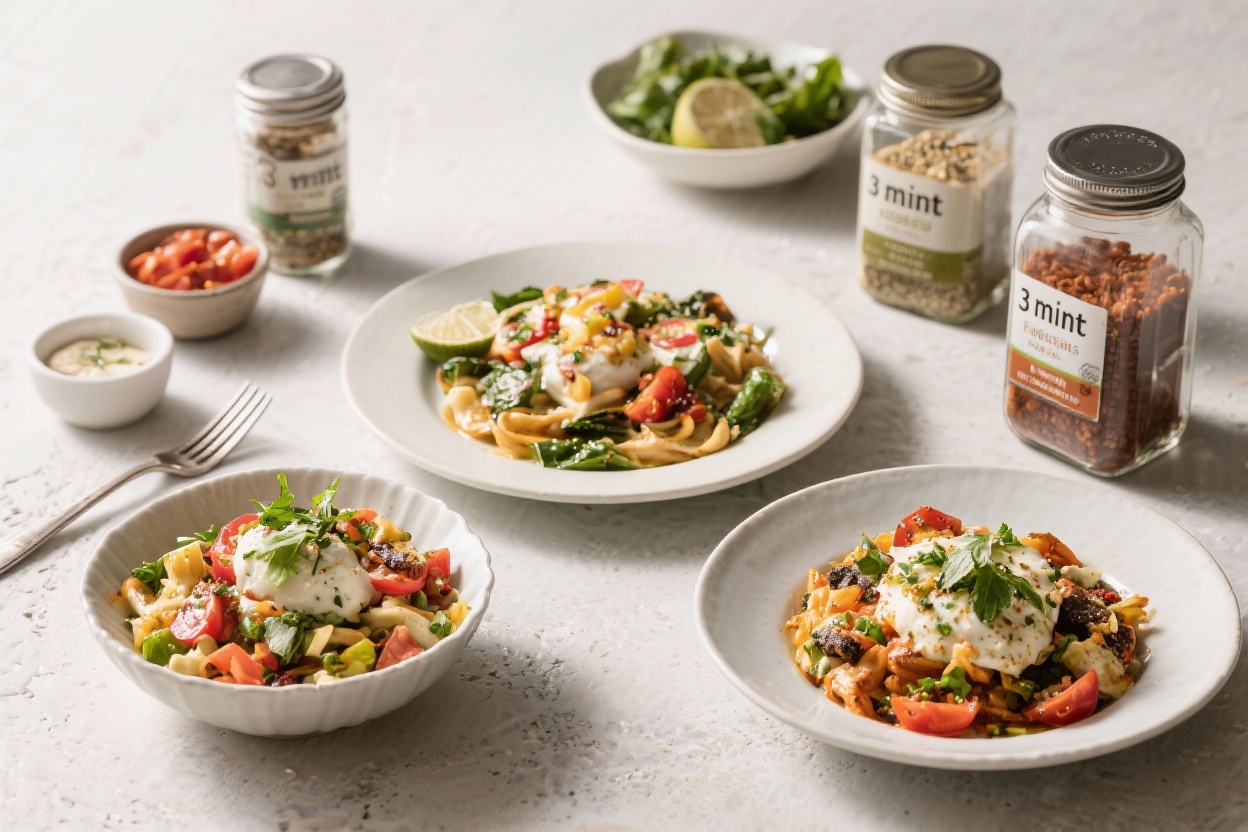
A busy weeknight doesn’t need fancy ingredients to taste great. With a few pantry staples and a little strategy, you can put dinner on the table in 30 minutes or less. This guide gives you one flexible base recipe plus simple variations, all built from items you likely already have. Think beans, pasta, rice, canned tomatoes, spices, and a couple of fresh add-ins. It’s practical, affordable, and genuinely satisfying.
Why This Recipe Works
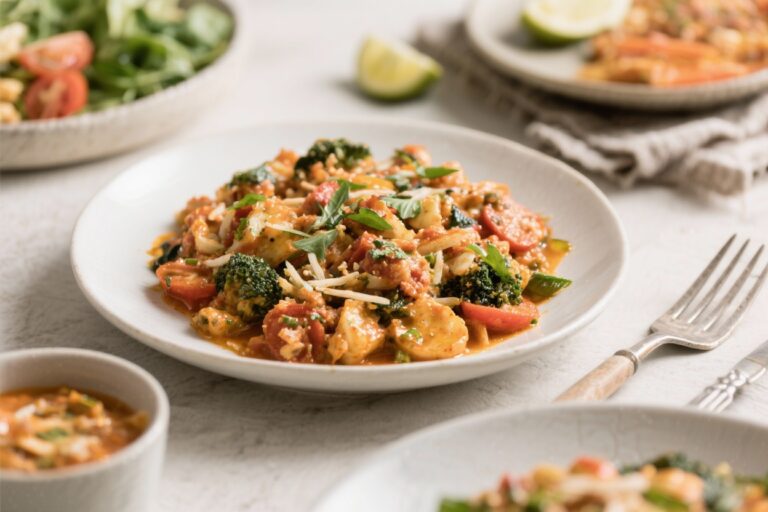
30 minute meals using pantry staples – 30 Minute Meals Using Pantry Staples – Fast, Flavorful, and Budget-Friendly A busy weeknight doesn’t
This approach uses ingredients that are shelf-stable and cook quickly. You’ll build flavor fast with aromatics, spices, and umami boosters like tomato paste and soy sauce. The base recipe is flexible: swap pasta for rice, chickpeas for black beans, or use whatever greens you have. Because the method stays the same, you can cook confidently without a strict recipe. The result is a hearty, complete meal that tastes like you planned it.
Ingredients
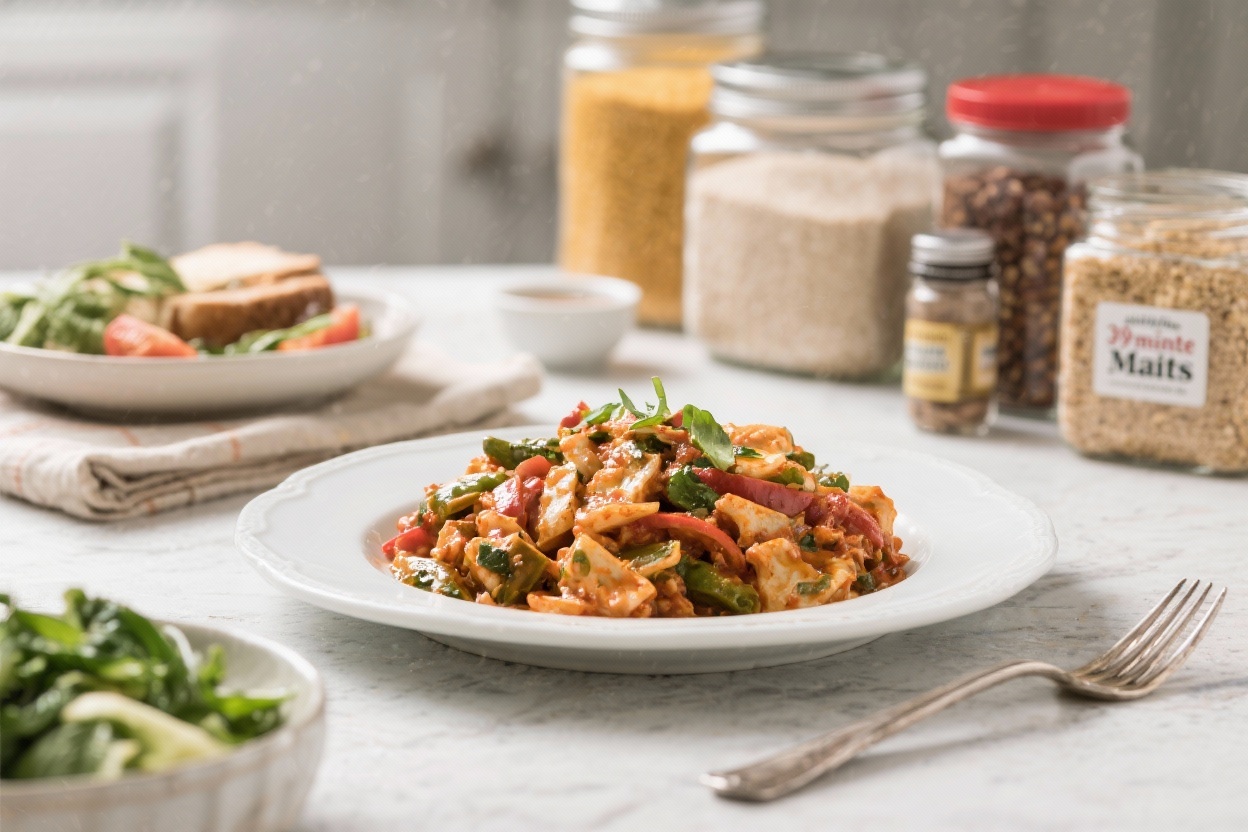
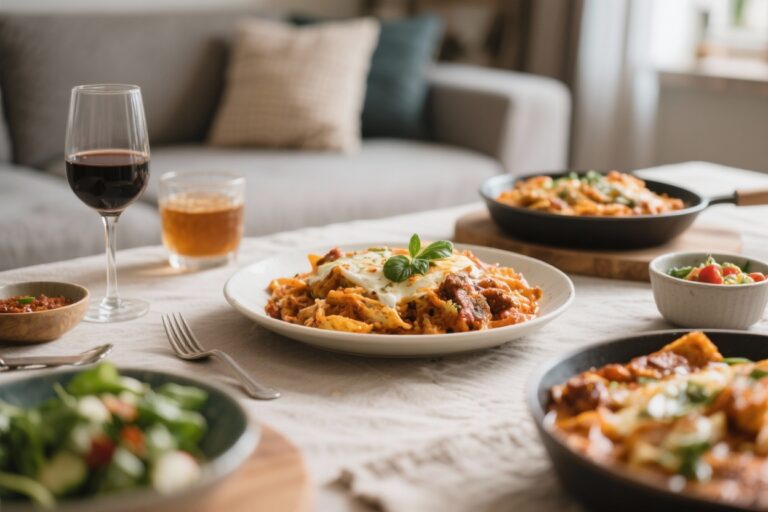
30 minute meals using pantry staples – With a few pantry staples and a little strategy, you can put dinner on the table in 30 minutes or le
Here’s a base list for a 30-minute pantry pasta skillet. Adjust amounts to taste and scale up as needed.
- Pasta: 12 ounces (short shapes like penne, shells, rotini)
- Olive oil: 2 tablespoons
- Onion: 1 small, diced (or 1 teaspoon onion powder)
- Garlic: 3 cloves, minced (or 1 teaspoon garlic powder)
- Tomato paste: 2 tablespoons
- Crushed or diced tomatoes: 1 can (14–15 ounces)
- Broth or water: 1 cup (chicken or vegetable)
- Beans: 1 can (15 ounces), drained and rinsed (chickpeas, white beans, or black beans)
- Frozen or canned vegetables: 1–2 cups (peas, spinach, corn, or mixed veggies)
- Spices: 1 teaspoon dried oregano, 1 teaspoon paprika, 1/4–1/2 teaspoon red pepper flakes (optional)
- Soy sauce or Worcestershire: 1–2 teaspoons for depth
- Salt and black pepper: to taste
- Parmesan or nutritional yeast: for finishing (optional)
- Lemon juice or vinegar: a squeeze for brightness (optional)
Instructions
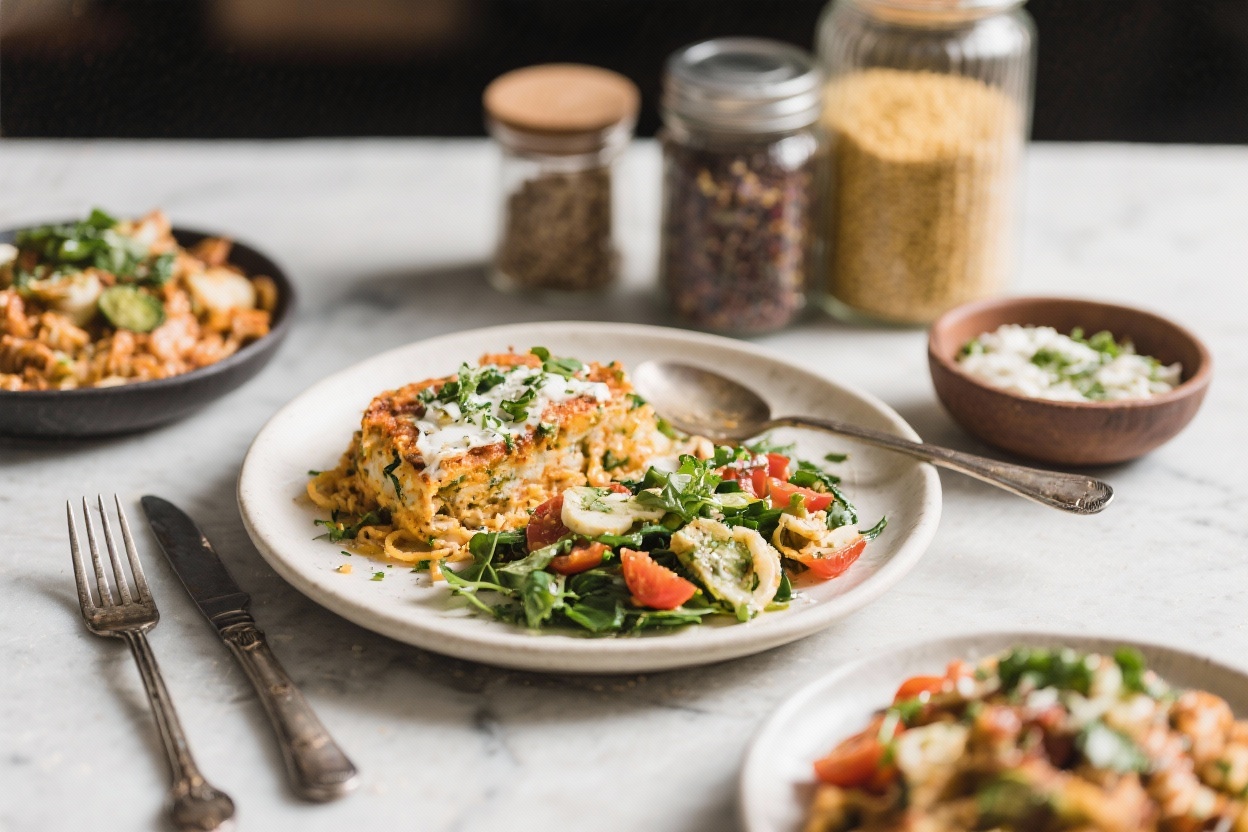
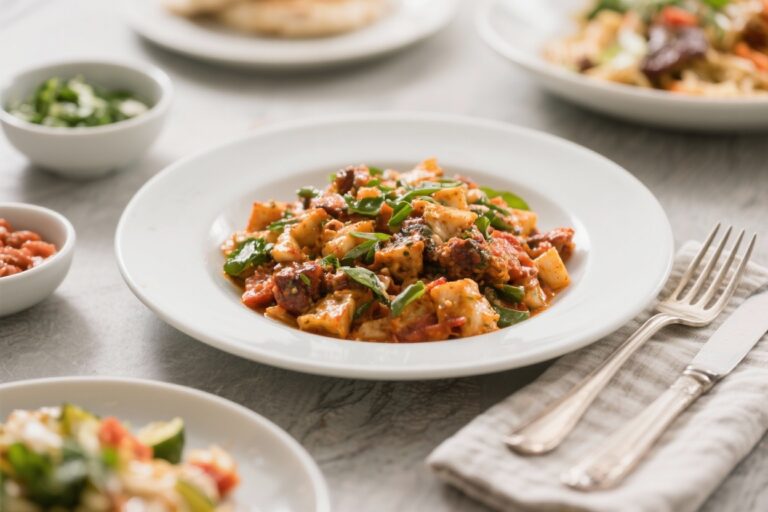
30 minute meals using pantry staples – This guide gives you one flexible base recipe plus simple variations, all built from items you likel
- Boil the pasta. Bring a large pot of salted water to a boil. Cook the pasta until just shy of al dente. Reserve 1/2 cup pasta water, then drain.
- Sauté aromatics. While the pasta cooks, heat olive oil in a large skillet over medium. Add onion with a pinch of salt and cook 3–4 minutes until softened. Stir in garlic and cook 30 seconds until fragrant.
- Build the sauce base. Add tomato paste and cook, stirring, for 1 minute to caramelize slightly. Sprinkle in oregano, paprika, and red pepper flakes. Stir in canned tomatoes and broth.
- Add beans and veggies. Stir in the rinsed beans and frozen or canned vegetables. Simmer 5–7 minutes to thicken slightly.
- Season smart. Add 1–2 teaspoons soy sauce or Worcestershire. Taste and adjust salt and pepper. The sauce should be well seasoned before adding pasta.
- Combine. Fold in the drained pasta. Add splashes of reserved pasta water as needed to loosen and coat the noodles. Simmer 1–2 minutes to marry flavors.
- Finish. Off the heat, add a squeeze of lemon or a splash of vinegar for brightness. Sprinkle with Parmesan or nutritional yeast if you have it. Serve hot.
How to Store
- Fridge: Store in an airtight container for 3–4 days. Add a splash of water when reheating to loosen the sauce.
- Freezer: Freeze in portions for up to 2 months. Thaw in the fridge overnight, then reheat on the stove or in the microwave.
- Meal prep tip: Cook the base sauce and freeze it. Boil fresh pasta when you’re ready to eat for the best texture.
Why This is Good for You
- Balanced macros: Pasta for energy, beans for protein and fiber, vegetables for micronutrients.
- High fiber: Beans and canned tomatoes support digestive health and keep you full.
- Lower sodium options: Choose low-sodium beans and tomatoes, and season to taste.
- Budget-friendly: Shelf-stable and frozen ingredients help you save money without sacrificing nutrition.
Common Mistakes to Avoid
- Underseasoning: Pantry meals can taste flat without enough salt, acid, and umami. Taste as you go.
- Skipping the caramelization: Cooking tomato paste and aromatics briefly in oil deepens flavor fast.
- Overcooking pasta: Stop just shy of al dente. It will finish in the sauce and stay pleasantly firm.
- Dry skillet: If the sauce tightens too much, add broth or pasta water to keep it silky.
- Too many mix-ins: Pick 1–2 vegetables and 1 bean. Overloading can make the dish muddy and watery.
Recipe Variations
- Smoky Chipotle Bean Pasta: Use black beans, add 1 teaspoon chipotle in adobo (or 1/2 teaspoon smoked paprika), and finish with lime instead of lemon. Corn is a great add-in.
- Creamy Tomato Chickpea Skillet: Stir in 1/3 cup cream cheese, ricotta, or coconut milk at the end. Add spinach for color and nutrition.
- Tuna, Caper, and Olive Pasta: Add a can of tuna (drained), 2 tablespoons chopped olives, and 1 tablespoon capers. Finish with lemon zest and parsley if you have it.
- Lentil Bolognese: Swap beans for 1 can of lentils. Add extra tomato paste and a dash of soy sauce. Simmer until thick and hearty.
- One-Pot Rice Version: Replace pasta with 1 cup rinsed rice. Use 2 cups broth and simmer covered until rice is tender, 15–18 minutes. Stir gently at the end.
- Spicy Peanut Noodles: Replace tomato products with 1/4 cup peanut butter, 2 tablespoons soy sauce, 1 tablespoon rice vinegar, 1 tablespoon chili-garlic sauce, and 1/3 cup hot water. Toss with cooked noodles and frozen veggies.
- Mediterranean White Bean Orzo: Use orzo, white beans, diced tomatoes, oregano, and a pinch of cinnamon. Finish with lemon and a crumble of feta.
- Curry Tomato Pasta: Add 1–2 teaspoons curry powder with the spices. Finish with coconut milk and peas.
FAQ
Can I make this gluten-free?
Yes. Use gluten-free pasta or swap in rice or quinoa. Check labels on soy sauce and broth to ensure they’re gluten-free.
What if I don’t have fresh onion or garlic?
Use 1 teaspoon each of onion and garlic powder. Add them with the spices and tomato paste to bloom in the oil.
How do I boost protein without meat?
Use a full can of beans plus a handful of nuts or seeds on top. You can also stir in canned lentils or edamame, or add Greek yogurt at the end for creaminess and extra protein.
Can I add meat?
Absolutely. Brown ground turkey, chicken, or sausage after the onions, then proceed. Canned chicken or tuna also works for a quick shortcut.
How do I avoid a bland sauce?
Layer flavor: salt in stages, caramelize tomato paste, add an umami booster (soy sauce, Worcestershire, or anchovy paste), and finish with acid (lemon or vinegar). A little heat from red pepper flakes helps too.
What vegetables work best from the freezer?
Peas, spinach, broccoli florets, and mixed vegetables all cook quickly and hold texture. Add them straight from frozen in the simmer stage.
Can I make it dairy-free?
Yes. Skip the Parmesan and use nutritional yeast or a drizzle of olive oil to finish. Coconut milk can add creaminess in variations.
Wrapping Up
With a few pantry staples and a smart method, you can cook a fast, comforting dinner any night of the week. This base recipe is just a template—swap in what you have and make it your own. Keep tomato paste, canned beans, pasta, spices, and a bag of frozen veggies on hand, and you’re set. In 30 minutes, you’ll have a meal that’s thrifty, hearty, and full of flavor. That’s weeknight cooking at its best.
Printable Recipe Card
Want just the essential recipe details without scrolling through the article? Get our printable recipe card with just the ingredients and instructions.