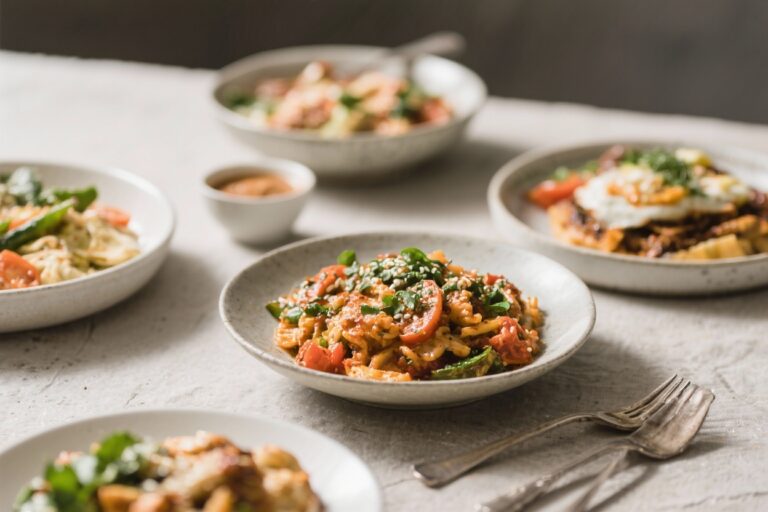
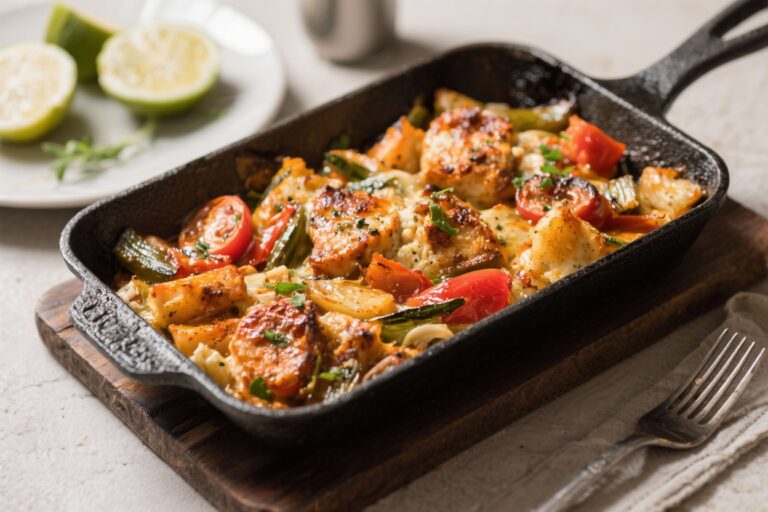
30 Minute Meals With Frozen Ingredients – Fast, Flavorful, and Reliable
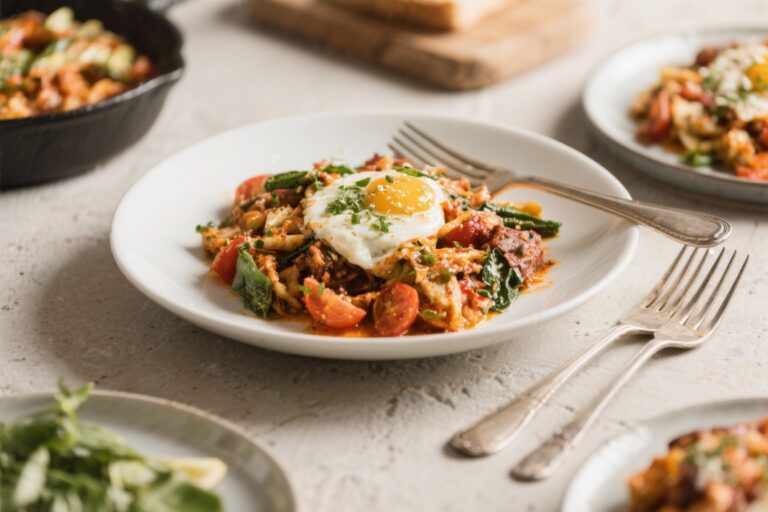
30 Minute Meals With Frozen Ingredients – Fast, Flavorful, and Reliable
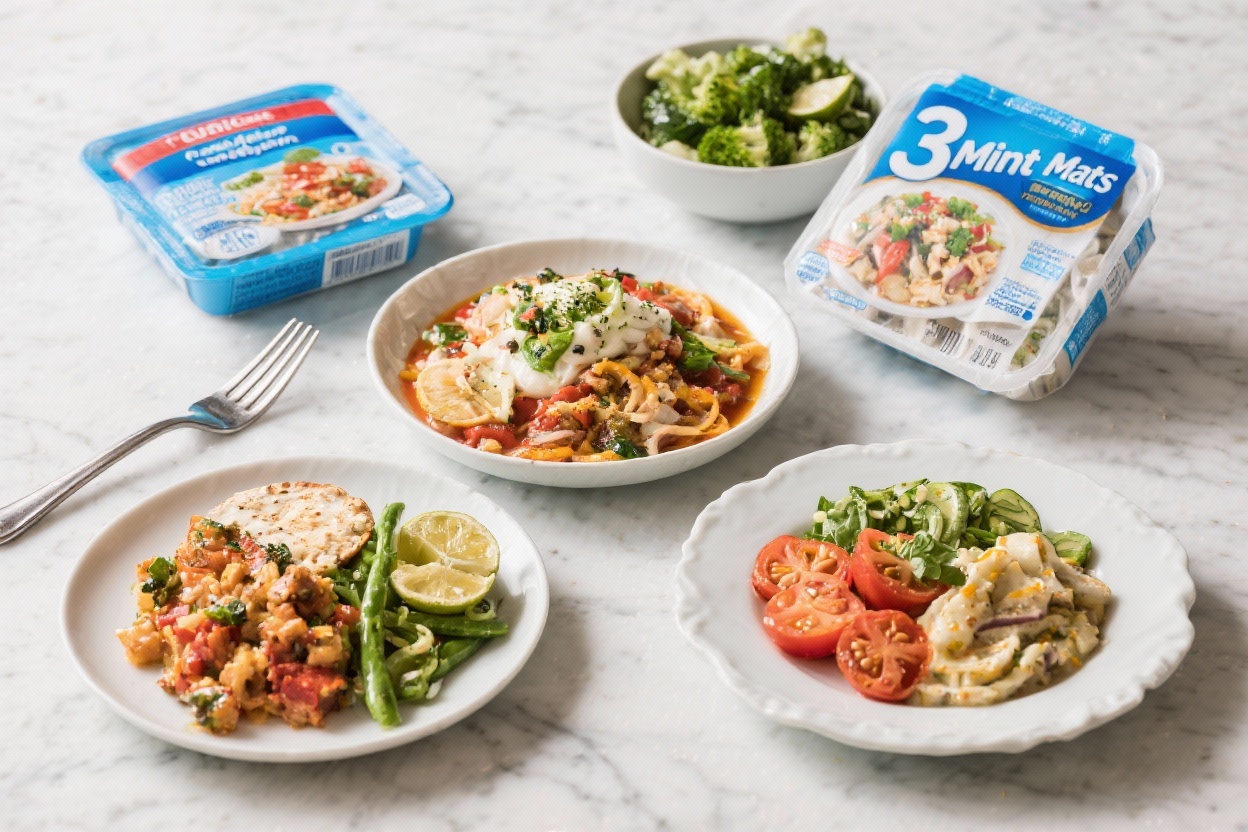
Short on time but still want a hot, satisfying meal? Frozen ingredients can be your best friend—affordable, convenient, and surprisingly fresh-tasting when used well. This guide walks you through a simple plan to turn freezer staples into flavorful dinners in 30 minutes or less. No fuss, no complicated prep, just real food that tastes great. You’ll get flexible ideas, simple steps, and smart tricks to make weeknights easier.
What Makes This Recipe So Good
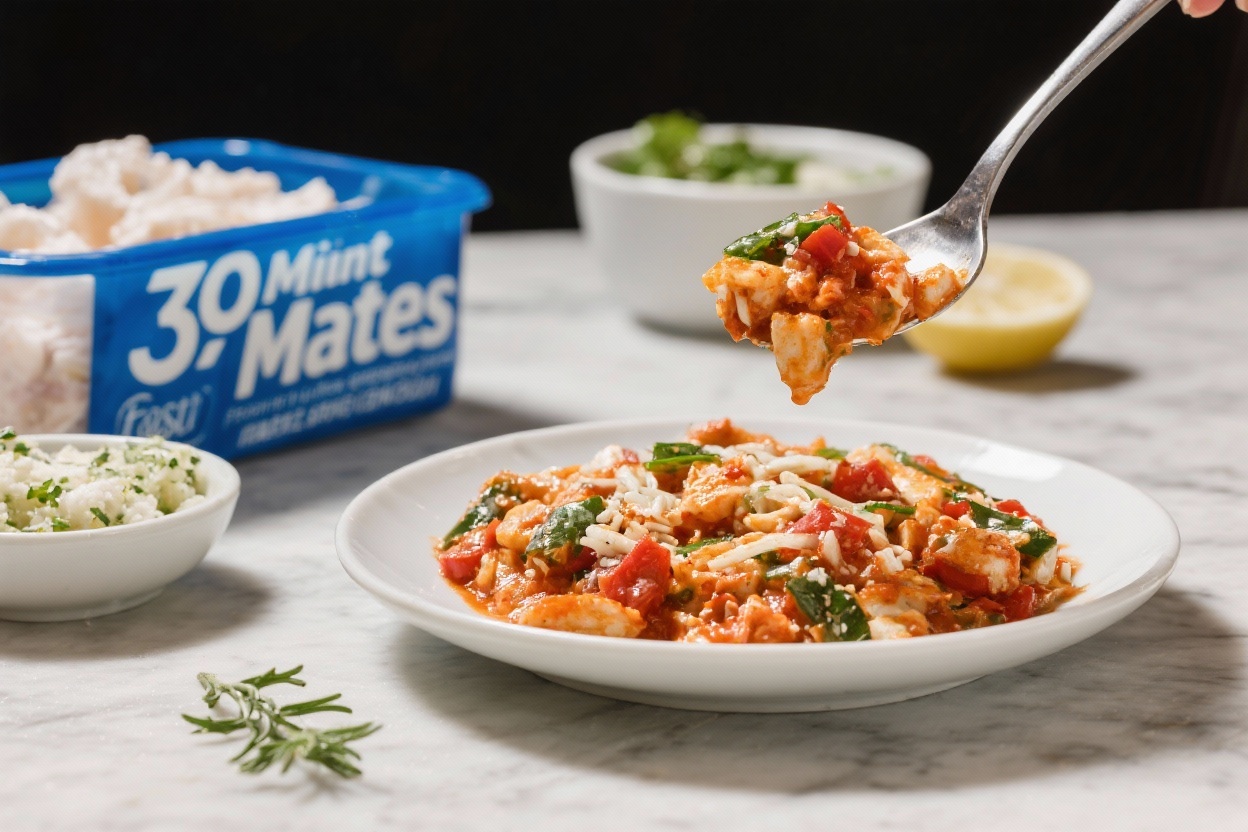
30 minute meals with frozen ingredients – 30 Minute Meals With Frozen Ingredients – Fast, Flavorful, and Reliable Short on time but still want
This approach isn’t just one recipe—it’s a framework that lets you mix and match frozen staples to create a balanced meal fast. You’ll use frozen vegetables, proteins, and grains or noodles to build bowls, skillets, and stir-fries. The flavors are familiar and crowd-pleasing, with room for spice if you want it. Best of all, cleanup is minimal and the method is easy to memorize.
- Fast and consistent: Frozen items cook evenly and are prepped for you.
- Flexible: Swap proteins, sauces, and veggies based on what you have.
- Nutritious: Frozen produce is picked at peak freshness and often as nutritious as fresh.
- Budget-friendly: Use affordable bags of veggies, grains, and proteins without waste.
Ingredients
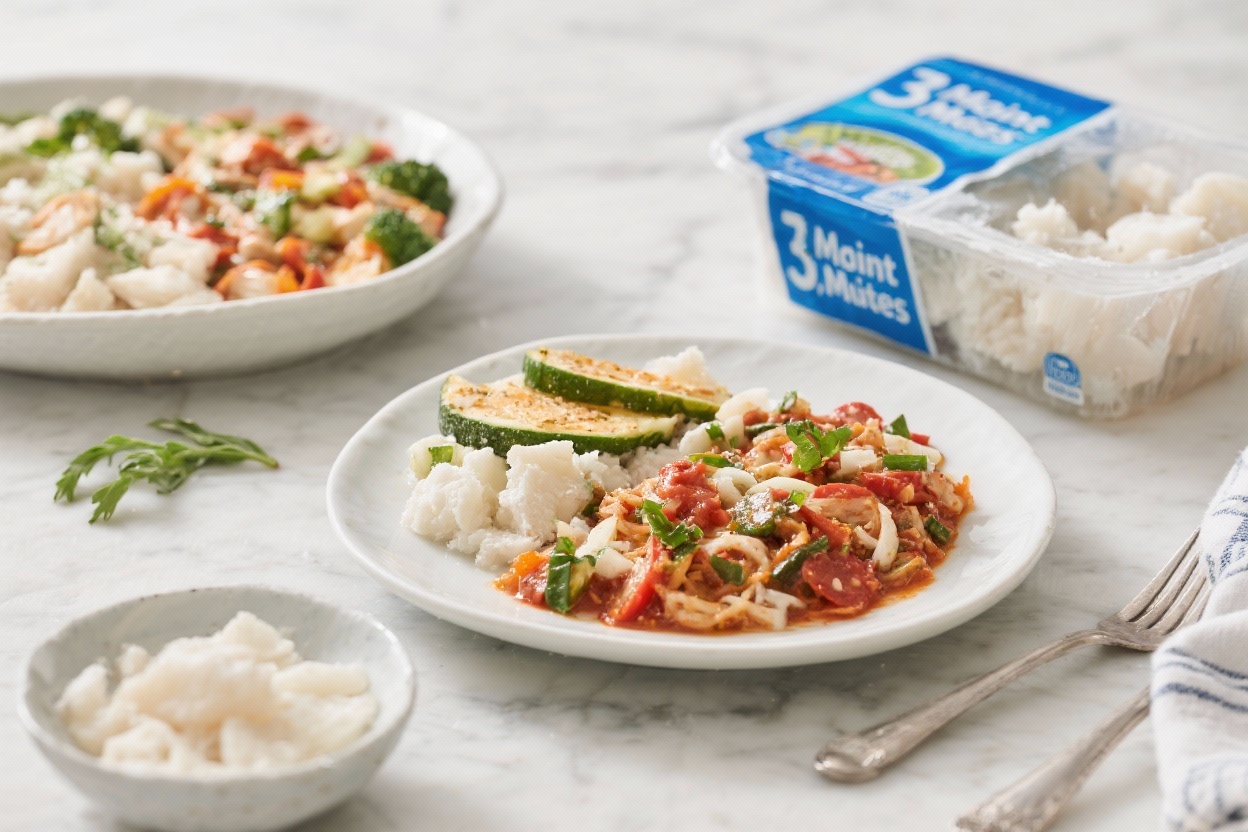
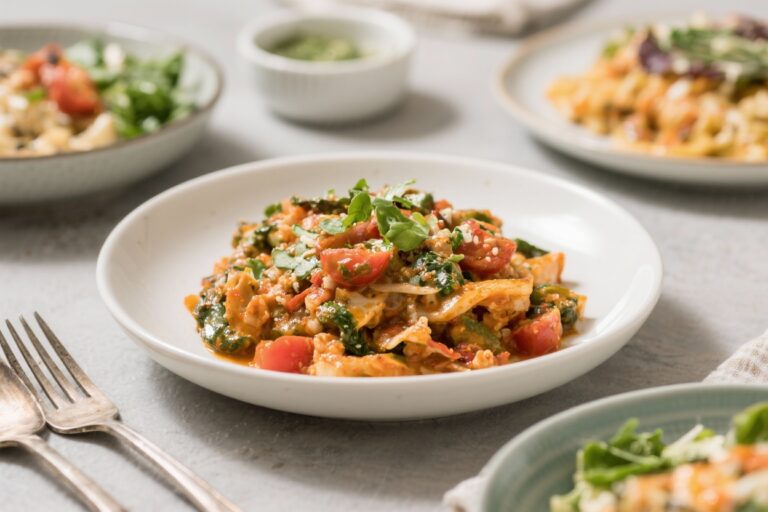
30 minute meals with frozen ingredients – Frozen ingredients can be your best friend—affordable, convenient, and surprisingly fresh-tasting wh
Below is a base formula for a 30-minute frozen dinner bowl (serves 2–3). Mix and match as needed.
- Protein (choose one): 12–16 oz frozen shrimp (peeled), frozen chicken strips, frozen turkey meatballs, plant-based crumbles, or edamame
- Vegetables (choose 2–3 cups total): Mixed stir-fry blend, broccoli florets, peas and carrots, bell pepper strips, spinach, corn, or cauliflower rice
- Starch (choose one): 2 cups frozen rice (brown, jasmine, or cauliflower rice), frozen quinoa blend, or frozen gnocchi
- Sauce (about 1/3–1/2 cup total): Teriyaki, tikka masala simmer sauce, pesto, enchilada sauce, peanut sauce, or a quick mix of soy sauce + honey + sriracha
- Aromatics (optional but great): 1 tsp garlic powder, 1 tsp onion powder, 1/2 tsp ground ginger, or frozen chopped onion
- Fats: 1–2 tbsp olive oil or neutral oil; optional 1 tsp sesame oil for finishing
- Boosters (optional): Frozen herbs, frozen roasted corn, lime juice, grated Parmesan, chili flakes, or toasted nuts
- Salt and pepper to taste
Instructions

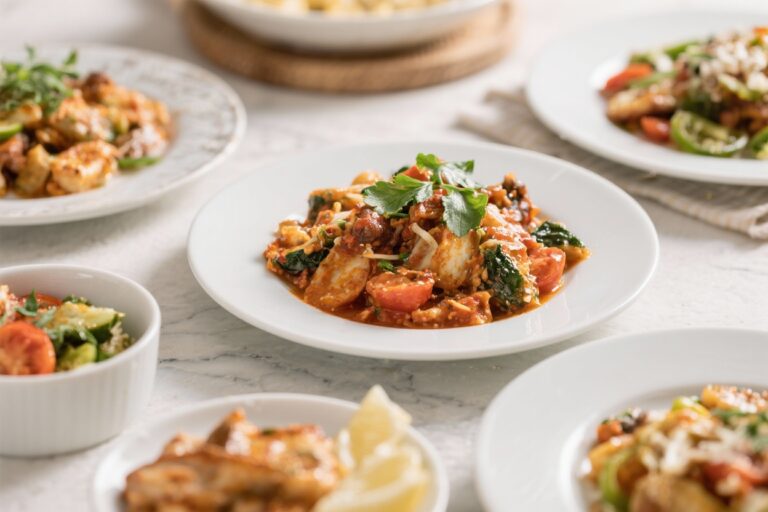
30 minute meals with frozen ingredients – This guide walks you through a simple plan to turn freezer staples into flavorful dinners in 30 minu
- Preheat your pan and heat oil. Set a large skillet over medium-high heat and add 1–2 tablespoons of oil. Let it get hot so your frozen ingredients sear instead of steam.
- Cook the protein first. Add your frozen protein in an even layer. Don’t crowd the pan. Cook until heated through and lightly browned, 4–8 minutes depending on the protein. Season with salt, pepper, and aromatics. Transfer to a plate.
- Stir-fry the vegetables. Add another splash of oil if needed. Pour in your frozen vegetables. Cook, stirring occasionally, until hot and just tender, 4–6 minutes. Keep the heat high so excess moisture evaporates.
- Heat the starch. If using frozen rice or quinoa, microwave according to package directions (usually 3–4 minutes). If using frozen gnocchi, pan-sear it directly in the skillet with a little oil until golden, 4–5 minutes.
- Bring it together with sauce. Return the protein to the skillet with the vegetables. Add your sauce and a splash of water if it’s too thick. Toss to coat and simmer 1–2 minutes to meld flavors.
- Finish and adjust. Add the starch to the skillet or serve the protein and veg over it. Taste and adjust with salt, pepper, citrus, or chili flakes. Drizzle sesame oil or sprinkle cheese if it fits the flavor profile.
- Serve hot. Top with boosters like chopped nuts, frozen herbs, or a squeeze of lime. Eat right away for best texture.
Keeping It Fresh
- Choose quality bags: Look for minimal ice crystals and intact pieces. Big clumps can mean thaw-refreeze cycles.
- Use high heat: It keeps veggies crisp and prevents sogginess.
- Don’t overcrowd the pan: Work in batches if needed for better browning.
- Finish with fresh touches: A squeeze of lemon, chopped green onion, or grated Parmesan adds brightness.
- Store wisely: Keep freezer at or below 0°F (-18°C) and seal bags tightly to avoid freezer burn.
Why This is Good for You
Frozen produce is often picked at peak ripeness and flash-frozen, preserving vitamins and flavor. You get consistent quality, even out of season. Balanced bowls with protein, fiber-rich vegetables, and smart carbs help steady energy and keep you full. With mindful sauces and portions, these meals support everyday nutrition without feeling rigid.
Pitfalls to Watch Out For
- Watery vegetables: If your pan looks wet, increase heat and cook a minute longer. Drain excess liquid before adding sauce.
- Rubbery shrimp or chicken: Overcooking is the culprit. Pull proteins as soon as they’re just cooked through.
- Sauce overload: Start with less and add to taste. You can always add, but you can’t take away.
- Too much salt: Some frozen items are pre-seasoned. Taste before salting.
- One-note flavors: Add acid (lemon, lime, vinegar), heat (chili), or freshness (herbs) to round things out.
Recipe Variations
- Teriyaki Shrimp Rice Bowl: Frozen shrimp, stir-fry veggies, jasmine rice, teriyaki sauce, sesame oil, green onions, sesame seeds.
- Chicken Pesto Gnocchi: Frozen chicken strips, frozen gnocchi, broccoli florets, pesto, grated Parmesan, black pepper.
- Veggie Tikka Masala: Cauliflower florets, peas, spinach, tikka masala simmer sauce, microwave brown rice, cilantro, yogurt dollop.
- Beef and Broccoli With Cauliflower Rice: Beef strips or plant-based crumbles, broccoli, cauliflower rice, garlic-ginger-soy-honey sauce, chili flakes.
- Southwest Turkey Bowl: Turkey meatballs (sliced), roasted corn, peppers and onions, black beans (pantry), enchilada sauce, lime, cilantro, rice.
- Garlic Butter Salmon and Veg: Frozen salmon portions (thawed per package directions), green beans, baby carrots, garlic butter, lemon, quinoa.
FAQ
Do I need to thaw frozen ingredients first?
Usually no. Most frozen vegetables and proteins are designed to cook from frozen. Follow package directions for seafood or fish, which sometimes benefit from a quick thaw for even cooking.
How do I prevent soggy vegetables?
Use a hot pan, avoid overcrowding, and don’t cover the skillet. Cook off moisture before adding sauce. If needed, drain liquid or pat veggies dry once heated.
What sauces work best with frozen ingredients?
Sturdy, flavorful sauces like teriyaki, tikka masala, pesto, peanut sauce, or a simple soy-honey mix cling well and boost flavor quickly. Thin sauces can get lost—reduce them briefly in the pan.
Can I make this gluten-free?
Yes. Use gluten-free sauces (tamari instead of soy sauce), rice or quinoa as the starch, and check labels on frozen proteins and gnocchi.
How do I keep shrimp from turning rubbery?
Cook shrimp over medium-high heat just until pink and opaque, usually 3–5 minutes. Pull them from the pan and add back at the end to warm through.
What if I don’t have a microwave for the rice?
Add frozen rice directly to the skillet after cooking the vegetables, with a splash of water. Stir and steam on medium until hot and fluffy.
Are frozen meals as healthy as fresh?
Often, yes. Frozen produce retains nutrients well. The key is choosing sauces lower in added sugar and sodium and balancing protein, veggies, and carbs.
Can I meal prep these bowls?
Absolutely. Cook components, cool, and store separately if possible. Reheat gently and add a fresh element (like lemon or herbs) right before serving.
Final Thoughts
Frozen ingredients make weeknight cooking faster, cheaper, and less stressful. With a hot pan, a solid sauce, and a smart mix of protein, vegetables, and starch, you can have a balanced dinner in 30 minutes or less. Keep a few go-to combos in your back pocket, and you’ll always be ready to cook—even when the fridge looks empty. Simple, reliable, and genuinely tasty: that’s the power of a good freezer plan.
Printable Recipe Card
Want just the essential recipe details without scrolling through the article? Get our printable recipe card with just the ingredients and instructions.