Easy Cooking Shortcuts That Work – Practical Tips You’ll Actually Use
Easy Cooking Shortcuts That Work – Practical Tips You’ll Actually Use
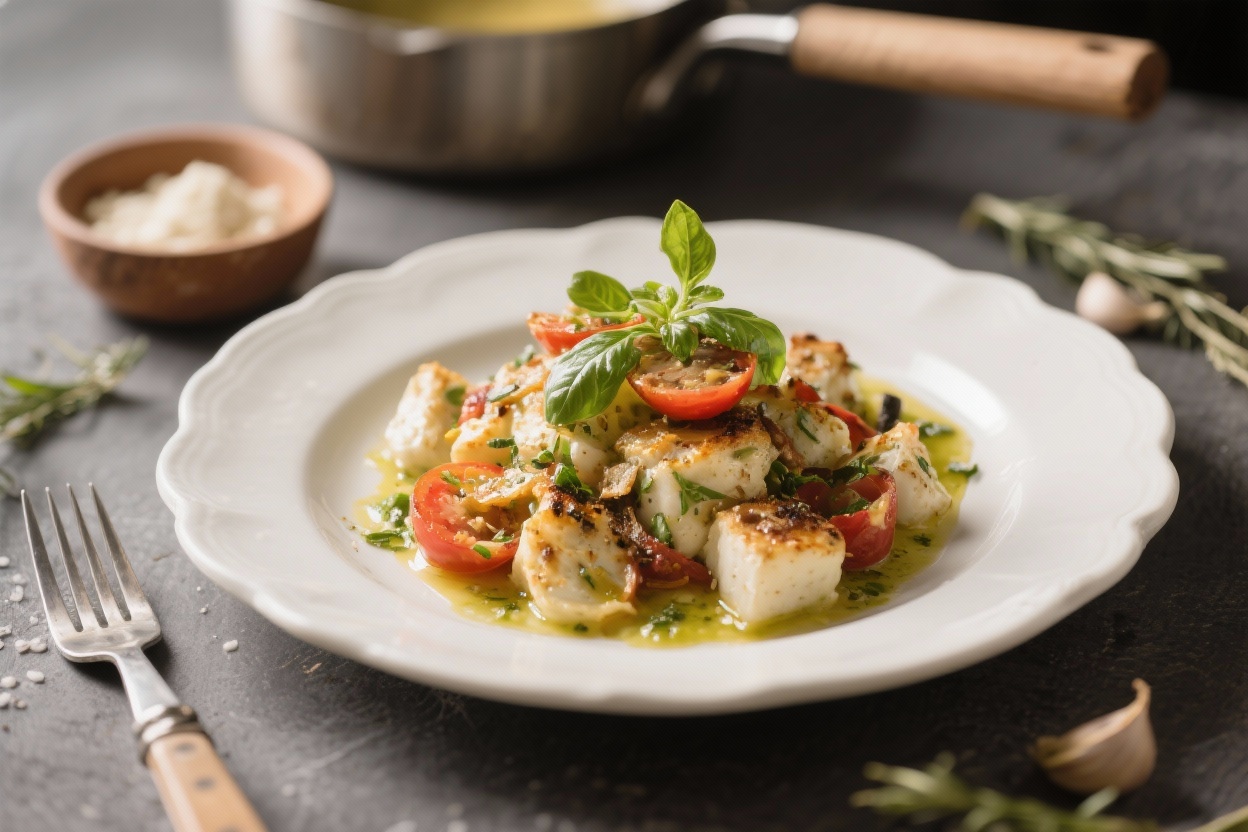
If cooking feels like a chore, you’re not alone. Between long workdays and busy evenings, making a meal from scratch can feel impossible. The good news? A few smart shortcuts can save time without sacrificing flavor. These tricks are simple, reliable, and don’t require fancy tools. Use them on weeknights when you need dinner fast, or anytime you want to cook smarter, not harder.
Why This Recipe Works
Easy cooking shortcuts that work – Easy Cooking Shortcuts That Work – Practical Tips You’ll Actually Use If cooking feels like a chore,
Think of this as a “recipe” for faster, easier cooking. It’s a set of proven steps and swaps that cut down prep, cleaning, and cook time. You’ll use store-bought helpers wisely, batch-prep the right basics, and get more flavor with less effort. The result is food that tastes homemade, without the stress.
Ingredients
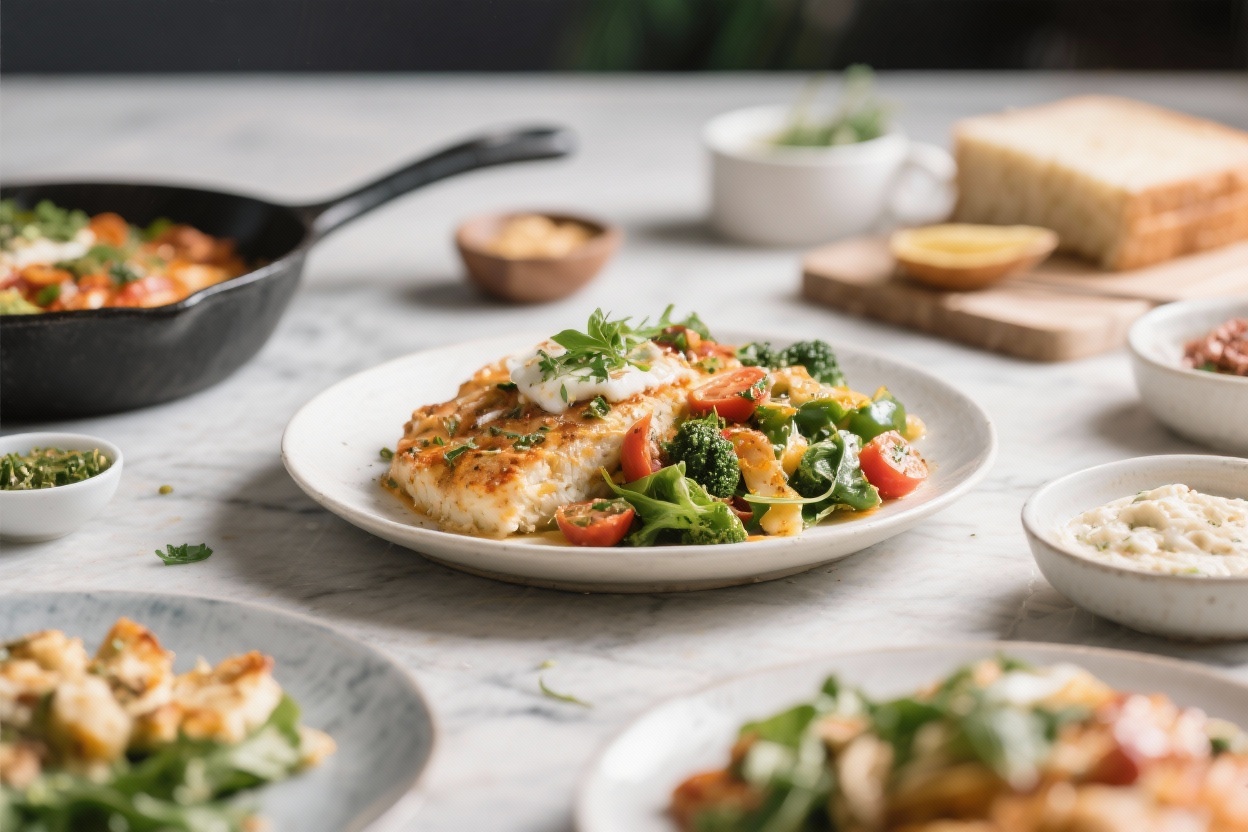
Easy cooking shortcuts that work – Between long workdays and busy evenings, making a meal from scratch can feel impossible
- Pre-chopped aromatics(frozen onions, garlic paste, ginger paste)
- Rotisserie chickenor pre-cooked proteins (sausages, canned beans)
- Frozen vegetables(broccoli, peas, corn, stir-fry blends)
- Microwave-ready grains(rice, quinoa, farro)
- Flavor boosters(soy sauce, miso paste, fish sauce, pesto, salsa, hot honey)
- Stock concentratesor bouillon
- Jarred sauces(tomato sauce, curry simmer sauce, enchilada sauce)
- Eggs(the ultimate fast protein)
- Citrus and fresh herbs(lemon/lime, parsley, cilantro, green onions)
- Sheet pans and nonstick skillet(your main time saving kitchen shortcuts)
Instructions
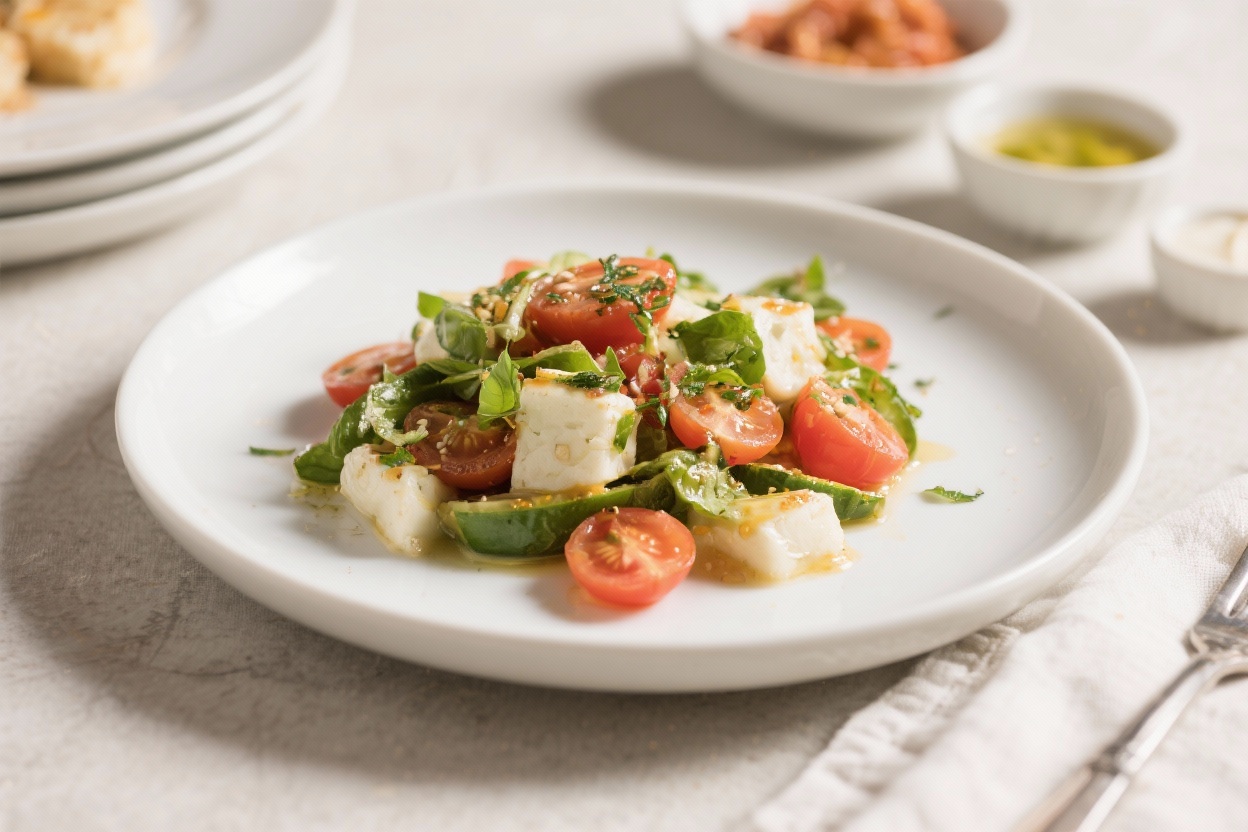
Easy cooking shortcuts that work – A few smart shortcuts can save time without sacrificing flavor
- Start with a flavor base the easy way. Use frozen chopped onions or a spoon of garlic/ginger paste. Sauté in a bit of oil until fragrant. This skips peeling and chopping but keeps the flavor.
- Build meals around pre-cooked proteins. Shred rotisserie chicken for tacos, soups, or pasta. Slice cooked sausages into a skillet with veggies. Rinse and heat canned beans with spices for quick bowls.
- Lean on frozen vegetables. They’re picked at peak freshness and cook fast. Toss them straight onto a sheet pan or into a skillet—no washing or trimming needed.
- Use microwave grains for speed. Heat a pouch of rice or quinoa in 90 seconds. Mix with sautéed veggies and a sauce for a complete meal.
- Choose one-pan or one-pot methods. Sheet-pan dinners and skillet meals cut down on dishes. Roast veggies and protein together, or make a skillet stir-fry with sauce and grains.
- Boost flavor with minimal effort. Add a spoon of pesto to pasta, a splash of soy sauce to veggies, or a dab of miso to soup. Finish with lemon and fresh herbs for brightness.
- Use jarred sauces as a base. Simmer tomato sauce with garlic paste and chili flakes for depth. Warm a curry simmer sauce with frozen veg and chicken for a 15-minute dinner.
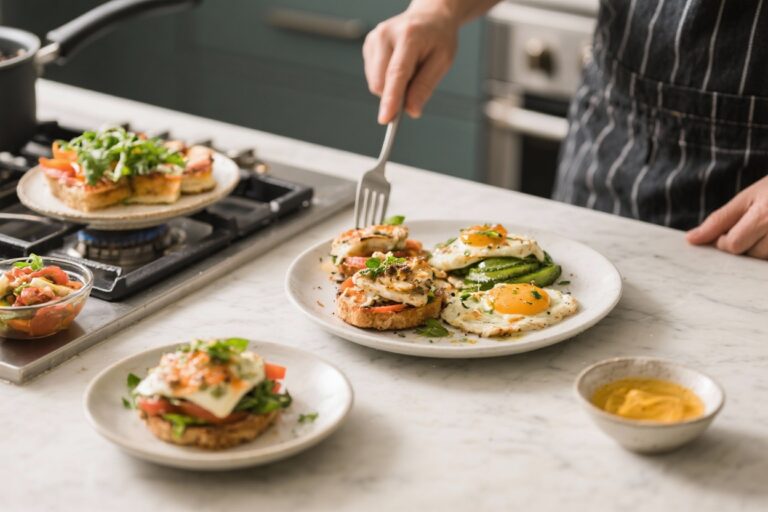
- Crack an egg on it. Fry or poach an egg to top bowls, noodles, or salads. It adds protein, richness, and feels intentional.
- Batch-prep smart, not hard. Cook a big pot of grains, roast a tray of vegetables, and prep one sauce on Sunday. Mix and match all week with different add-ins.
- Season in layers. Salt at the start for depth, taste mid-cook, and finish with acid (lemon, vinegar) and a touch of fat (olive oil, butter). Small tweaks = big flavor.
Storage Instructions
- Cooked grains: Refrigerate in airtight containers up to 4 days; freeze in flat zip-top bags for up to 3 months.
- Roasted vegetables: Refrigerate 3–4 days. Reheat in a hot skillet or oven to keep them from getting soggy.
- Shredded rotisserie chicken: Refrigerate 3–4 days; freeze up to 3 months. Add a splash of broth when reheating.
- Sauces and flavor pastes: Keep open jars sealed in the fridge. Freeze leftover pesto or tomato paste in ice cube trays.
- Pre-chopped aromatics: Store frozen and use straight from the freezer—no thawing needed.
Why This is Good for You
Shortcuts reduce stress, which makes you more likely to cook at home. Home-cooked meals generally mean less sodium, sugar, and additives than takeout. Using frozen veggies, beans, and grains adds fiber and nutrients without extra work. And when food tastes great with minimal effort, you’ll stick to it.
What Not to Do
- Don’t skip seasoning. Shortcuts still need salt, acid, and herbs to taste balanced.
- Don’t overcrowd sheet pans. Crowded pans steam food and make it soggy. Use two pans if needed.
- Don’t overcook frozen vegetables. They go from crisp to mush fast. Pull them when tender.
- Don’t rely on one flavor. Layer sauces and finishes. A squeeze of lemon or a drizzle of olive oil at the end makes a big difference.
- Don’t forget texture. Add crunch: toasted nuts, breadcrumbs, or fresh greens on top.
Recipe Variations
- 15-Minute Fried Rice:Sauté frozen onions and mixed veg. Add microwave rice, soy sauce, and sesame oil. Push to the side, scramble an egg, then mix. Finish with green onions.
- Sheet-Pan Chicken Tacos:Toss shredded rotisserie chicken with taco seasoning and a splash of salsa. Roast with sliced peppers and onions. Serve with tortillas, lime, and cilantro.
- Creamy Pesto Pasta Bowl:Boil pasta or use prepared gnocchi. Stir in pesto and a spoon of Greek yogurt. Add rotisserie chicken and frozen peas. Lemon zest on top.
- 5-Ingredient Curry:Simmer jarred curry sauce with frozen broccoli and chickpeas. Add chicken or tofu if you like. Serve over microwave rice and finish with lime.
- Tomato Soup Upgrade:Warm jarred marinara with stock concentrate and water until soupy. Stir in cream or coconut milk. Top with croutons and parmesan.
- Loaded Grain Bowls:Combine cooked quinoa, roasted veggies, beans, and a soft-boiled egg. Drizzle with time saving cooking shortcuts or hot honey and yogurt.
FAQ
Are frozen vegetables as healthy as fresh?
Yes. Frozen vegetables are usually picked and frozen at peak ripeness, which locks in nutrients. They’re a smart, affordable shortcut with great results.
How do I prevent microwaved grains from drying out?
Break up the grains in the pouch, then microwave as directed. If reheating cooked grains from the fridge, sprinkle with water and cover to steam.
What’s the best way to use rotisserie chicken without it getting bland?
Shred it and warm it gently in a skillet with a little broth or sauce. Season with spices, then finish with lemon juice or fresh herbs to brighten the flavor.
How can I make jarred sauces taste homemade?
Sauté garlic or onion paste first, then add the sauce. Stir in a knob of butter, a splash of wine or vinegar, or a spoon of miso. Finish with fresh basil or parsley.
What if I don’t have fresh herbs?
Use dried herbs early in cooking so they have time to bloom. For a fresh finish, use lemon zest, chili flakes, or a drizzle of good olive oil.
Can I meal prep without eating the same thing all week?
Prep neutral building blocks—grains, roasted veg, basic proteins—and change the sauces and toppings daily. Think pesto one night, salsa the next, and soy-ginger after that.
What’s an easy way to add protein to plant-based meals?
Use canned beans, lentils, tofu cubes, or edamame. They cook fast and absorb flavor well. A fried egg on top also works if you eat eggs.
How do I keep sheet-pan meals from getting soggy?
Use high heat (425–450°F), don’t overcrowd the pan, and pat wet ingredients dry. Flip once for even browning and add sauces at the end.
What pantry items make the biggest difference?
Stock concentrates, soy sauce, fish sauce, miso paste, pesto, chili crisp, and citrus. These add depth, umami, and brightness with almost no effort.
Is it okay to cook with pre-minced garlic?
Absolutely. It’s not identical to fresh, but it’s convenient and works well in most cooked dishes. If you want a stronger finish, add a bit of fresh garlic or garlic powder at the end.
In Conclusion
Cooking doesn’t have to be slow or complicated. With a few smart shortcuts—frozen veg, ready grains, rotisserie chicken, and bold condiments—you can make fresh, flavorful meals in minutes. Focus on technique, layer in easy flavor boosters, and finish with a bright touch. Keep it simple, keep it flexible, and you’ll actually enjoy cooking on busy days.