Simple Cooking Efficiency Tips – Easy Ways to Save Time and Stress
Simple Cooking Efficiency Tips – Easy Ways to Save Time and Stress
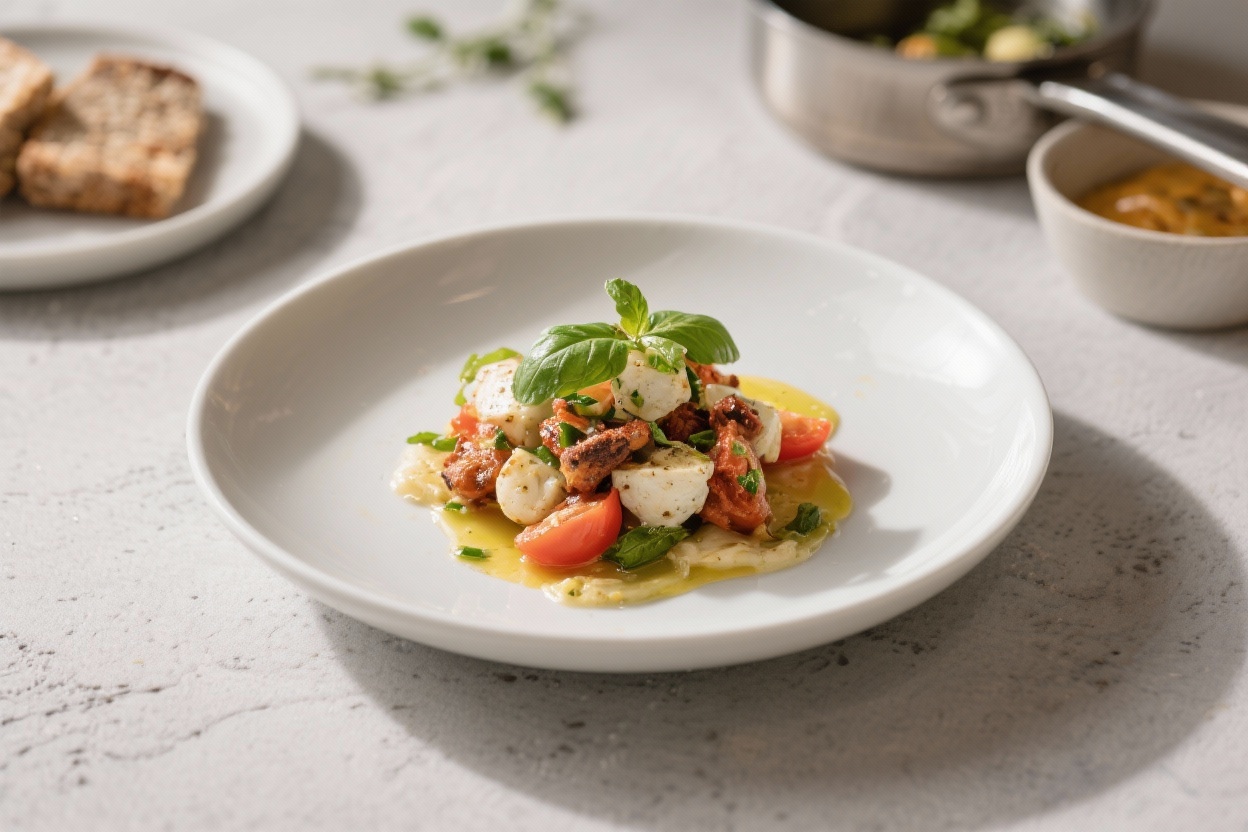
Cooking at home doesn’t need to eat up your whole evening. With a few smart habits, you can make meals faster, cleaner, and more enjoyable. These simple cooking efficiency tips help you plan better, prep smarter, and minimize mess without sacrificing flavor. Whether you’re cooking for one or feeding a family, these straightforward ideas will help you get food on the table with less hassle. Let’s keep things simple, useful, and totally doable.
What Makes This Special
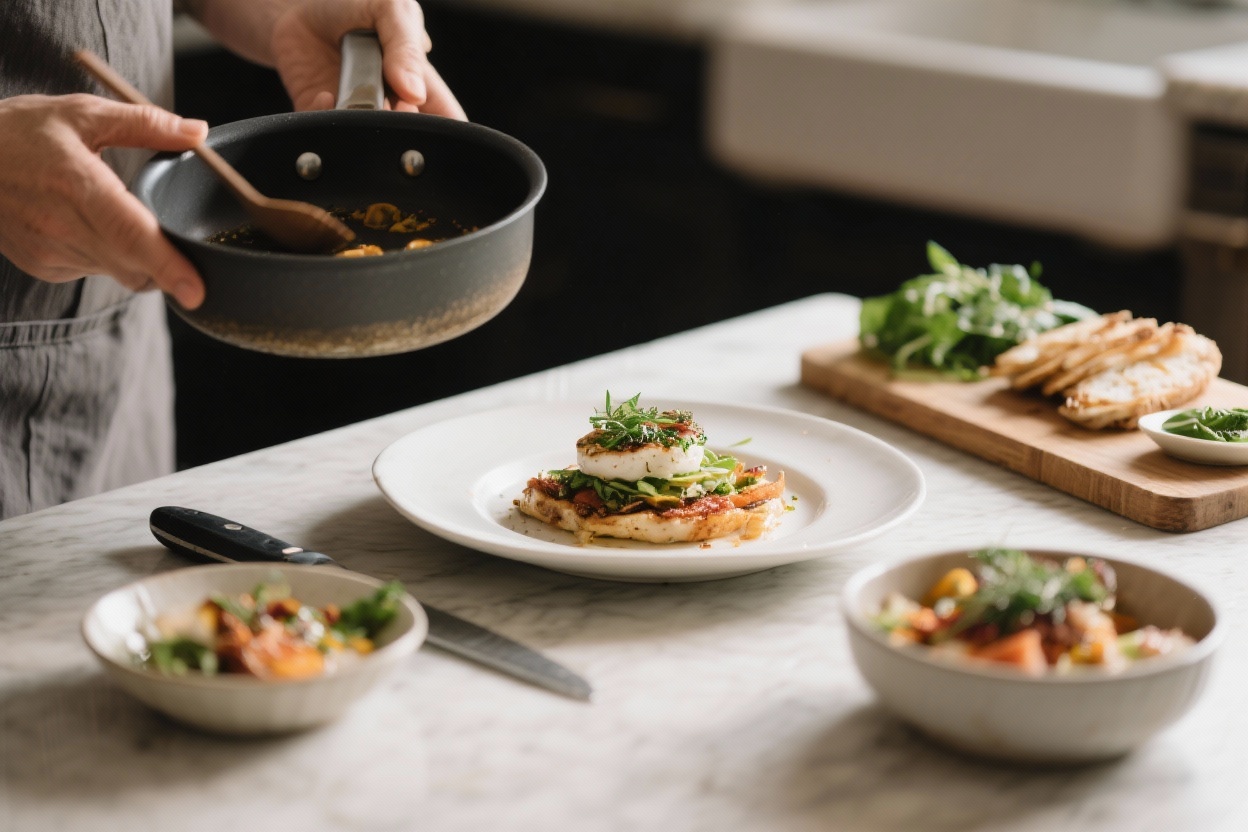
Simple cooking efficiency tips – Simple Cooking Efficiency Tips – Easy Ways to Save Time and Stress Cooking at home doesn’t need to e
This guide focuses on practical, real-life strategies that work in any kitchen. There’s no fancy jargon, no special equipment required, and no complicated meal plans. Just solid, easy-to-apply tips that save time before, during, and after cooking. You’ll find advice on organizing ingredients, simplifying prep, and cleaning as you go—all geared toward helping you cook smarter, not harder.
Ingredients
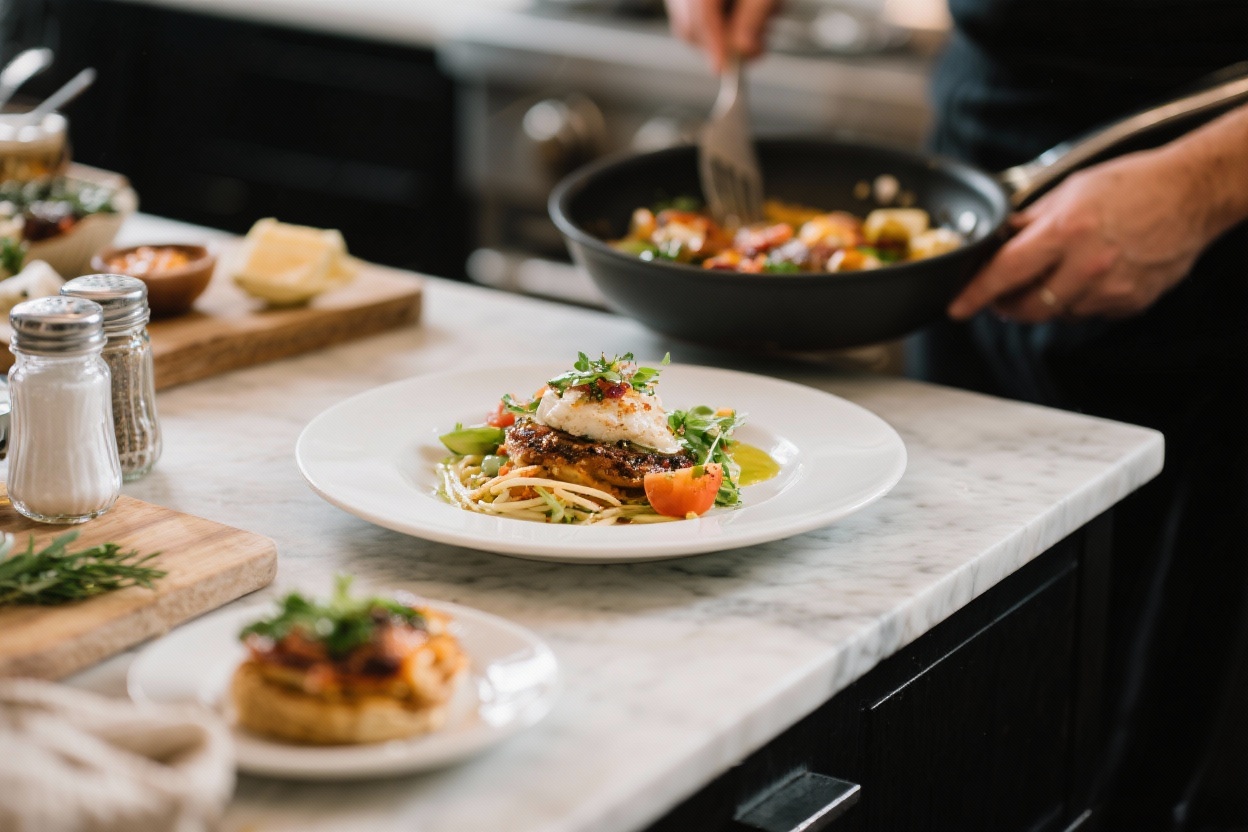
Simple cooking efficiency tips – With a few smart habits, you can make meals faster, cleaner, and more enjoyable
- A weekly plan: A simple outline of what you’ll cook for 3–5 meals.
- A small prep session: 30–60 minutes once or twice a week.
- Versatile staples: Rice, pasta, eggs, canned beans, frozen vegetables, broth, tortillas.
- Core aromatics: Onion, garlic, ginger, celery, carrots.
- Multipurpose proteins: Chicken thighs, ground meat, tofu, canned tuna, lentils.
- Flavor boosters: Soy sauce, vinegar, mustard, hot sauce, lemon, tomato paste.
- Basic tools: Sharp chef’s knife, cutting board, large skillet, sheet pan, pot, colander.
- Storage helpers: Clear containers, freezer bags, masking tape and a marker.
- Timer: Phone timer or oven timer for hands-off cooking.
Instructions

Simple cooking efficiency tips – These simple cooking efficiency tips help you plan better, prep smarter, and minimize mess without s
- Plan three anchor meals, not seven. Pick three dinners you can stretch or remix. Leave room for leftovers and quick fixes. This keeps shopping tight and prevents food waste.
- Build meals around a repeatable base. Choose a grain, a protein, and a veg. Then change the flavor with different sauces or spices. Same structure, new taste.
- Do a 45-minute prep block. Cook a pot of rice, roast a tray of vegetables, and prep a protein. Wash and chop a few aromatics. This one session speeds up every meal all week.
- Use the “one board, one knife” rule. Prep in order: veg first, then protein. Wipe the board between tasks. It reduces dishes and keeps things safe.
- Lean on sheet pans and big skillets. Roast chicken and veggies on one pan, or sauté protein and aromatics in one skillet. Fewer pans = faster cooking and cleaning.
- Cook once, season twice. Make a neutral base (like plain chicken and rice). On day one, season with soy and sesame. On day two, toss with pesto or chili oil. This avoids flavor fatigue.
- Batch aromatics. Mince a whole bulb of garlic and a knob of ginger. Store in small containers with a little oil. That 5-minute prep saves time every night.
- Embrace high heat for speed. Stir-fry, sear, or broil when you need dinner fast. Preheat your pan properly so food browns quickly and doesn’t stick.
- Salt early, taste late. Season ingredients as they cook, not just at the end. Then taste and adjust before serving. You’ll need fewer sauces and less guesswork.
- Use the “while you wait” rule. While water boils or the oven preheats, wash produce, set the table, or pack tomorrow’s lunch. Idle time becomes productive time.
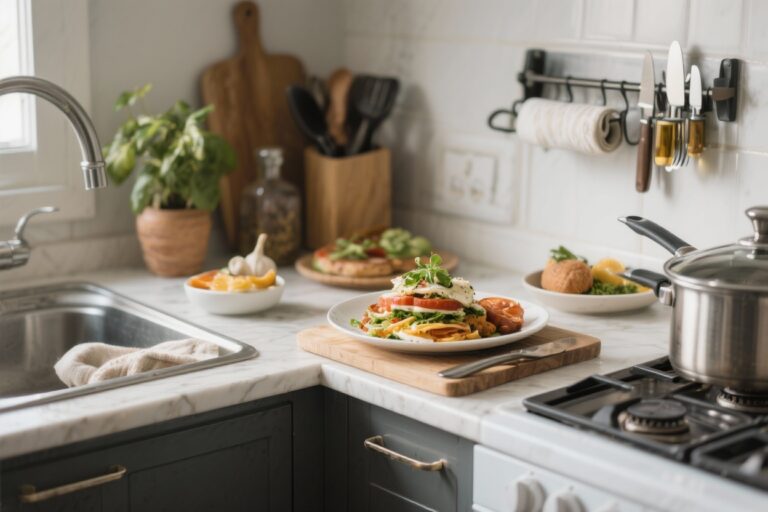
- Clean as you go. Fill the sink with hot soapy water before you start. Drop tools in as you finish using them. Wipe counters between steps. The final cleanup will be quick.
- Repurpose leftovers on purpose. Turn roasted vegetables into a frittata, rice into fried rice, or chicken into tacos. Plan for reinvention when you cook the original dish.
- Portion and label. Store cooked items in clear containers with dates and names. Use small containers for sauces and toppings. You’ll grab what you need without guessing.
- Use timers. Set timers for pasta, roasting, and resting meat. Timers protect you from distractions and help prevent overcooking.
- Pick your battles. Save complicated recipes for weekends. On busy nights, keep it simple: a protein, a veg, and a sauce. Done is better than perfect.
Storage Instructions
- Refrigerator: Store cooked grains, proteins, and roasted vegetables in airtight containers for 3–4 days.
- Freezer: Freeze cooked rice, beans, sauces, and soups in flat freezer bags for up to 3 months. Label with name and date.
- Portioning: Freeze in single-meal portions so you can thaw only what you need.
- Cooling: Let hot food cool slightly before sealing to prevent condensation and sogginess.
- Reheating: Add a splash of water or broth to grains and proteins to prevent drying. Reheat gently on the stove or in the microwave, stirring halfway.
Benefits of This Recipe
- Less stress: You’ll know what’s for dinner without last-minute decisions.
- Fewer dishes: One-pan methods and cleaning as you go reduce mess.
- Lower costs: Planning and repurposing leftovers cut food waste.
- Faster meals: Prepped ingredients mean dinner cooks in minutes.
- Flexible flavors: Neutral bases with different sauces keep meals interesting.
What Not to Do
- Don’t plan every meal. Overplanning leads to burnout and waste. Leave buffer nights.
- Don’t try new recipes on busy nights. Stick to familiar methods when time is tight.
- Don’t skip knife maintenance. A dull knife slows you down and increases risk.
- Don’t overcrowd pans. Food steams instead of browns, taking longer and tasting flat.
- Don’t store everything together. Keep sauces, proteins, and grains separate to reheat cleanly and combine as needed.
Alternatives
- No time to prep? Buy pre-chopped vegetables, rotisserie chicken, or frozen rice. Pair with a quick sauce.
- Plant-forward approach: Use lentils, chickpeas, or tofu as your base proteins. Roast a big tray of mixed vegetables once and use all week.
- Low equipment kitchen: Rely on a single skillet and a cutting board. Stir-fries, scrambles, quesadillas, and sautéed bowls cover most meals.
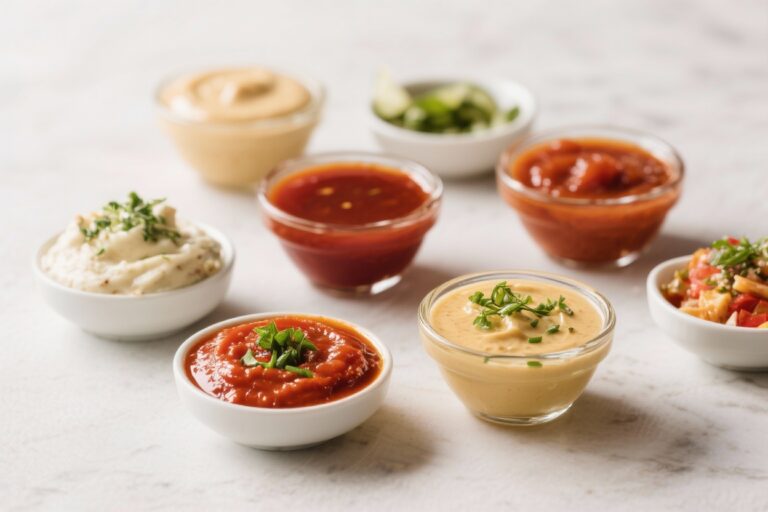
- Flavor shortcuts: Keep pesto, curry paste, salsa, and miso in the fridge. A spoonful transforms basic ingredients in seconds.
- Gluten-free or dairy-free: Choose rice or potatoes over pasta, and use olive oil or coconut milk for richness.
FAQ
How can I cook faster without sacrificing flavor?
Use high heat for quick browning, season in layers, and rely on powerful flavor boosters like garlic, lemon, and soy sauce. Prep a few items in advance so you’re assembling instead of starting from scratch.
What should I always keep in my pantry?
Stock rice, pasta, canned tomatoes, beans, broth, coconut milk, olive oil, vinegar, and a few reliable spices. These staples help you turn almost any fresh ingredient into a meal.
How do I prevent overcooking meat?
Preheat your pan, don’t overcrowd it, and use a timer. Let meat rest for a few minutes after cooking so juices redistribute. A quick-read thermometer removes the guesswork.
Is batch cooking worth it if I’m cooking for one?
Yes. Cook once, portion into small containers, and freeze some for later. You’ll get variety by changing sauces and sides when reheating.
How do I keep cooked vegetables tasty?
Roast at high heat to get caramelized edges, and avoid crowding. Reheat with a splash of oil or a squeeze of lemon to refresh the flavor.
What’s the easiest way to cut down on dishes?
Use a single cutting board and knife, lean on sheet-pan and skillet meals, and clean as you go. Keep a “garbage bowl” on the counter for scraps to reduce trips to the trash.
Can I still be efficient without meal prepping?
Absolutely. Keep a few versatile ingredients on hand, plan three anchor meals, and use quick-cooking methods like stir-frying and broiling. Efficiency is about small habits, not marathon prep days.
In Conclusion
Cooking efficiently isn’t about perfection or complicated systems. It’s about a few smart choices that speed up the process and make dinner feel manageable. Plan a little, prep a little, cook with confidence, and clean as you go. With these simple cooking efficiency tips, you’ll save time, spend less, and enjoy home-cooked meals without the stress.