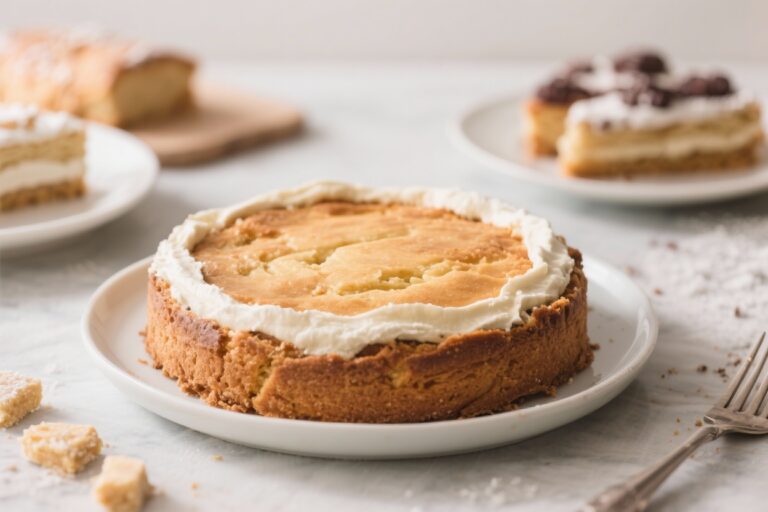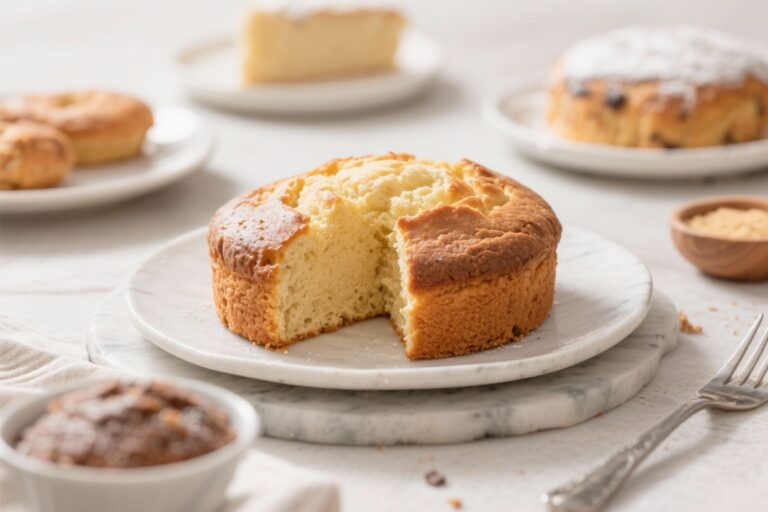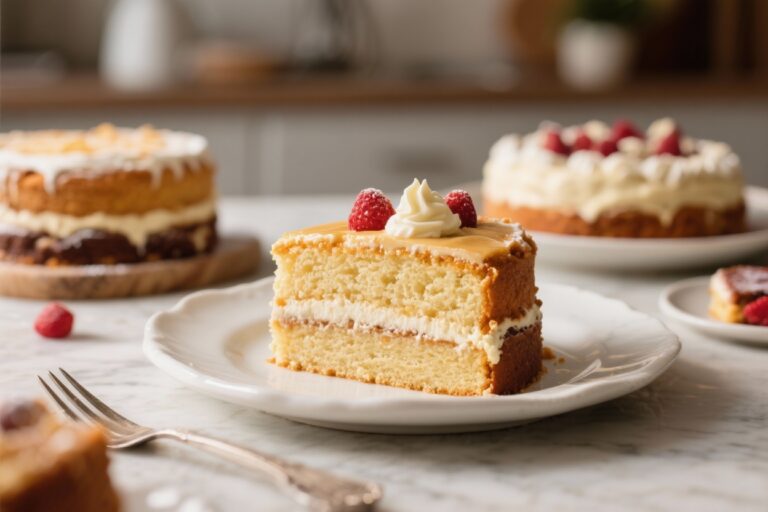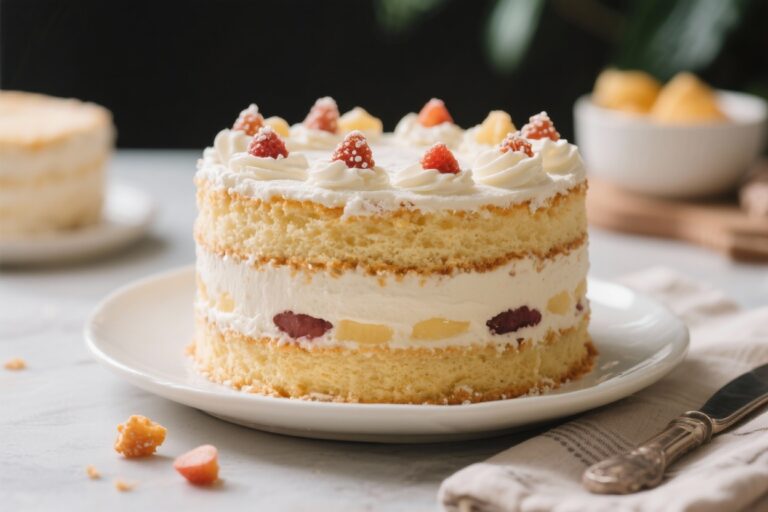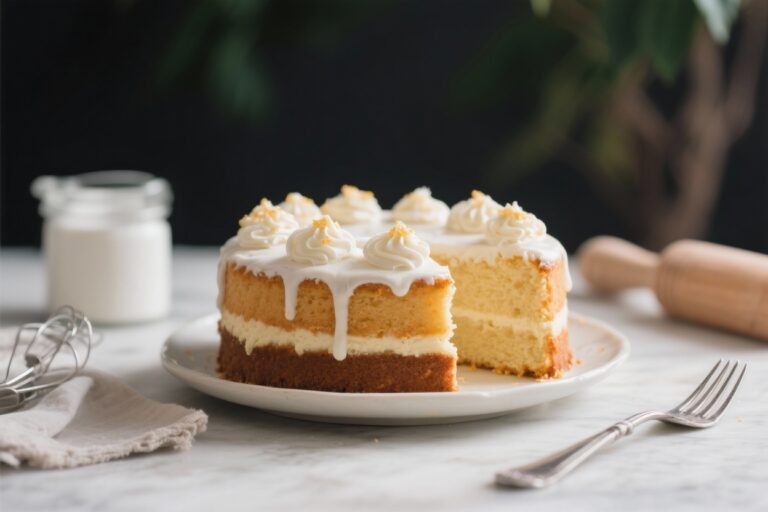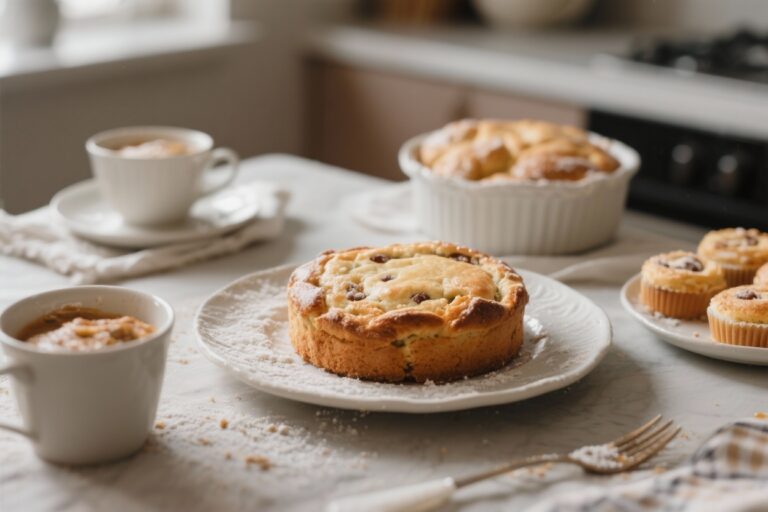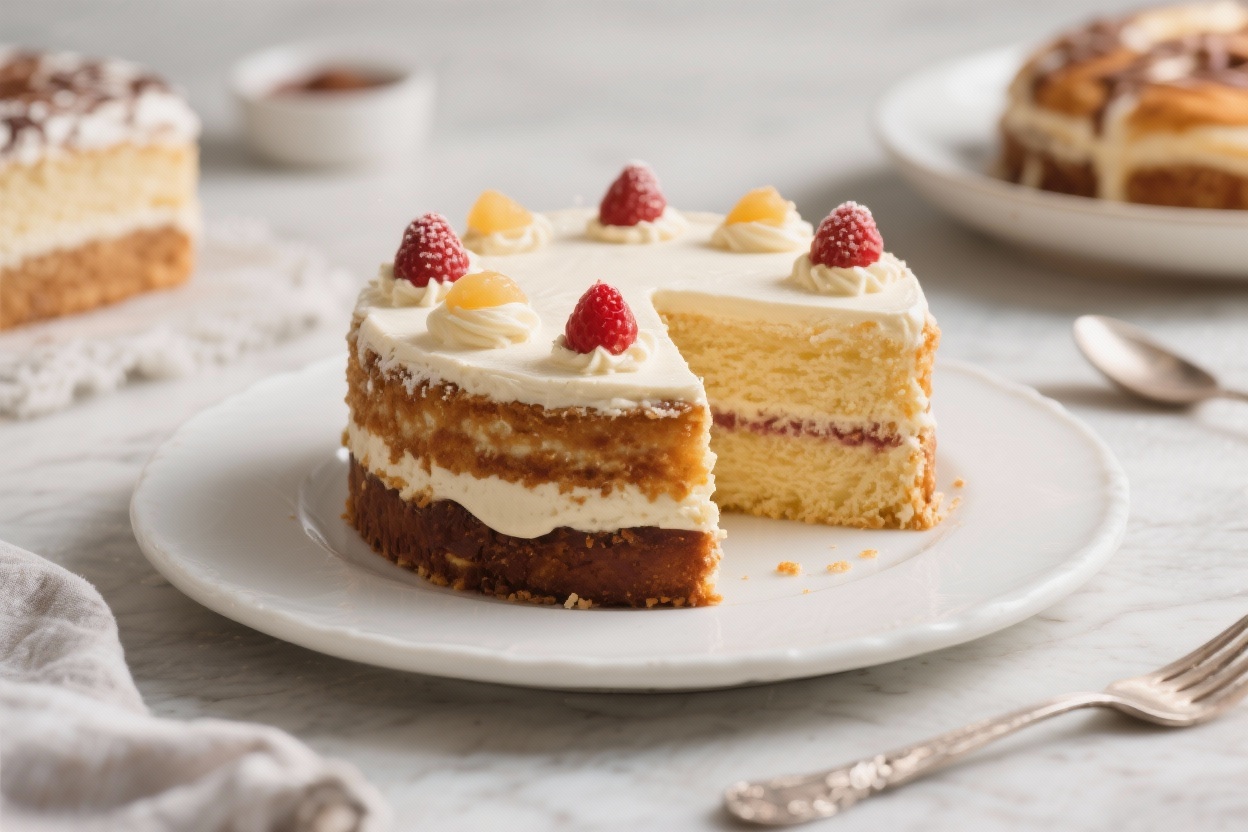
Easy Cake Recipes for Beginners – Simple, Reliable, and Delicious
If you’re new to baking, making a cake can feel a little intimidating. The good news is you don’t need fancy tools or expert skills to bake something soft, sweet, and crowd-pleasing. This guide walks you through a basic vanilla cake with a quick chocolate variation, all using pantry staples.
You’ll also get tips for storing, common mistakes to avoid, and simple tweaks to make the recipe your own. Ready to bake a cake you’ll actually be proud of?
What Makes This Recipe So Good
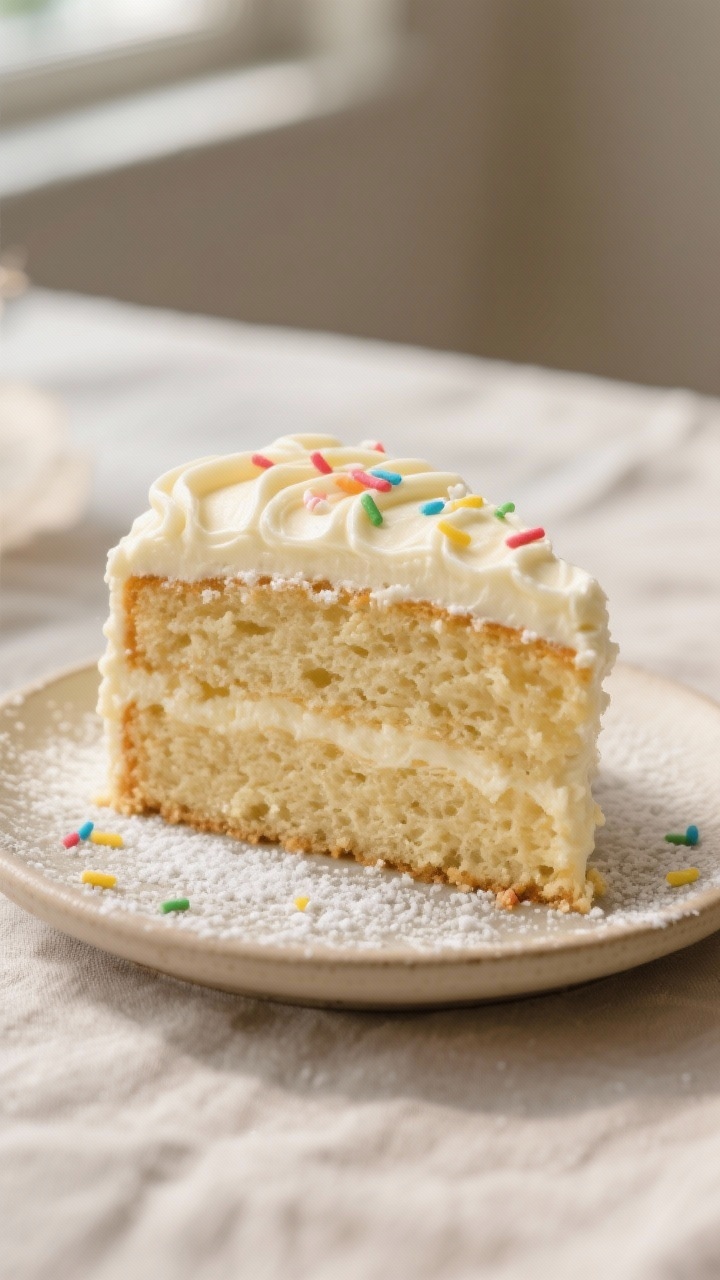
- Beginner-friendly method: Simple steps, minimal equipment, and no complicated techniques.
- Reliable texture: Soft, moist crumb that holds up well for slicing and frosting.
- Flexible flavors: Turn it into vanilla, chocolate, lemon, or marble with quick swaps.
- Pan options: Works in a loaf pan, round cake tin, or as cupcakes.
- Uses common ingredients: Nothing fancy—just basics you likely already have.
Ingredients
- All-purpose flour – 2 cups (240 g)
- Granulated sugar – 1 cup (200 g)
- Baking powder – 2 teaspoons
- Salt – 1/2 teaspoon
- Unsalted butter – 1/2 cup (115 g), softened
- Eggs – 2 large, room temperature
- Milk – 3/4 cup (180 ml), room temperature
- Vanilla extract – 2 teaspoons
- Optional for chocolate version: Unsweetened cocoa powder – 1/4 cup (25 g); reduce flour by 1/4 cup
- Optional add-ins: Lemon zest, chocolate chips, or sprinkles
- For simple frosting (optional): Powdered sugar, butter, vanilla, milk
Instructions
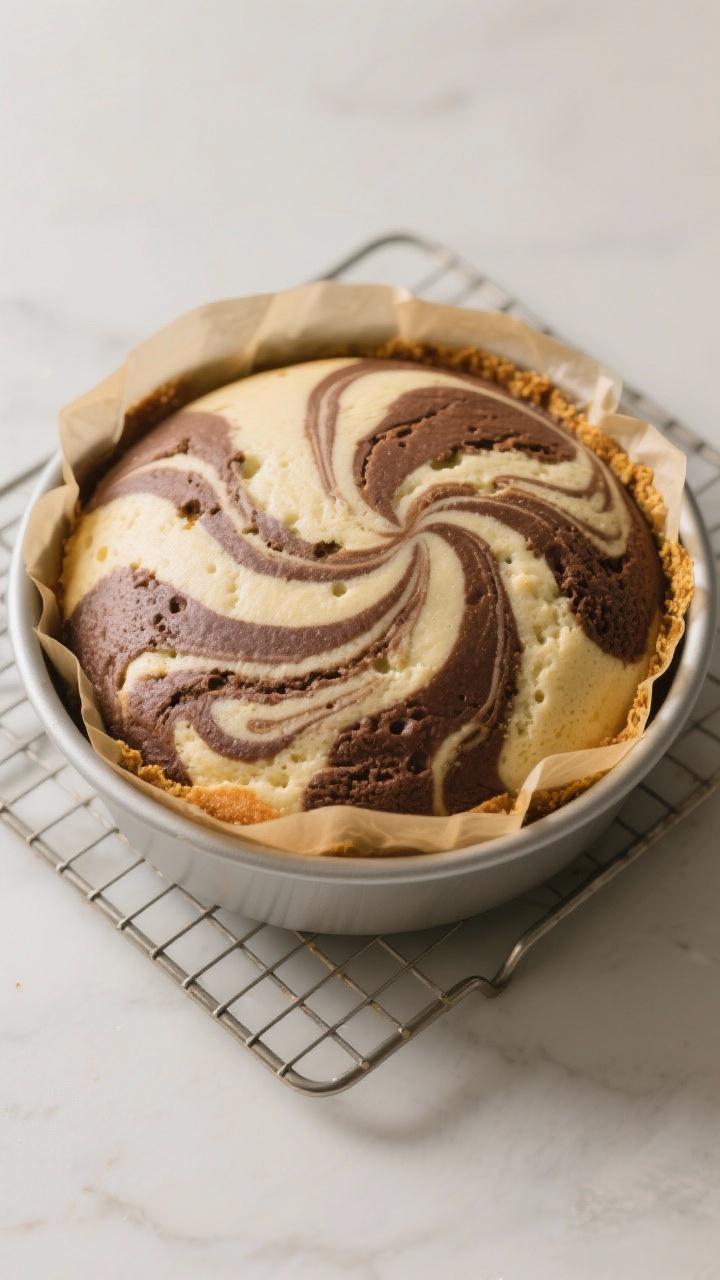
- Preheat and prep the pan:Heat your oven to 350°F (175°C). Grease an 8-inch round pan or a 9×5-inch loaf pan, then line the bottom with parchment for easy removal.
- Measure accurately:Spoon flour into a measuring cup and level it off.Don’t pack it down. This helps prevent a dense cake.
- Combine dry ingredients:In a large bowl, whisk flour, baking powder, and salt. Set aside.
- Cream the butter and sugar:In another bowl, beat softened butter with sugar for 2–3 minutes until light and fluffy.This traps air and helps your cake rise.
- Add eggs and vanilla:Beat in the eggs one at a time, mixing well after each. Stir in the vanilla. If the mixture looks slightly curdled, don’t worry; it will smooth out once you add the dry ingredients.
- Alternate dry and wet:Add one-third of the dry mixture, then half the milk, another third of dry, the remaining milk, and finish with the dry.Mix on low just until combined. Don’t overmix.
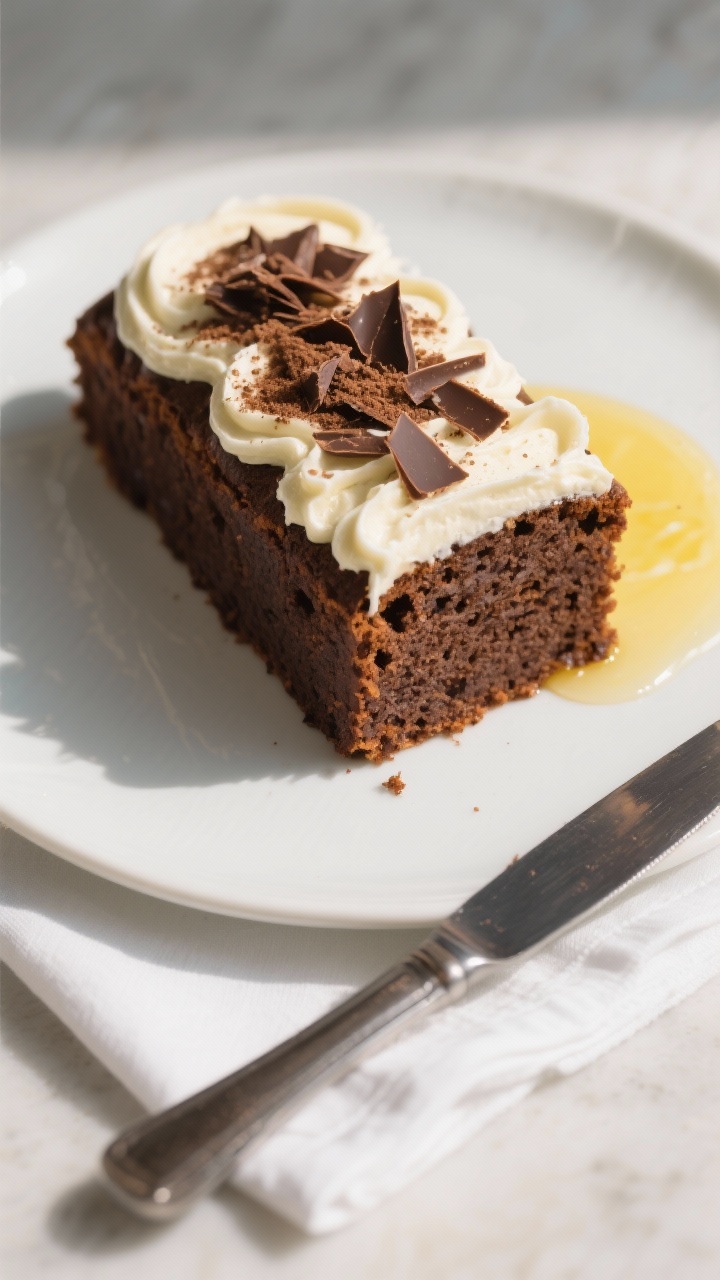
- For chocolate cake (optional):Whisk cocoa into the dry ingredients and reduce flour by 1/4 cup. Continue with the Easy Soft Cake Recipes as directed.
- Pan and smooth:Pour batter into the prepared pan.Smooth the top with a spatula. Tap the pan gently on the counter to pop air bubbles.
- Bake:Bake 28–35 minutes for round pan or 40–50 minutes for loaf pan. It’s done when a toothpick comes out with a few moist crumbs, not wet batter.
- Cool:Let the cake cool in the pan for 10 minutes, then transfer to a wire rack to cool completely.This prevents a soggy bottom.
- Optional quick frosting:Beat 1/4 cup softened butter with 1 1/2 cups powdered sugar, 1 teaspoon vanilla, and 1–2 tablespoons milk until smooth. Spread on cooled cake.
How to Store
- Room temperature: Store unfrosted or simply frosted cake in an airtight container for 2–3 days.
- Refrigerator: For cream cheese or heavy dairy frostings, keep refrigerated up to 5 days. Bring to room temp before serving.
- Freezer: Wrap cooled, unfrosted cake tightly in plastic and foil.Freeze up to 2 months. Thaw overnight in the fridge, then bring to room temp.
- Slice first: For easy snacking, freeze individual slices wrapped in plastic, then place in a zip-top bag.
Health Benefits
This cake is a treat, but there are ways to make it a little lighter without losing the joy. Using milk adds a bit of protein and calcium.
Eggs provide protein and essential nutrients like choline. If you want a slightly better-for-you approach, you can adjust ingredients thoughtfully.
- Swap part of the flour: Replace up to 1/3 of the flour with whole wheat pastry flour for more fiber and a tender crumb.
- Reduce sugar slightly: Cut sugar by 2–3 tablespoons without major texture changes.
- Use yogurt: Replace 1/4 cup of the butter with plain Greek yogurt for moisture and protein.
- Add fruit: Fold in fresh berries or sliced bananas for flavor and natural sweetness.
What Not to Do
- Don’t guess measurements: Too much flour leads to a dense, dry cake.
- Don’t skip room-temperature ingredients: Cold butter and eggs can cause a lumpy batter and uneven baking.
- Don’t overmix: Once the flour is in, mix just until combined to avoid a tough texture.
- Don’t open the oven early: Opening the door in the first 20 minutes can make the cake sink.
- Don’t frost a warm cake: The frosting will melt and slide off. Cool completely first.
Recipe Variations
- Lemon Cake: Add 1 tablespoon lemon zest and replace 2 tablespoons of milk with fresh lemon juice.Top with a simple lemon glaze.
- Marble Cake: Remove 1 cup of batter and stir in 1 tablespoon cocoa powder. Spoon both batters into the pan and swirl with a knife.
- Funfetti: Fold 1/3 cup rainbow sprinkles into the batter. Use jimmies, not nonpareils, to avoid color bleed.
- Chocolate Chip: Toss 1/2 cup mini chocolate chips with 1 teaspoon flour and fold into the batter to prevent sinking.
- Spice Cake: Add 1 teaspoon cinnamon and 1/4 teaspoon nutmeg to the dry ingredients.Great with cream cheese frosting.
- Dairy-Free: Use dairy-free butter and plant milk. Choose a neutral plant milk like oat or almond.
- Cupcakes: Divide batter into a lined 12-cup muffin tin and bake 18–22 minutes.
FAQ
Can I use oil instead of butter?
Yes. Use 1/2 cup neutral oil, like canola or vegetable.
The cake will be extra moist, but you’ll lose some of the buttery flavor. Add an extra 1/2 teaspoon vanilla to boost taste.
Why did my cake sink in the middle?
Common reasons are underbaking, opening the oven too early, expired baking powder, or overmixing. Check your baking powder date, avoid peeking for the first 20 minutes, and bake until the center springs back lightly.
How do I know it’s done without a toothpick?
Gently press the center with a fingertip.
If it springs back and the top looks set, it’s done. You can also use a thin knife or a skewer if you don’t have a toothpick.
Can I make it gluten-free?
Use a 1:1 gluten-free baking flour that includes xanthan gum. The texture will be slightly different but still tender.
Avoid overmixing, and let the batter rest 10 minutes before baking.
What size pan should I use?
An 8-inch round, 9×5-inch loaf pan, or 12-cup muffin tin works well. If using a 9-inch round pan, start checking 5 minutes earlier since the batter is more spread out.
Do I need a mixer?
No. A whisk and a sturdy spatula work fine.
Just make sure your butter is soft and you whisk well to combine until smooth.
How sweet is this cake?
It’s moderately sweet, designed to pair well with frosting or a dusting of powdered sugar. If you prefer less sweet, reduce the sugar by 2–3 tablespoons.
Can I add fruit on top before baking?
Yes, but use small pieces and don’t overload the batter. Press a few berries or thin apple slices gently into the top so the cake still rises evenly.
Wrapping Up
Baking a great cake doesn’t have to be complicated.
With a few pantry ingredients, careful measuring, and simple technique, you’ll get a soft, flavorful cake you can customize in lots of ways. Start with the classic vanilla, try the chocolate variation, and then have fun with sprinkles, citrus, or spices. Once you master this basic recipe, you’ll have a reliable dessert ready for birthdays, potlucks, or any cozy afternoon at home.