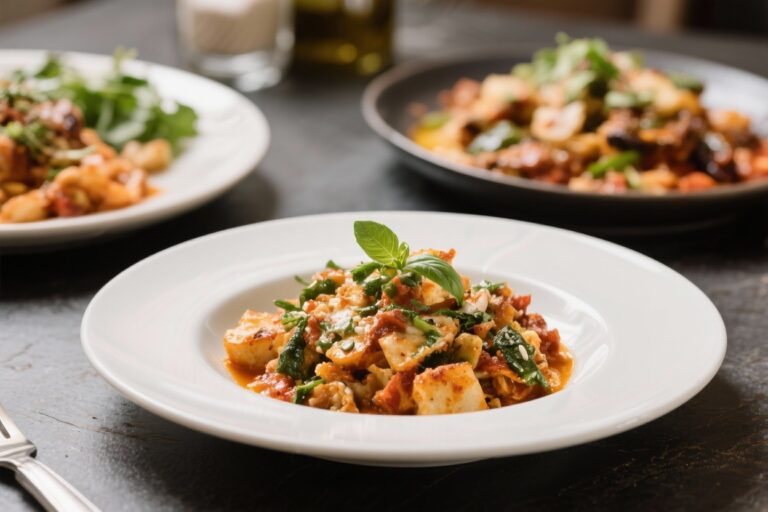
Cheese Kottu: The Ultimate Sri Lankan Street Food Recipe Guide

Cheese Kottu: The Ultimate Sri Lankan Street Food Recipe Guide
A cheesy twist on the classic Sri Lankan street food, this cheese kottu combines shredded flatbread with vegetables, aromatic spices, and melted cheese for a comforting, flavorful meal.
Ingredients
- 4 large roti or paratha, shredded into bite-sized pieces
- 2 tablespoons vegetable oil
- 1 large onion, thinly sliced
- 2 cloves garlic, minced
- 1 teaspoon ginger, grated
- 1 large carrot, julienned
- 1 cup cabbage, shredded
- 1/2 cup green beans, thinly sliced
- 2 large jalapeños or 1 Anaheim pepper, halved and sliced (optional, for heat)
- 1/2 teaspoon cayenne pepper (optional, adjust to taste)
- 1 teaspoon curry powder
- 1/2 teaspoon turmeric
- 1/2 teaspoon salt, or to taste
- 1/2 cup cooked chicken, shredded (optional, for non-vegetarian version)
- 2 large eggs, lightly beaten
- 1 cup grated mozzarella or cheddar cheese
- Fresh cilantro, chopped, for garnish
- Lime wedges, for serving
Instructions
- Heat vegetable oil in a large wok or nonstick pan over medium-high heat. Add onion, garlic, and ginger; sauté until onion is translucent, about 3 minutes.
- Add carrot, cabbage, green beans, and sliced peppers (if using). Stir-fry for 4-5 minutes until vegetables are tender-crisp.
- Sprinkle cayenne pepper (if using), curry powder, turmeric, and salt over the vegetables. Stir well to coat.
- If using chicken, add shredded chicken and cook for 2 minutes, stirring occasionally.
- Push the vegetable mixture to one side of the pan. Pour beaten eggs into the empty space and scramble until just set, then mix into the vegetables.
- Add the shredded roti pieces to the pan. Using two spatulas or spoons, chop and toss the roti with the vegetable-egg mixture, mimicking the traditional kottu chopping motion, for about 3-4 minutes until everything is well combined and heated through.
- Sprinkle grated cheese evenly over the kottu. Cover the pan for 1-2 minutes until cheese melts.
- Remove from heat. Garnish with fresh cilantro and serve immediately with lime wedges.
- For a vegetarian version, omit the chicken and add extra vegetables like bell peppers or mushrooms.
- If you prefer a milder kottu, leave out the cayenne pepper and use fewer or no hot peppers.
- Leftover roti or paratha work perfectly; you can also use store-bought frozen paratha, thawed and shredded.
- To make it extra cheesy, stir in an additional 1/4 cup of cheese just before serving.
Cheese kottu is a modern twist on the classic Sri Lankan street food, kottu roti. This dish combines chopped flatbread with vegetables, meat, and a generous amount of cheese, creating a gooey, savory, and utterly satisfying meal. Whether you’re a fan of cheese chicken kottu or want to explore masala cheese kottu, this guide has you covered.
Originating from the bustling streets of Sri Lanka, kottu roti has evolved into countless variations, and cheese kottu has become a favorite among locals and tourists alike. The combination of crispy roti, aromatic spices, and melted cheese is irresistible. In this comprehensive guide, we’ll walk you through everything you need to know to make authentic cheese kottu at home, from essential ingredients to expert tips.
What is Cheese Kottu?
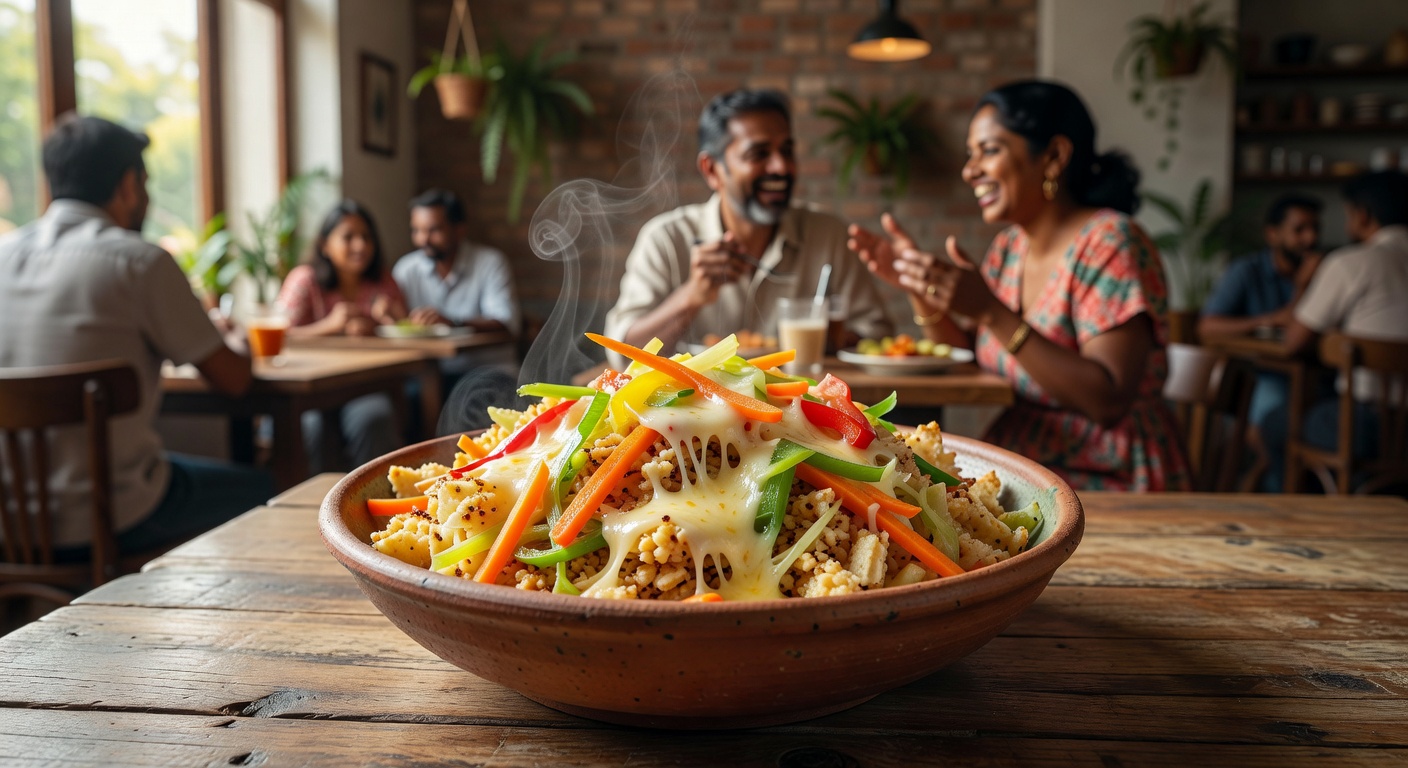
Cheese Kottu is a modern, indulgent variation of the classic Sri Lankan street food, kottu roti. At its core, traditional kottu roti is a stir-fry of shredded flatbread (roti) mixed with vegetables, eggs, and a choice of meat or fish, all chopped and mashed together on a hot griddle with metal blades. Cheese Kottu takes this beloved foundation and elevates it by adding generous amounts of melted cheese, creating a rich, creamy, and satisfying dish that has quickly become a favorite in Sri Lanka’s vibrant street food scene. The cheese not only adds a new texture but also mellows the spices, making it an approachable entry point for those new to Sri Lankan cuisine.
The origins of Cheese Kottu are rooted in the creative experimentation of street food vendors, particularly in Colombo. As kottu roti grew in popularity, chefs began to innovate, leading to variations like the cheese chicken kottu, where tender chicken pieces are combined with the cheese and roti, and the masala cheese kottu, which incorporates a robust blend of spices for a more aromatic kick. These variations are now staples at dedicated spots like a cheese kottu house, where the dish is often customized with extra cheese, spice levels, and additional toppings. The cheese itself is typically a local processed variety that melts smoothly, binding the ingredients together into a cohesive, gooey delight.
What sets Cheese Kottu apart is its dual appeal as both a hearty meal and a comfort food. Unlike the traditional version, which can be quite fiery, the cheese acts as a cooling agent, making it popular among families and those with milder palates. A typical cheese koththu recipe involves stir-frying shredded roti with onions, curry leaves, and spices, then adding cooked chicken or vegetables, and finally folding in shredded cheese until it melts and strings through the mix. The process is performed on a large flat grill, with the rhythmic clang of metal blades chopping the ingredients—a signature sound of Sri Lankan street food culture.
The popularity of Cheese Kottu has surged in recent years, driven by social media and the rise of food trucks and dedicated eateries. In cities like Colombo and Kandy, you’ll find cheese kottu house establishments that offer a menu of variations, from the classic cheese chicken kottu to the more adventurous masala cheese kottu, which adds a layer of cumin, coriander, and chili. This dish is not just a meal; it’s an experience, often served with a side of spicy curry sauce or a tangy sambol. For locals, it’s a late-night favorite, while tourists seek it out as a must-try street food, drawn by its photogenic cheese pulls and bold flavors.
In the broader context of Sri Lankan street food, Cheese Kottu represents a fusion of tradition and innovation. While purists may prefer the original, the cheese version has carved out its own niche, proving that even a classic can be reinvented. Whether you’re enjoying it from a bustling kottu stand or trying a homemade cheese koththu recipe, the dish encapsulates the creativity and warmth of Sri Lankan cuisine. Its growing presence on menus worldwide—from London to Sydney—underscores its universal appeal, making it a delicious ambassador for the island’s rich culinary heritage.
Key Ingredients for the Perfect Cheese Kottu
The foundation of any great cheese kottu is the roti, traditionally either paratha or godhamba roti. Paratha is a flaky, layered flatbread that crisps up beautifully when chopped and stir-fried, while godhamba roti is a thinner, more pliable version that absorbs the spices and sauces exceptionally well. For the best texture, use day-old or slightly stale roti, as fresh bread can become too soft and mushy during the cooking process. You’ll typically need about two to three rotis per serving, cut into thin strips or small squares to ensure even mixing and a satisfying chew in every bite.
Cheese is the star ingredient that transforms a classic kottu into a rich, indulgent dish. Mozzarella is the top choice for its excellent melting properties and mild flavor, creating those iconic, gooey cheese pulls that make cheese chicken kottu so irresistible. Cheddar can be used for a sharper, more pronounced taste, or a blend of both for complexity. For a truly decadent experience, some cheese kottu houses add a generous handful of shredded mozzarella right at the end, allowing it to melt into the hot roti and vegetables without becoming stringy or tough. The cheese should be added off the heat or with the flame turned very low to prevent it from separating into an oily mess.
Vegetables are not just fillers; they provide essential crunch, moisture, and sweetness that balance the spicy, savory elements. The classic trio is finely shredded cabbage, carrots, and leeks (or spring onions). Cabbage adds a mild sweetness and a slight crunch, carrots contribute color and a hint of earthiness, and leeks offer a gentle onion-like flavor that deepens as they cook. For a masala cheese kottu, you might also see the addition of sliced green bell peppers or even a few fresh curry leaves for an aromatic lift. The vegetables should be stir-fried until just tender—crisp-tender is the goal, as they will continue to cook slightly when mixed with the roti.
The protein component is where you can customize your cheese kottu to your preference. Chicken is the most popular choice, often pre-cooked and shredded or diced, making it perfect for using up leftovers from a roast or curry. Beef kottu is also common, typically using thinly sliced, tenderized beef that’s been marinated in spices. For a vegetarian version, you can simply double the vegetables or add paneer, tofu, or even boiled eggs. The key is to have the protein already cooked and seasoned, as the final stir-fry is more about combining and heating everything together than cooking raw meat. This is why a cheese koththu recipe is such a brilliant way to repurpose leftover curry or rotisserie chicken.
Finally, the spice blend is what gives cheese kottu its distinctive Sri Lankan character. A base of curry powder (preferably a Sri Lankan roasted curry powder for depth), a pinch of turmeric for color, and a generous sprinkle of chili flakes or cayenne pepper for heat are essential. Many recipes also include a splash of soy sauce or a sprinkle of MSG for umami, and a bit of salt to taste. The spices are bloomed in hot oil with onions and garlic before adding the vegetables and roti, ensuring they release their full flavor. For a masala cheese kottu, you might add a teaspoon of garam masala or a special kottu masala blend, which often includes fennel, cumin, and coriander for a more complex, aromatic profile. The final dish should be fragrant, slightly spicy, and deeply savory, with the melted cheese tying every element together into one glorious, messy, and utterly satisfying plate.
Types of Cheese Kottu: From Classic to Masala
The most iconic variation is undoubtedly the cheese chicken kottu, a dish that perfectly balances the savory, spiced elements of traditional kottu with the rich, creamy melt of cheese. In this version, the classic base of shredded godhamba roti, chicken, and vegetables like leeks and carrots is stir-fried with a robust blend of spices, including curry leaves, turmeric, and chili powder. What sets it apart is the final step: a generous layer of mozzarella or cheddar cheese is added, allowing it to melt into the hot, chopped roti mixture. The result is a dish where every bite offers the familiar, comforting crunch of the kottu, now intertwined with gooey, stretchy cheese that tempers the heat and adds a luxurious texture. Many street food vendors and restaurants, often found at a bustling cheese kottu house, have perfected this technique, ensuring the cheese is evenly distributed without overpowering the core flavors of the chicken and spices.
For those seeking a more intense and aromatic experience, the masala cheese kottu is the go-to choice. This variation elevates the spice profile by incorporating a heavier hand with garam masala, cumin, and coriander, along with fresh aromatics like ginger, garlic, and green chilies. The “masala” element is not just about heat but about building a complex, fragrant base that clings to every piece of roti and vegetable. The cheese in this version acts as a cooling counterpoint to the bold spices, creating a dynamic contrast that is deeply satisfying. A well-executed masala cheese kottu will have a distinct, almost curry-like aroma, with the cheese providing a subtle sweetness that rounds out the dish. It is a favorite for those who appreciate a layered, punchy flavor profile and is a testament to how a simple addition of extra spices can transform a classic.
Vegetarians are far from left out, as the vegetarian cheese kottu is a vibrant and hearty option that stands proudly on its own. This version replaces chicken with a medley of vegetables, often including cabbage, carrots, beans, and sometimes paneer or tofu for added protein. The key to a great vegetarian cheese kottu lies in the preparation of the vegetables; they must be stir-fried until just tender, retaining a slight crunch that contrasts with the soft roti and melted cheese. The spices are adjusted to complement the vegetables, often featuring a lighter hand with chili and a greater emphasis on mustard seeds, curry leaves, and a touch of coconut milk for richness. This variation proves that the dish is not solely defined by its meat, but by the technique of chopping and mixing the roti with the flavorful, cheesy vegetable mixture. It is a popular choice for those following a meat-free diet and is a staple on many restaurant menus, showcasing the versatility of the cheese koththu recipe.
Regardless of the variation, the fundamental technique remains the same: the rhythmic chopping of the roti and ingredients on a hot griddle, which is both a cooking method and a performance. A good cheese kottu, whether chicken, masala, or vegetarian, should have a slightly crispy exterior from the pan-fried roti pieces, while the inside remains soft and infused with the flavors of the spices and melted cheese. The choice of cheese can also vary; while mozzarella is common for its melt, some versions use cheddar for a sharper taste or a mix of both. Ultimately, the beauty of this dish lies in its adaptability, allowing each cook or cheese kottu house to put their own spin on the classic, ensuring there is a perfect version for every palate.
Step-by-Step Cheese Kottu Recipe
Start by preparing your ingredients. For this cheese kottu recipe, you’ll need about 2 cups of shredded roti or paratha, 1 cup of cooked chicken (shredded or diced), 1 cup of mixed vegetables like cabbage, carrots, and leeks, 2 eggs, 1 cup of grated mozzarella or cheddar cheese, and 2 tablespoons of vegetable oil. The spice mix is key: combine 1 teaspoon of curry powder, ½ teaspoon of chili powder, ½ teaspoon of turmeric, and salt to taste. For a masala cheese kottu, add ½ teaspoon of garam masala. Prep time is about 15 minutes, and cooking takes 20 minutes, making this a quick weeknight dinner.
Heat the oil in a large wok or nonstick pan over medium-high heat. Add 1 chopped onion, 2 minced garlic cloves, and a 1-inch piece of grated ginger, sautéing until fragrant. Toss in the mixed vegetables and cook for 3-4 minutes until slightly softened. Push the vegetables to one side of the pan, crack the eggs into the empty space, and scramble them until set. Then, mix everything together. Add the cooked chicken and the spice blend, stirring for 2 minutes to coat evenly. This step builds the savory base that makes cheese chicken kottu so addictive.
Now, add the shredded roti or paratha to the pan. Use a spatula or two metal spoons to chop and toss the bread with the chicken and vegetables, mimicking the traditional kottu technique. Continue for 3-4 minutes until the roti is well incorporated and slightly crispy. The key to perfect texture is to keep the heat high and work quickly, breaking the roti into small, even pieces. If the mixture seems dry, sprinkle a tablespoon of water to create steam, which helps soften the bread without making it soggy.
Lower the heat to medium and sprinkle the grated cheese over the kottu. Stir gently until the cheese melts and strings through the dish. For a cheese kottu house-style finish, add an extra handful of cheese on top and cover the pan for 1 minute to create a gooey, melted layer. Serve immediately, garnished with fresh cilantro and a wedge of lime. This cheese koththu recipe is best enjoyed hot, with the cheese pulling into long strands as you eat.
For the best results, use day-old roti or paratha, as fresh bread can become too soft. If you prefer a spicier kick, add sliced jalapeños or a pinch of cayenne with the vegetables. Leftover chicken or vegetables work perfectly, making this a versatile dish. Adjust the cheese amount to your liking—more cheese creates a richer, indulgent cheese kottu, while less keeps it lighter. With these tips, you’ll replicate the authentic street food experience at home, complete with the satisfying crunch and creamy cheese pull.
Common Mistakes to Avoid When Making Cheese Kottu
One of the most common pitfalls when making cheese kottu is using too much cheese. While it’s tempting to pile on the cheese for extra flavor, an excessive amount can make the dish greasy and heavy, overwhelming the delicate balance of spices and vegetables. A good rule of thumb is to use about half a cup of grated cheese per serving, which adds a creamy texture without turning the kottu into an oily mess. For a cheese chicken kottu, this amount complements the chicken and roti without masking the aromatic spices. If you’re following a cheese koththu recipe, remember that the cheese should enhance, not dominate, the dish.
Another frequent mistake is overcooking the roti, which leads to a soggy, unappealing texture. The roti pieces should be chopped and stir-fried just until they’re slightly crispy on the edges, absorbing the flavors of the sauce without becoming waterlogged. Overcooking causes the roti to break down into a mushy paste, ruining the signature chewiness of kottu. To avoid this, cook the roti on high heat for no more than 2-3 minutes after adding it to the pan, and ensure your vegetables and chicken are already cooked before mixing. This technique is especially important at a cheese kottu house, where texture is key to the dining experience.
Not chopping ingredients finely enough is another common error that affects both flavor and presentation. In traditional kottu, the roti, vegetables, and protein are chopped into small, uniform pieces using two metal spatulas, allowing every bite to include a mix of textures. If the pieces are too large, the dish becomes awkward to eat and the flavors don’t meld properly. For a masala cheese kottu, finely chopping the onions, peppers, and curry leaves ensures the masala spices distribute evenly, creating a cohesive, aromatic dish. Take the time to dice everything into 1/2-inch pieces for the best results.
Skipping the tempering step is a critical oversight that many home cooks make. Tempering, or “tadka,” involves frying mustard seeds, curry leaves, and dried chilies in hot oil at the beginning of the recipe. This step releases essential oils and deepens the flavor profile, giving the kottu its characteristic warmth and complexity. Without it, the dish can taste flat and one-dimensional, even if you use high-quality cheese and roti. In a cheese chicken kottu, the tempered spices provide a fragrant base that ties the cheese and chicken together, so never rush or omit this step.
Finally, avoid using low-quality or pre-shredded cheese, which often contains anti-caking agents that prevent smooth melting. Opt for fresh mozzarella or a mild cheddar that you grate yourself, as this melts evenly and creates a luscious, stringy texture. When making a cheese koththu recipe at home, also be mindful of the heat level—cook on medium-high to prevent the cheese from burning before the roti is done. By steering clear of these common mistakes, you’ll achieve a perfectly balanced, restaurant-quality cheese kottu that rivals any cheese kottu house version.
Expert Tips for Restaurant-Quality Cheese Kottu
The secret to restaurant-quality cheese kottu begins with the roti. Professional chefs insist on using day-old roti, as fresh roti tends to be too soft and will turn mushy during the chopping and stir-frying process. Day-old roti has had time to dry out slightly, giving it a firmer, chewier texture that holds up beautifully against the heat and the heavy-handed chopping action of the kottu spatulas. If you only have fresh roti, you can spread the pieces on a baking sheet and leave them uncovered in the refrigerator for a few hours to achieve a similar effect. This simple step is the foundation for that perfect, slightly crispy yet tender bite that defines a great cheese chicken kottu.
When it comes to the cheese itself, timing is everything. Add your cheese too early, and you will end up with a burnt, greasy mess that clings to the pan and ruins the dish. The golden rule is to add the cheese at the very last minute, just before you finish the final toss. For a classic masala cheese kottu, sprinkle your shredded mozzarella or a melting cheese like cheddar over the hot, chopped roti and vegetables, then immediately remove the pan from the heat. The residual heat will gently melt the cheese into creamy, stretchy strands without scorching it. This technique ensures you get that glorious cheese pull with every bite, a hallmark of any top-tier cheese kottu house.
The choice of cookware is another critical factor that separates home cooks from pros. A heavy-bottomed pan or a traditional wok is non-negotiable for achieving even heat distribution. A thin, flimsy pan will create hot spots that burn the roti and spices before the rest of the dish is cooked. A heavy wok, on the other hand, retains heat consistently, allowing you to develop deep, complex flavors from the curry sauce and spices. This is especially important when making a cheese koththu recipe that includes chicken, as the even heat ensures the chicken is perfectly reheated and the spices are fully bloomed without any scorching.
Balancing the robust spices is the final pro tip for a truly memorable dish. Sri Lankan kottu is known for its bold flavors, but the addition of cheese can sometimes make it feel heavy. The solution is a splash of coconut milk. Adding a few tablespoons of full-fat coconut milk towards the end of cooking not only tempers the heat from the chili and curry powder but also creates a luscious, creamy sauce that binds the cheese, roti, and vegetables together. This is a classic trick used in many cheese chicken kottu recipes to achieve a silky, cohesive dish that is rich but not overwhelming. The coconut milk also helps the cheese melt more evenly, preventing it from clumping.
Finally, don’t be afraid to customize your cheese kottu with leftover proteins and vegetables. This is a dish that thrives on improvisation. Shredded leftover roast chicken, sautéed mushrooms, or even bell peppers from the week can be thrown into the wok. The key is to chop everything into small, uniform pieces so they integrate seamlessly with the roti. For a truly authentic experience, use two metal spatulas to chop and toss the mixture, mimicking the rhythmic clang of a street-side kottu stand. This action not only mixes the ingredients but also helps break down the roti into the perfect bite-sized pieces, ensuring every forkful is packed with flavor, cheese, and texture.
Cheese Kottu vs. Traditional Kottu Roti: What’s the Difference?
At first glance, cheese kottu and traditional chicken kottu roti might look like close cousins, but they offer distinctly different experiences. The classic chicken kottu is a staple of Sri Lankan street food, built around shredded godhamba roti stir-fried with chicken, vegetables like leeks and carrots, and a powerful blend of spices including curry leaves, turmeric, and chili powder. The star is the rhythmic chopping sound as the cook minces everything together on a flat grill, creating a dish that is savory, spicy, and deeply aromatic. In contrast, cheese kottu introduces a creamy, indulgent layer that softens the edges of the traditional recipe, making it a modern twist that has gained a loyal following at many a cheese kottu house.
The most obvious difference lies in the ingredients and how they interact. In a standard chicken kottu, the roti pieces remain slightly chewy, absorbing the gravy and oil from the stir-fry while maintaining their structure. The flavor profile is bold and unapologetically spicy, with heat from green chilies or cayenne pepper balanced by the earthiness of roasted curry powder. A cheese chicken kottu, however, adds shredded or cubed cheese—typically mozzarella or a mild cheddar—during the final minutes of cooking. This cheese melts into the roti and chicken, creating a gooey, stringy texture that contrasts with the crisp edges of the fried bread. The result is a dish that feels richer and more comforting, with the cheese acting as a buffer against the spice, making it more approachable for those who prefer a milder heat.
Texture is where these two versions truly diverge. Traditional kottu is all about the satisfying chew of the roti and the slight crunch from sautéed vegetables, with each bite offering a mix of soft and firm elements. The process of chopping and mashing on the grill ensures that the flavors meld together without losing individual character. Cheese kottu, on the other hand, transforms the texture entirely. As the cheese melts, it coats every piece of roti and chicken, creating a cohesive, almost casserole-like consistency. When you pull apart a forkful, you get long, stretchy strands of cheese that bind the ingredients together. This makes for a more decadent eating experience, especially when paired with a side of spicy curry sauce or a tangy pickle, as is common in many cheese koththu recipes.
The flavor evolution is equally significant. While traditional chicken kottu relies on the heat of chilies and the depth of roasted spices, cheese kottu introduces a savory, milky note that complements the masala elements. A popular variation, masala cheese kottu, takes this further by incorporating extra garam masala or a spice blend that echoes Indian cuisine, creating a fusion that bridges Sri Lankan street food with global comfort food. The cheese doesn’t overpower the dish; instead, it mellows the sharpness of the curry, allowing the subtle sweetness of caramelized onions and the umami of the chicken to shine through. For those who find classic kottu too fiery, the cheese version offers a gentler entry point without sacrificing the dish’s soul.
Ultimately, choosing between the two comes down to mood and occasion. Traditional chicken kottu roti is the go-to for an authentic, punchy street food fix—perfect for a late-night craving or a hangover cure, as many Sri Lankans swear by. Cheese kottu, meanwhile, feels more like a special treat, ideal for when you want something indulgent and satisfying. Whether you’re visiting a cheese kottu house or trying a cheese koththu recipe at home, the addition of cheese transforms the dish from a humble stir-fry into a creamy, hearty meal that stands on its own. Both have their place, but the cheese version proves that even a beloved classic can be reinvented with a simple, melty twist.

Where to Find the Best Cheese Kottu (Cheese Kottu House)
For the ultimate cheese kottu experience, Colombo’s bustling streets are your best starting point. Head to the iconic “Cheese Kottu House” in Bambalapitiya, a legendary spot known for its generous layers of melted cheese over perfectly chopped roti. Their signature cheese chicken kottu is a crowd-pleaser, combining tender chicken, fresh vegetables, and a rich, spicy gravy that’s then blanketed with a thick layer of mozzarella or cheddar. If you’re in Kandy, look for the popular kottu stalls near the Temple of the Tooth; many offer a masala cheese kottu, where the cheese is mixed directly into the roti during the chopping process, creating a gooey, flavorful blend. For a truly local experience, visit a “koththu kade” (street kottu stall) after 8 PM, when the clatter of metal blades signals the start of the evening’s best street food.
When ordering, don’t hesitate to customize. Most stalls and houses are happy to adjust the spice level, from a mild “no chilli” version to a fiery “extra spicy” that will clear your sinuses. For cheese lovers, the golden rule is to ask for “extra cheese” – this usually means an additional layer of grated cheese that’s melted on top just before serving. Some places even offer a “double cheese” option for a small surcharge. If you’re feeling adventurous, try a cheese chicken kottu with a side of spicy chicken curry for dipping; the combination of creamy cheese and bold curry is a match made in heaven. For a vegetarian twist, many stalls also prepare a cheese kottu with paneer or extra vegetables, though the classic chicken version remains the most popular.
For those who want to recreate the magic at home, a cheese koththu recipe is surprisingly simple. Start with leftover roti or paratha, chop it into small pieces, and stir-fry with onions, curry leaves, and your choice of protein. The key is to use a generous amount of cheese – a mix of mozzarella for stretch and cheddar for flavor works best. Add the cheese at the very end, letting it melt into the hot roti before serving. Many home cooks also incorporate a dash of cayenne pepper or chili flakes for that authentic Sri Lankan kick. The beauty of this dish is its flexibility; you can throw in leftover chicken, vegetables, or even seafood from the week, making it a fun and creative weeknight dinner.
Finally, a pro tip for ordering: always ask for the kottu to be “well-chopped” (or “hoda daala” in Sinhala). This ensures the roti is finely minced, allowing the cheese and spices to coat every piece evenly. If you’re dining with friends, order a few different variations – a cheese chicken kottu, a masala cheese kottu, and perhaps a plain chicken kottu for comparison. The best cheese kottu houses often serve their creations on a banana leaf, which adds a subtle earthy aroma to the dish. Whether you’re a first-time visitor or a seasoned kottu connoisseur, these simple tips will elevate your experience and ensure you get the most out of Sri Lanka’s beloved street food.
Frequently Asked Questions About Cheese Kottu
Absolutely, you can use any cheese, but the best choice depends on the texture and flavor you want. A classic cheese kottu uses a mild, meltable cheese like mozzarella or cheddar for that gooey, stringy pull. For a more authentic Sri Lankan street-food twist, try a processed cheese like Gouda or a block of mild cheddar, as they melt smoothly without becoming oily. If you’re making a cheese chicken kottu, a sharp Parmesan can add a salty, umami kick, but mix it with a milder cheese to avoid overpowering the spices. Avoid hard, crumbly cheeses like feta or aged cheddar, as they won’t melt well and can make the dish grainy. For a masala cheese kottu, a spicy pepper jack or a smoked mozzarella can complement the curry flavors beautifully.
To make a vegan cheese kottu, swap the traditional roti for a vegan-friendly flatbread (check for eggs or butter) and use plant-based cheese that melts well, such as a cashew-based mozzarella or a store-bought vegan cheddar. Replace the chicken with firm tofu, tempeh, or a meaty mushroom like king oyster, and use a vegan curry powder or a blend of cumin, coriander, and turmeric. For the “egg” component, crumbled extra-firm tofu sautéed with black salt (kala namak) mimics the sulfurous flavor of eggs. A splash of coconut milk can add richness. Many cheese kottu house recipes rely on a base of sautéed onions, ginger, garlic, and green chilies—keep that foundation, and your vegan version will still have the signature bold, aromatic flavor.
Freezing leftovers is possible, but with a caveat. Cheese kottu is best enjoyed fresh because the roti can become soggy upon reheating. If you must freeze, let the kottu cool completely, then portion it into airtight containers. For best results, reheat in a hot, dry skillet or wok over medium-high heat, stirring constantly to revive the texture. Avoid microwaving, as it will make the roti mushy. The cheese may separate slightly, but a quick stir will reincorporate it. For a cheese koththu recipe with vegetables, the veggies may release water during freezing, so consider undercooking them slightly if you plan to freeze.
The best roti for cheese kottu is a fresh, soft, and slightly chewy flatbread. Traditional Sri Lankan “kottu roti” is a paratha-style bread, often called “godamba roti,” which is flaky and sturdy enough to hold up to chopping. In a pinch, you can use store-bought paratha, naan, or even flour tortillas, but avoid thin, brittle wraps like lavash. The key is to chop the roti into thin strips or small squares before stir-frying, so they absorb the sauce and cheese without turning to mush. For a cheese kottu house-style dish, slightly stale roti works best because it’s drier and won’t clump.
The spice level of cheese kottu is highly customizable. Traditional Sri Lankan kottu is known for its heat, often using green chilies, chili powder, or cayenne. A standard recipe might include ½ teaspoon of cayenne, which gives a moderate kick. For a milder version, leave out the cayenne and use milder peppers like Anaheim instead of jalapeños. A masala cheese kottu can be dialed up with extra chili flakes or a dash of hot curry powder. If you’re ordering from a cheese kottu house, you can usually request “less spicy” or “mild.” At home, start with a small amount of heat and adjust to taste—the cheese itself will help mellow the spice, making it more approachable for those who prefer a gentle warmth.
Conclusion
Cheese kottu is a testament to the beauty of culinary fusion, transforming a beloved street food classic into a rich, indulgent experience. Its true magic lies in its versatility—whether you crave the sharp bite of cheddar, the creamy melt of mozzarella, or a spicy kick from chili flakes, this dish adapts to your mood. The combination of soft roti, savory vegetables, and gooey cheese creates a satisfying harmony of textures and flavors that appeals to both adventurous eaters and comfort food lovers alike.
Now that you understand the simple steps and endless possibilities, it’s time to bring this vibrant dish to your own kitchen. Don’t be afraid to make it your own—swap in your favorite proteins, adjust the spice level, or try a blend of cheeses for a unique twist. The beauty of cheese kottu is that there are no wrong answers, only delicious discoveries.
So grab your chopping knife, heat up the griddle, and let your creativity flow. Your next unforgettable meal is just a sizzle away.