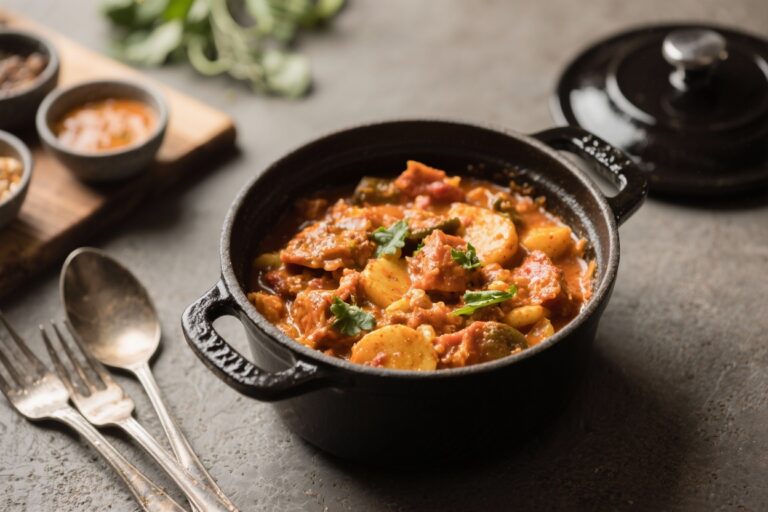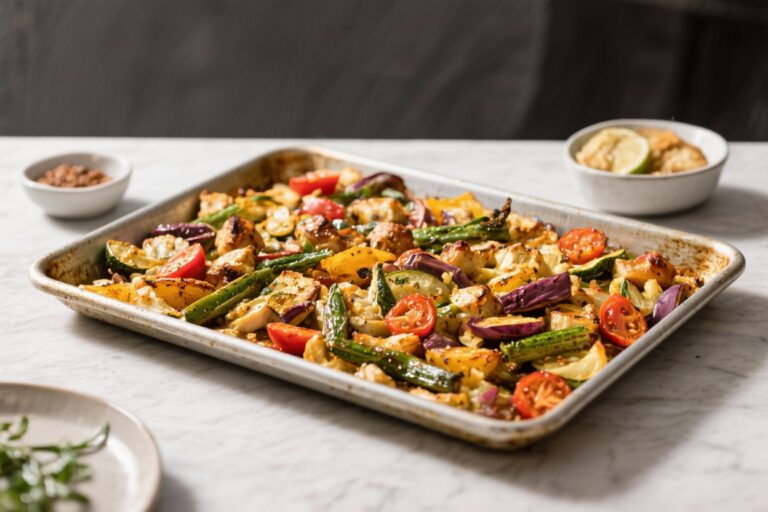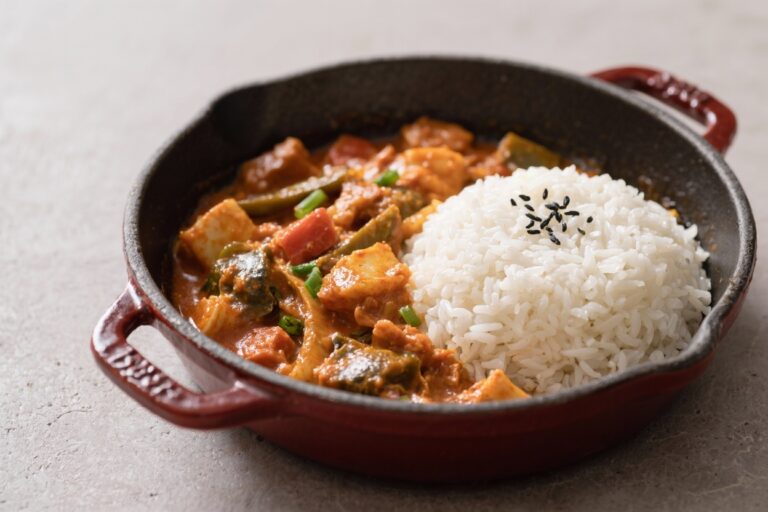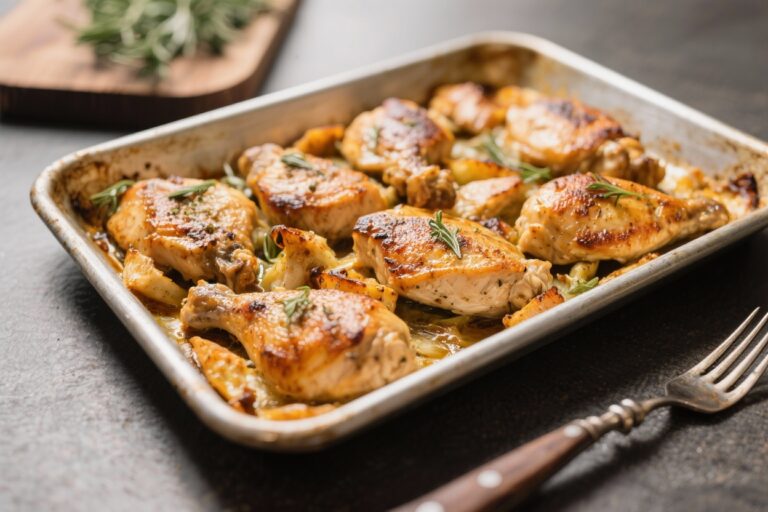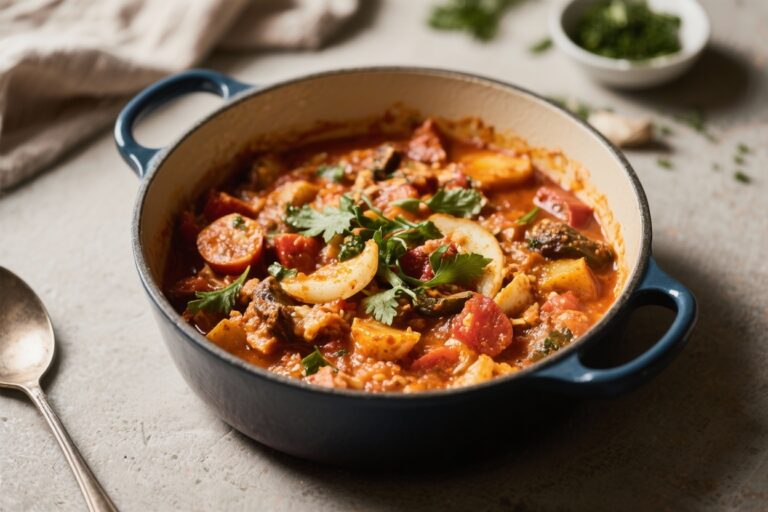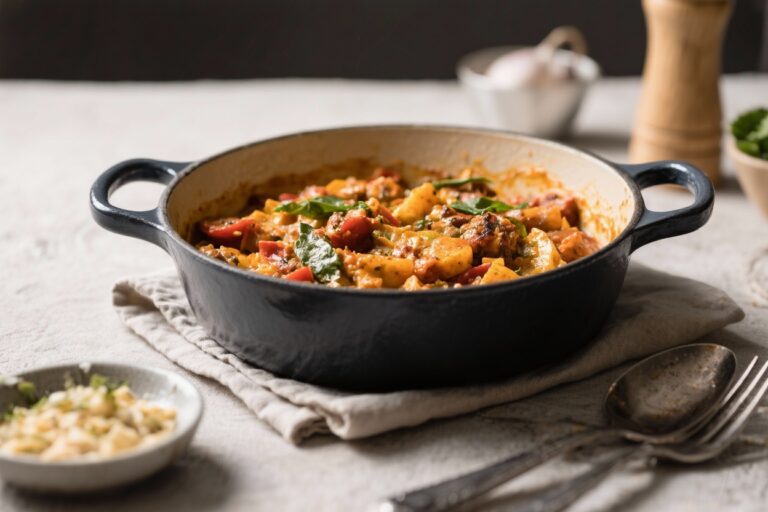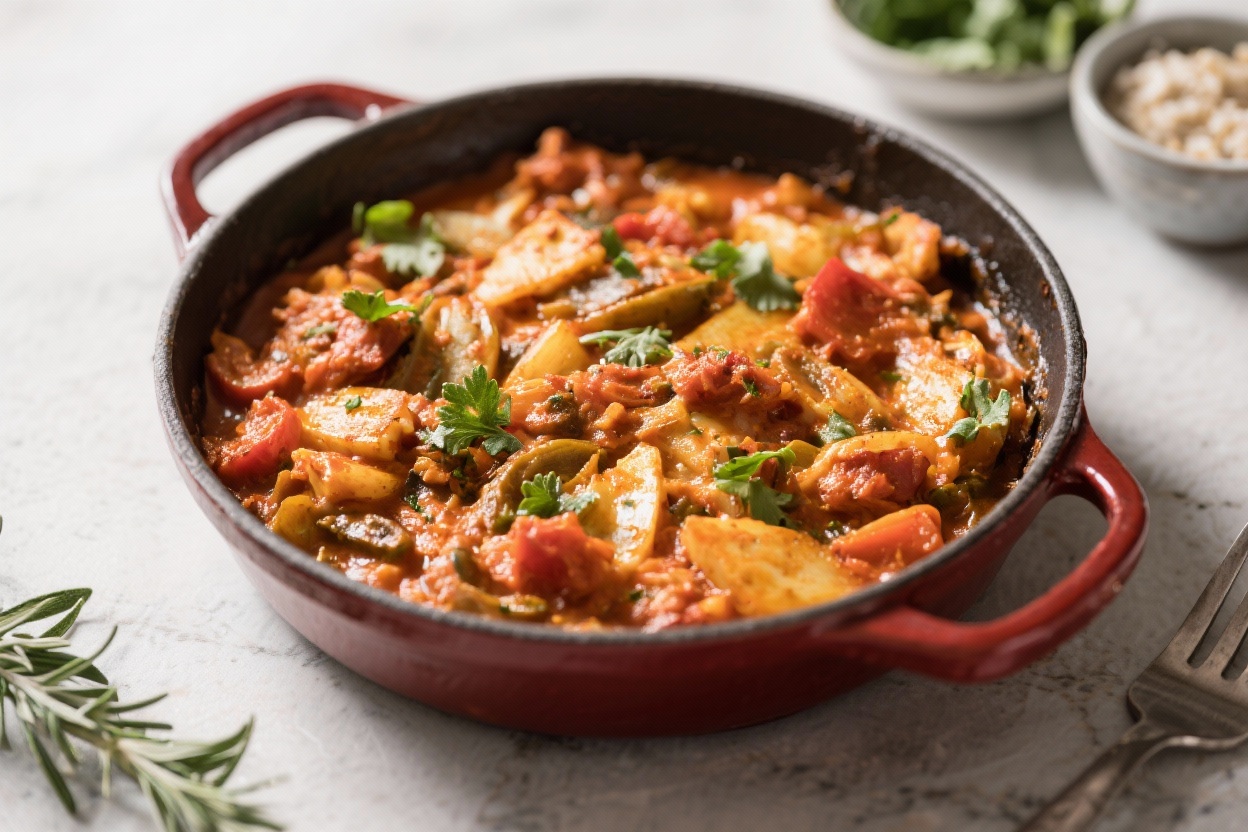
One Pot Meals for Busy Nights – Simple Comfort With Minimal Cleanup
Weeknights can be chaotic. Between work, errands, and everything else, the last thing you want is a sink full of dishes. That’s where one pot meals come in.
They’re fast, flavorful, and friendly to your schedule. This version delivers hearty comfort using pantry staples, fresh veggies, and flexible proteins—all in one pot, with almost no cleanup.
Why This Recipe Works
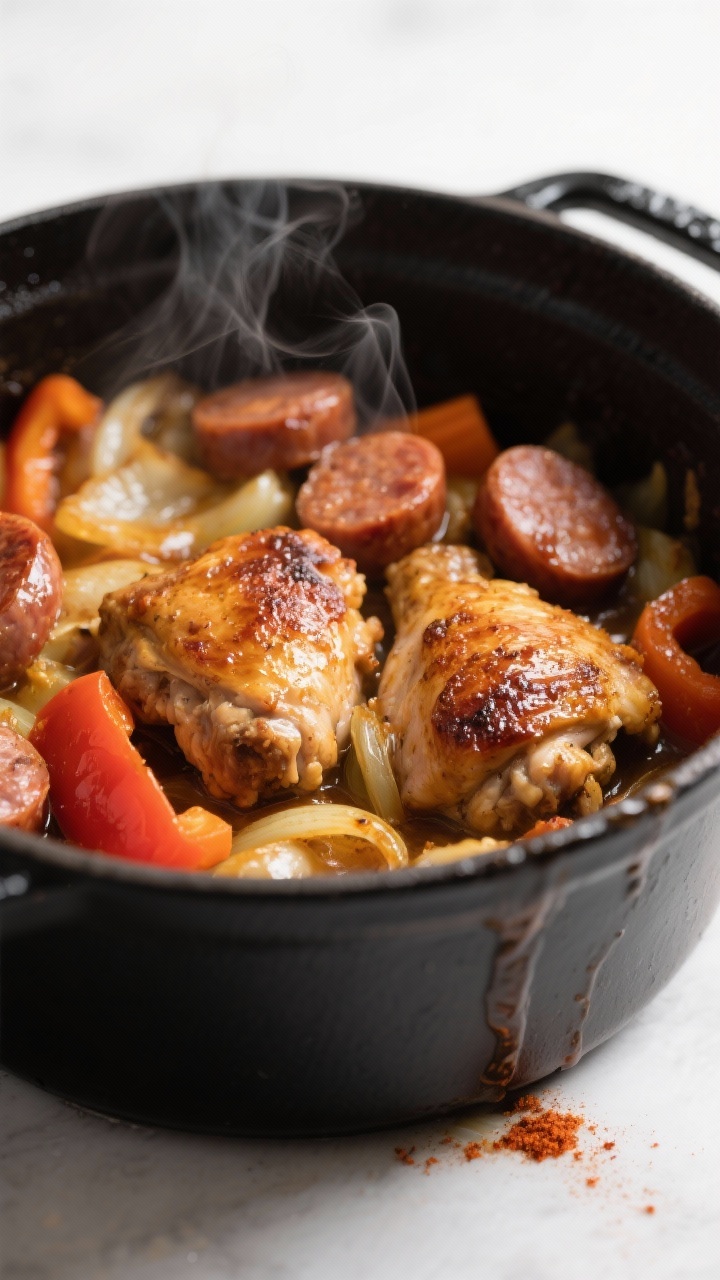
This one pot method builds flavor in layers, so you don’t need fancy techniques. Browning the protein first creates a savory base.
Simmering the rice or small pasta directly in the pot absorbs those flavors instead of diluting them. A short list of veggies adds color and texture, and finishing with herbs and a splash of acid wakes everything up. The result is a complete dinner in under 40 minutes, with very little effort.
Ingredients
- Protein: Chicken thighs (boneless, skinless), Italian sausage, ground turkey, or chickpeas (for a vegetarian option)
- Base starch: Long-grain white rice or small pasta (orzo, ditalini, macaroni)
- Aromatics: Yellow onion, garlic
- Vegetables: Bell pepper, carrots, baby spinach or kale, frozen peas
- Liquid: Low-sodium chicken or vegetable broth
- Tomato element (optional): Canned diced tomatoes or tomato paste
- Seasonings: Olive oil, salt, black pepper, smoked paprika, dried oregano or Italian seasoning, red pepper flakes (optional)
- Finishers: Fresh lemon, fresh parsley or basil
- Optional add-ins: Grated Parmesan, a pat of butter, or a splash of cream for richness
Instructions
- Prep quickly: Dice the onion and bell pepper, mince the garlic, and chop the carrots.Cube the chicken (if using). Rinse the rice until water runs mostly clear, or measure your small pasta.
- Brown the protein: Heat 1–2 tablespoons of olive oil in a large pot or Dutch oven over medium-high heat. Add chicken or sausage with a pinch of salt and pepper.Cook until lightly browned. Remove to a plate; leave the drippings.
- Sauté aromatics: Add onion, carrots, and bell pepper to the pot with a bit more oil if needed. Cook 4–5 minutes until slightly softened, then stir in garlic for 30 seconds.
- Build flavor: Stir in 1 teaspoon smoked paprika and 1 teaspoon dried oregano.If using tomato paste, add 1 tablespoon and cook for 1 minute to caramelize. This deepens the savory notes.
- Add starch and liquid: Add the rice or small pasta, then pour in broth to cover by about 1/2 inch. If using canned tomatoes, add them now (with juices).Return the browned protein and any juices to the pot.
- Simmer smart: Bring to a gentle boil, then reduce to a steady simmer. Cover and cook, stirring once or twice to prevent sticking. Rice usually takes 15–18 minutes; small pasta 10–12 minutes.Add more broth if it gets too thick.
- Fold in quick-cook veggies: In the last 3–5 minutes, stir in frozen peas and chopped greens. They will wilt and turn vibrant without overcooking.
- Finish and balance: Turn off heat. Squeeze in lemon juice, sprinkle chopped parsley or basil, and adjust salt and pepper.For richness, add a pat of butter or a little Parmesan.
- Rest briefly: Let the pot sit, covered, for 3–5 minutes. This helps the starch settle and the flavors meld.
- Serve: Spoon into bowls and top with extra herbs or cheese. It should be saucy, not soupy—add a splash of broth if needed.
Keeping It Fresh
Cool leftovers quickly and store in airtight containers for up to 4 days.
For rice-based versions, add a splash of broth or water when reheating to loosen the texture. Reheat gently on the stove or in the microwave, stirring halfway. If you plan to meal prep, cook the dish slightly under so it finishes as you reheat.
Add fresh herbs and lemon after reheating to brighten the flavors.
Why This is Good for You
- Balanced plate in one pot: You get protein, complex carbs, and fiber-packed veggies in a single scoop.
- Smarter sodium: Using low-sodium broth and seasoning it yourself gives control over salt.
- Heart-friendly fats: Olive oil and a bit of Parmesan add flavor without heavy cream by default.
- Vegetable variety: Peas, greens, peppers, and carrots bring vitamins A, C, K, and folate.
- Satiety and stability: The combo of protein and fiber helps keep you full and steady between meals.
Pitfalls to Watch Out For
- Too much heat: A roaring boil can scorch the bottom and overcook the starch. Keep it to a steady simmer.
- Wrong liquid ratio: Different starches absorb differently. Start with enough broth to cover, then add more as needed.Small pasta needs less than rice.
- Skipping the brown: Browning protein and toasting tomato paste are quick steps that add big flavor. Don’t rush them.
- Adding greens too early: They’ll turn dull and mushy. Stir them in at the end.
- Under-seasoning: Taste before serving.A pinch of salt and a squeeze of lemon can transform the dish.
Alternatives
- Mexican-inspired: Use chili powder, cumin, and smoked paprika. Add black beans, corn, and diced tomatoes. Finish with cilantro and lime.
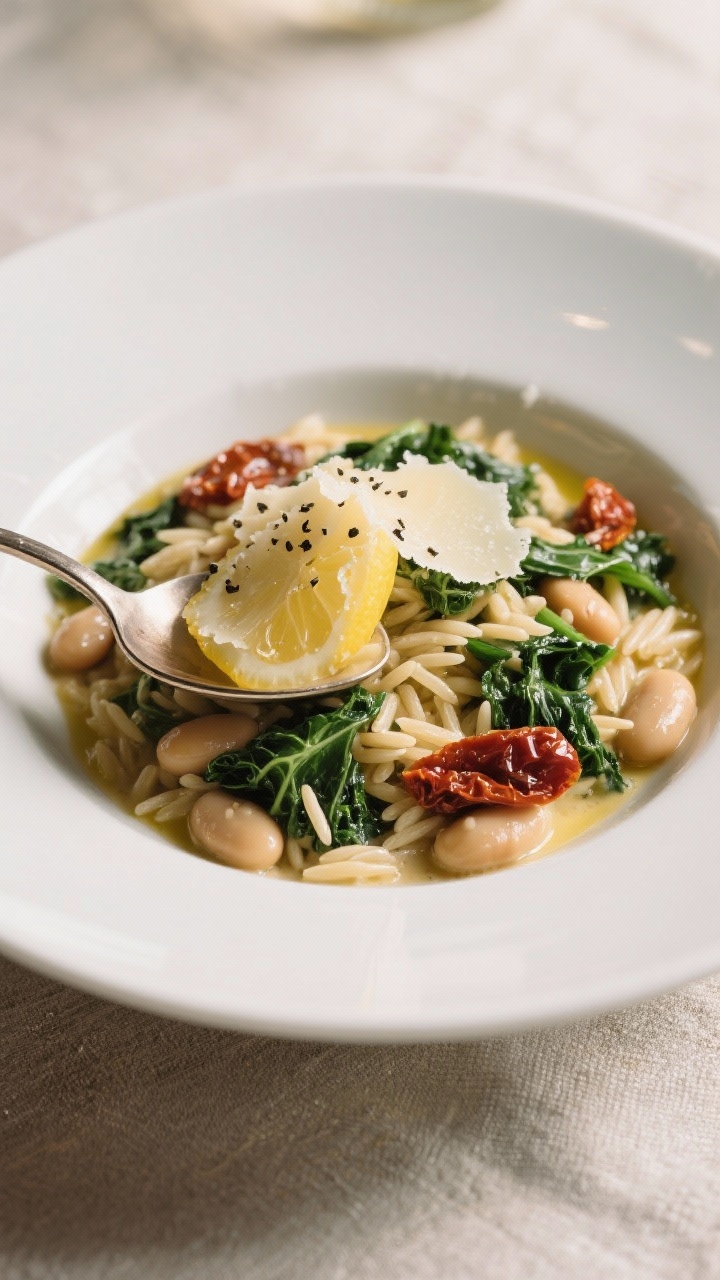
- Tuscan-style: Use Italian seasoning and sun-dried tomatoes.Add cannellini beans, kale, and a splash of cream. Finish with Parmesan.
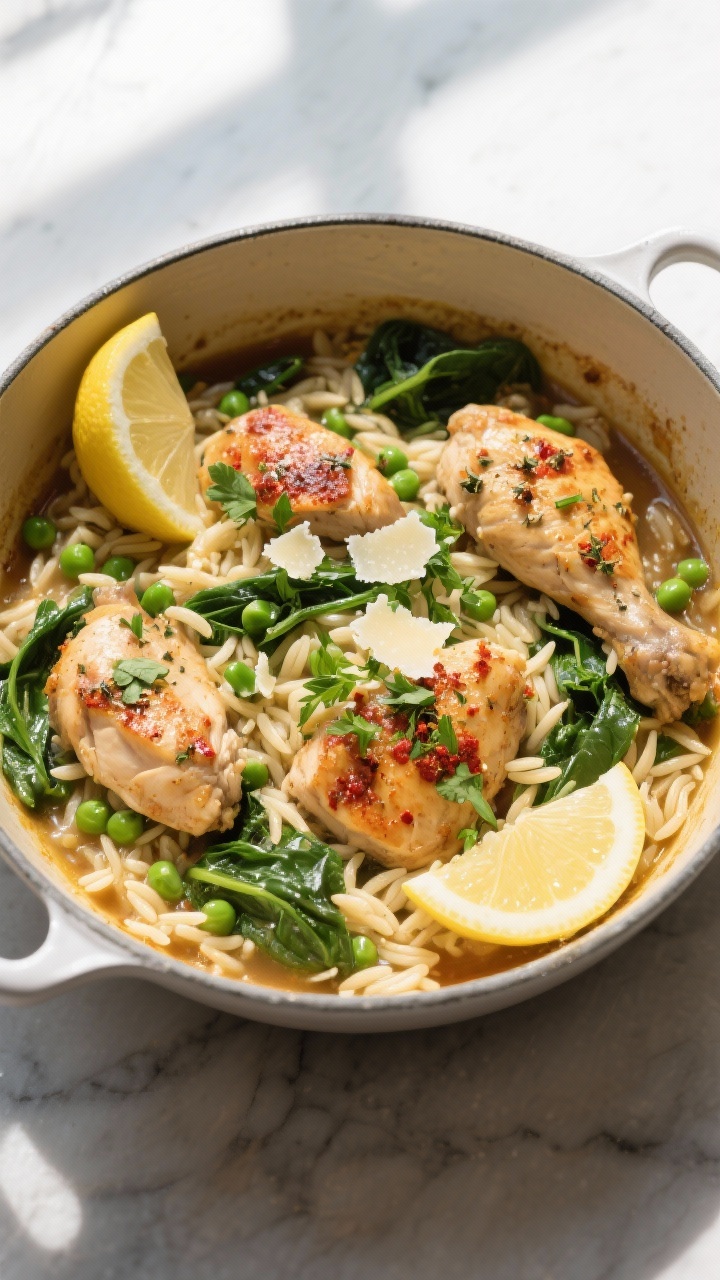
- Lemon-herb chicken and orzo: Swap rice for orzo and flavor with lemon zest, dill, and parsley. Add spinach and peas at the end.
- Smoky sausage and rice: Use andouille or chorizo, add paprika and a pinch of cayenne, and fold in bell peppers and tomatoes.
- Vegetarian chickpea stew: Use chickpeas, rice or orzo, lots of veggies, and vegetable broth.Finish with feta and lemon.
- Gluten-free: Choose rice or quinoa instead of pasta, and ensure your broth and seasonings are certified gluten-free.
- Dairy-free: Skip cheese and butter. Add richness with olive oil and a spoon of tahini or cashew cream.
FAQ
Can I make this with brown rice?
Yes, but it will take longer and need more liquid. Plan for 35–40 minutes of simmering and add extra broth as needed.
Consider par-cooking brown rice or using quick-cook brown rice to speed things up.
What pot works best?
A heavy-bottomed Dutch oven or deep sauté pan with a lid distributes heat evenly and prevents scorched spots. Nonstick works too, but watch heat levels and use silicone or wooden utensils.
How do I prevent mushy pasta?
Use small shapes, keep the simmer gentle, and start checking for doneness early. Turn off the heat when the pasta is just tender; it will continue to soften as it rests.
Can I use frozen vegetables?
Absolutely.
Add them in the last few minutes so they heat through without going soggy. Corn, peas, and mixed veg work well.
How do I add more protein without drying it out?
Use boneless chicken thighs, sausage, or beans. If using chicken breast, cube it and add halfway through cooking to keep it tender.
You can also stir in cooked rotisserie chicken at the end to warm through.
What if my pot looks dry before the starch is done?
Add 1/4 cup of hot broth at a time, stir, and keep simmering gently. Avoid large dumps of cold liquid, which slow cooking and can make the texture uneven.
How can I make it spicy?
Add red pepper flakes with the spices, a diced jalapeño with the aromatics, or finish with hot sauce. Start small and build up to your heat preference.
How do I make it creamier without heavy cream?
Stir in a small pat of butter and a handful of grated Parmesan off the heat.
For dairy-free creaminess, use a spoonful of tahini or a splash of coconut milk.
Wrapping Up
One pot meals keep busy nights manageable without sacrificing comfort. With a few pantry staples and a flexible formula, you can turn whatever’s in your fridge into a satisfying dinner. Keep the heat steady, season boldly, and finish with herbs and lemon.
You’ll get a cozy, complete meal and a clean kitchen—fast.