Easy Ways To Add Flavor To Meals – Simple Tips For Everyday Cooking
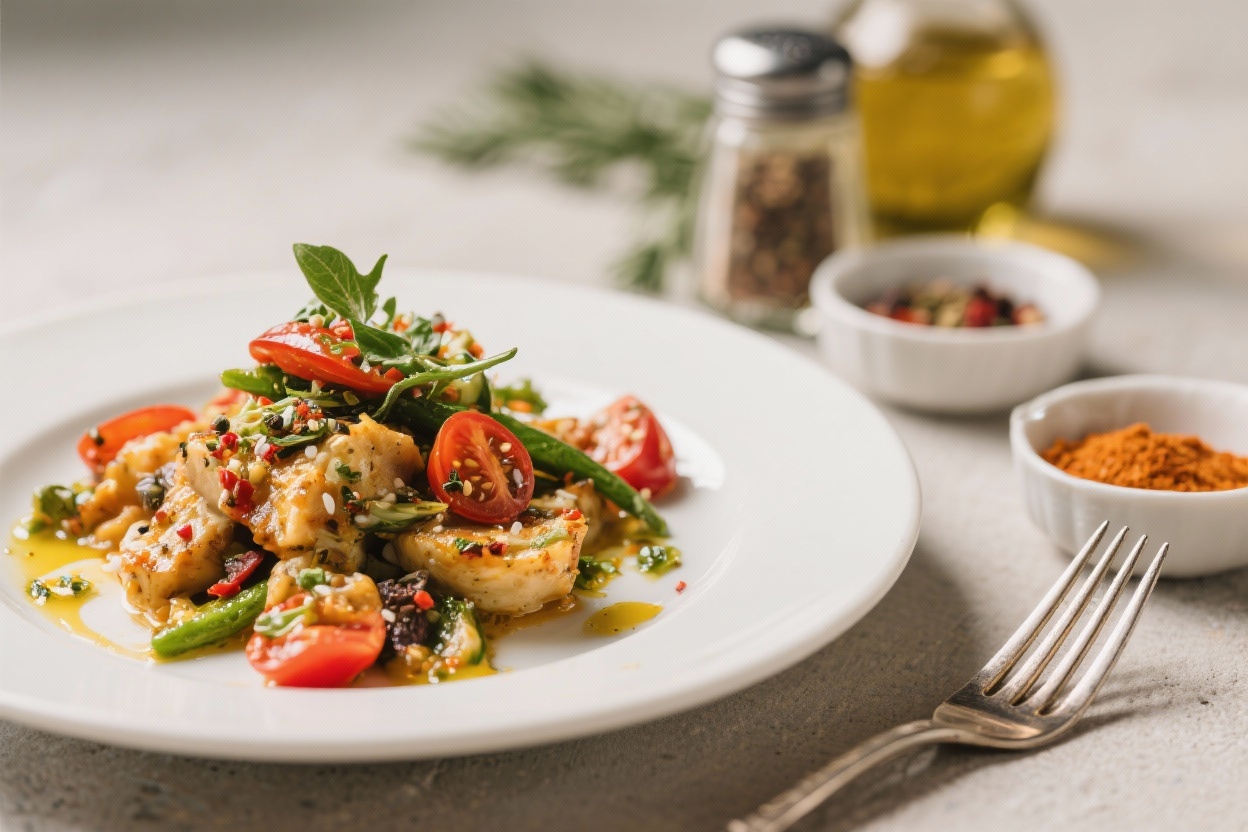
Flavor doesn’t have to be complicated or expensive. With a few smart moves, you can turn simple ingredients into meals that taste like you spent hours in the kitchen. Think bright acids, fresh herbs, a little heat, and the right amount of salt.
These small touches make a big difference. Whether you’re cooking for one or feeding a family, these easy ideas will help you build bold, balanced flavor without stress.
What Makes This Special
What sets these tips apart is how practical they are. You don’t need special tools or rare ingredients—just smart choices at the right time.
We focus on layering flavor with salt, acid, fat, and heat, the four pillars of great cooking. You’ll learn simple ways to boost everyday dishes, from scrambled eggs to roasted chicken. Most of these steps take seconds but deliver noticeable results.
Ingredients
- Acids: Lemon, lime, red wine vinegar, apple cider vinegar, rice vinegar, balsamic vinegar
- Fresh herbs: Parsley, cilantro, basil, mint, dill, chives, thyme, rosemary
- Aromatics: Garlic, shallots, onions, scallions, ginger
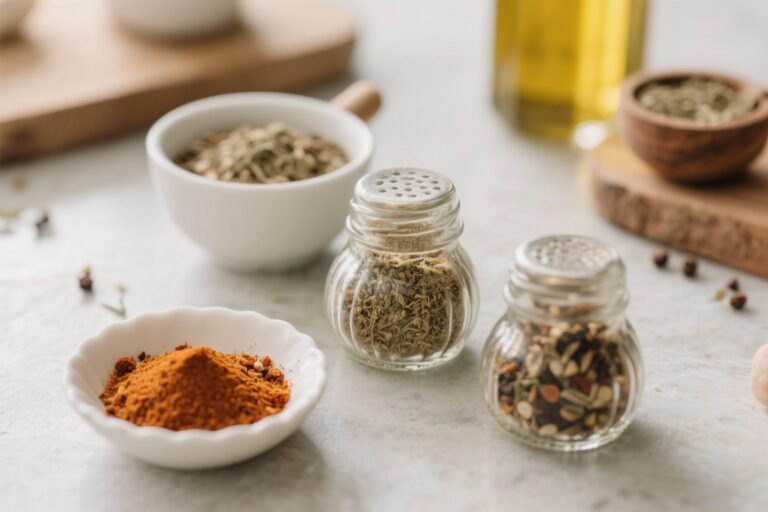
- Spices and blends: Smoked paprika, cumin, chili flakes, curry powder, garam masala, Italian seasoning
- Umami boosters: Soy sauce or tamari, fish sauce, miso paste, Parmesan, sun-dried tomatoes, anchovies
- Fats: Olive oil, butter, ghee, sesame oil, coconut milk
- Sweetness (for balance): Honey, maple syrup, brown sugar
- Crunch and texture: Toasted nuts, seeds (sesame, pumpkin), panko, crispy onions
- Heat: Fresh chilies, hot sauce, chili crisp, harissa, gochujang
- Finishing touches: Flaky sea salt, black pepper, lemon zest, lime zest
Instructions

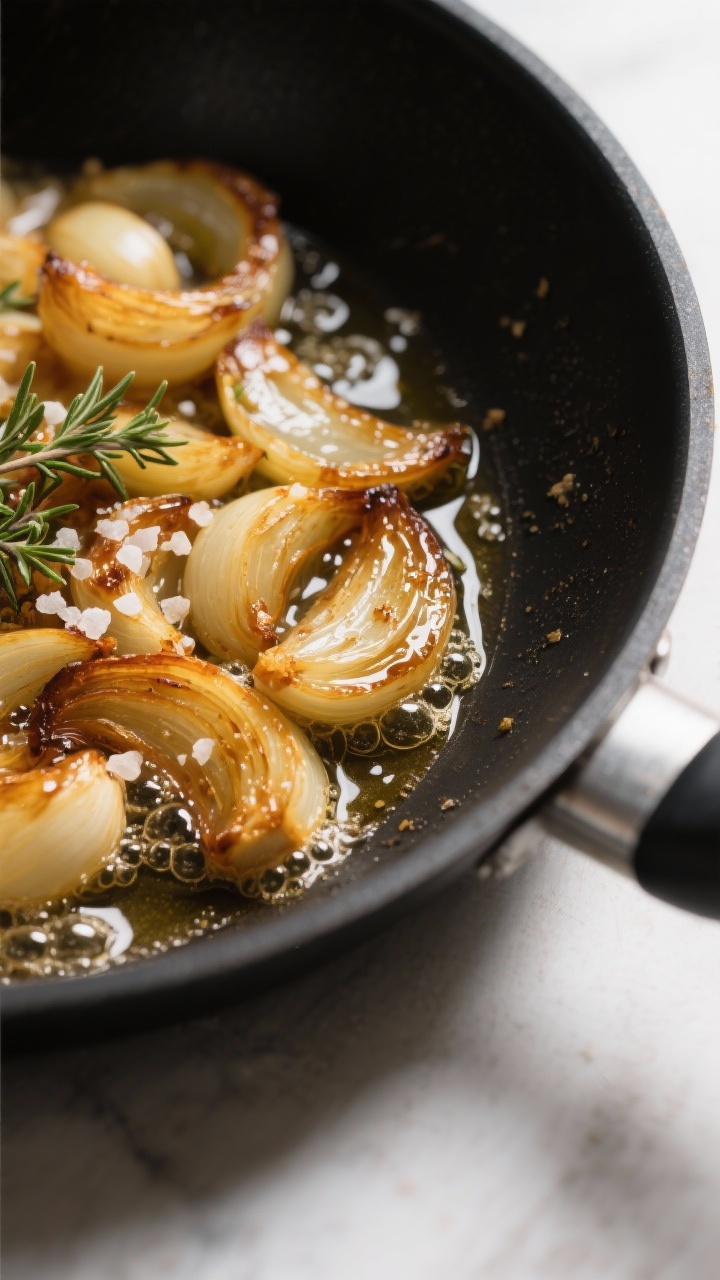
- Start with a good base.Sauté onions, garlic, or shallots in oil or butter until golden.This step builds deep flavor for soups, sauces, and grains.
- Toast your spices.Warm dry spices in a pan for 30–60 seconds before adding liquid. This wakes them up and makes them taste richer.
- Season as you go.Add a pinch of salt at each stage—when sautéing, after adding liquids, and at the end. It layers flavor instead of dumping it all at once.
- Add acid at the finish.A splash of vinegar or squeeze of lemon at the end brightens everything—from stews to roasted veggies.
- Use umami.Stir in a little soy sauce, miso, or Parmesan rind to broths and sauces.It adds depth without making food taste salty.
- Balance with a touch of sweetness.A drizzle of honey or pinch of sugar can soften sharp tomato sauces or spicy dishes.
- Layer fresh herbs.Add sturdy herbs (thyme, rosemary) early, and tender herbs (basil, parsley, cilantro) right before serving for fresh, clean flavor.
- Finish with fat.A pat of butter, swirl of olive oil, or spoon of sesame oil adds silkiness and carries flavor across your palate.
- Use texture for contrast.Top soups, salads, and bowls with toasted nuts, seeds, or crispy onions. Crunch makes flavors pop.
- Don’t forget zest.Lemon or lime zest adds bright citrus notes without extra acidity. Grate it over pasta, fish, or veggies.
- Add heat thoughtfully.A little chili flake or hot sauce adds excitement.Start small, taste, and adjust.
- Deglaze the pan.After searing meat or veggies, pour in a splash of wine, vinegar, or broth and scrape up the brown bits for instant sauce.
- Marinate when you can.Even 20–30 minutes with oil, acid, garlic, and herbs can transform chicken, tofu, or vegetables.
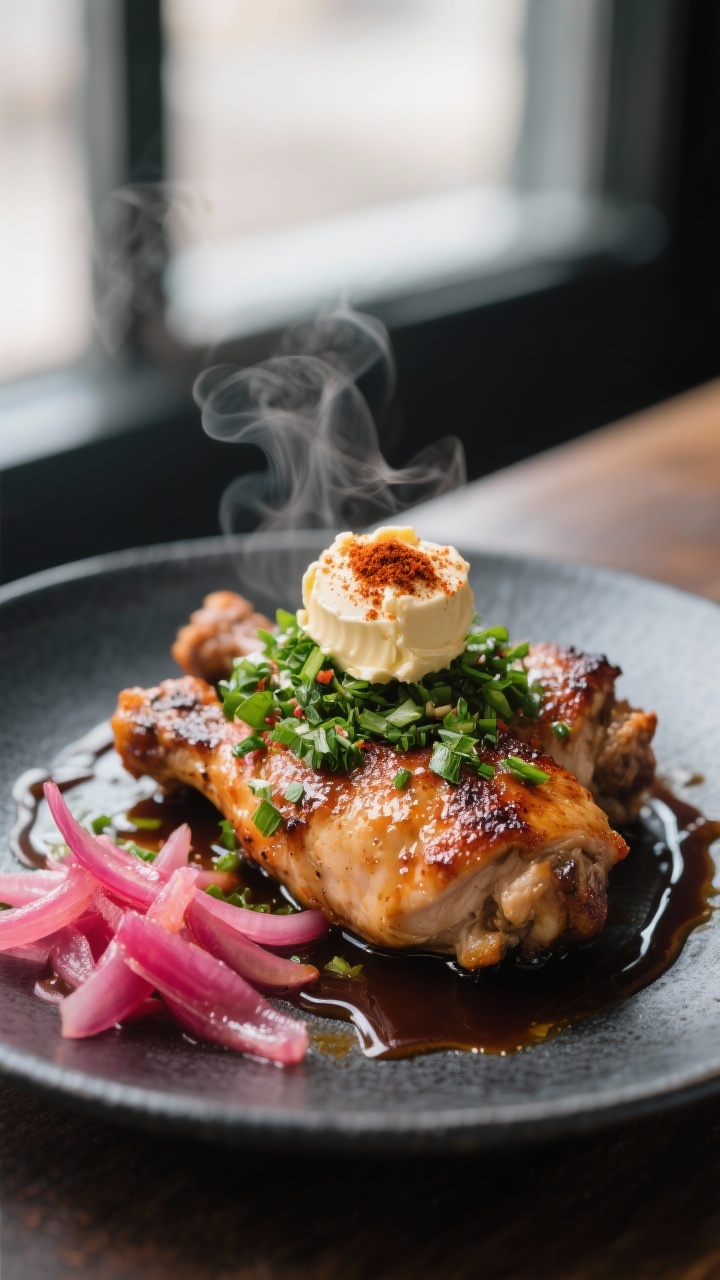
- Use compound butter.Mix softened butter with garlic, herbs, and lemon zest. Melt over steak, fish, or bread for quick flavor.
- Keep a flavor topper jar.Combine chopped herbs, lemon zest, garlic, and olive oil. Spoon over grilled or roasted dishes for easy finishing.
Keeping It Fresh
Store fresh herbs wrapped in a damp paper towel in a zip bag, or stand them in a glass of water in the fridge like flowers.
Toast nuts and seeds in batches and keep them in airtight containers. Keep citrus on hand for both juice and zest; they last well and do a lot of heavy lifting. Make small batches of sauces—like chimichurri or chili oil—and refrigerate for easy upgrades all week.
Why This is Good for You
Boosting flavor with spices, herbs, and acids helps you rely less on heavy cream, sugar, and excess salt.
Fresh herbs and spices are rich in antioxidants and plant compounds that support overall health. Balanced meals taste more satisfying, which can help prevent overeating. Plus, learning to season well makes home cooking more enjoyable and affordable.
What Not to Do
- Don’t add all the salt at the end.It won’t penetrate and will taste harsh.Season gradually.
- Don’t skip acidity.If a dish tastes dull, it often needs lemon juice or vinegar, not more salt.
- Don’t burn garlic or spices.They turn bitter fast. Use medium heat and watch closely.
- Don’t overload with too many flavors.Pick one or two dominant notes and support them.
- Don’t forget to taste.Taste at multiple stages and adjust salt, acid, heat, and fat for better balance.
Recipe Variations
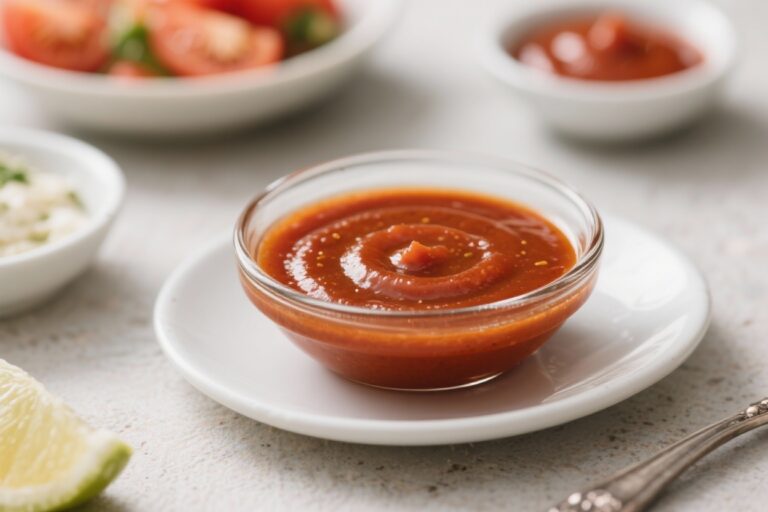
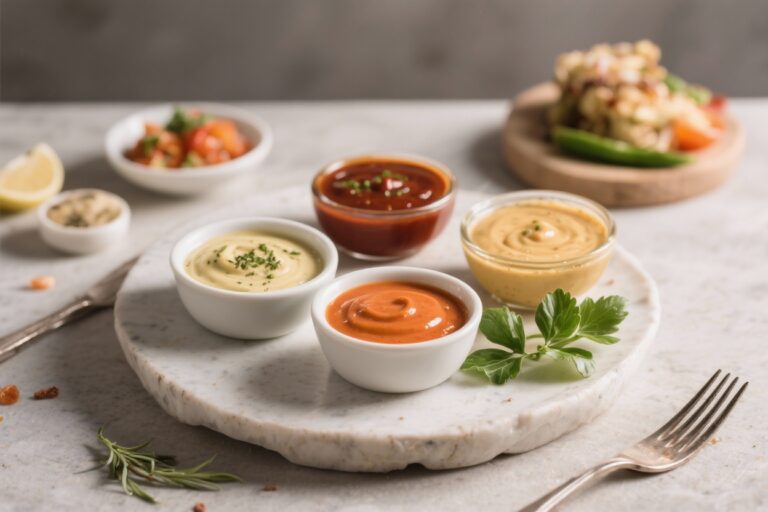
- Bright Herb Chimichurri: Parsley, cilantro, garlic, red wine vinegar, olive oil, chili flakes, and salt. Spoon over grilled meat, tofu, or roasted vegetables.
- Spicy Honey Drizzle: Warm honey with chili flakes and a pinch of salt.Drizzle over pizza, roasted carrots, or fried chicken.
- Miso-Lime Dressing: Miso, lime juice, sesame oil, rice vinegar, and a splash of soy sauce. Great for grain bowls and salads.
- Smoky Paprika Butter: Softened butter, smoked paprika, lemon zest, and garlic. Melt over corn, shrimp, or baked potatoes.
- Tomato Umami Boost: Stir chopped sun-dried tomatoes and a splash of balsamic into soups, sauces, or sautéed greens.
- Quick Pickled Onions: Thin red onion, vinegar, sugar, and salt.Ready in 30 minutes; brightens tacos, bowls, and sandwiches.
FAQ
How do I fix a dish that tastes flat?
Try adding acid first—a squeeze of lemon or a splash of vinegar—then adjust salt. If it still feels dull, add a touch of fat (butter or olive oil) or a pinch of sugar to balance bitterness.
What’s the easiest flavor upgrade for busy nights?
Keep a jar of chili crisp, a wedge of Parmesan, and a lemon. A spoon of chili crisp, a shower of cheese, or a quick squeeze of lemon can instantly transform pasta, eggs, or leftovers.
How can I make vegetables taste better?
Roast them at high heat for caramelization, then finish with lemon juice, flaky salt, and a drizzle of good olive oil.
Add a crunchy topper like toasted seeds for texture.
Can I reduce salt without losing flavor?
Yes. Use acids, fresh herbs, umami boosters, and spices to build depth. Finish with flaky sea salt so you taste more with less overall sodium.
What’s a good all-purpose seasoning blend?
Mix kosher salt, black pepper, garlic powder, smoked paprika, and a pinch of chili flakes.
Use it on chicken, vegetables, and roasted potatoes.
When should I add fresh herbs?
Add sturdy herbs like rosemary and thyme early in cooking. Add tender herbs like basil, parsley, and cilantro at the end to keep their flavor bright.
How do I avoid bitter garlic?
Cook it over medium heat and add it after onions have softened. If using minced garlic in a hot pan, stir constantly and cook only until fragrant, about 30 seconds.
In Conclusion
Great flavor comes from small, smart moves: a pinch of salt at the right time, a squeeze of lemon at the end, a handful of herbs, and a little texture.
With a few pantry staples and these techniques, you can make everyday meals taste fresher and more exciting. Start with one or two tips tonight and build from there. Before long, bold, balanced flavor will feel easy and automatic.