Simple Weekly Meal Prep Routine – A Stress-Free Plan for Better Eating
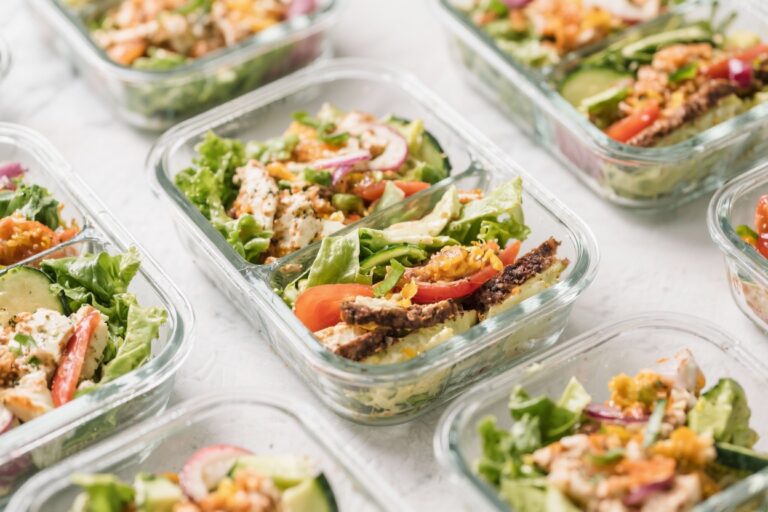
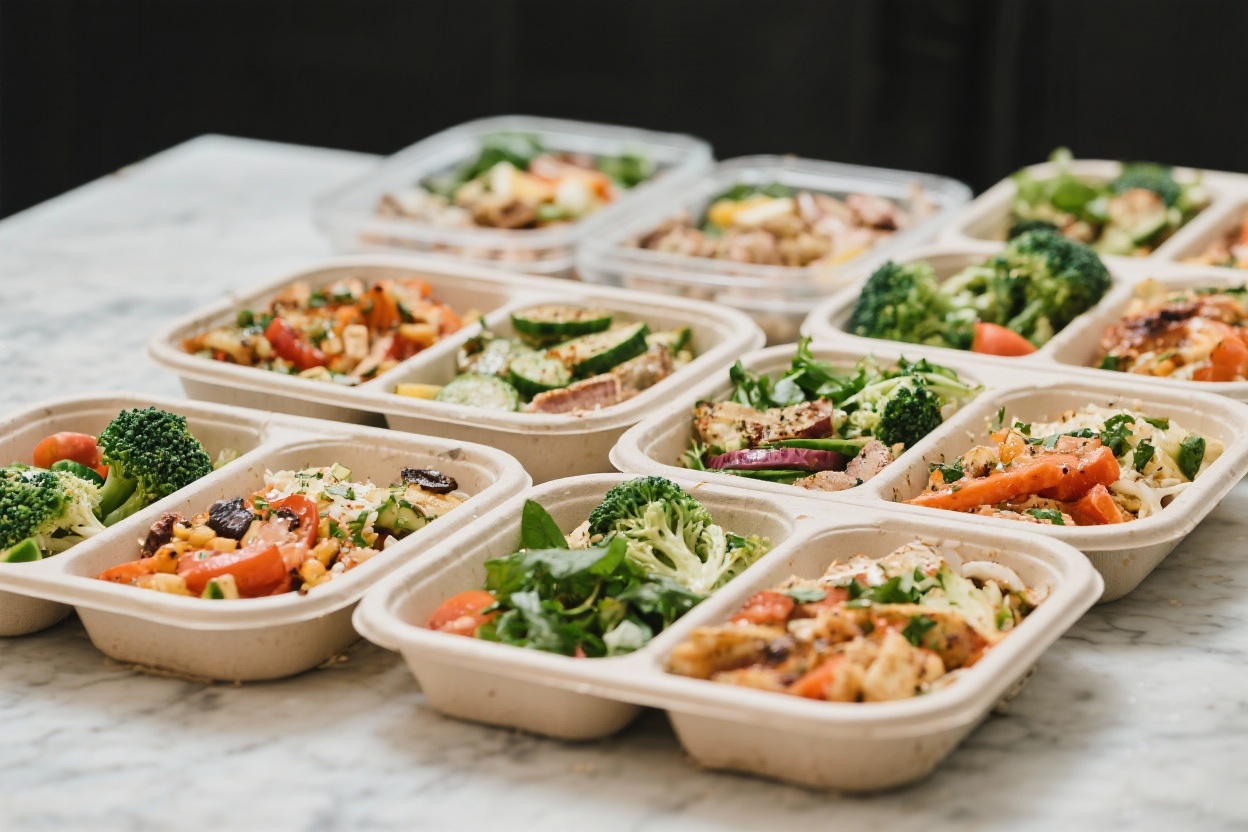
Meal prep doesn’t have to be a Sunday marathon or a rigid plan you dread. With a simple routine, you can set yourself up for easy, healthy meals all week without spending hours in the kitchen. Think of it as laying out your clothes for the week, but for your plate.
This guide gives you a flexible plan, basic building blocks, and a few smart shortcuts. You’ll eat better, waste less, and avoid last-minute takeout.
What Makes This Special

This routine isn’t about strict recipes—it’s about a repeatable framework you can adjust to your tastes and schedule. You’ll prep a mix of proteins, grains, and vegetables that you can combine in different ways.
That means burrito bowls one day, pasta the next, and hearty salads in between. It’s budget-friendly, works for families or individuals, and doesn’t require fancy tools. Most importantly, it keeps your meals interesting without making you cook from scratch every day.
Ingredients
- Proteins (choose 2–3):Chicken thighs or breasts, canned chickpeas or black beans, extra-firm tofu, ground turkey, salmon fillets, or eggs.
- Grains and starches (choose 2):Brown rice, quinoa, whole wheat pasta, farro, sweet potatoes, or baby potatoes.
- Vegetables (choose 4–6):Broccoli, bell peppers, carrots, cherry tomatoes, zucchini, red onion, cucumbers, spinach or mixed greens, frozen veggies for backup.
- Flavor boosters:Olive oil, soy sauce or tamari, vinegars (balsamic, rice, or apple cider), mustard, garlic, lemon or lime, chili flakes, dried herbs, salt and pepper.
- Sauces (pick 2–3):Hummus, pesto, salsa, tahini sauce, Greek yogurt sauce, barbecue sauce, or a simple vinaigrette.
- Breakfast add-ons:Oats, yogurt, berries (fresh or frozen), bananas, nut butter, eggs, chia seeds.
- Snacks:Nuts, sliced veggies, string cheese, fruit, whole grain crackers.
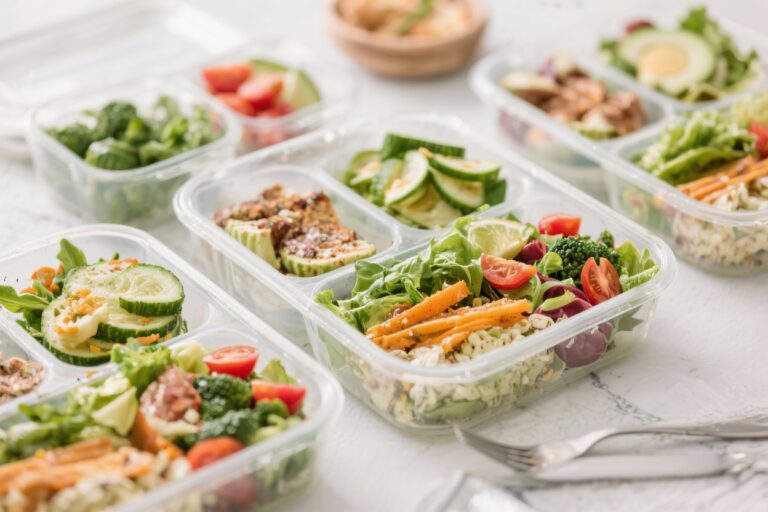
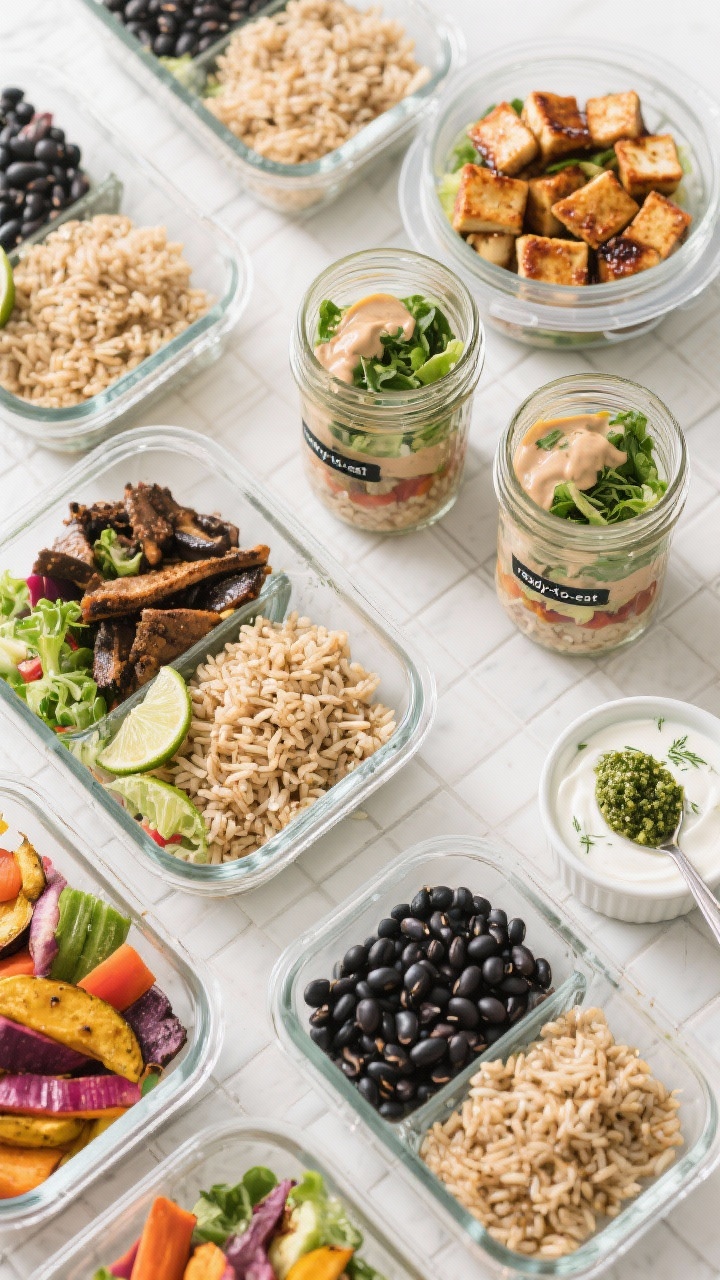
- Containers:A mix of glass or BPA-free containers, mason jars, and a few small sauce cups.Labels or masking tapehelp with dates and contents.
- Basic tools:Sheet pans, skillet, pot for grains, cutting board, chef’s knife, and a baking dish orair fryer (optional).
- For a simple plan for stress-free eating, these basics cover everything.
Instructions

- Make a quick plan (5 minutes):Decide on your base combos for the week: for example, rice bowls, pasta night, and salad jars.Pick 2 proteins, 2 grains, and 4 vegetables. Note any nights you’ll eat out or have leftovers. This keeps the plan realistic.
- Grocery shop with a short list:Stick to your picks.Add two sauces and one fun item (like feta or avocado) for variety. Buy pre-chopped veggies if you’re short on time.
- Preheat and batch-roast:Heat your oven to 425°F (220°C). Chop vegetables into even sizes.Toss with olive oil, salt, pepper, and a seasoning you like. Roast 20–30 minutes, flipping once. Use two sheet pans to save time.
- Cook grains while veggies roast:Rinse quinoa or measure rice.Cook in a pot or rice cooker with a pinch of salt. Fluff and let cool slightly before packing.
- Prep proteins three ways:Chicken or turkey:Season with salt, pepper, garlic powder, and paprika. Bake at 425°F for 18–25 minutes or pan-sear until done.Rest, then slice.Tofu:Press, cube, toss with cornstarch, soy sauce, and a little oil. Bake at 425°F for 25 minutes or pan-fry until crisp.Beans or eggs:Rinse canned beans and toss with cumin and lime. Hard-boil eggs for quick protein (9–11 minutes, then ice bath).
- Mix one simple dressing and one creamy sauce:Whisk olive oil, vinegar, mustard, salt, and pepper for a basic vinaigrette.Stir Greek yogurt, lemon, garlic, and dill for a creamy option. Small sauce containers keep meals from tasting repetitive.
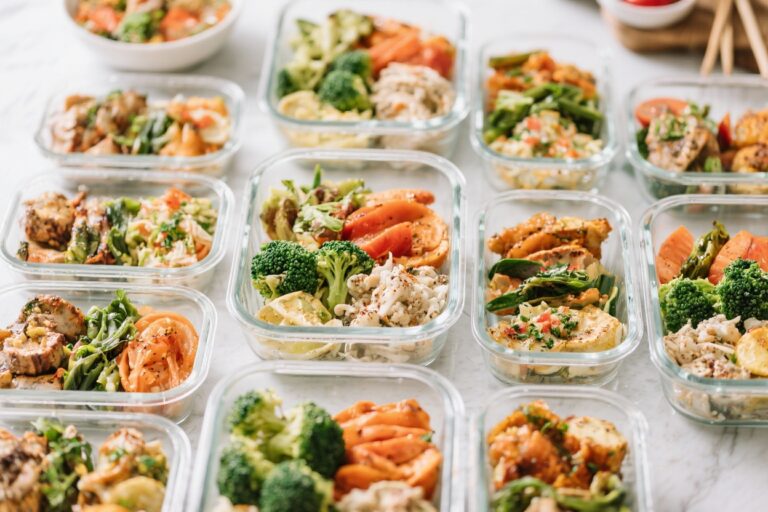
- Build two “ready-to-eat” lunches:Assemble two full meals you can grab on busy days. For example, quinoa + roasted veggies + chicken + vinaigrette.Or greens + beans + tomatoes + feta + yogurt sauce.
- Pack the rest as mix-and-match parts:Store proteins, grains, and veggies separately. This helps them stay fresh and lets you change the flavor each day. Keep sauces on the side.
- Create easy breakfasts:Make make ahead meals for busy weeks: overnight oats (oats + milk + chia + fruit), or portion yogurt with berries and nuts.Boil extra eggs if you like savory mornings.
- Label and stack:Add dates to containers. Put the most perishable foods (greens, cut cucumbers, cooked fish) toward the front so you use them first.
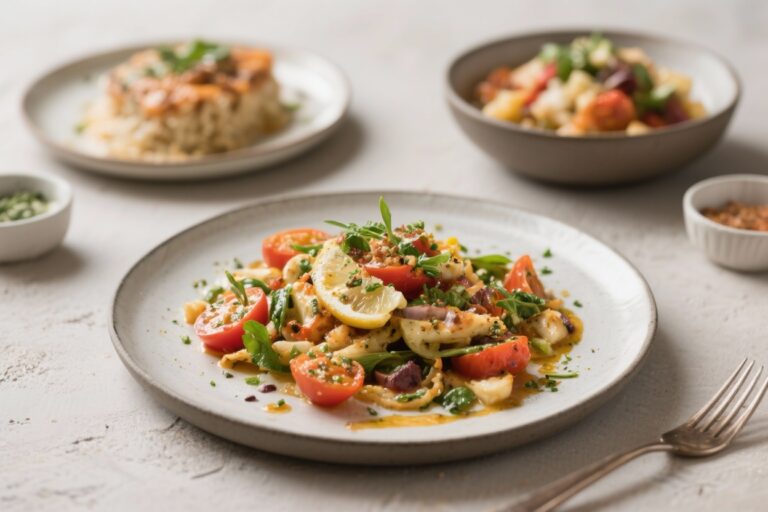
- Plan three quick dinner ideas:Stir-fry:Sauté a mix of veggies, add tofu or chicken, toss with soy sauce and chili flakes, serve over rice.Sheet-pan reheat:Combine cooked potatoes, veggies, and sausage or chickpeas; warm at 400°F for 10 minutes; finish with pesto.Pasta bowl:Toss cooked pasta with roasted tomatoes, spinach, olive oil, and a protein. Sprinkle with Parmesan.
- Leave room for flexibility:Save one “open” night for leftovers, takeout, or something spontaneous.It helps the plan fit real life.
How to Store
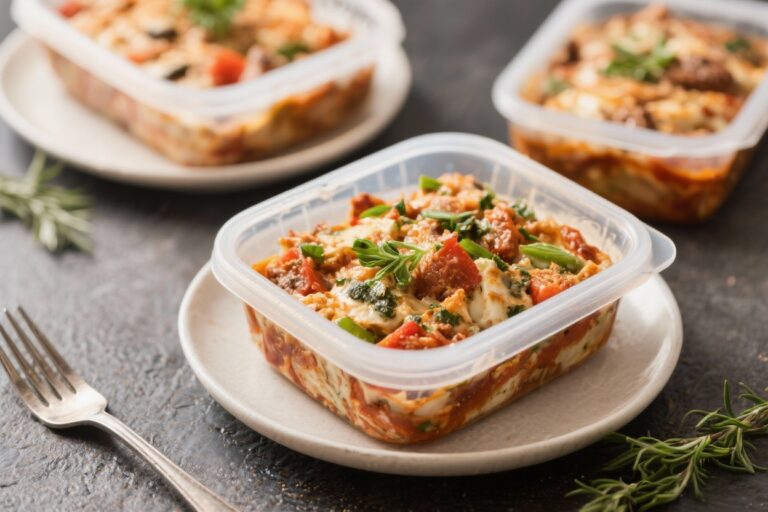
- Proteins: Keep cooked meats and tofu in airtight containers in the fridge for 3–4 days. Freeze portions you won’t use by day three.
- Grains: Store in shallow containers to cool quickly. Refrigerate up to 4 days, or freeze in single servings for a month.
- Veggies: Roasted veggies last 3–4 days.Keep dressings and wet toppings separate to avoid sogginess.
- Greens: Wash and dry thoroughly, then store with a paper towel in a container or bag to reduce moisture.
- Sauces: Most homemade dressings keep 5–7 days in the fridge. Shake before using.
- Reheating: Use a skillet for best texture, microwave with a splash of water and a cover, or warm on a sheet pan for crisp edges.
Benefits of This Recipe
- Less decision fatigue: You’ll know what’s for lunch and dinner without constant planning.
- Faster weeknights: Most meals come together in 10–15 minutes.
- Healthier choices: Balanced proteins, carbs, and veggies are ready to go.
- Budget-friendly: Cooking in batches reduces waste and saves on takeout.
- Flexible and family-friendly: Everyone can assemble their bowl or plate the way they like.
What Not to Do
- Don’t prep identical meals for all five days unless you truly like repeats. Variety keeps you on track.
- Don’t store wet ingredients with dry (like dressing with salad).Keep them separate to maintain texture.
- Don’t skip labeling. It’s easy to forget what’s what by midweek.
- Don’t overcook proteins and veggies. Slightly underdo them if you plan to reheat; it prevents dryness.
- Don’t ignore food safety. Cool foods quickly and refrigerate within two hours.
Alternatives
- Vegetarian/Vegan:Swap chicken for tofu, tempeh, or lentils. Use tahini, hummus, or nut-based sauces for creaminess.
- Gluten-free:Choose rice, quinoa, or potatoes. Use tamari instead of soy sauce.
- Low-carb:Increase non-starchy veggies and proteins.Try cauliflower rice or zucchini noodles.
- High-protein:Add Greek yogurt, cottage cheese, edamame, or extra eggs. Choose lean meats and legumes.
- Kid-friendly:Keep components simple—plain rice, roasted carrots, chicken strips—and add sauces on the side. For more quick dinner ideas, see our guide.
FAQ
How long does this meal prep take?
Plan for about 90 minutes start to finish, including chopping, roasting, and packing. With practice—or pre-cut veggies—you can get it down to about an hour.
Can I prep for the whole week?
Prepping for 3–4 days at a time keeps food fresh and tastes better.
If you want a full week, freeze extra portions and pull them out midweek.
What’s the best way to keep salads from getting soggy?
Layer in jars: dressing first, then hearty items (beans, grains, cucumbers), then proteins, and greens on top. Toss right before eating.
How do I reheat without drying things out?
Add a splash of water or broth, cover loosely, and heat gently. For crisp textures, use a skillet or oven instead of the microwave.
What if I get bored midweek?
Change the sauce.
A different dressing, salsa, or pesto can transform the same base ingredients. Keep a few pantry sauces on hand for this.
Do I need special containers?
No, but having a few sturdy, airtight containers in different sizes helps a lot. Small sauce cups are worth it to keep flavors fresh.
Can I do this without an oven?
Yes.
Use a skillet or air fryer for proteins and veggies, and a pot or rice cooker for grains. Steaming or sautéing works well.
How do I add more flavor without extra calories?
Use spices, citrus, fresh herbs, vinegar, garlic, and chili flakes. They add brightness and depth without heavy sauces.
In Conclusion
A simple weekly meal prep routine is about building blocks, not rigid rules.
Prep a few versatile items, mix in flavorful sauces, and keep choices open. After a couple of weeks, you’ll find your rhythm and favorite combos. With a little planning, your meals will be faster, fresher, and far less stressful.