Easy One Pan Dinner Ideas – Weeknight Meals Without the Mess
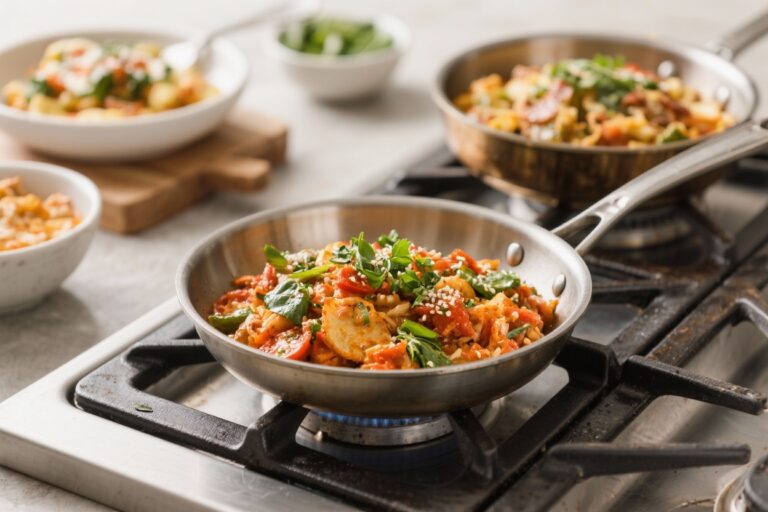
If you’re short on time but still want a home-cooked meal, one pan dinners are your best friend. Minimal prep, easy cleanup, and plenty of flavor—what’s not to love? With the right mix of protein, veggies, and seasoning, you can get a complete meal on the table fast.
This guide shares flexible ideas, simple steps, and smart tips so you can throw together a satisfying one-pan dinner any night of the week.
Why This Recipe Works
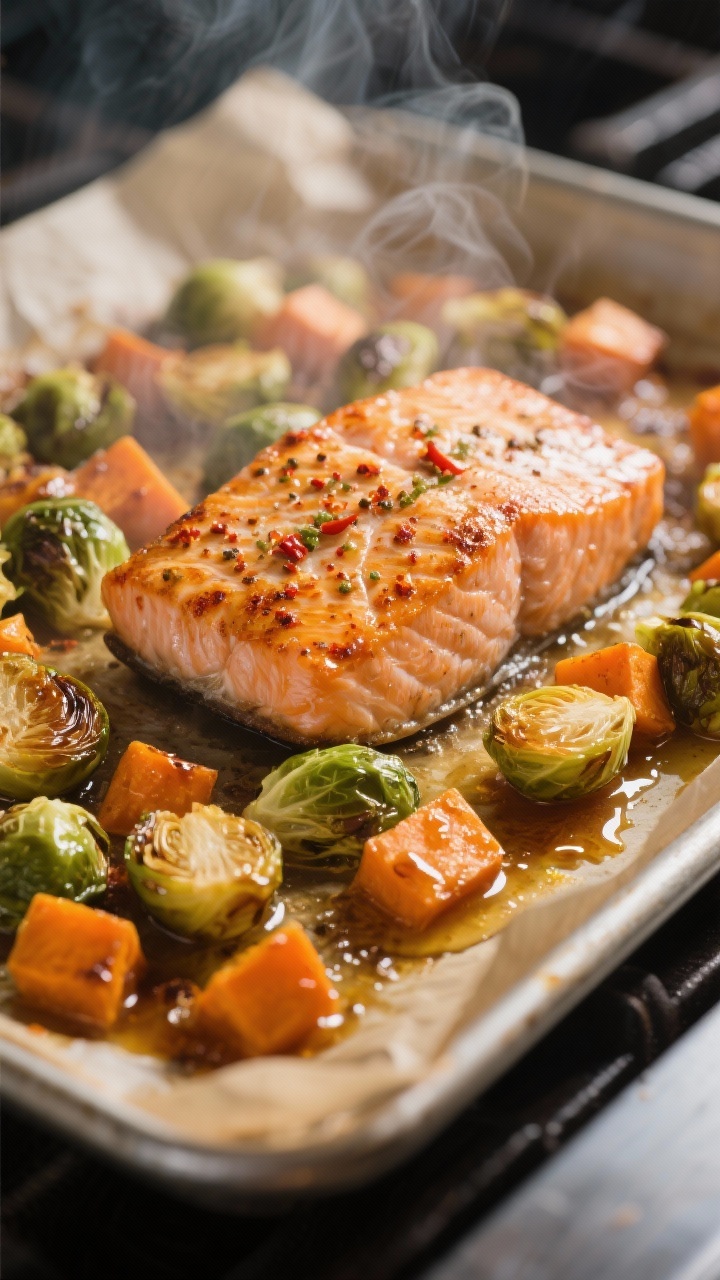
These one pan dinner ideas follow a simple formula: protein + hearty veggies + quick-cooking veggies + bold seasoning + a high-heat roast. Everything cooks together, so flavors mingle and the texture stays balanced—crispy at the edges, tender in the middle.
Using just one skillet or sheet pan means less cleanup and fewer moving parts. You’ll season once, flip once, and pull a full meal from the oven or stovetop.
The method is highly adaptable, so you can swap ingredients based on what you have.
Best of all, these dinners are easy to scale. Cook for two or stretch it for a crowd by adding more veggies and a second pan. The core technique stays the same, and the results are consistently reliable.
What You’ll Need
- Protein: Chicken thighs or breasts, sausage links, salmon fillets, shrimp, tofu, or chickpeas.
- Hearty veggies (longer-cooking): Potatoes, sweet potatoes, carrots, butternut squash, Brussels sprouts, cauliflower.
- Quick-cooking veggies: Bell peppers, zucchini, cherry tomatoes, green beans, red onion, asparagus.
- Fat: Olive oil or avocado oil for roasting; butter for finishing (optional).
- Seasonings: Salt, pepper, garlic powder, paprika, Italian seasoning, chili flakes, curry powder, or your favorite spice blend.
- Extras for flavor: Lemon, lime, fresh herbs (parsley, cilantro, dill), soy sauce, honey or maple syrup, Dijon mustard.
- Pan: Large rimmed sheet pan or a 12-inch oven-safe skillet.
- Optional add-ons: Pre-cooked grains (rice, quinoa), crusty bread, plain yogurt or tzatziki for serving.
Step-by-Step Instructions
- Preheat and prep: Heat the oven to 425°F (220°C).Line a rimmed sheet pan with parchment for easy cleanup. Chop hearty veggies into even, bite-size pieces so they roast at the same pace.
- Season the base: Toss the hearty veggies with olive oil, salt, pepper, and 1–2 teaspoons of your chosen spice blend. Spread evenly on the pan so they roast, not steam.
- Start roasting: Roast hearty veggies for 12–15 minutes to give them a head start.This ensures they get tender by the time everything else is done.
- Add protein: Season your protein with salt, pepper, and spices. For chicken or sausage, nestle pieces among the veggies. For salmon or tofu, place on top for better browning.
- Add quick-cooking veggies: Toss quick-cooking veggies with a little oil and seasoning.Add them to the pan around the protein.
- Finish roasting: Roast 10–15 minutes more, until protein is cooked through and veggies are browned. Chicken should reach 165°F, salmon should flake easily, and shrimp should be pink and opaque.
- Optional glaze: In the last 3–4 minutes, brush on a quick mix of honey and Dijon, or soy sauce with a splash of lime, for a glossy finish.
- Rest and garnish: Let the pan rest 5 minutes. Add a squeeze of lemon, fresh herbs, and a few chili flakes.Serve as is or over pre-cooked grains.
How to Store
- Refrigerate: Store leftovers in an airtight container for up to 4 days.
- Reheat: Warm on a sheet pan at 350°F for 8–10 minutes to re-crisp veggies. Microwaving works in a pinch, but textures will be softer.
- Freeze: Cooked chicken and roasted hearty veggies freeze well for up to 2 months. Avoid freezing delicate veggies like zucchini; they turn mushy.
- Meal prep tip: Keep sauce or glaze separate and add after reheating to keep flavors bright.
Health Benefits
- Balanced plate:Each meal combines protein, fiber-rich veggies, and healthy fats, which supports steady energy and keeps you full longer.
- Lower sodium control:Season at home and skip heavy sauces to manage salt without sacrificing flavor.
- Nutrient density:Roasting preserves vitamins and brings out natural sweetness, encouraging more vegetable intake.
- Flexible for dietary needs:Easy to make gluten-free, dairy-free, or low-carb by adjusting sauces and starches, and many of these recipes are minimal cleanup dinner ideas.
Common Mistakes to Avoid
- Overcrowding the pan: Crowding leads to steaming, not roasting.Use two pans if needed so everything browns.
- Skipping the head start: Add hearty veggies first. If everything goes in at once, you’ll get undercooked potatoes or overcooked salmon.
- Uneven cuts: Keep pieces similar in size for even cooking. Tiny carrots and huge potato chunks won’t finish together.
- Under-seasoning: Veggies need more salt than you think.Taste and adjust with a bright finish like lemon or herbs.
- Wrong oven temp: High heat is key. At 425°F, you get caramelization and crisp edges without drying out the protein.
Recipe Variations
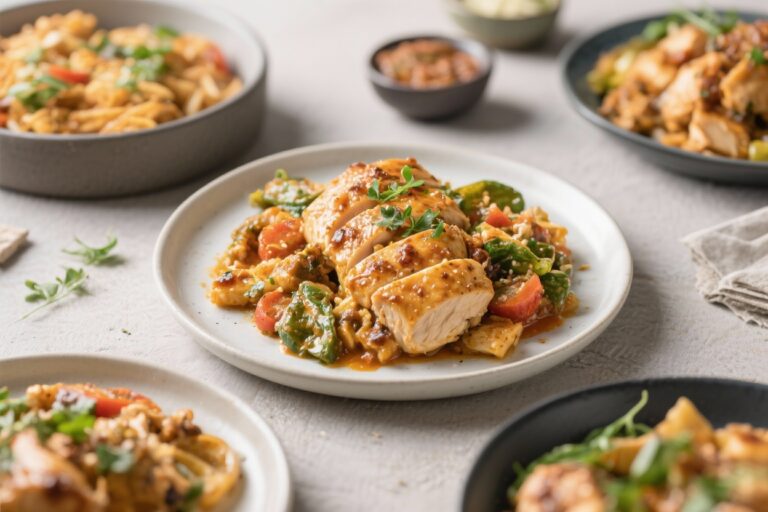
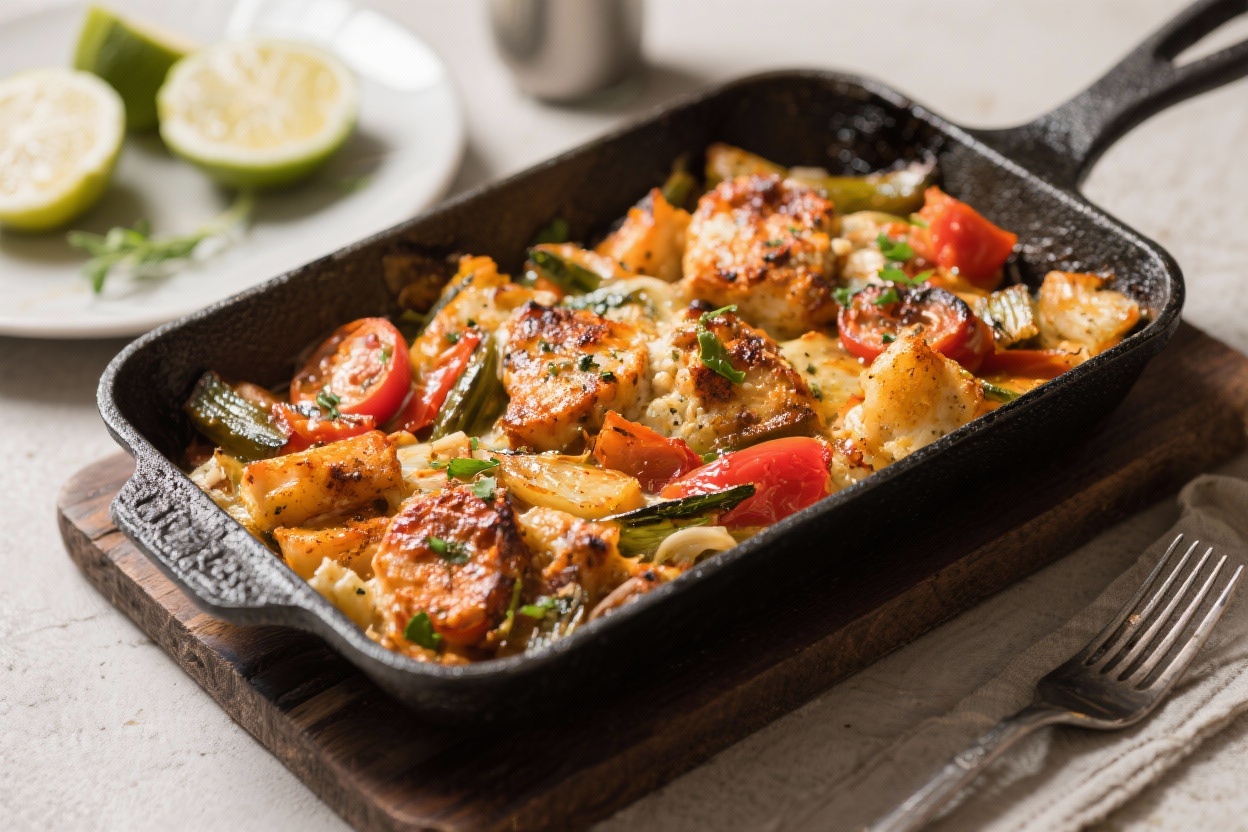
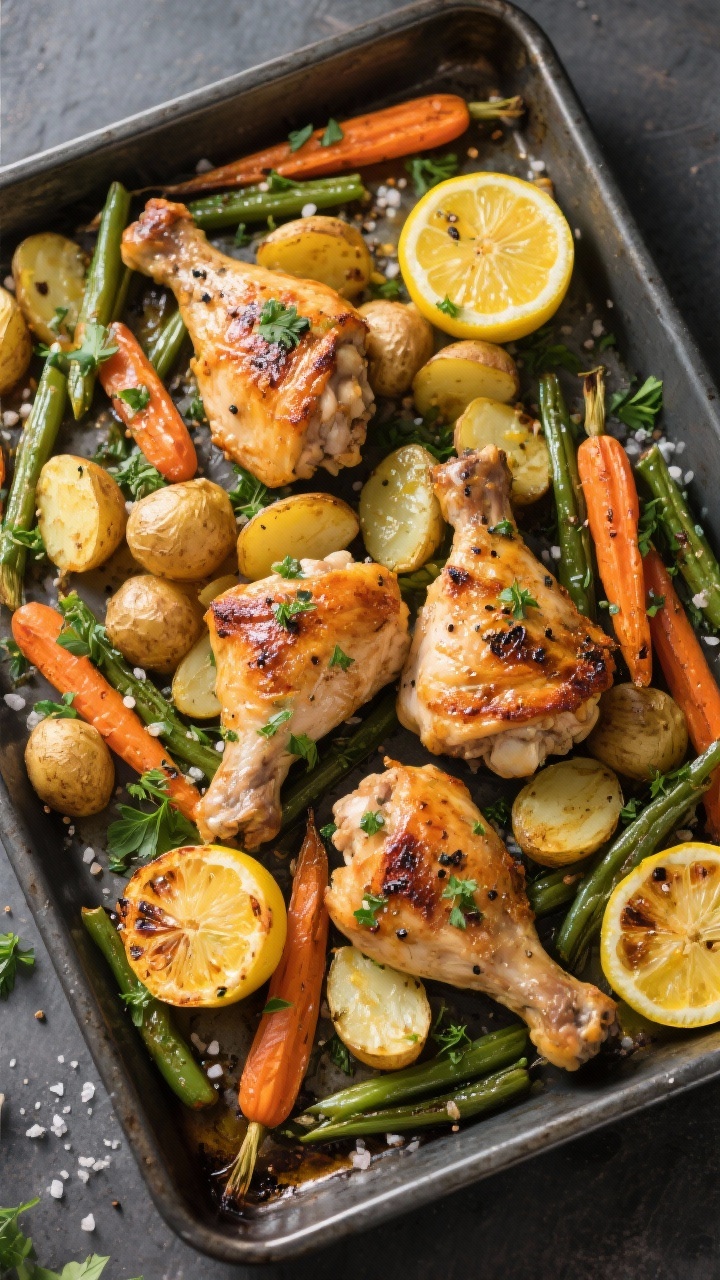
- Lemon Herb Chicken and Veggies: Chicken thighs, potatoes, carrots, and green beans with garlic, Italian seasoning, and lemon slices. Finish with parsley.
- Smoky Sausage and Peppers: Smoked sausage, bell peppers, red onion, zucchini, and paprika.Add a drizzle of balsamic at the end.
- Honey Mustard Salmon Tray Bake: Salmon fillets with Brussels sprouts and sweet potatoes. Brush with honey, Dijon, and a pinch of chili flakes.
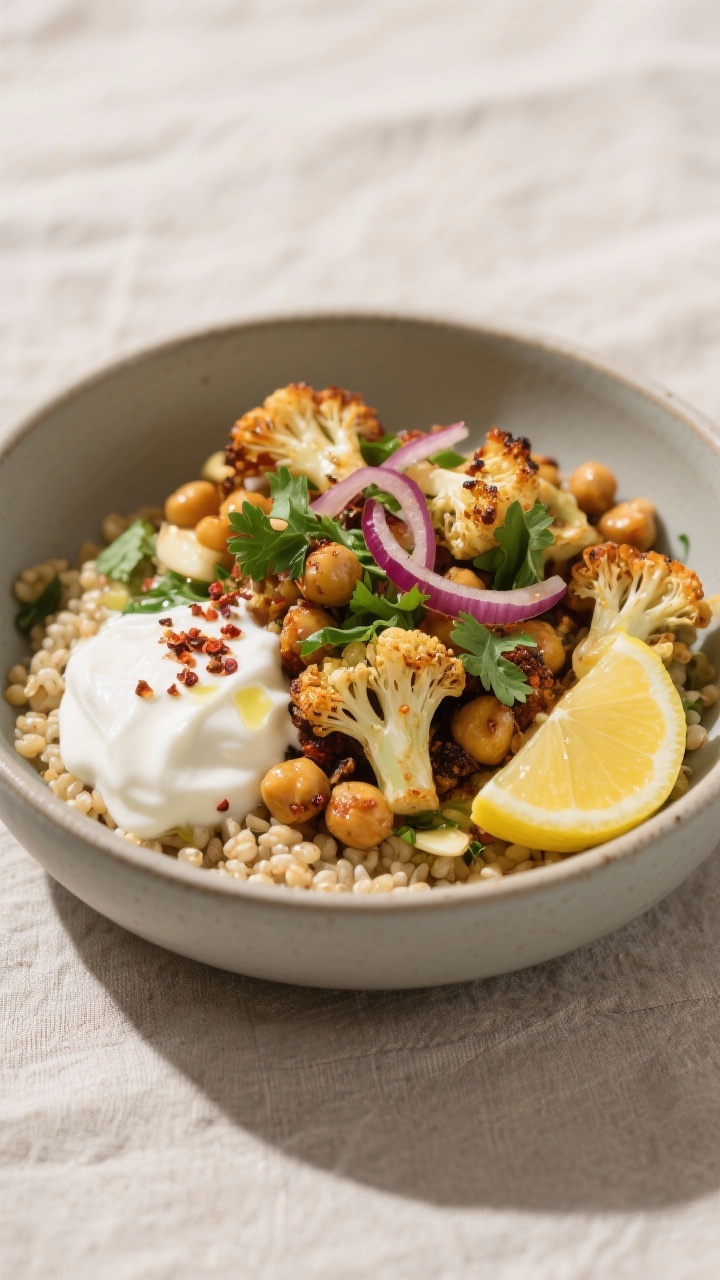
- Veggie and Chickpea Shawarma: Cauliflower, carrots, red onion, and chickpeas tossed with cumin, coriander, paprika, and garlic. Serve with lemony yogurt.
- Curry Shrimp With Veggies: Shrimp, asparagus, and cherry tomatoes with curry powder, garlic, and a squeeze of lime.Serve over rice.
- Crispy Tofu Sesame Bowl: Cubed tofu, broccoli, and mushrooms with soy sauce, sesame oil, and ginger. Sprinkle with sesame seeds and scallions.
FAQ
Can I use frozen vegetables?
Yes, but choose sturdy options like broccoli or cauliflower and roast them from frozen. Add extra time and avoid overcrowding, as frozen veggies release more moisture.
What’s the best pan to use?
A large, heavy sheet pan with a rim is ideal.
It distributes heat evenly and gives room for air circulation, which helps with browning. An oven-safe skillet also works for smaller batches.
How do I keep chicken from drying out?
Use thighs for more forgiveness, or pound breasts to even thickness. Roast at high heat and pull them as soon as they hit 165°F.
Rest for a few minutes before serving.
Can I make it spicy?
Absolutely. Add chili flakes, cayenne, or a dash of hot sauce. For a smoky heat, use chipotle powder or smoked paprika.
Do I need to marinate the protein?
No, but it can add extra flavor.
Even 20–30 minutes with olive oil, garlic, lemon, and herbs makes a difference. Pat dry before roasting to help it brown.
How do I turn this into a full meal?
Serve over pre-cooked grains like rice, quinoa, or couscous, or add crusty bread. You can also toss everything with cooked pasta and a simple sauce after roasting.
Final Thoughts
One pan dinners make weeknights easier without sacrificing flavor or nutrition.
With a hot oven, a good pan, and a simple formula, you can mix and match ingredients and still get great results. Keep a few spice blends on hand, chop evenly, and don’t be shy with seasoning. Once you’ve tried a couple of variations, you’ll have a reliable go-to method for fast, tasty meals with almost no mess.