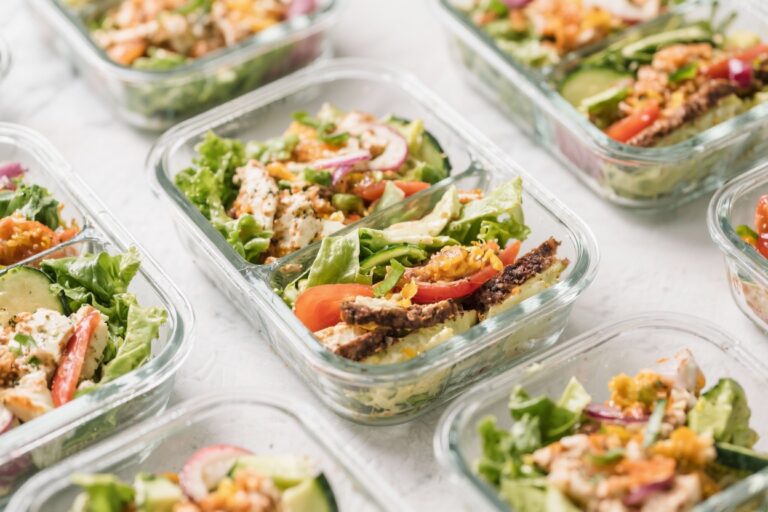
Easy Weekly Meal Prep Routine – A Simple Plan for Stress-Free Eating
Easy Weekly Meal Prep Routine – A Simple Plan for Stress-Free Eating
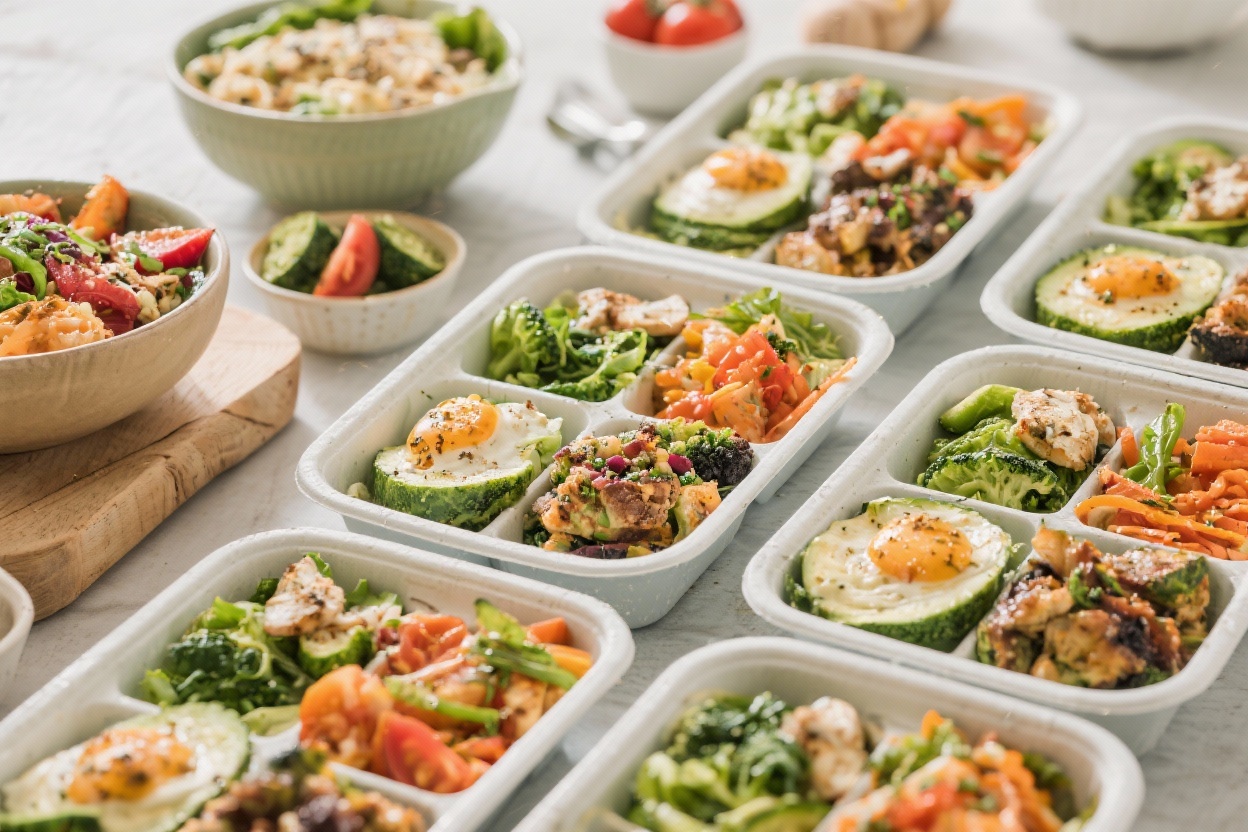
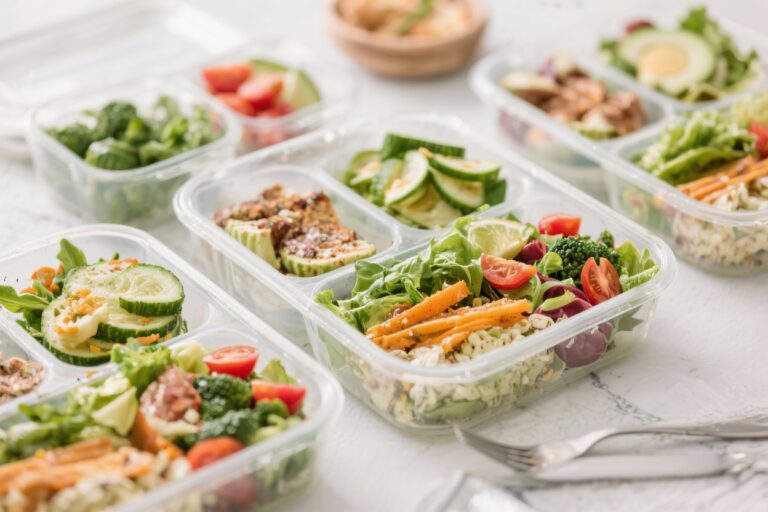
Meal prep doesn’t have to take over your Sunday or turn your fridge into a science project. With a few smart steps, you can set yourself up with balanced, tasty meals for the whole week. This routine focuses on a flexible base, quick proteins, and mix-and-match flavors so you don’t get bored by Wednesday. It’s designed for busy people who want to eat well without fuss. If you can chop, roast, and stir, you can do this.
Why This Recipe Works
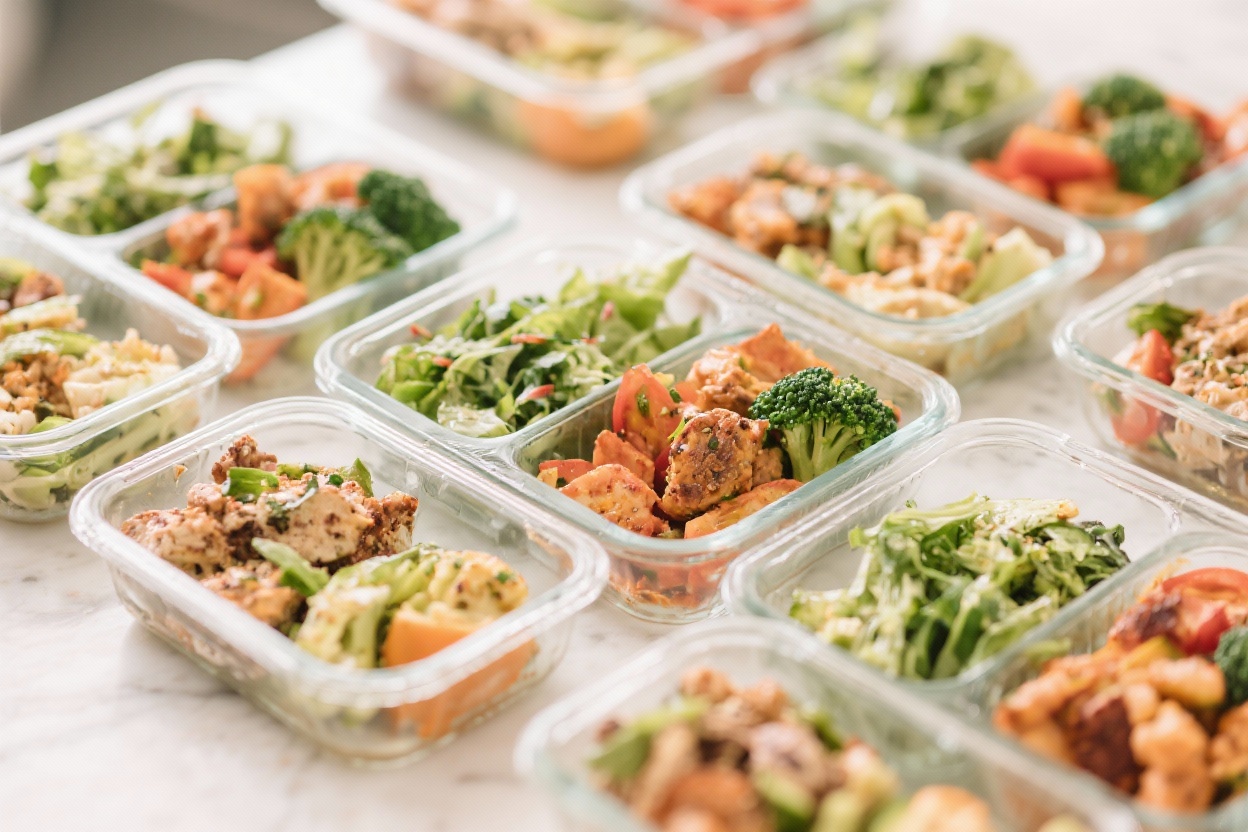
Easy weekly meal prep routine – Easy Weekly Meal Prep Routine – A Simple Plan for Stress-Free Eating Meal prep doesn’t have to take
This routine centers on a few building blocks you can combine in different ways, so you’re not stuck eating the same bowl every day. It relies on hands-off cooking—sheet pans, stovetop simmering, and one-pot grains—so you spend less time watching the stove. Batch-cooking proteins and veggies saves time midweek, and simple sauces bring variety without extra effort. Most parts use staple ingredients, so it’s budget-friendly and grocery-list friendly.
Ingredients
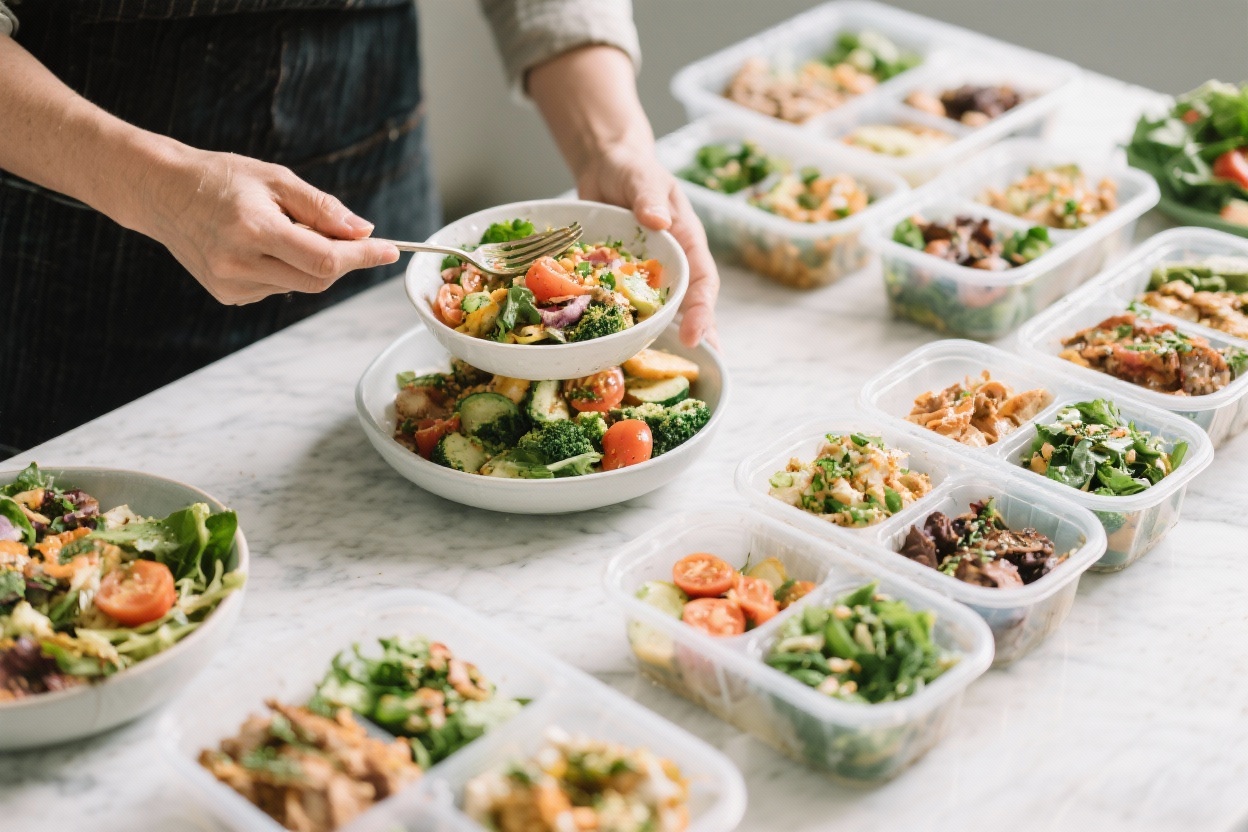
Easy weekly meal prep routine – With a few smart steps, you can set yourself up with balanced, tasty meals for the whole week
- Proteins (choose 2–3): 2 lbs chicken thighs or breasts; 1 lb extra-firm tofu; 1 lb lean ground turkey or beef; 2 cans chickpeas or black beans (15 oz each); 1 lb salmon fillets.
- Grains/Starches (choose 2): 2 cups dry brown rice or quinoa; 1 lb small potatoes or sweet potatoes; 8 oz whole-grain pasta; 6 whole-wheat tortillas or pitas.
- Vegetables (aim for color and texture): 2 bell peppers; 1 red onion; 1 head broccoli; 1 pint cherry tomatoes; 1 zucchini; 1 bag mixed greens or spinach; 2 carrots; 1 cucumber.
- Fats and Flavor: Olive oil or avocado oil; salt and pepper; garlic powder; smoked paprika; chili flakes; cumin; Italian seasoning; soy sauce or tamari; Dijon mustard; lemon or lime; honey or maple syrup.
- Quick Sauces (mix and match):
- Lemon herb: 2 tbsp olive oil, juice of 1 lemon, 1 tsp Dijon, dried oregano, salt.
- Spicy peanut: 2 tbsp peanut butter, 1 tbsp soy sauce, 1 tsp honey, splash of hot water, chili flakes.
- Yogurt garlic: 1/2 cup plain yogurt, 1 garlic clove grated, squeeze of lemon, pinch of salt.
- Optional Toppers: Feta or shredded cheese, avocado, nuts or seeds, fresh herbs.
- Containers: 6–10 meal prep containers (mix of single and compartment style), small jars for sauces.
Instructions
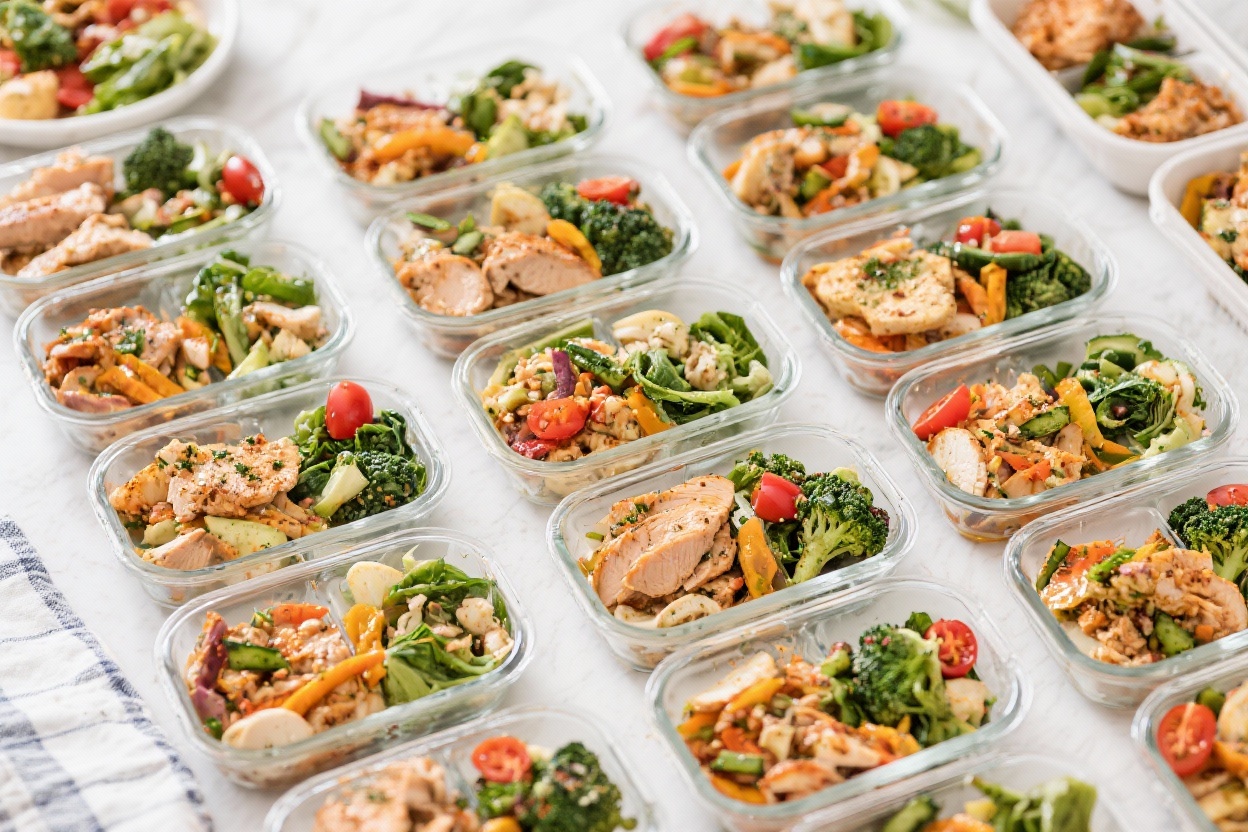
Easy weekly meal prep routine – This routine focuses on a flexible base, quick proteins, and mix-and-match flavors so you don’t get
- Plan your mix-and-match menu. Choose 2 proteins, 2 starches, and 3–4 veggies. Pick 2 sauces. Think: chicken + tofu, rice + potatoes, broccoli + peppers + tomatoes + greens, lemon herb + spicy peanut.
- Preheat and prep. Heat oven to 425°F (220°C). Line two sheet pans. Rinse grains. Drain beans if using. Press tofu in a clean towel for 10 minutes to remove moisture.
- Start the grains. Cook brown rice or quinoa according to package directions. For extra flavor, add a pinch of salt and a squeeze of lemon at the end. Set aside to cool.
- Season the proteins. For chicken: toss with 1 tbsp olive oil, 1 tsp garlic powder, 1 tsp smoked paprika, salt, and pepper. For tofu: cube and toss with 1 tbsp soy sauce, 1 tsp cornstarch (optional), and a drizzle of oil. For ground turkey: season with 1 tsp cumin, 1 tsp chili powder, salt, and pepper.
- Prep the veggies. Chop broccoli into florets, slice peppers and onion, halve cherry tomatoes, cube potatoes or sweet potatoes. Toss firm veggies (broccoli, peppers, onions, potatoes) with oil, salt, and pepper.
- Roast in batches. Add chicken and potatoes to one pan; tofu and broccoli/peppers/onion to the other. Roast 20–25 minutes, flipping halfway. Tomatoes can roast for the last 10 minutes for sweetness.
- Cook stovetop protein if needed. Brown ground turkey or beef in a skillet over medium heat, 6–8 minutes. Drain if needed. Stir in a splash of soy sauce or lemon for brightness.
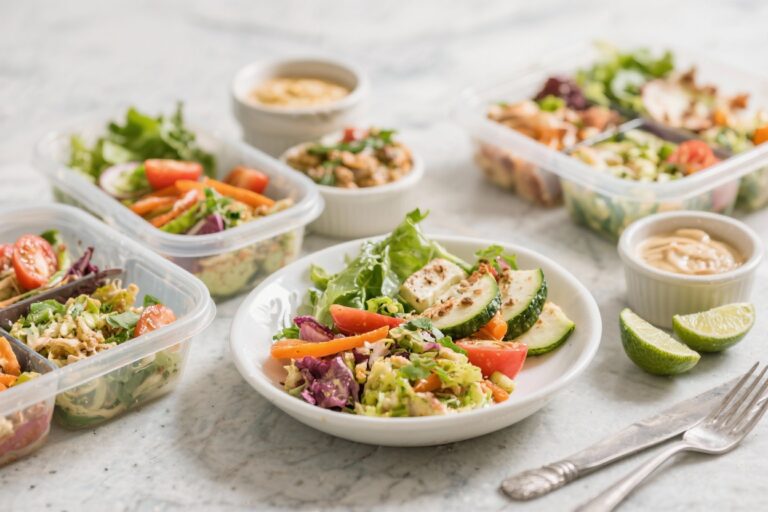
- Make the sauces. Whisk each sauce in a small bowl or jar. Adjust to taste with more acid, salt, or sweetness. Keep sauces separate to avoid soggy meals.
- Assemble base boxes. Split grains among containers. Add a handful of greens to a few for quick salads. Divide roasted veggies evenly.
- Add proteins and label. Top each container with chicken, tofu, or ground turkey. Label lids with the sauce pairing (e.g., “Lemon Herb” or “Spicy Peanut”) and day of the week.
- Cool and store. Let food cool to room temp (no more than 1 hour) before sealing. Store sauces separately in small jars.
- Build meals through the week.
- Bowl: rice + chicken + broccoli + lemon herb sauce + feta.
- Wrap: tortilla + turkey + peppers + yogurt garlic + greens.
- Salad: mixed greens + tofu + cherry tomatoes + cucumber + lemon herb.
- Roast plate: potatoes + salmon or beans (if using) + tomatoes + spicy peanut drizzle.
Storage Instructions
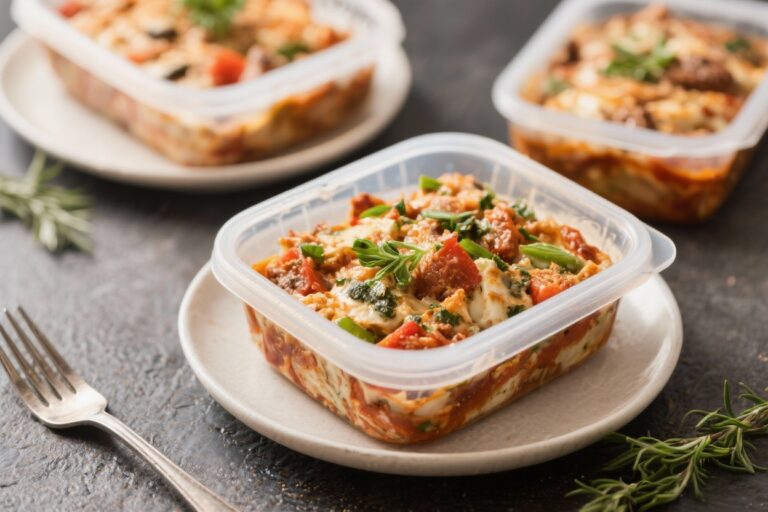
- Refrigerator: Store cooked proteins, grains, and roasted veggies in airtight containers for 3–4 days. Keep sauces in separate small jars for up to 1 week (yogurt-based sauces 3–4 days).
- Freezer: Freeze cooked chicken, turkey, rice, and roasted potatoes up to 2–3 months. Avoid freezing fresh greens, cucumbers, and yogurt sauces.
- Reheating: Reheat bowls in the microwave 1–2 minutes, adding sauce after heating. For crispier tofu or potatoes, reheat in a skillet or air fryer for 5–7 minutes.
- Food safety: Cool food quickly, label with dates, and reheat to steaming hot. When in doubt, throw it out.
Health Benefits
- Balanced macros: Each meal includes protein, fiber-rich carbs, and healthy fats, which supports steady energy and fewer cravings.
- High in fiber: Beans, whole grains, and veggies support digestion, heart health, and fullness.
- Lower sodium and sugar: Homemade sauces let you control salt and sweeteners compared to store-bought dressings.
- Built-in portion control: Pre-portioned meals help with mindful eating and reduce food waste.
- Consistency without boredom: Rotating sauces and toppings keeps flavor high while keeping the process simple.
What Not to Do
- Don’t sauce too early. Sauces can make grains and greens soggy. Add them right before eating.
- Don’t mix raw and cooked. Keep raw salad veggies separate from hot components until serving, especially if reheating.
- Don’t overload the pans. Crowded veggies steam instead of roast. Use two pans or cook in batches for caramelized edges.
- Don’t skip cooling time. Sealing hot food traps steam and causes condensation, which shortens shelf life.
- Don’t cook everything the same way. Mix roasted, fresh, and sautéed components for better texture and flavor.
Recipe Variations
- Mediterranean: Chicken with oregano and lemon, quinoa, roasted zucchini and tomatoes, feta, olives, and yogurt garlic sauce.
- Southwest: Ground turkey with cumin and chili, brown rice, peppers and onions, corn, black beans, avocado, and lime-cilantro dressing.
- Asian-Inspired: Tofu with soy and sesame, jasmine rice or brown rice, broccoli and carrots, spicy peanut or ginger-sesame sauce.
- Vegetarian: Roasted chickpeas, quinoa, sweet potatoes, spinach, cucumber, cherry tomatoes, lemon herb sauce, and pumpkin seeds.
- Low-Carb: Grilled salmon or chicken, cauliflower rice, roasted broccoli, greens, and a creamy avocado-lime sauce.
FAQ
How many meals does this routine make?
With two proteins, two starches, and a full sheet pan of veggies, you’ll get about 6–10 meals, depending on portion sizes. For larger appetites, plan on six fuller portions. For lighter lunches, you may stretch it to ten.
Can I prep everything in under two hours?
Yes. Start grains first, roast proteins and veggies at the same time, and mix sauces while everything cooks. Overlap tasks and you’ll finish in 90–120 minutes.
What if I don’t have an oven?
Use a stovetop: pan-sear chicken, sauté tofu until crispy, and steam or sauté vegetables. A large skillet and a pot for grains will do the job.
How do I keep salads from getting limp?
Store greens dry with a paper towel in a sealed container. Add wet ingredients (tomatoes, cucumber) and dressing right before eating. Keep proteins and grains separate if you plan to reheat them.
Is it okay to reheat cooked chicken more than once?
It’s best to reheat only once. Portion meals so you heat what you’ll eat. If you must reheat again, make sure it’s piping hot and consume immediately.
What containers work best?
Glass containers with tight lids are great for reheating and avoiding stains. For salads and sauces, use small lidded jars. Stackable, uniform sizes save fridge space.
How do I add more flavor without extra calories?
Use acid and spices: lemon or lime juice, vinegar, fresh herbs, garlic, ginger, and spice blends. A finishing squeeze of citrus brightens flavors without added calories.
Can I make it gluten-free or dairy-free?
Yes. Use gluten-free grains like rice or quinoa and tamari instead of soy sauce. For dairy-free, skip yogurt sauces or use coconut yogurt. Always check labels if you have allergies.
In Conclusion
A smart weekly meal prep routine doesn’t need complicated recipes or hours in the kitchen. With a few solid building blocks, some roasted veggies, and two good sauces, you can eat well all week without thinking too hard. Keep it flexible, switch up flavors, and use what you have. Your fridge will look organized, your meals will taste great, and weekday you will thank weekend you.