Healthy Weekly Meal Prep Plan – Simple, Balanced, and Ready to Go
Healthy Weekly Meal Prep Plan – Simple, Balanced, and Ready to Go
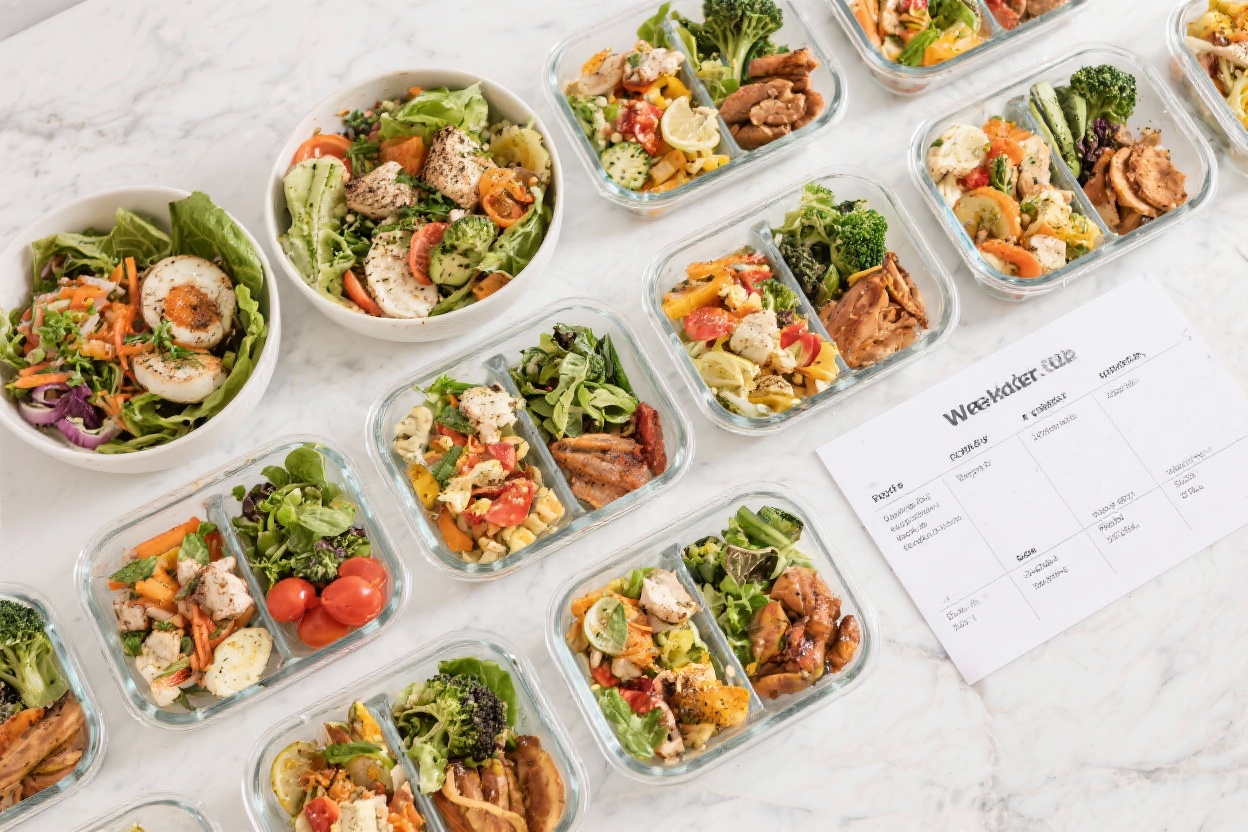
Meal prep doesn’t have to be complicated to be effective. With a bit of planning, you can cook once, eat well all week, and skip last-minute stress. This healthy weekly meal prep plan keeps things flexible, affordable, and satisfying. It centers around lean proteins, whole grains, colorful veggies, and a few sauces to keep flavors exciting. If you’re busy but want to feel energized, this plan is a great place to start.
Why This Recipe Works
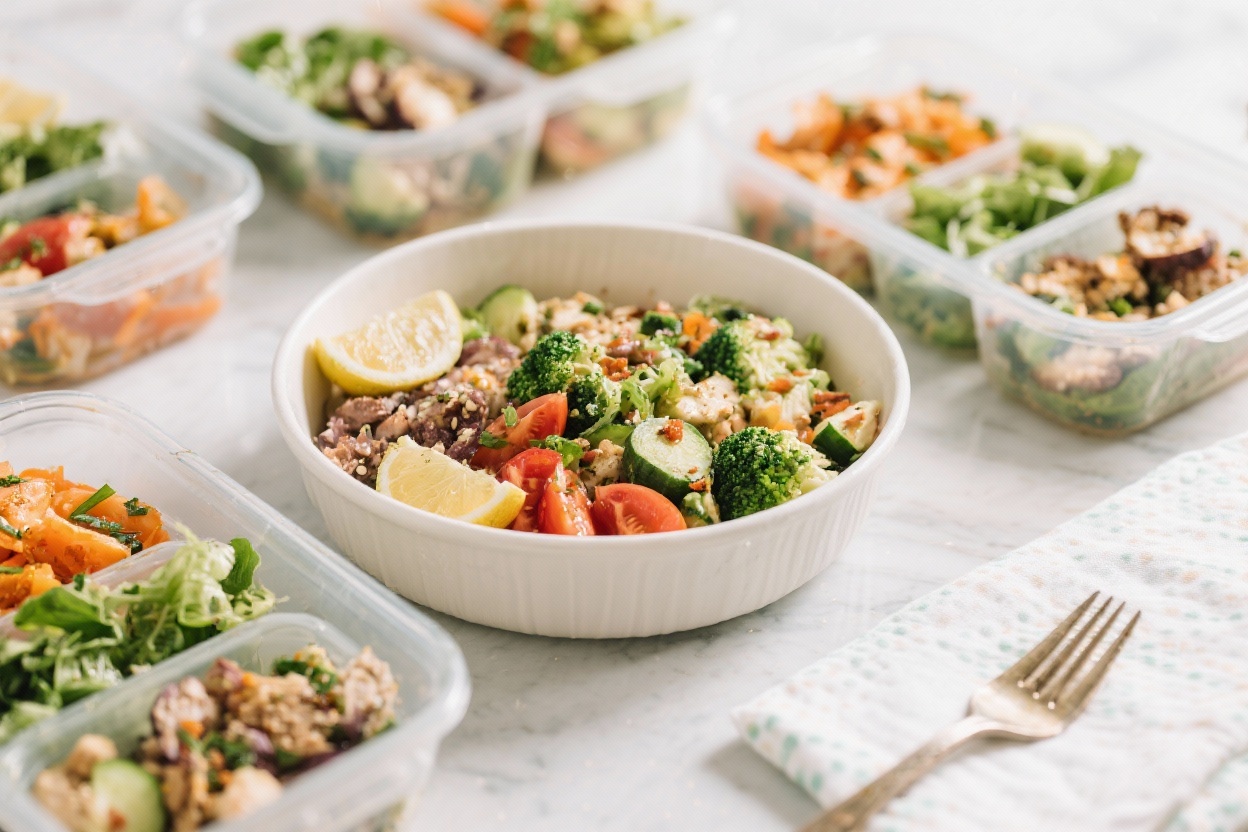
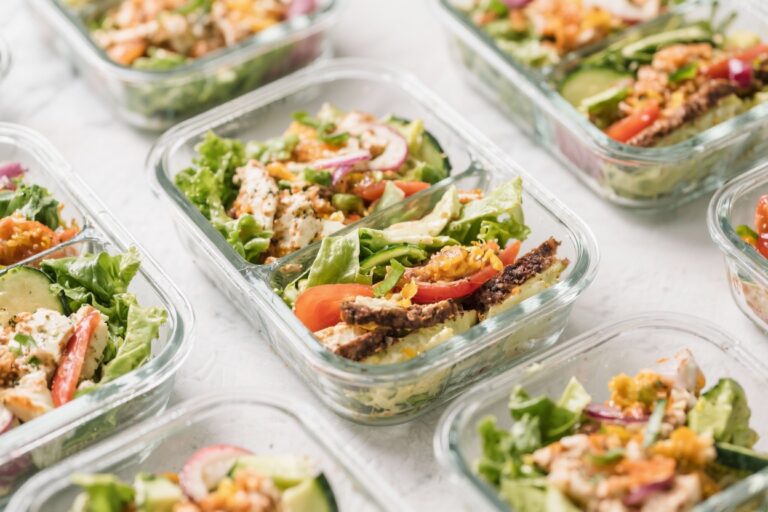
Healthy weekly meal prep plan – Healthy Weekly Meal Prep Plan – Simple, Balanced, and Ready to Go Meal prep doesn’t have to be compl
This plan uses a “mix-and-match” approach, so you’re not stuck eating the same bowl every day. You prep a few core building blocks, then assemble quick meals with different flavors and textures. Everything cooks on sheet pans, in one pot, or in a single skillet for less cleanup. You’ll also get smart portioning tips, so you can eat well without overthinking calories. Best of all, the ingredients are easy to find and budget-friendly.
Ingredients
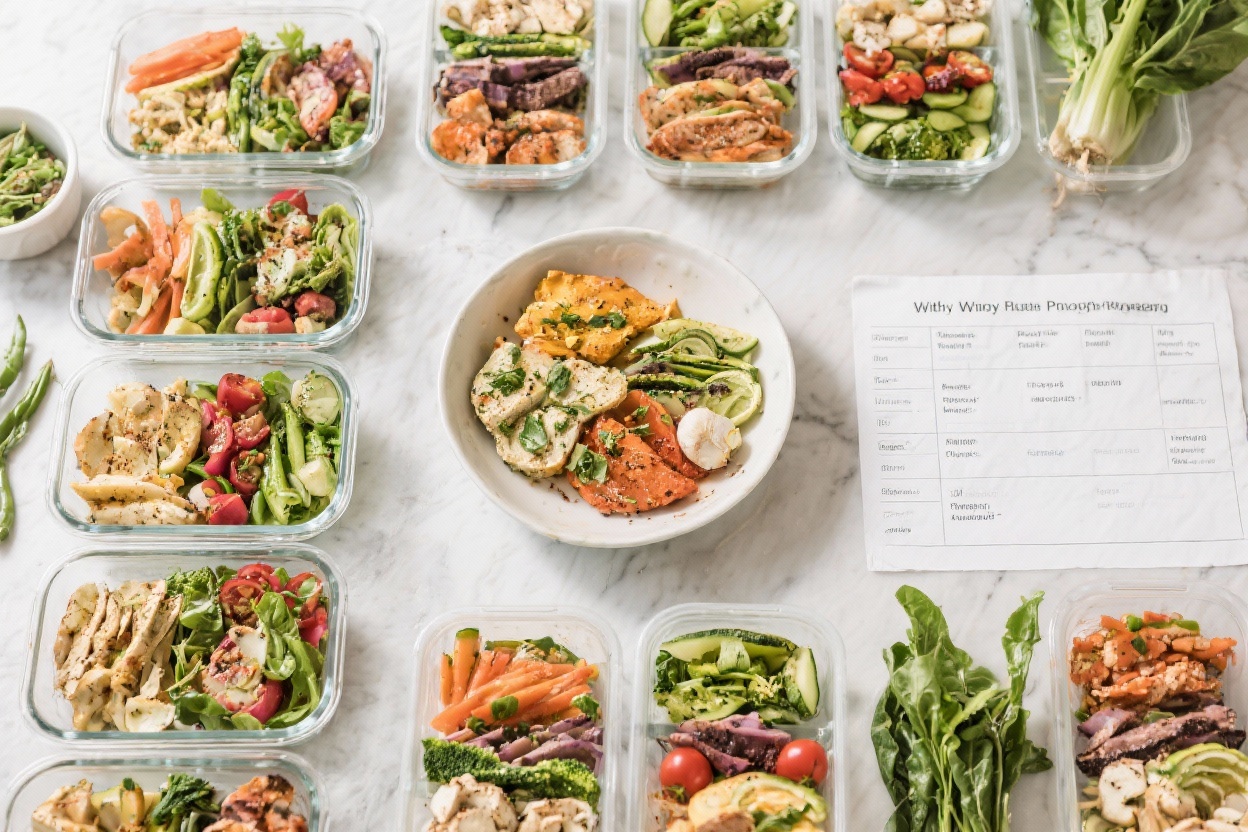
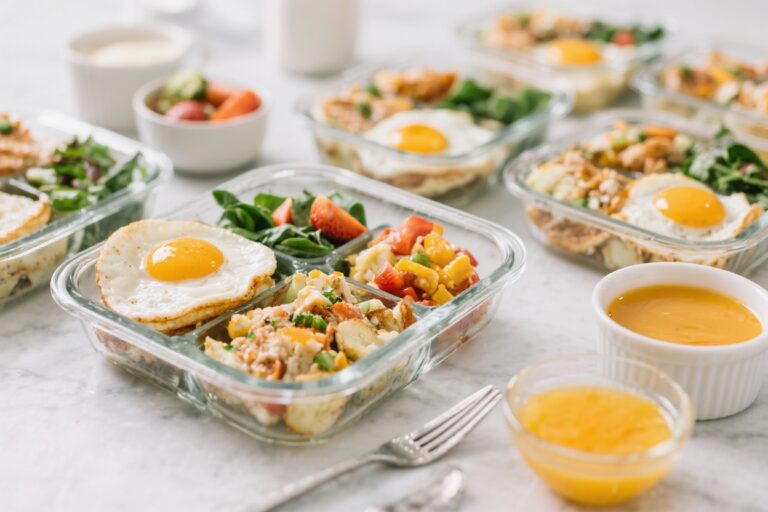
Healthy weekly meal prep plan – With a bit of planning, you can cook once, eat well all week, and skip last-minute stress
- Proteins:2 lbs boneless, skinless chicken breasts or thighs1 lb extra-firm tofu (pressed) or 1 lb salmon fillets (choose one for variety)1 can (15 oz) chickpeas, drained and rinsed
- Whole grains and starches:2 cups dry brown rice or quinoa1 lb baby potatoes or sweet potatoes6 whole-grain tortillas or pitas (optional)
- Vegetables:1 large head broccoli, cut into florets2 bell peppers, sliced2 cups cherry tomatoes1 red onion, sliced1 large cucumber, diced1 bag mixed greens or spinach2 carrots, shredded or sliced
- Fats and flavor:3 tbsp olive oil or avocado oil1 lemon and 1 lime2–3 cloves garlic, minced1 tsp smoked paprika1 tsp ground cumin1 tsp dried oreganoSalt and black pepper
- Simple sauces (make or buy):Greek yogurt or hummusSalsa or hot sauceTahini or a light vinaigretteSoy sauce or coconut aminos (optional) make ahead meals for busy weeks
Instructions

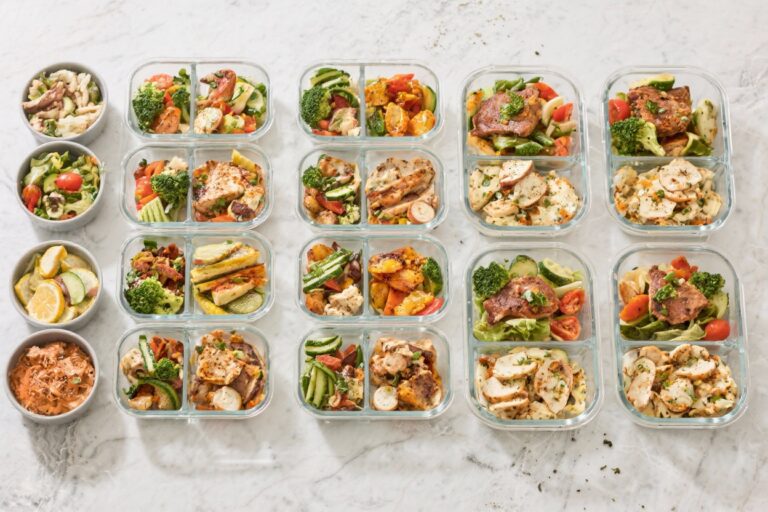
Healthy weekly meal prep plan – This healthy weekly meal prep plan keeps things flexible, affordable, and satisfying
- Plan your portions. Aim for 4–5 days of lunches and 2–3 dinners. Use a simple plate guide: half vegetables, a quarter protein, a quarter whole grains, plus a little healthy fat.
- Cook the grains. Rinse 2 cups brown rice or quinoa. Cook according to package directions. Fluff with a fork and portion into containers to cool.
- Prep the proteins. Pat chicken dry. Toss with 1 tbsp oil, paprika, cumin, oregano, salt, and pepper. For tofu, press excess water, cube, and toss with 1 tbsp oil, soy sauce (optional), and pepper. If using salmon, season simply with salt, pepper, and a squeeze of lemon.
- Roast the vegetables. Heat oven to 425°F (220°C). On two sheet pans, spread broccoli, bell peppers, cherry tomatoes, red onion, and halved baby potatoes. Toss with 1 tbsp oil, minced garlic, salt, and pepper. Roast for 20–25 minutes, stirring once, until tender and slightly browned.
- Cook the proteins.
- Chicken: Bake on a separate sheet at 425°F for 18–22 minutes, or pan-sear 6–7 minutes per side until done.
- Tofu: Roast on a lightly oiled pan at 425°F for 20–25 minutes, flipping once.
- Salmon: Bake at 400°F (205°C) for 10–12 minutes, or until it flakes easily.
- Make a quick salad base. Combine mixed greens, cucumber, and carrots in a large container. Keep undressed to stay crisp. Add lemon wedges on the side.
- Stir together two quick sauces.
- Yogurt herb sauce: 1 cup Greek yogurt, juice of half a lemon, pinch of salt, pepper, and dried oregano.
- Tahini lemon drizzle: 2 tbsp tahini, juice of half a lemon, splash of water to thin, pinch of salt.
- Assemble core meals.
- Bowl 1: Brown rice or quinoa + chicken + roasted broccoli + yogurt sauce.
- Bowl 2: Roasted potatoes + tofu + peppers and onions + tahini drizzle.
- Salad: Mixed greens + chickpeas + cucumber + tomatoes + vinaigrette.
- Portion and label. Use individual containers. Add sauces in separate small cups. Label with date and contents.
- Store safely. Let everything cool to room temperature for 20–30 minutes, then refrigerate promptly.
Storage Instructions
- Refrigerator:Cooked grains, chicken, tofu, and roasted vegetables keep for 4 days. Salmon is best within 2–3 days.
- Freezer:Freeze cooked chicken, tofu, and grains for up to 2 months. Roasted veggies freeze okay but may soften; better for soups or scrambles later.
- Keep sauces separate:Store yogurt, tahini, and vinaigrette in small containers to prevent soggy meals.
- Reheating:Reheat bowls in the microwave for 60–90 seconds, or in a skillet with a splash of water. Add fresh greens or sauces after heating.
- Fresh components:Chop cucumbers, salad greens, and herbs as needed to keep crunch and color. For a simple plan for stress-free eating, see our Easy Weekly Meal Prep Routine.
Why This is Good for You
- Balanced macronutrients: You get protein for muscle repair, complex carbs for steady energy, and healthy fats to keep you full.
- Fiber-rich: Whole grains, beans, and vegetables support digestion and help manage appetite.
- Micronutrient variety: The color range of veggies boosts vitamins A, C, K, and minerals like potassium and iron.
- Blood sugar friendly: Pairing protein and fiber with carbs helps minimize energy crashes.
- Sustainable habits: Prepping ahead reduces decision fatigue and supports consistent, healthy choices.
What Not to Do
- Don’t overcomplicate the menu. Too many recipes lead to burnout. Stick to a few core items and rotate seasonings.
- Don’t skip seasoning. Salt, pepper, citrus, and a couple spices turn “healthy” into “delicious.”
- Don’t mix wet and dry too early. Keep dressings and sauces separate to avoid soggy meals.
- Don’t let food sit out too long. Cool briefly, then refrigerate within two hours to stay safe.
- Don’t ignore portioning. Even healthy foods can be easy to overeat. Use a simple half-veggies, quarter-protein, quarter-grains guide.
Recipe Variations
- Mediterranean: Use oregano, lemon, and garlic on chicken. Add olives, feta, and a tomato-cucumber salad. Serve with hummus and whole-grain pitas.
- Southwest: Season proteins with chili powder, cumin, and paprika. Add corn, black beans, and salsa. Finish with avocado and lime.
- Asian-inspired: Marinate tofu or chicken in soy sauce, ginger, and garlic. Add edamame and shredded cabbage. Drizzle with a light sesame dressing.
- Plant-forward: Use tofu and chickpeas as mains. Swap rice for quinoa and add extra roasted veggies like cauliflower and zucchini.
- Low-carb: Replace grains with cauliflower rice or extra greens. Keep healthy fats from avocado, tahini, or olive oil.
FAQ
How many meals does this plan make?
It usually makes 8–10 meals, depending on portion sizes and whether you add tortillas or extra veggies. You can scale up or down easily by adjusting the protein and grain amounts.
Can I prep everything on Sunday and eat it all week?
Yes, with a few tweaks. Eat salmon early in the week and keep sauces separate. If you want food for Friday and beyond, freeze portions on Tuesday and thaw overnight when needed.
What if I don’t eat chicken or tofu?
Use turkey, lean beef, tempeh, lentils, or more chickpeas. The same seasoning and roasting methods work well for all of them.
How do I keep meals from getting boring?
Use two sauces and two spice blends each week. Switch up the base (rice one day, potatoes the next, greens another). Fresh herbs, lemon or lime, and crunchy toppings like nuts or seeds make a big difference.
Do I need a food scale or calorie tracking?
No. A simple plate method works well: half vegetables, a quarter protein, a quarter whole grains, plus a small amount of healthy fat. If you have specific goals, a scale can help, but it’s not required.
What containers should I use?
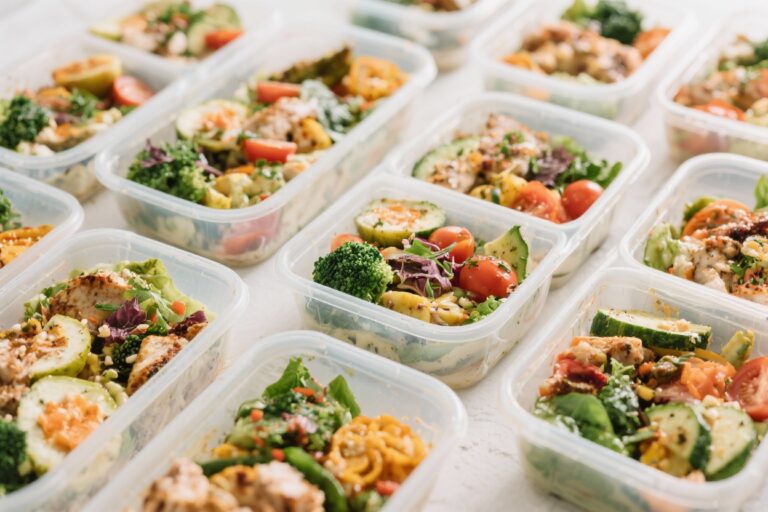
Use airtight glass or BPA-free plastic containers with compartments if possible. Small lidded cups for sauces keep meals fresh and prevent spills.
Can I meal prep without an oven?
Yes. Cook grains on the stove, pan-sear proteins, and steam or sauté vegetables. A sheet pan is convenient, but a large skillet and a pot do the job.
How do I reheat without drying out the protein?
Add a splash of water or broth, cover the container loosely, and microwave in short bursts. Sauces added after reheating also help keep things moist and flavorful.
Is this plan kid-friendly?
Usually, yes. Keep spices mild, offer sauces on the side, and include a familiar option like potatoes or wraps. Let kids build their own bowls from the prepared components.
How can I add more protein?
Double the chickpeas, add a boiled egg to salads, or include Greek yogurt as a dip. You can also increase chicken or tofu portions by a few ounces per meal.
In Conclusion
A healthy weekly meal prep plan doesn’t require fancy recipes or hours in the kitchen. With a few solid basics—lean protein, whole grains, roasted veggies, and bright sauces—you can build satisfying meals in minutes. Keep it flexible, stay stocked with simple staples, and adjust flavors to match your mood. A little planning now means easier choices later, and that consistency adds up to real results.