Make Ahead Meals for Busy Weeks – Simple Ways to Cook Once and Eat Well
Make Ahead Meals for Busy Weeks – Simple Ways to Cook Once and Eat Well
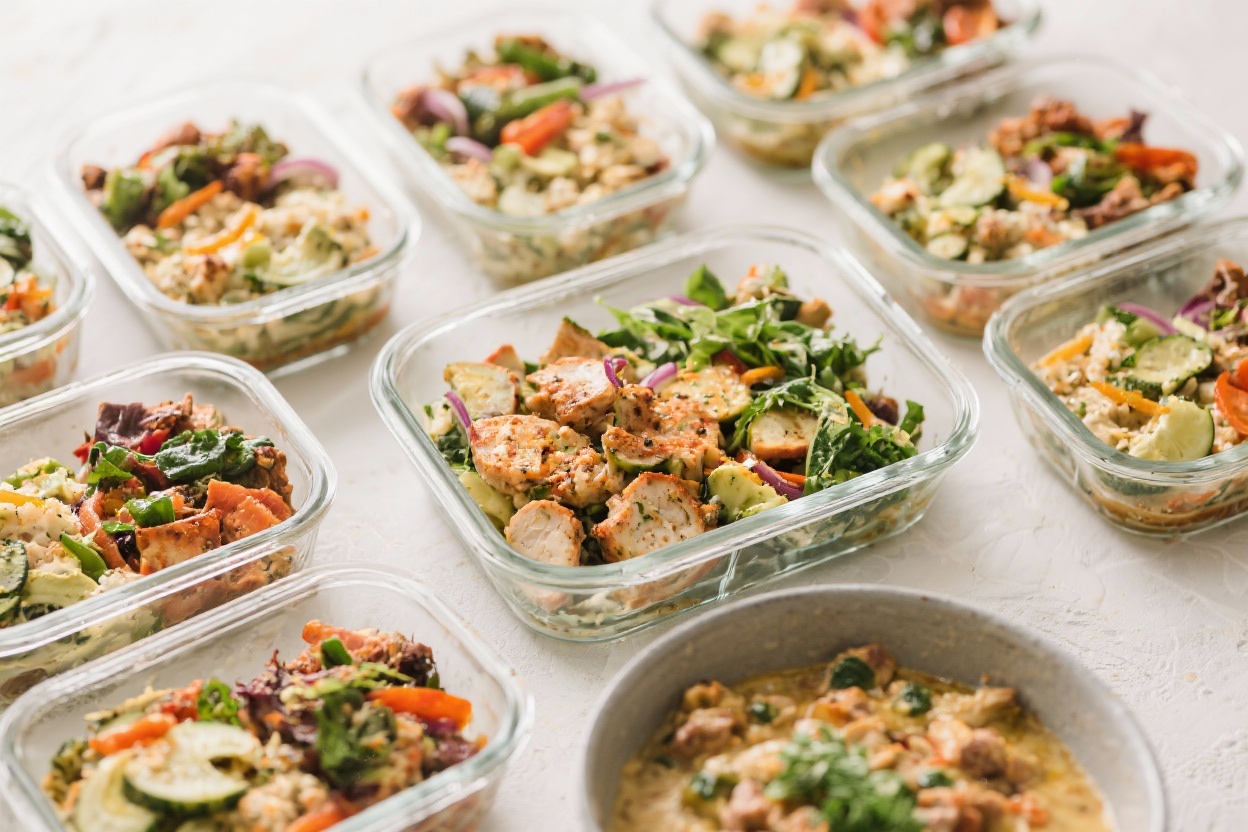
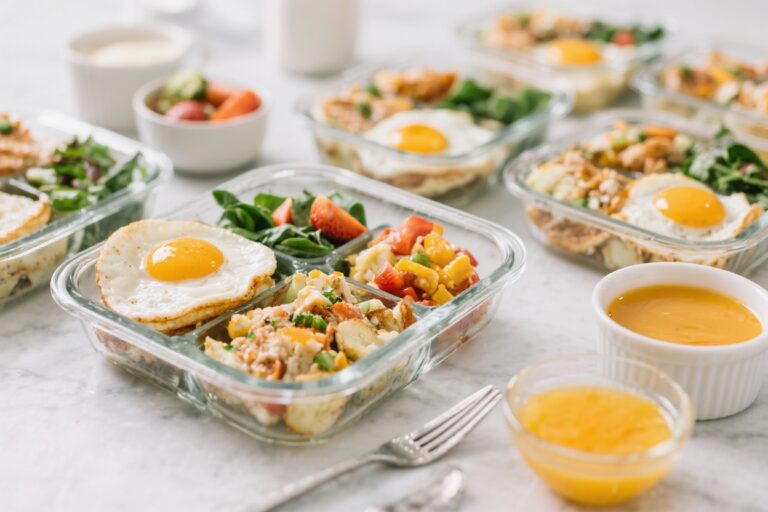
If your weekdays move fast and dinner sneaks up on you, you’re not alone. Make ahead meals take the pressure off by letting you cook when you have time and eat when you don’t. With a little planning, you can stock your fridge and freezer with food that heats up beautifully. Think hearty casseroles, sheet pan proteins, grain bowls, and slow cooker staples that last. The goal is straightforward: less stress, more good food, and a smoother week.
What Makes This Special
Make ahead meals for busy weeks – Make Ahead Meals for Busy Weeks – Simple Ways to Cook Once and Eat Well If your weekdays move fast a
Make ahead meals aren’t about strict meal prep with tiny containers and bland chicken. They’re about building a flexible base of components you can mix and match. Roast a pan of chicken, cook a pot of grains, chop a few vegetables, and you’ve got several meals ready. You’ll save time, cut down on dishes, and avoid last-minute takeout. Best of all, you get home-cooked meals that actually taste good on day two—or five.
Ingredients
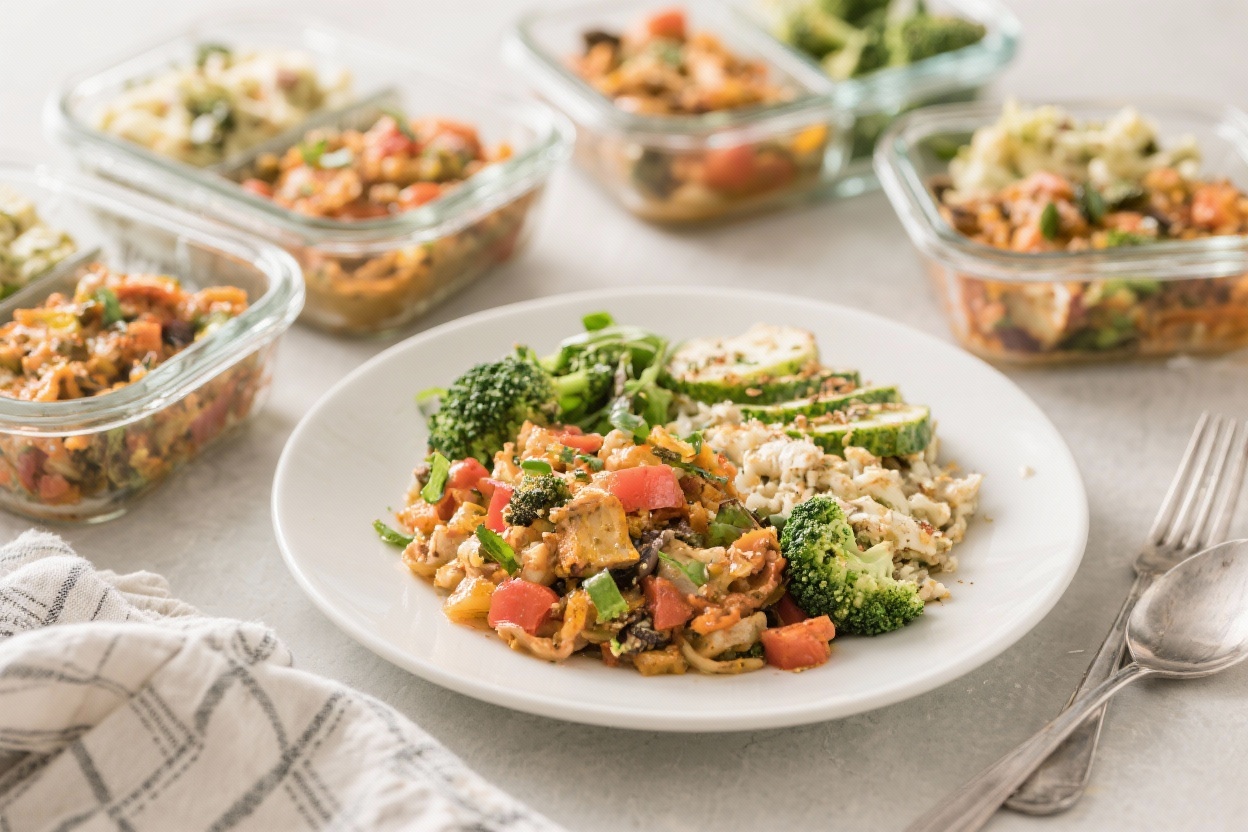
Make ahead meals for busy weeks – Make ahead meals take the pressure off by letting you cook when you have time and eat when you don’t
Here’s a simple, versatile base you can turn into multiple meals all week:
- Proteins:2 pounds boneless skinless chicken thighs, 1 pound ground turkey or beef, 1 can chickpeas (15 oz), 1 block firm tofu
- Grains & Starches:2 cups dry brown rice or quinoa, 1 pound small potatoes or sweet potatoes, 1 package whole-grain tortillas or pitas
- Vegetables:2 bell peppers, 1 red onion, 1 head broccoli, 2 cups baby spinach, 1 zucchini, 1 bag frozen mixed vegetables
- Flavor Makers:4 cloves garlic, 1 lemon, 2 limes, 1 bunch cilantro or parsley, 1 small piece fresh ginger (optional)
- Pantry Staples:Olive oil, soy sauce or tamari, balsamic vinegar, canned tomatoes (14 oz), tomato paste, honey or maple syrup, chili flakes, salt, black pepper, cumin, paprika, Italian seasoning
- Sauces & Toppings:Greek yogurt, salsa, hot sauce, shredded cheese, hummus, jarred pesto or jarred pesto or harissa
With this list, you can assemble casseroles, bowls, tacos, soups, and salads with minimal extra shopping.
Instructions
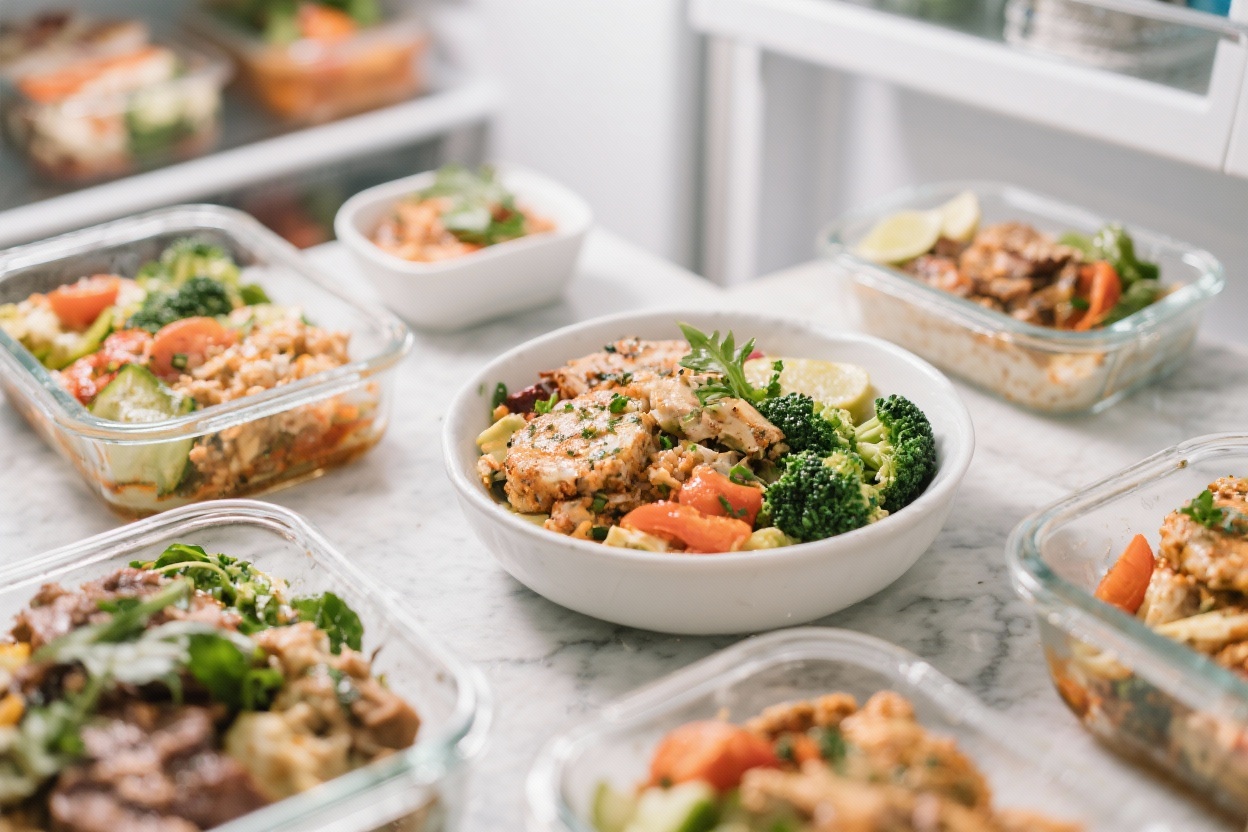
Make ahead meals for busy weeks – With a little planning, you can stock your fridge and freezer with food that heats up beautifully
- Set your plan. Pick 2–3 core meals for the week, like a casserole, a soup, and a protein for bowls or tacos. Keep it simple and repeat ingredients to save time.
- Batch-cook a grain. Cook 2 cups dry brown rice or quinoa according to package directions. Cool fully and store in a lidded container. This builds bowls, burritos, and quick sides.
- Roast a sheet pan of proteins and vegetables. Toss chicken thighs with olive oil, salt, pepper, paprika, and garlic. On the same pan, add chopped potatoes, bell peppers, and red onion. Roast at 425°F (220°C) for 25–35 minutes until the chicken is cooked through and veggies are tender. Cool and slice the chicken.
- Make a quick skillet base. Brown the ground turkey or beef with salt, pepper, cumin, and chili flakes. Stir in canned tomatoes and a spoon of tomato paste. Simmer 10 minutes until saucy. This works in pasta, stuffed peppers, or tacos.
- Press and bake tofu. Drain and press the tofu for 10–15 minutes. Cube, toss with soy sauce, a little honey, and cornstarch if you have it. Bake at 400°F (205°C) for 20–25 minutes until crisp. Great for bowls and stir-fries.
- Blanch or steam a green veg. Quickly steam broccoli until bright green and crisp-tender. Shock in cold water to stop cooking. You’ll have a fresh-tasting veg for the week.
- Mix a simple sauce or two. Try a lemon-herb yogurt (Greek yogurt, lemon juice, chopped herbs, salt) and a soy-ginger drizzle (soy sauce, grated ginger, lime, honey). Sauces keep meals interesting.
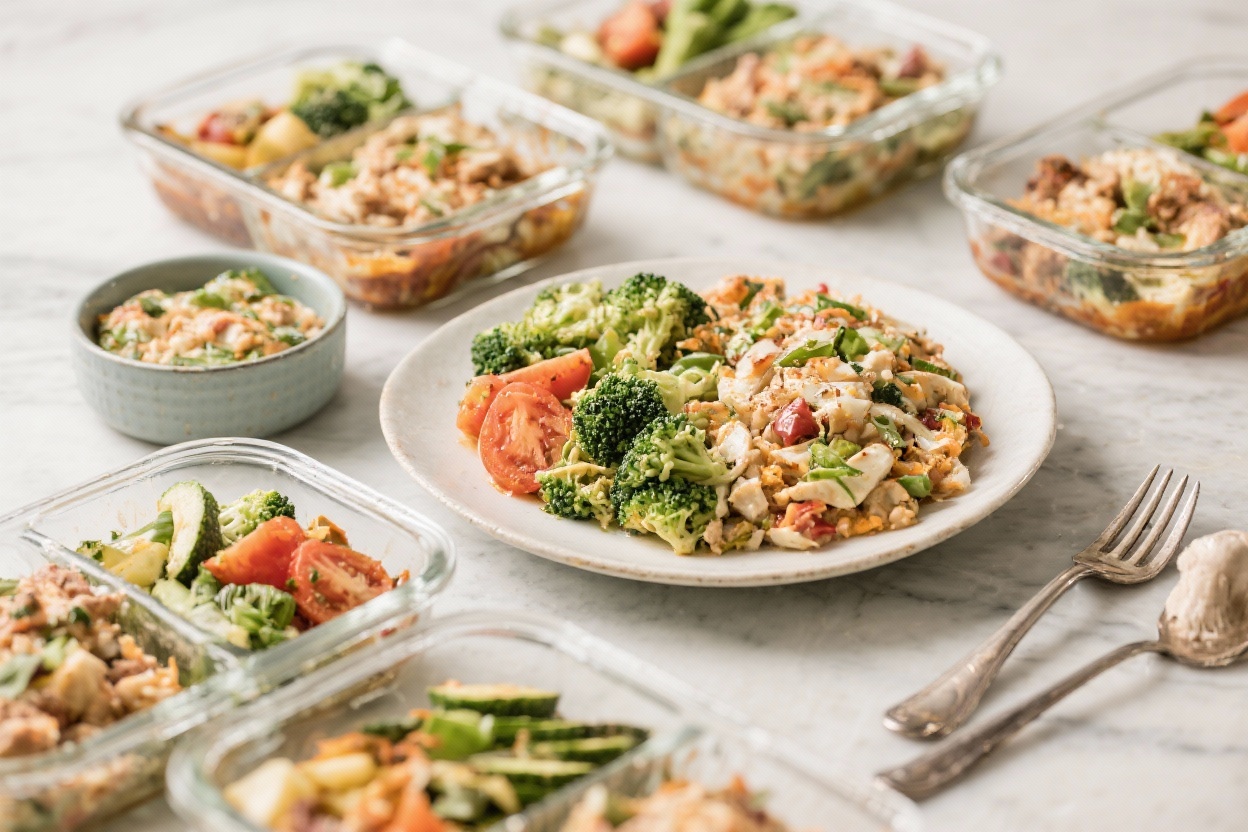
- Assemble at least one complete dish. Layer a casserole dish with cooked rice, roasted vegetables, and sliced chicken. Spoon on a little tomato sauce or pesto. Top with cheese if you like. Bake at 375°F (190°C) for 15–20 minutes to set. Cool before storing.
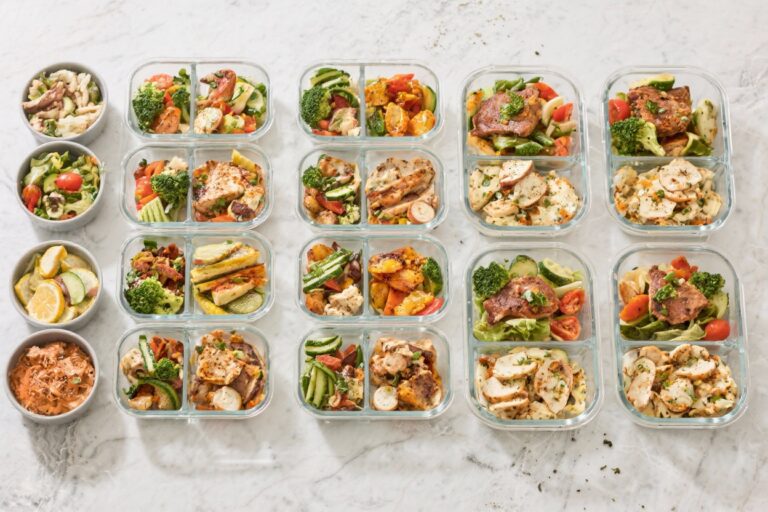
- Portion and label. Divide food into meal-sized containers. Label with the name and date. Keep two to three days’ worth in the fridge and freeze the rest.
- Plan quick finishing touches. Stock limes, hot sauce, chopped herbs, and shredded cheese. These last-minute add-ons make leftovers feel fresh.
Keeping It Fresh
- Cool before storing: Let food cool to room temp (no more than 2 hours out) before sealing. This prevents condensation and soggy textures.
- Use shallow containers: They chill faster and reheat more evenly.
- Fridge timeline: Most cooked proteins and grains last 3–4 days. Soups and stews can go 4 days. If you won’t eat it in time, freeze it on day one.
- Freezer-friendly picks: Chili, bolognese, casseroles, cooked chicken, rice, and roasted vegetables freeze well. Avoid freezing lettuce, yogurt sauces, or cucumbers.
- Reheat smart: Add a splash of water or broth to rice and saucy dishes. Cover loosely to trap steam. Stir halfway through if microwaving.
Why This is Good for You
- Better choices, fewer decisions: When dinner is ready to go, you skip the nightly “what’s for dinner” stress and avoid impulse takeout.
- Balanced meals by default: Building meals around protein, veggies, and whole grains keeps you full and energized.
- Portion control: Pre-portioned containers help you stick to what you planned without feeling restricted.
- Budget wins: Buying in bulk and repurposing ingredients across dishes reduces waste and saves money.
- Consistency: A steady routine helps you eat well even when life is hectic.
What Not to Do
- Don’t prep everything the same way: Variety matters. Cook different textures—some roasted, some saucy, some fresh.
- Don’t skip seasoning: Under-seasoned food tastes dull after sitting. Season generously and finish with acid (lemon, lime, vinegar).
- Don’t store wet and crunchy together: Keep sauces and dressings separate so grains and roasted foods stay crisp.
- Don’t reheat multiple times: Reheat only what you’re going to eat to keep food safe and tasty.
- Don’t ignore labels: Date everything. If you can’t remember when you made it, it’s easy to waste food.
Variations You Can Try
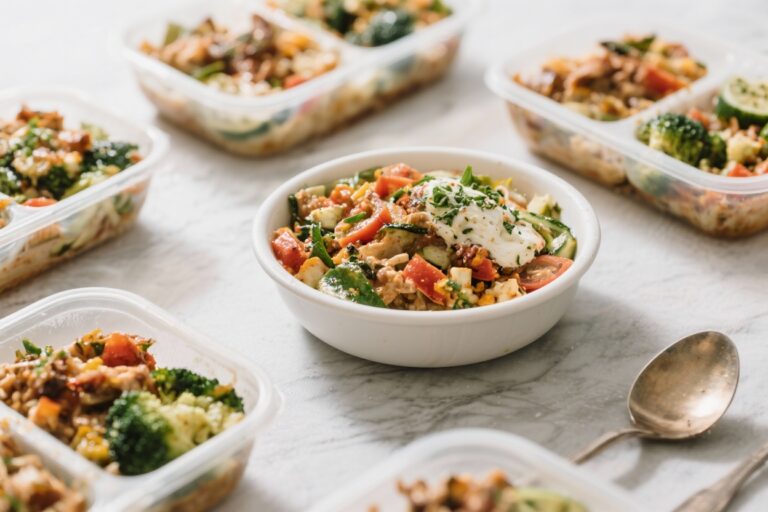
- Tex-Mex Bowls: Rice or quinoa, spiced ground turkey, roasted peppers, black beans, salsa, and lime yogurt.
- Mediterranean Mezze: Chicken or chickpeas, cucumbers and tomatoes (add fresh day-of), hummus, olives, pita, and a drizzle of olive oil and lemon.
- Sheet Pan Pesto Chicken: Chicken, zucchini, cherry tomatoes, pesto, and potatoes roasted together. Serve with rice or pasta.
- Tofu Stir-Fry: Crispy tofu, broccoli, frozen mixed veggies, soy-ginger sauce, and rice. Add chili flakes for heat.
- Hearty Soup: Sauté onion, garlic, and Italian seasoning. Add canned tomatoes, broth, beans, and small pasta or quinoa. Simmer and freeze in portions.
- Breakfast Burritos: Scrambled eggs, sautéed peppers, beans, and cheese in tortillas. Wrap and freeze. Reheat in a skillet or microwave.
- Stuffed Sweet Potatoes: Roast sweet potatoes. Fill with taco meat or chickpeas, spinach, and a spoon of yogurt or hot sauce.
FAQ
How long can I keep make ahead meals in the fridge?
Most cooked dishes are good for 3–4 days in the fridge. Soups and stews sometimes stretch to 4 days. If you won’t eat it by then, freeze it early for best flavor and texture.
What reheats best without drying out?
Chili, stews, casseroles with sauce, and ground meat dishes hold moisture well. For rice or grains, add a splash of water and cover while reheating. For roasted meats, slice first and heat gently.
Can I prep salads ahead?
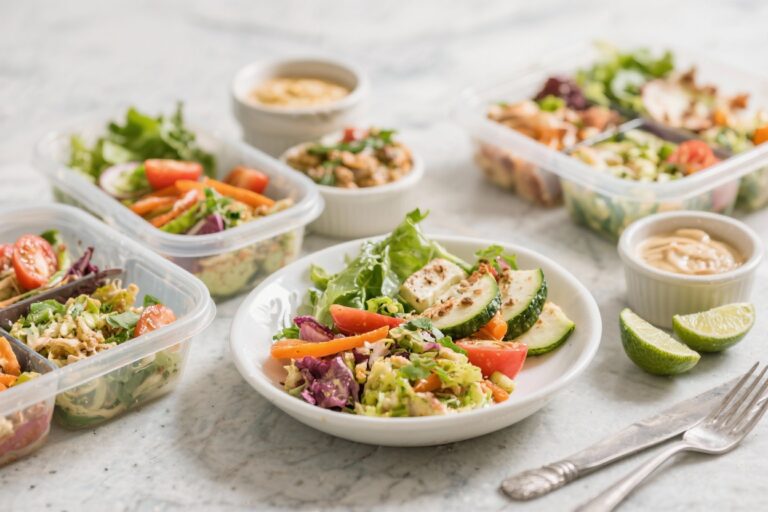
Yes, but keep greens and dressing separate. Use sturdy bases like kale, cabbage, or shredded Brussels sprouts. Add delicate toppings (tomatoes, cucumbers, avocado) right before eating.
What containers should I use?
Use BPA-free plastic or glass containers with tight lids. Shallow, rectangular containers store neatly and reheat evenly. Mason jars work well for soups and salads, but leave headspace if freezing.
How do I avoid flavor fatigue?
Change sauces and toppings. The same base chicken and rice can taste new with salsa and lime one day, pesto the next, and harissa yogurt another day. Herbs, citrus, and crunch (nuts, seeds) help a lot.
Is it safe to freeze cooked rice and pasta?
Yes. Cool quickly, portion, and freeze in airtight bags or containers. Reheat with a splash of water. Pasta is best slightly undercooked before freezing so it doesn’t go mushy.
What if I have only one hour on Sunday?
Cook one protein (sheet pan chicken or tofu), one grain (rice or quinoa), and one sauce. Buy pre-cut veggies or a bagged salad. That’s enough to make 3–4 fast meals.
Final Thoughts
Make ahead meals aren’t about perfection; they’re about reducing stress and eating well. A few reliable building blocks, a couple of sauces, and smart storage can transform your week. Start small, keep flavors bold, and repeat what works. With a little rhythm, weeknight dinner becomes the easiest part of your day.