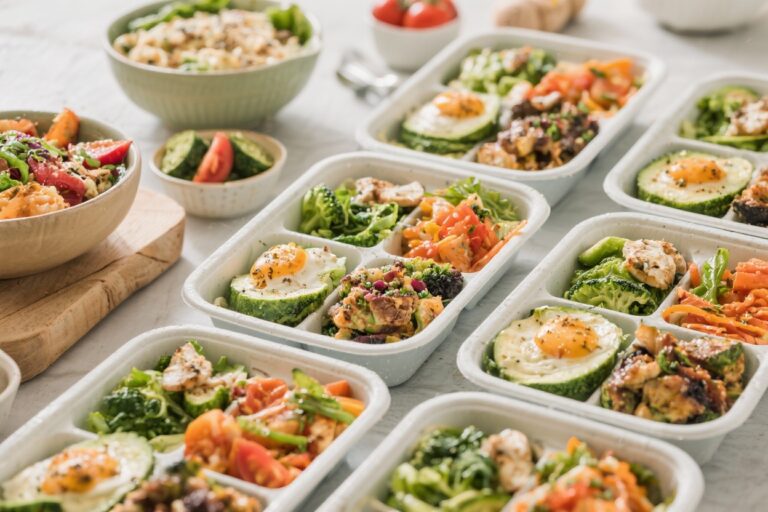
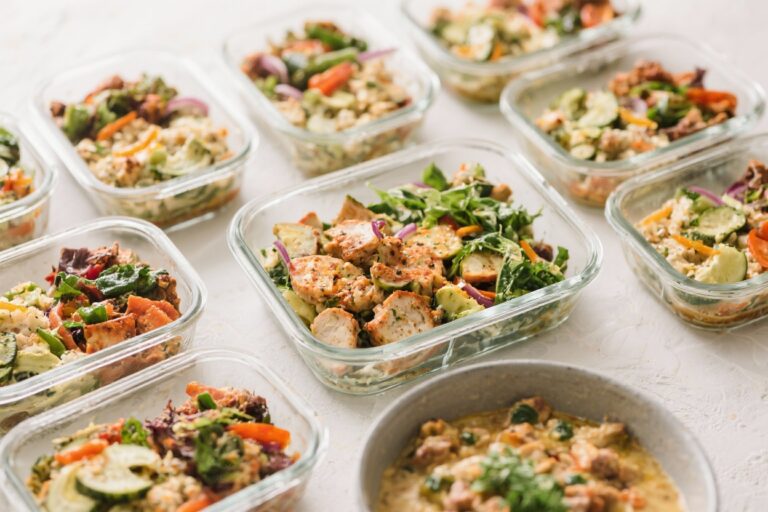
Freezer Friendly Make Ahead Dinners – Simple, Reliable, and Ready When You Are
Freezer Friendly Make Ahead Dinners – Simple, Reliable, and Ready When You Are
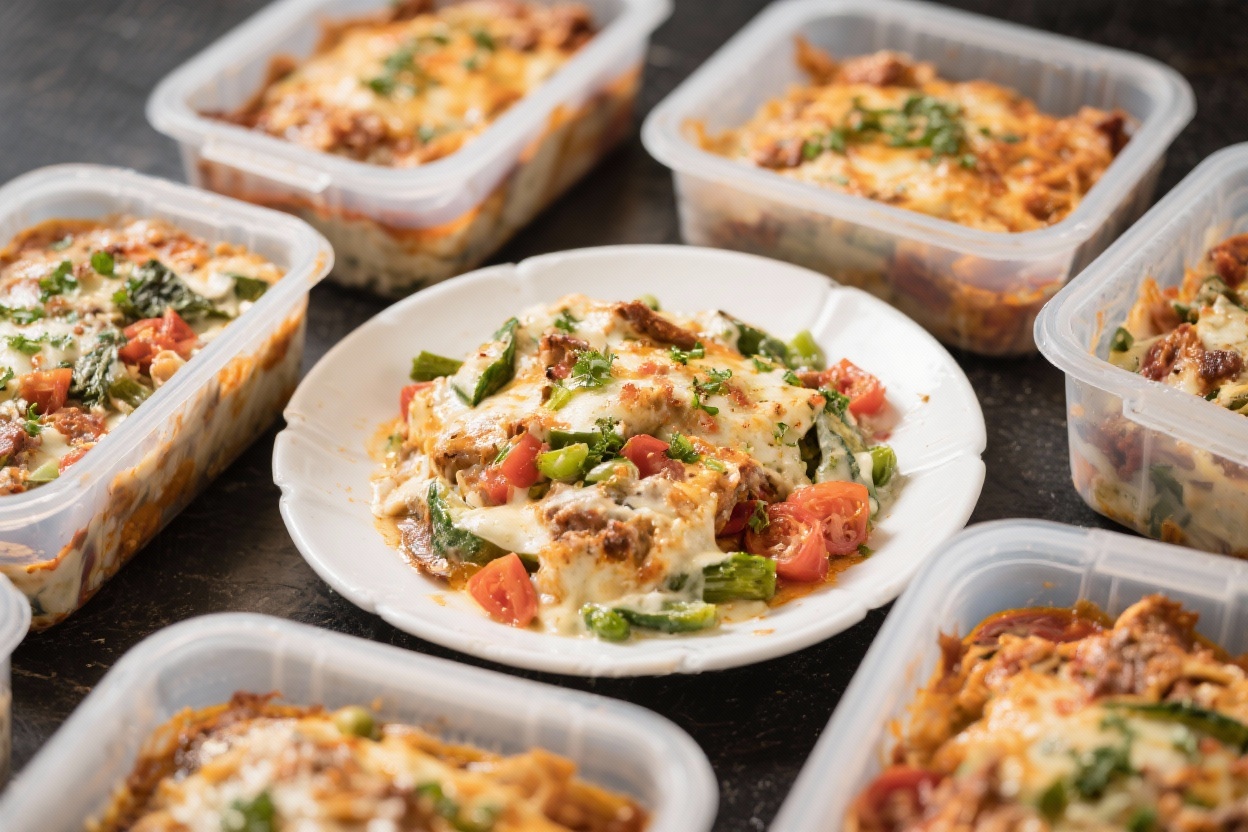
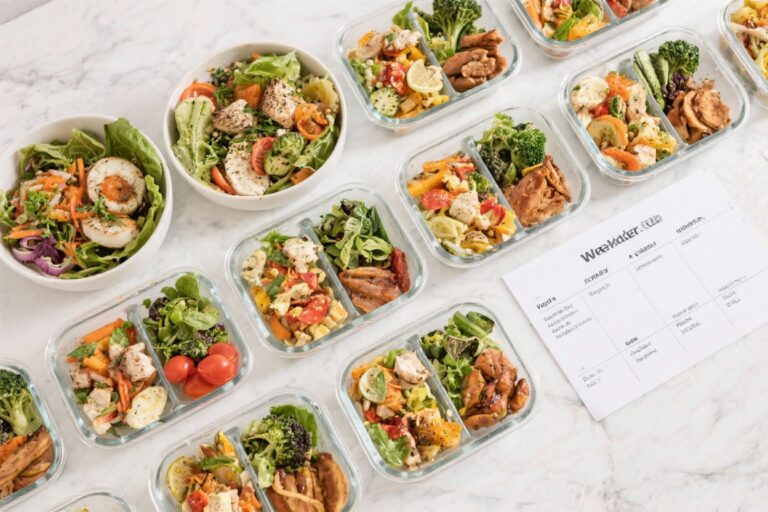
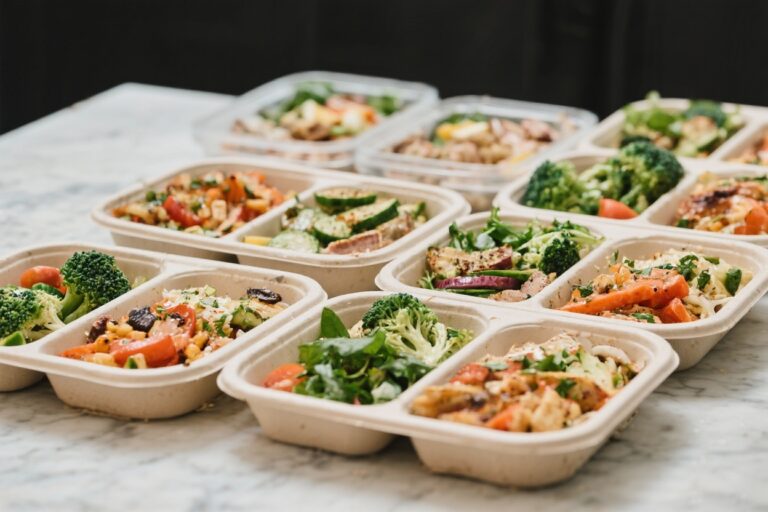
When life gets busy, having dinner ready to go in the freezer feels like a small miracle. Make-ahead meals save time, reduce stress, and keep you from defaulting to takeout. With a few smart strategies, you can stock your freezer with meals that actually taste fresh when reheated. Think hearty casseroles, flavorful stews, marinated proteins, and veggie-packed options that reheat beautifully. This guide walks you through what to make, how to store it, and tips to keep everything tasting great.
What Makes This Special
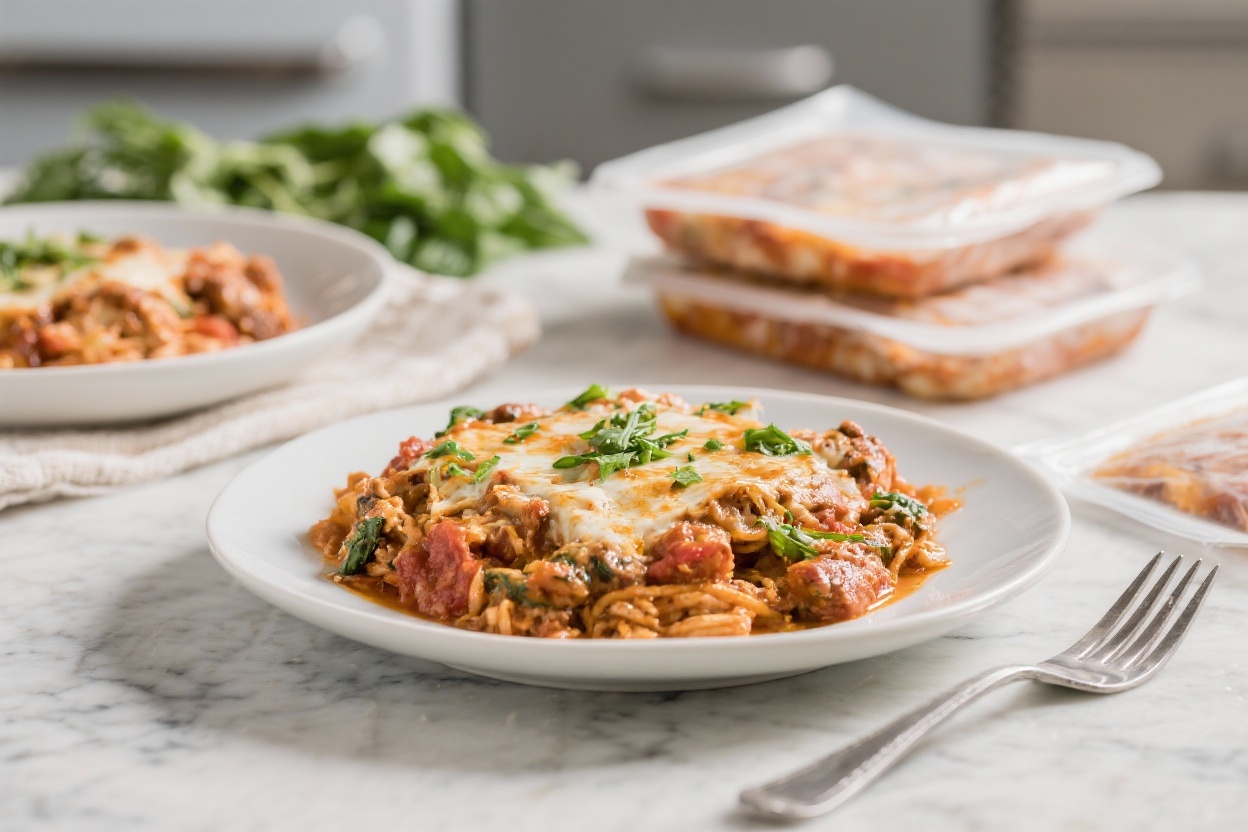
Freezer friendly make ahead dinners – Freezer Friendly Make Ahead Dinners – Simple, Reliable, and Ready When You Are When life gets busy,
Freezer-friendly dinners are about more than convenience—they’re about planning with flavor in mind. The best recipes freeze well without turning watery, mushy, or bland. You’ll learn how to build meals that hold up in texture and taste, plus smart ways to pack and label them so there’s no guesswork later. Whether you cook for one or a family, these ideas scale easily.
Ingredients
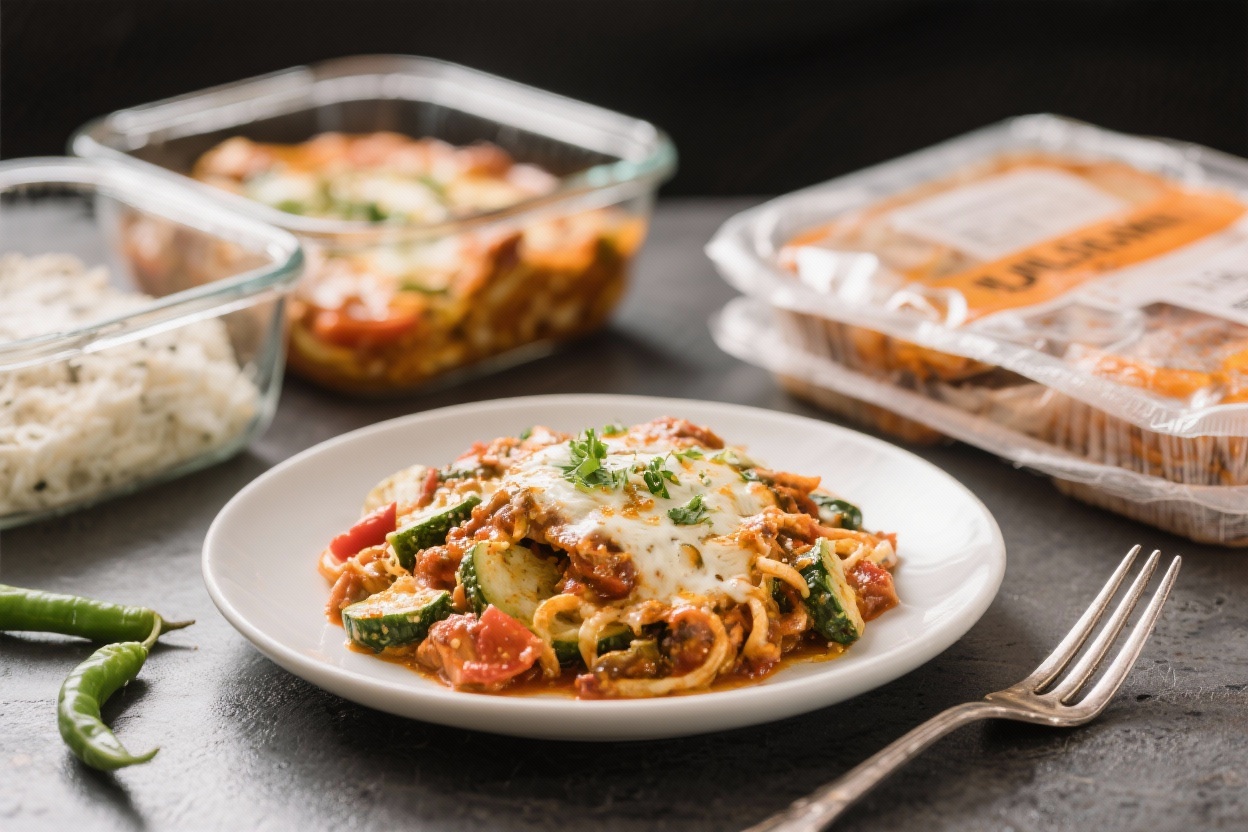
Freezer friendly make ahead dinners – Make-ahead meals save time, reduce stress, and keep you from defaulting to takeout
Here’s a flexible list of ingredients that work well for make-ahead, freezer-friendly dinners. Mix and match based on your preferences:
- Proteins: Chicken thighs or breasts, ground beef or turkey, Italian sausage, pork shoulder, firm tofu, lentils, chickpeas, black beans
- Vegetables: Onions, carrots, celery, bell peppers, broccoli, cauliflower, spinach, kale, peas, corn, sweet potatoes, butternut squash
- Starches: Rice (white or brown), quinoa, pasta (rigatoni, penne), potatoes, tortillas
- Canned Goods: Diced tomatoes, tomato sauce, coconut milk, beans, broth
- Cheeses and Dairy: Shredded mozzarella, cheddar, Parmesan, ricotta, cream cheese, plain yogurt
- Aromatics and Flavor: Garlic, ginger, fresh or dried herbs (basil, oregano, thyme), curry powder, chili powder, cumin, smoked paprika, soy sauce, Worcestershire sauce
- Oils and Fats: Olive oil, avocado oil, butter, ghee
- Thickeners: Cornstarch, flour, tomato paste
- Freezer-Safe Supplies: Gallon freezer bags, foil pans, airtight containers, labels, and a permanent marker
Instructions
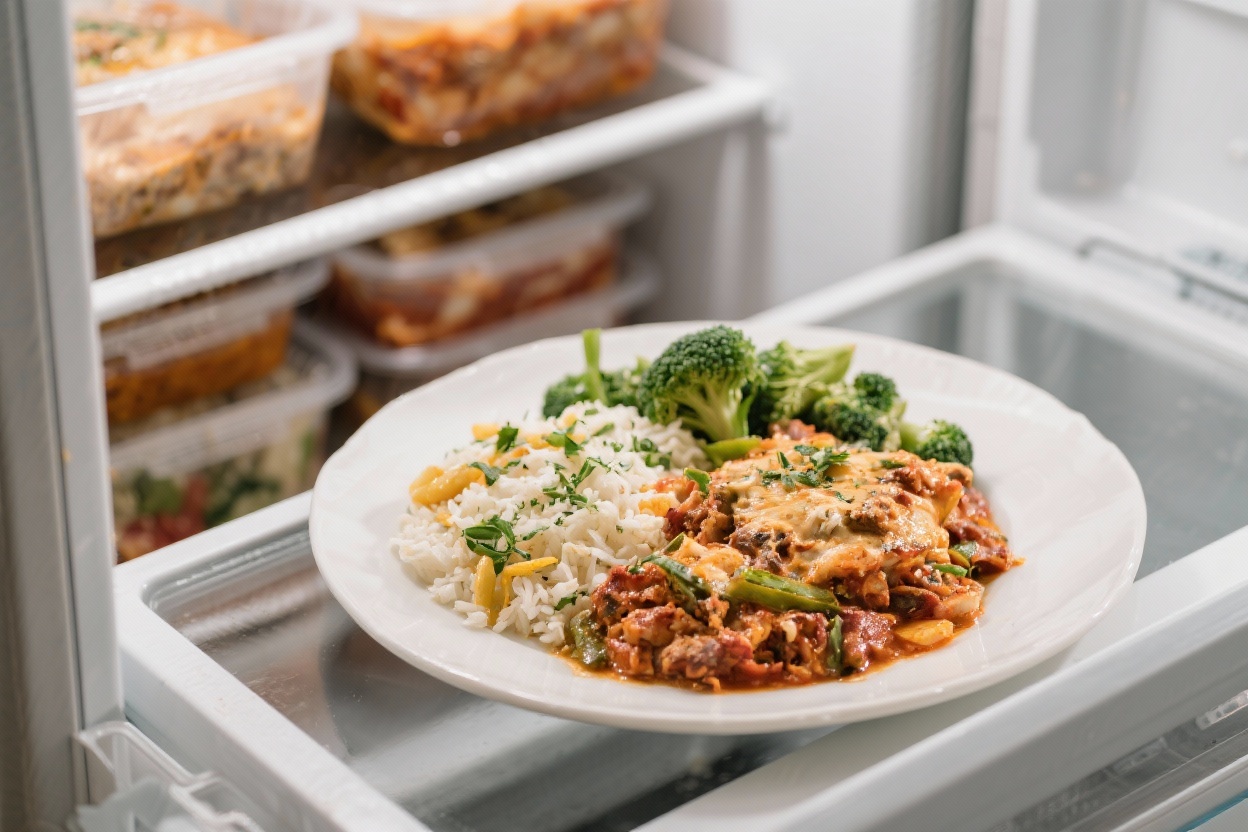
Freezer friendly make ahead dinners – With a few smart strategies, you can stock your freezer with meals that actually taste fresh when re
- Pick freezer-safe recipes. Choose meals with sturdy textures: casseroles, chilis, meatballs, stews, baked pasta, marinated chicken, and curries. Avoid delicate greens and cream-heavy sauces unless you know they reheat well.
- Batch cook your base. Make a big pot of chili, taco meat, or curry. Roast trays of seasoned chicken or vegetables. Cook grains like rice or quinoa to portion alongside freezer meals.
- Par-cook pasta and veggies. Cook pasta to very al dente and lightly steam or roast vegetables. They’ll finish cooking during reheating, preventing a mushy result.
- Build balanced meals. Aim for a protein, a vegetable, and a starch. For example: chicken tikka with rice, beef ragu with rigatoni, veggie enchiladas with black beans.
- Season a touch bold. Freezing can dull flavors slightly. Add a little extra salt, acid (lemon, vinegar), and spice to keep flavors bright after thawing.
- Cool completely before freezing. Let cooked foods cool to room temperature, then chill in the fridge. Freezing hot food causes ice crystals and hurts texture.
- Package properly. Use airtight containers or freezer bags. Press out air, or use a straw to remove extra air from bags. For casseroles, wrap tightly in plastic, then foil.
- Label and date. Write the dish name, date, and reheating instructions right on the package. Add notes like “Top with cheese after baking” or “Thaw overnight for best results.”
- Freeze flat when possible. Lay bags flat so they stack neatly and thaw evenly. Foil pans stack well and are helpful for baked pasta and enchiladas.
- Reheat the right way. Thaw in the fridge overnight when you can. For ovens, cover casseroles with foil and bake at 350°F until hot in the center. For stovetop meals like curries or chili, reheat over medium with a splash of water or broth.
How to Store
- Short term (up to 3 months): Most casseroles, stews, and cooked meats keep well for 2–3 months without noticeable quality loss.
- Longer term (3–6 months): Saucy dishes like chili and ragu tend to hold up best. Label clearly so older items get used first.
- Containers: Choose freezer-rated containers to prevent cracking. For soups and stews, leave headspace for expansion.
- Portioning: Package single servings for quick lunches and family-size portions for easy dinners. Smaller portions thaw faster and reduce waste.
- Avoid freezer burn: Use tight seals, press out air, and consider a double wrap for longer storage.
Benefits of This Recipe
- Time-saving: One cooking session can cover multiple dinners.
- Budget-friendly: Buy ingredients in bulk and use what you have on hand.
- Less stress: Decisions are easier when dinner is already made.
- Healthier choices: Control salt, sugar, and added fats. Pack in vegetables.
- Flexible and customizable: Works with many cuisines—Italian, Mexican, Indian, and more.
Common Mistakes to Avoid
- Freezing dairy-heavy sauces. Cream and sour cream can separate. Add dairy after reheating when possible, or use cream cheese or evaporated milk for better stability.
- Overcooking before freezing. Food reheats again later. Keep pasta and vegetables slightly underdone.
- Skipping cooling time. Hot food traps steam and creates ice crystals that ruin texture.
- Forgetting to label. Mystery meals lead to waste. Include the date and reheating directions.
- Using thin freezer bags for sharp items. Meat with bones or pasta can puncture bags—double bag or use containers.
Recipe Variations
- Classic Beef Lasagna: Par-cook noodles, layer with meat sauce and ricotta. Freeze unbaked; add extra sauce on top to prevent drying. Bake from thawed at 350°F until bubbly.
- Chicken, Broccoli, and Rice Bake: Use cooked chicken, blanched broccoli, and rice with a light, broth-based sauce. Top with cheese during the last 10 minutes of baking.
- Turkey Chili with Beans: Ground turkey, tomatoes, beans, and spices. Portion into flat freezer bags. Reheat with a splash of broth and finish with fresh lime.
- Vegetable Curry: Chickpeas, cauliflower, peas, and spinach simmered in coconut milk and curry paste. Freeze without added yogurt; swirl in yogurt after reheating.
- Baked Ziti: Very al dente pasta, marinara, ricotta, and mozzarella. Freeze before baking. Cover with foil and bake until hot; brown the top uncovered at the end.
- Marinated Chicken Packs: Raw chicken thighs with freezer-friendly marinades (soy-ginger, lemon-herb, or barbecue). Freeze flat. Thaw, then roast or grill.
- Stuffed Burritos: Fill tortillas with rice, beans, seasoned meat or veggies, and cheese. Wrap tightly in foil. Reheat in the oven or air fryer for a crisp exterior.
FAQ
Do I need to thaw before cooking?
Thawing overnight in the fridge gives the best texture and even heating. For casseroles, you can bake from frozen, but plan on extra time and keep it covered until the last 10–15 minutes.
What doesn’t freeze well?
Delicate greens, cucumbers, high-water vegetables, and sauces heavy in cream or yogurt don’t hold up well. Add fresh elements like herbs, lemon juice, or greens after reheating.
How do I avoid soggy pasta?
Cook pasta to very al dente, use a slightly thicker sauce, and freeze unbaked pasta dishes. Bake after thawing so the pasta finishes cooking in the oven, not in the freezer.
Can I freeze cooked rice?
Yes. Spread cooked rice on a tray to cool, then portion and freeze flat. Reheat with a splash of water in the microwave or a covered skillet to restore moisture.
How long are freezer meals good?
For best quality, use most meals within 2–3 months. Saucy dishes can last up to 6 months if sealed well. Always check for off smells or freezer burn before reheating.
What’s the best way to reheat without drying out?
Add a small amount of liquid—broth, water, or sauce—and cover during reheating. Remove the cover at the end to brown the top if needed.
Can I freeze in glass?
Use only freezer-safe glass containers and leave headspace. Avoid sudden temperature changes to prevent cracking. Let hot foods cool before transferring.
Wrapping Up
Freezer friendly make ahead dinners are a lifesaver when schedules get tight. With smart ingredients, proper packaging, and clear labels, you can serve flavorful, home-cooked meals any night of the week. Start with one or two recipes you love, double the batch, and freeze the extra. In a few weeks, your future self will thank you every time you grab dinner that’s ready to heat and eat.