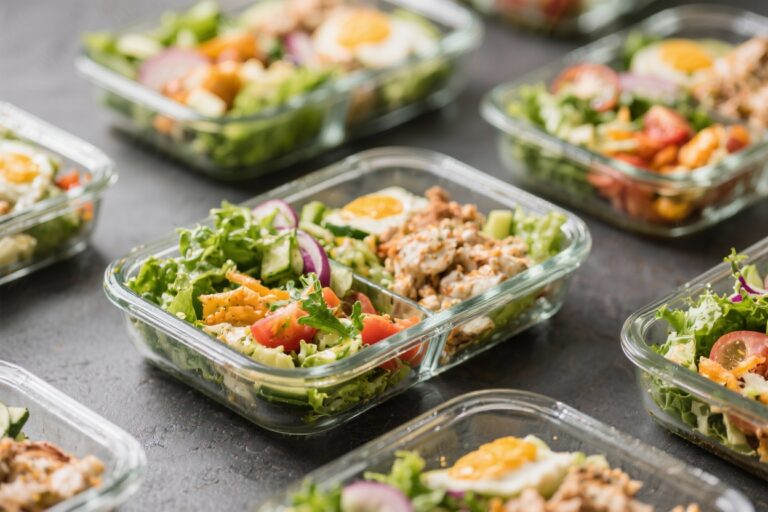
Healthy Lunch Prep for Work – Simple, Satisfying, and Grab-and-Go
Healthy Lunch Prep for Work – Simple, Satisfying, and Grab-and-Go
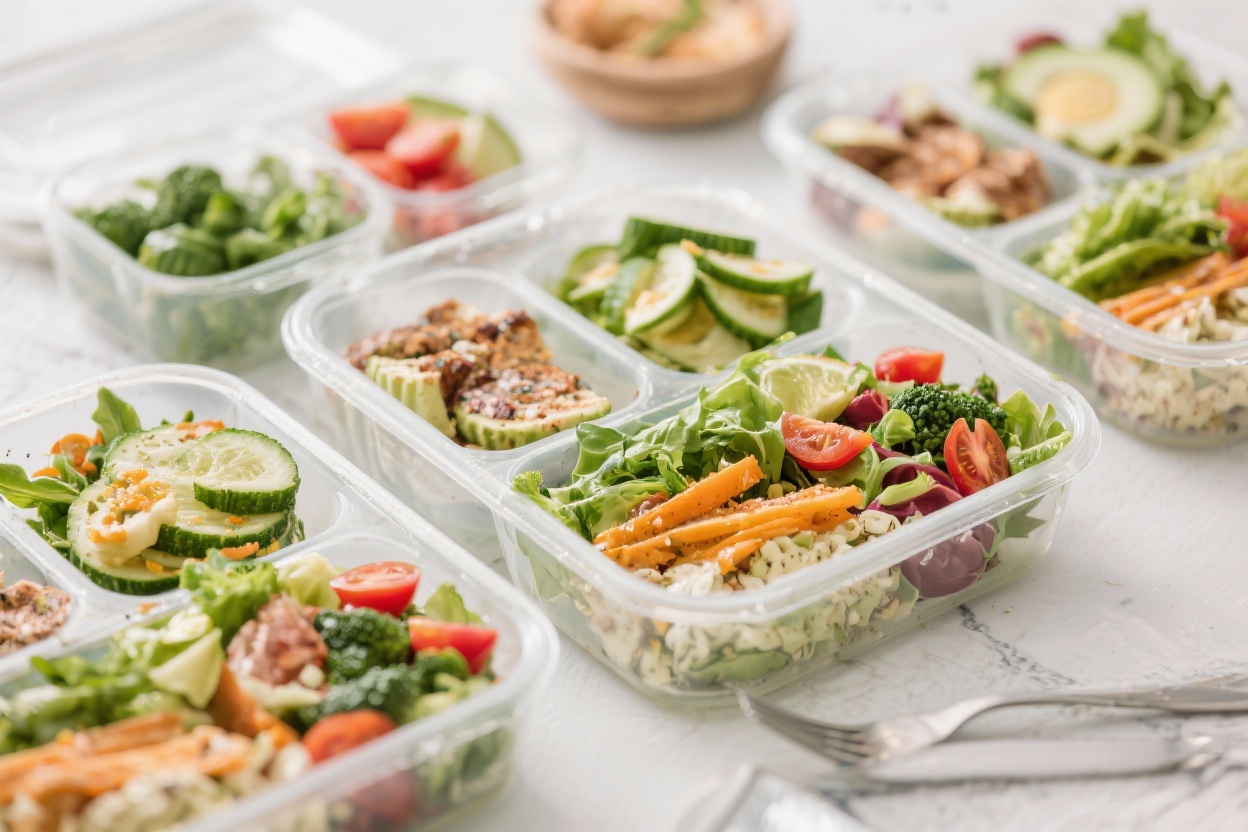
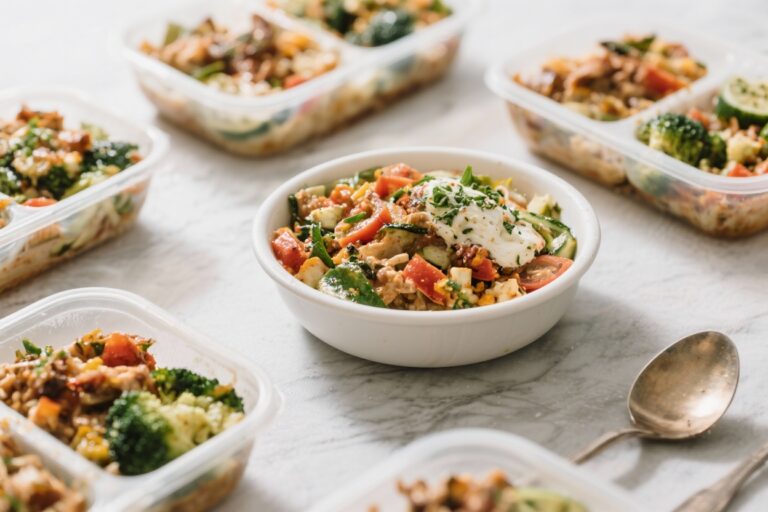
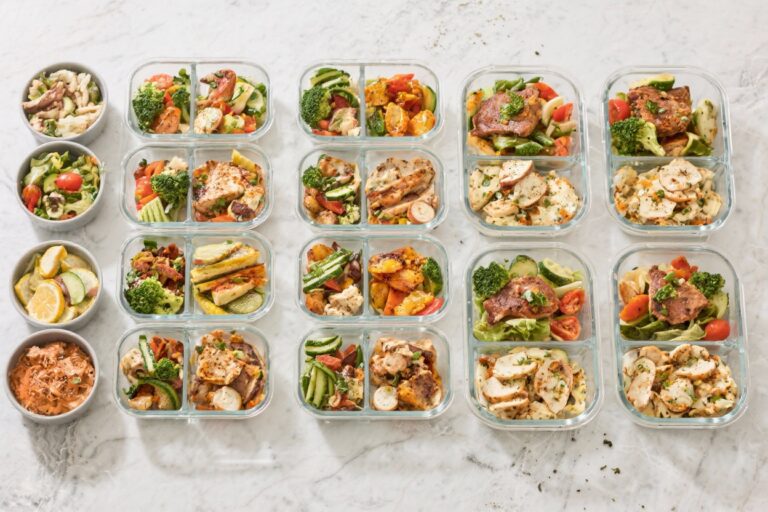
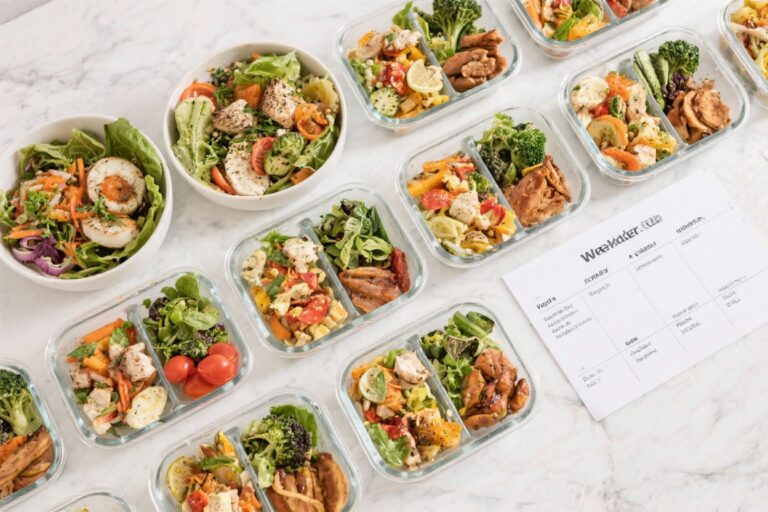
Meal prep isn’t about being perfect. It’s about having something good waiting for you when you’re hungry and short on time. With a little planning, you can pack healthy lunches that are tasty, filling, and easy to put together. This guide walks you through a balanced, mix-and-match meal prep that works for a full workweek. Think protein bowls, bright veggies, whole grains, and a punchy sauce—prepped once, enjoyed all week.
What Makes This Recipe So Good
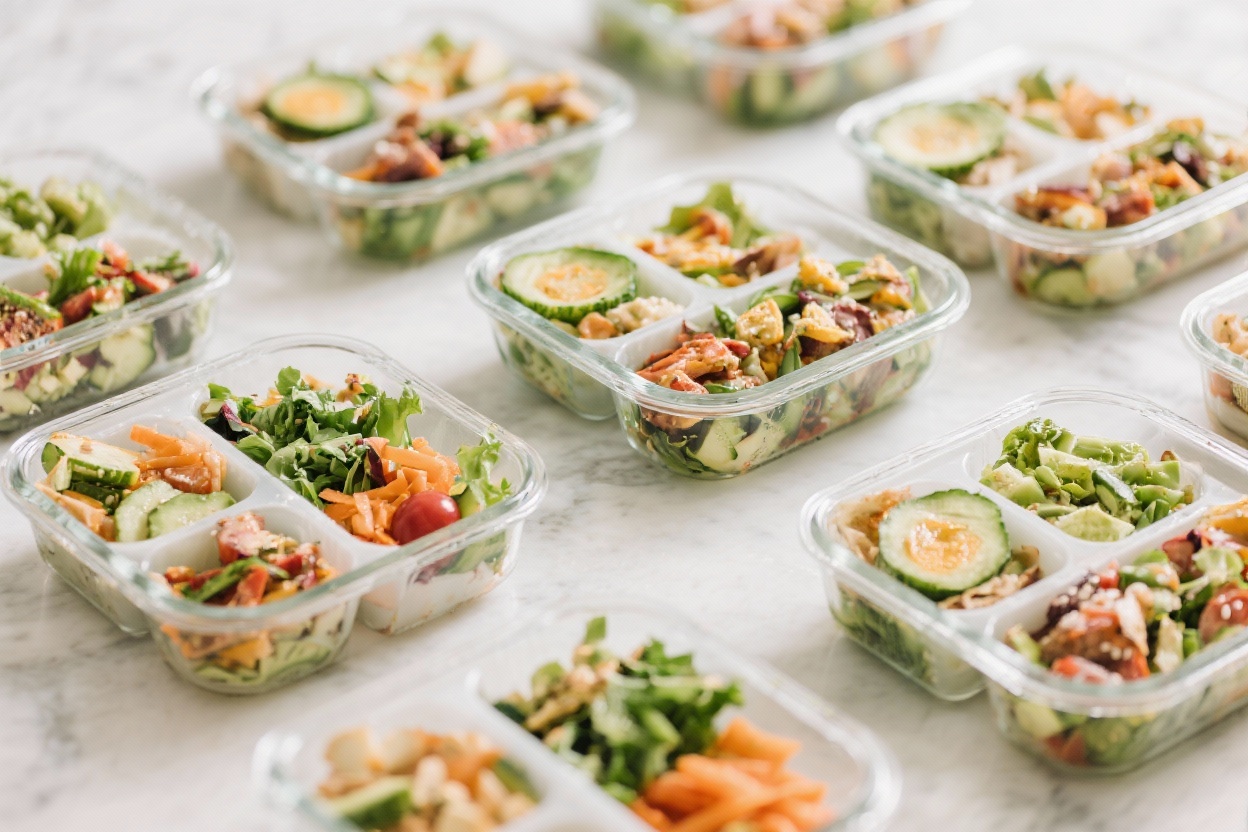
Healthy lunch prep for work – Healthy Lunch Prep for Work – Simple, Satisfying, and Grab-and-Go Meal prep isn’t about being perfec
- Balanced and satisfying: Each lunch hits protein, fiber, and healthy fats so you stay full and energized.
- Customizable: Swap grains, proteins, and veggies based on your taste or what’s on sale.
- Batch-friendly: Cook once and build four to five lunches in under an hour.
- Budget-smart: Whole grains, beans, and seasonal produce keep costs down.
- Flavor-forward: A bold sauce and a crunchy topper make these bowls feel fresh, not repetitive.
Ingredients
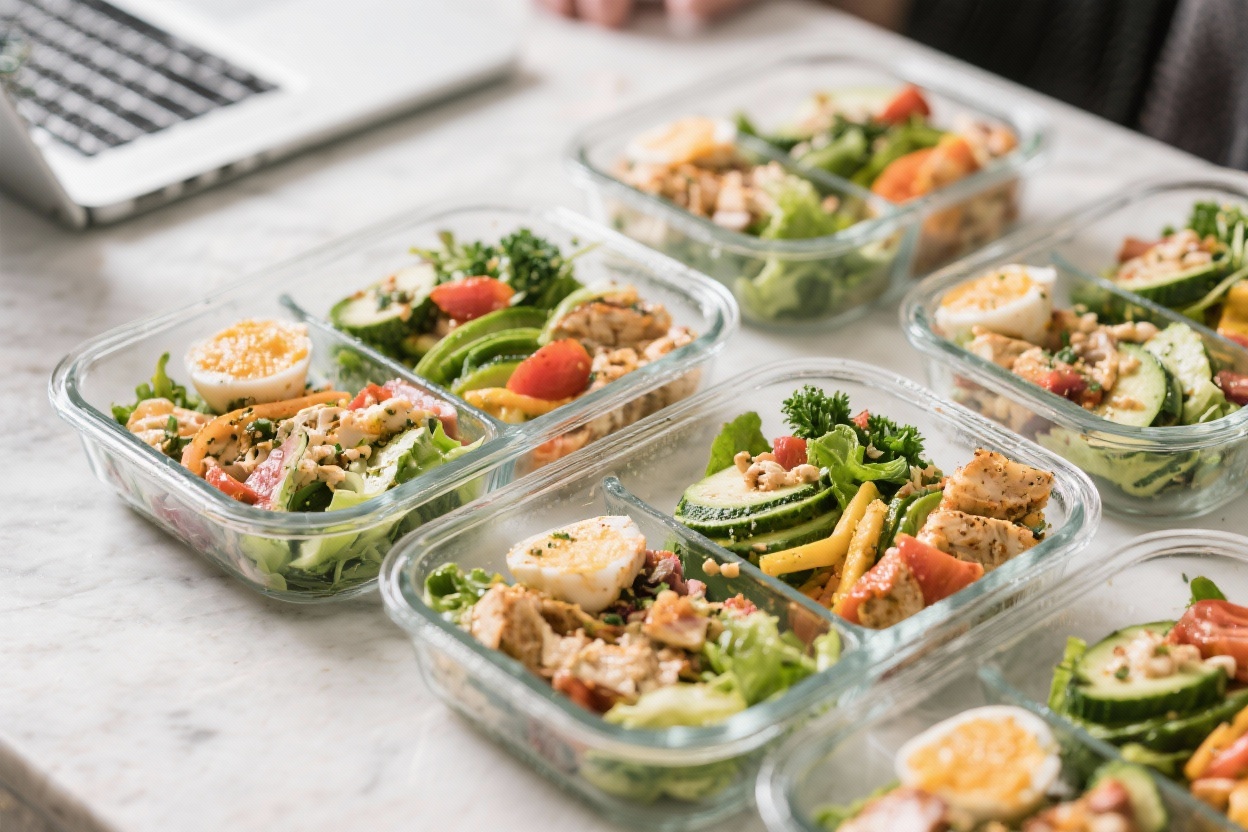
Healthy lunch prep for work – It’s about having something good waiting for you when you’re hungry and short on time
For 4–5 lunch bowls.
- Grain base(choose one): 2 cups dry brown rice, quinoa, farro, or couscous
- Protein(choose one or mix):1 lb chicken breast or thighs, cubed1 lb extra-firm tofu, pressed and cubed2 cans chickpeas or black beans, drained and rinsed12–16 oz salmon or shrimp
- Veggies(aim for color and variety):1 large broccoli crown, cut into florets2 bell peppers, sliced2 cups cherry tomatoes, halved2 medium carrots, sliced or shredded1 small red onion, sliced2 cups leafy greens (spinach, kale, or arugula)
- Healthy fat(choose one or two): 1 large avocado, 1/2 cup hummus, 1/3 cup olive oil, or 1/3 cup tahini
- Crispy topper(optional but great): Roasted chickpeas, toasted nuts/seeds, or baked pita chips
- Quick seasoning blend:1 tsp garlic powder, 1 tsp onion powder, 1 tsp smoked paprika, 1/2 tsp cumin, 1/2 tsp black pepper, 1 tsp salt
- Simple lemon-tahini sauce:1/3 cup tahini, juice of 1–2 lemons, 1 small garlic clove (grated), 2–4 tbsp water to thin, 1 tbsp olive oil, salt and pepper to taste
- Optional add-ons:Feta, pickled onions, olives, salsa, fresh herbs (parsley, cilantro, dill) healthy dinners with big flavor
Instructions
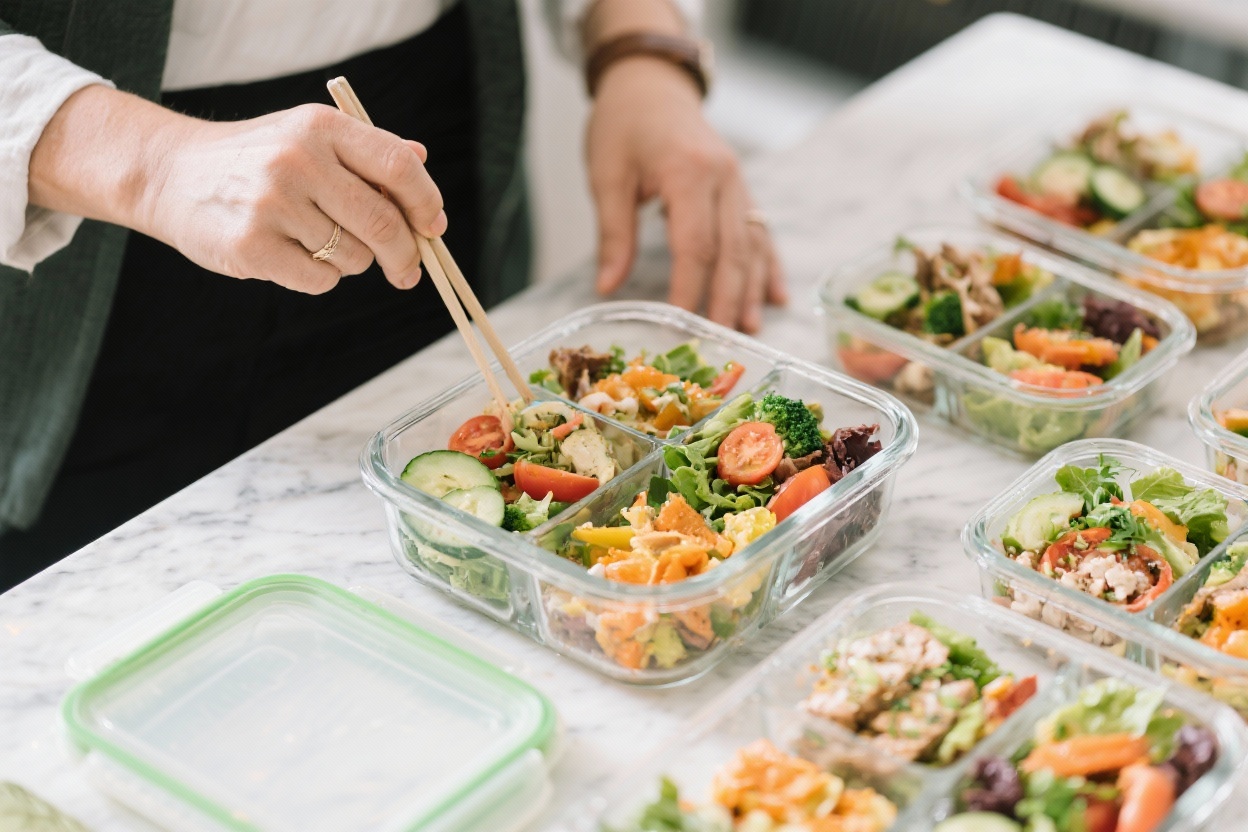
Healthy lunch prep for work – With a little planning, you can pack healthy lunches that are tasty, filling, and easy to put togeth
- Cook the grain base. Rinse your chosen grain. Cook according to package directions. Fluff and let it cool slightly so it doesn’t steam your greens in the containers.
- Prep the proteins.
- Chicken or shrimp: Toss with olive oil and the seasoning blend. Roast at 400°F (200°C) for 12–20 minutes, depending on size, until cooked through.
- Tofu: Toss cubes with 1 tbsp cornstarch, 1 tbsp soy sauce, and 1 tbsp olive oil. Bake at 400°F (200°C) for 20–25 minutes, flipping once.
- Beans: Toss with 1 tbsp olive oil and the seasoning blend. Warm in a skillet for 3–5 minutes or roast 10–12 minutes for extra texture.
- Salmon: Rub with olive oil, salt, pepper, and lemon zest. Bake at 400°F (200°C) for 10–12 minutes.
- Roast the veggies. Toss broccoli, peppers, and onion with olive oil, salt, and pepper. Roast at 400°F (200°C) for 15–20 minutes. Leave tomatoes and greens raw for freshness.
- Make the sauce. Whisk tahini, lemon juice, grated garlic, olive oil, and water until smooth. Season with salt and pepper. The sauce should be pourable.
- Assemble the bowls. Divide grains into 4–5 containers. Add your cooked protein and roasted veggies. Top with fresh greens and tomatoes. Keep avocado or crispy toppings separate if possible.
- Finish with flair. Add a spoonful of hummus, a sprinkle of feta, or fresh herbs. Pack sauce in small containers to add just before eating.
- Store properly. Seal well and refrigerate. Most components keep 4 days; seafood is best within 2–3 days.
Keeping It Fresh
- Layer smart: Put grains and proteins at the bottom, roasted veggies in the middle, and fresh greens on top so they don’t wilt.
- Keep sauces separate: Dress right before eating to keep everything crisp.
- Use airtight containers: Glass holds up well, keeps odors at bay, and reheats evenly.
- Prep in stages: If you’re short on time, cook grains and proteins one night and roast veggies the next.
- Refresh before eating: Add a squeeze of lemon, a drizzle of olive oil, or a handful of herbs to wake up flavors.
Why This is Good for You
- Steady energy: Whole grains provide complex carbs for lasting fuel, not a quick crash.
- Muscle support: Lean proteins help with recovery and satiety—key for avoiding afternoon snacking.
- Gut health: Veggies and beans are rich in fiber, which supports digestion and fullness.
- Healthy fats: Olive oil, avocado, tahini, and nuts support brain function and help you absorb fat-soluble vitamins.
- Micronutrients: Colorful produce brings antioxidants, vitamins, and minerals your body needs daily.
Common Mistakes to Avoid
- Overdressing ahead of time: Dressing greens early leads to soggy lunches by day two.
- Skipping seasoning: Salt, acid, and spices make a huge difference. Undersalting is the fastest way to a boring lunch.
- Packing everything hot: Steam builds in containers and turns veggies mushy. Let components cool before sealing.
- Ignoring texture: Add something crunchy—seeds, nuts, or roasted chickpeas—to keep each bowl interesting.
- Not enough protein: If you’re hungry by 3 p.m., bump your protein to 25–35 grams per meal.
Alternatives
- Mediterranean bowl: Farro, lemon chicken, cucumbers, tomatoes, olives, feta, hummus, and tzatziki.
- Southwest bowl: Brown rice, black beans, chili-lime shrimp or tofu, roasted corn and peppers, avocado, salsa, and cilantro-lime yogurt.
- Plant-powered bowl: Quinoa, roasted sweet potato, crispy chickpeas, kale, pickled onion, tahini-lemon sauce, and pumpkin seeds.
- Asian-inspired bowl: Brown rice, baked tofu or salmon, edamame, shredded carrot, cucumber, scallions, sesame seeds, and a ginger-soy dressing.
- No-reheat option: Couscous, tuna or white beans, cherry tomatoes, arugula, capers, olive oil, and lemon—great when you don’t have a microwave.
FAQ
How long do these lunches last in the fridge?
Most components keep well for 4 days. Seafood is best eaten within 2–3 days. Keep sauces and fresh toppings separate to stretch quality.
Can I freeze these bowls?
You can freeze grains and cooked proteins, but not fresh veggies or leafy greens. Freeze in portions, then add fresh elements after thawing.
What’s a good vegetarian protein?
Tofu, tempeh, edamame, lentils, and chickpeas are all great. Aim for at least 25 grams of protein by combining options if needed.
How do I keep avocado from browning?
Slice right before eating if you can. If not, toss with lemon juice and store tightly wrapped or in a small sealed container with minimal air.
Do I have to roast the veggies?
No. Raw crunchy veggies work well too—think cucumbers, bell peppers, shredded carrots, and cherry tomatoes. Mix raw and roasted for the best texture.
What if I don’t have an oven?
Use a skillet for proteins and veggies. Sauté peppers, onions, and broccoli until tender-crisp. Beans can be warmed with spices on the stovetop.
How can I make this gluten-free?
Use rice, quinoa, or buckwheat as your base and check labels on sauces and seasonings. Everything else is naturally gluten-free.
How big should each portion be?
A solid template is 1 cup cooked grains, 3–5 oz protein, 1–2 cups veggies, and 1–2 tablespoons of sauce. Adjust based on your hunger and goals.
In Conclusion
Healthy lunch prep for work doesn’t need to be complicated. With a balanced base, a flavorful protein, and a punchy sauce, you can build lunches you actually want to eat. A little planning saves money, reduces stress, and helps you feel better all afternoon. Keep it simple, keep it colorful, and make it your own.