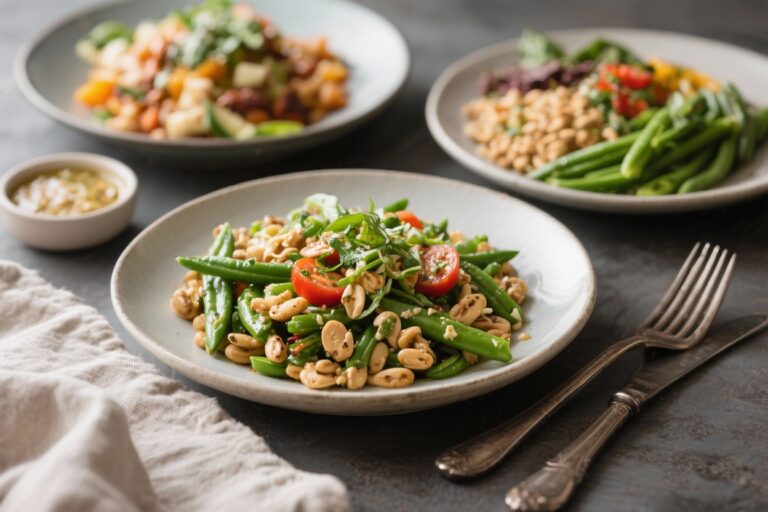
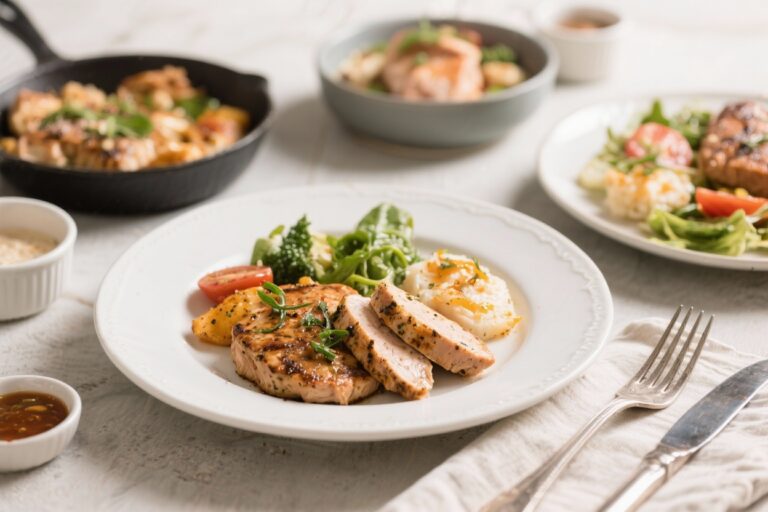
Quick High Protein Dinners – Simple, Satisfying, and Fast
Quick High Protein Dinners – Simple, Satisfying, and Fast
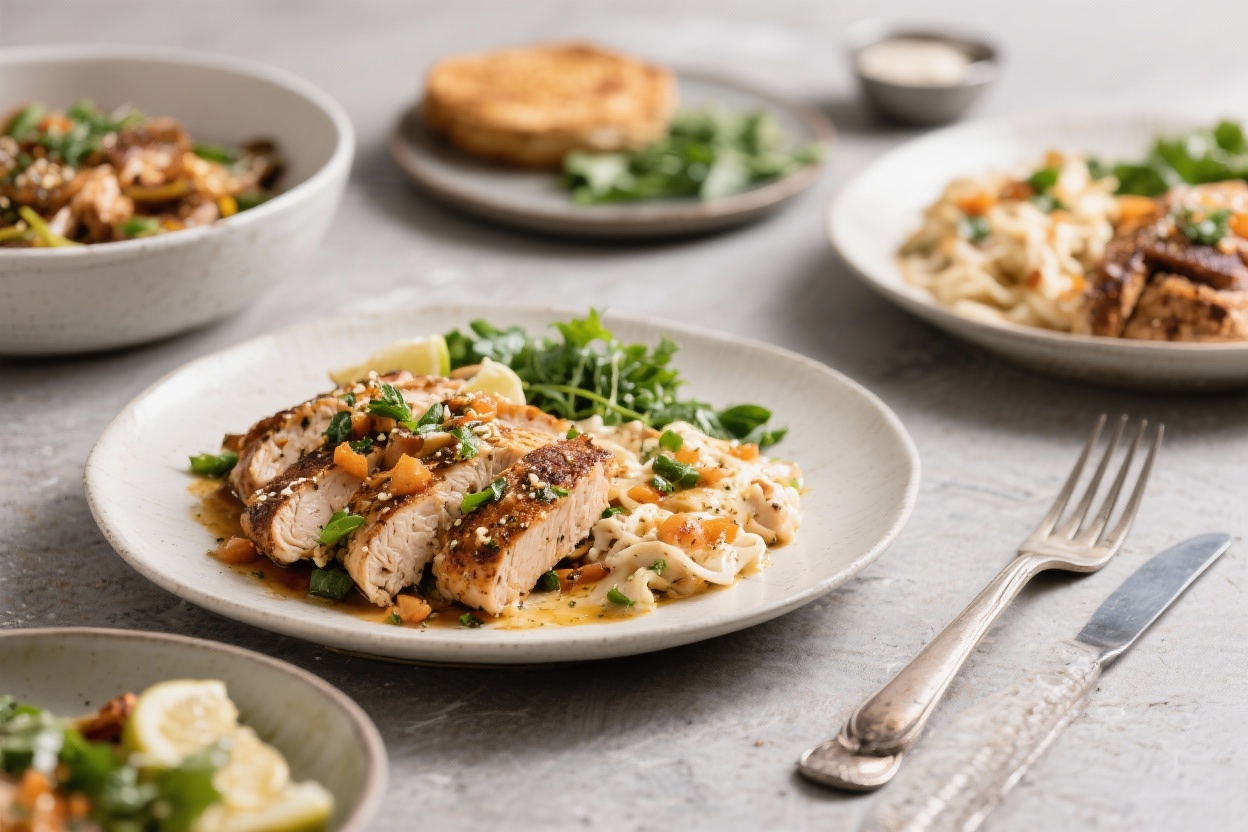
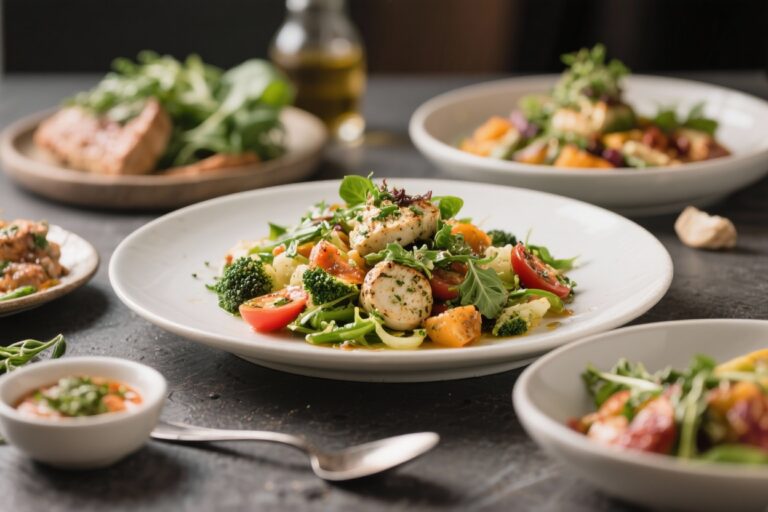
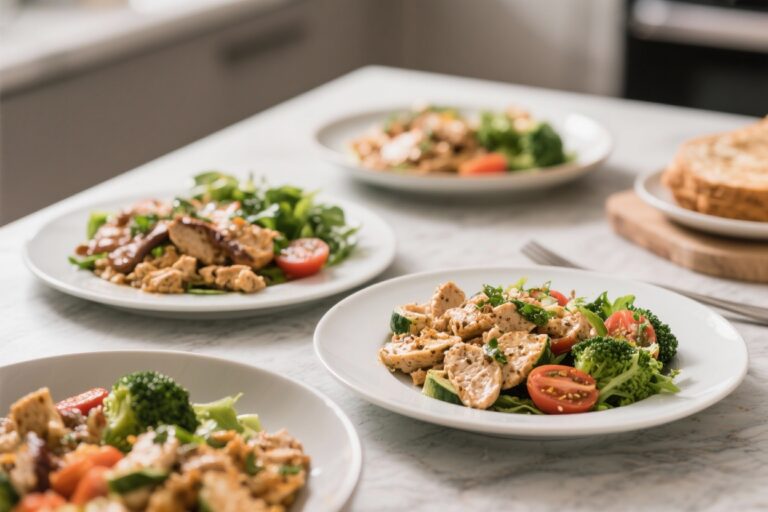
Weeknights are busy, and you don’t want to spend an hour chopping and stirring. You want a quick high protein dinner that’s filling, nourishing, and actually tastes good. These easy high protein dinners tick all those boxes without complicated steps or hard-to-find ingredients. They’re weeknight-friendly, customizable, and great for meal prep. If you’re looking for more energy, better satiety, and meals you’ll look forward to, you’re in the right place.
Why This Recipe Works
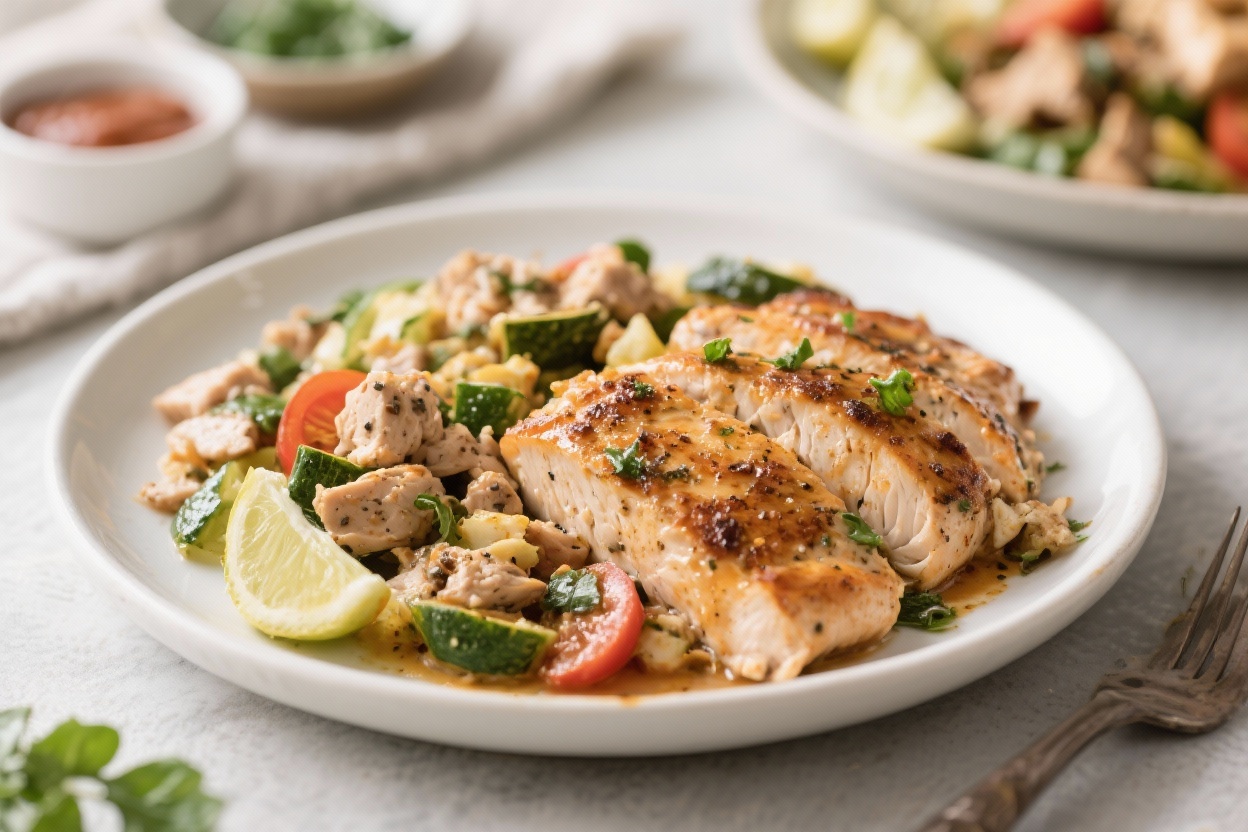
Easy high protein dinners – Easy High Protein Dinners – Simple, Satisfying, and Fast Weeknights are busy, and you don’t want to
This plan features simple cooking methods and pantry staples, so you can get a quick high protein dinner on the table in under 30 minutes. High-quality protein paired with fiber and healthy fats keeps you full and steady. Each recipe uses flexible seasonings and easy swaps, so you can adapt to what you have. Most importantly, everything is cooked in one pan or one pot whenever possible to minimize cleanup.
Ingredients
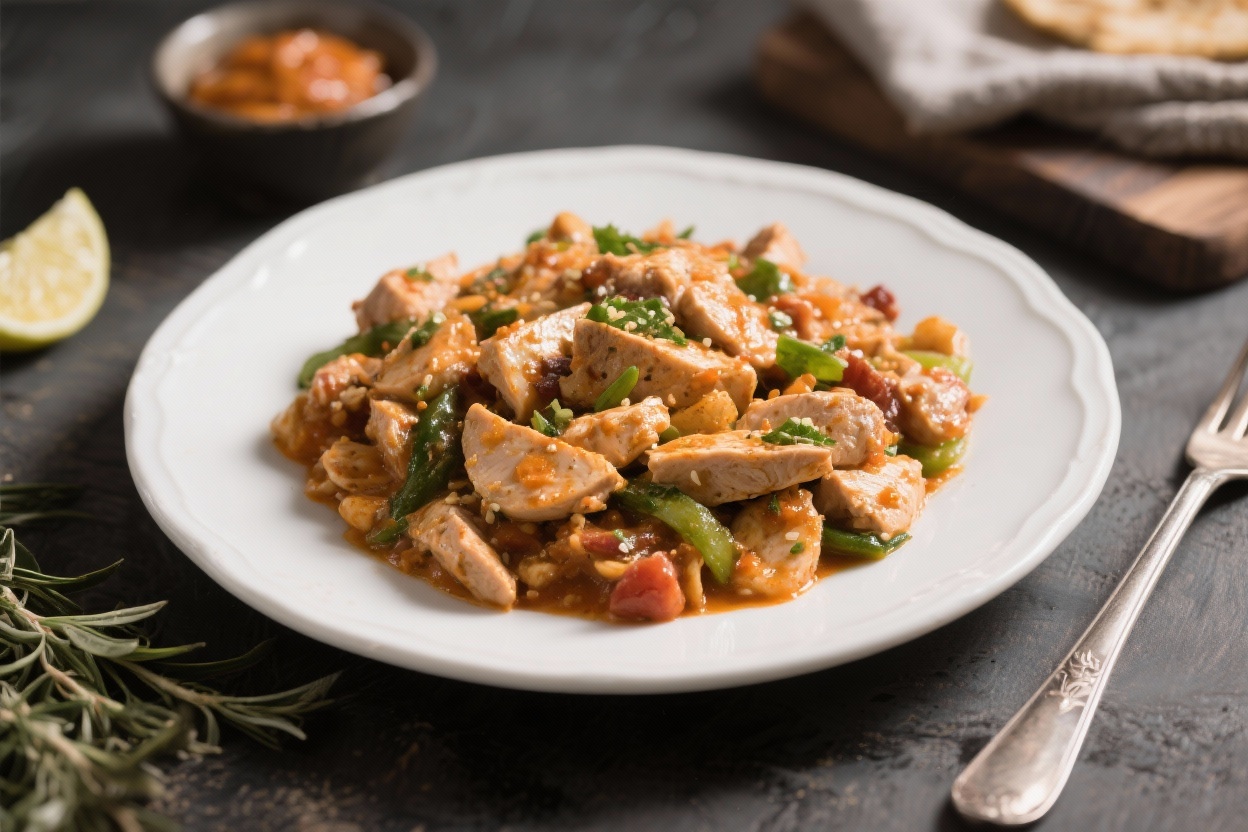
Easy high protein dinners – You want dinner that’s quick, filling, and actually tastes good
- Protein options (choose 1 per dinner): boneless skinless chicken thighs or breasts, extra-firm tofu, lean ground turkey, salmon fillets, canned chickpeas, shrimp
- Vegetables: bell peppers, broccoli, spinach or kale, cherry tomatoes, red onion, green beans, zucchini
- Carb base (optional): quinoa, brown rice, whole wheat pasta, cauliflower rice, tortillas
- Pantry staples: olive or avocado oil, soy sauce or tamari, Dijon mustard, hot sauce or sriracha, honey or maple syrup, canned tomatoes, garlic, lemon, chicken or veggie broth
- Seasonings: salt, black pepper, smoked paprika, chili powder, cumin, Italian seasoning, garlic powder, onion powder, crushed red pepper
- Toppers: plain Greek yogurt, feta, parmesan, avocado, fresh herbs (cilantro, parsley), lime wedges
Instructions
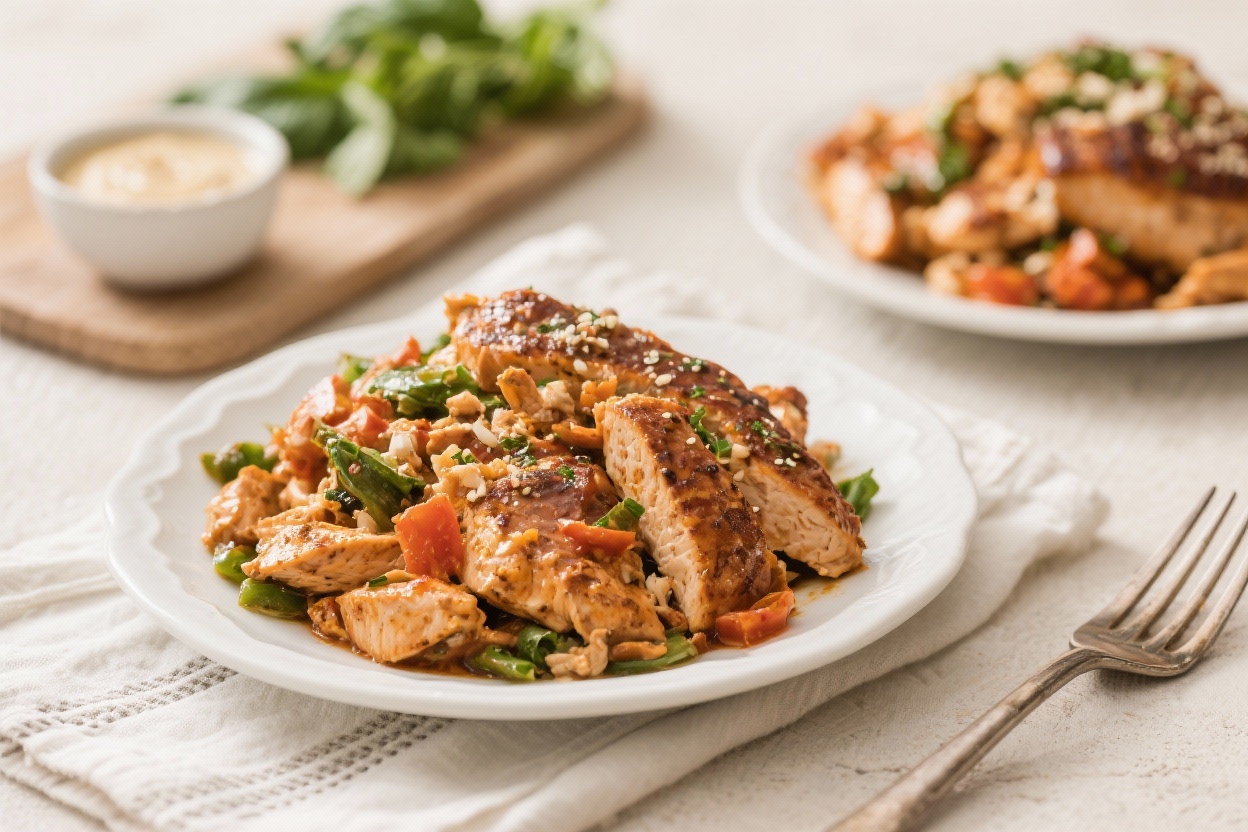
Easy high protein dinners – These easy high protein dinners tick all those boxes without complicated steps or hard-to-find ingre
- Pick your protein and veg. Choose one protein and two veggies that cook at a similar speed. Cut everything into bite-size pieces for even cooking.
- Season simply. Toss protein with 1 tablespoon oil, 1 teaspoon salt, 1/2 teaspoon pepper, and 1–2 teaspoons of your favorite spice blend. Do the same with the vegetables in a separate bowl.
- Cook the protein first. Heat a large skillet over medium-high. Add protein and cook until browned and cooked through. Remove to a plate.
- Quick sauté the veg. In the same pan, add a bit more oil if needed. Sauté vegetables until crisp-tender. Season lightly as they cook.
- Build a simple pan sauce. Reduce heat to medium-low. Add 1/4 cup broth, 1 tablespoon soy sauce, 1 teaspoon Dijon, and a squeeze of lemon or a drizzle of honey. Stir and simmer 1–2 minutes.
- Combine and finish. Return protein to the pan. Toss everything to coat in the sauce. Taste and adjust salt, acid, or heat as needed.
- Serve your way. Spoon over cooked quinoa or rice, tuck into warmed tortillas, or keep it low-carb with cauliflower rice or greens. Add toppings like Greek yogurt, herbs, or a sprinkle of cheese.
Keeping It Fresh
- Batch smart, not huge. Cook enough for 2–3 days. Most proteins hold well for that long without drying out.
- Store components separately. Keep protein, veg, and grains apart. This helps maintain texture and makes it easy to mix and match.
- Reheat gently. Use medium heat on the stove with a splash of water or broth to prevent dryness. For microwaves, cover loosely and heat in short bursts.
- Brighten before serving. A squeeze of lemon or a handful of fresh herbs brings leftovers back to life.
Why This is Good for You
- Protein supports muscle and satiety.Aim for 25–40 grams per meal to stay full and fuel recovery from workouts.
- Fiber balances blood sugar.Pairing protein with veggies and whole grains creates steady energy, not spikes and crashes.
- Healthy fats help absorption.A bit of olive oil or avocado improves flavor and helps your body absorb fat-soluble vitamins.
- Lower sodium and sugar.Making your own sauce means you control salt and sweeteners, keeping things light and clean.
What Not to Do
- Don’t overcrowd the pan.It traps steam and turns browning into boiling. Cook in batches for better flavor.
- Don’t skip seasoning.Salt early and adjust at the end. Bland protein is hard to fix after the fact.
- Don’t overcook lean proteins.Chicken breast, shrimp, and tofu can turn dry or rubbery fast. Pull them as soon as they’re done.
- Don’t rely on only one texture.Add crunch with fresh veggies, nuts, or a squeeze of citrus to keep quick family dinners satisfying.
Alternatives
Sheet Pan Chicken and Veg
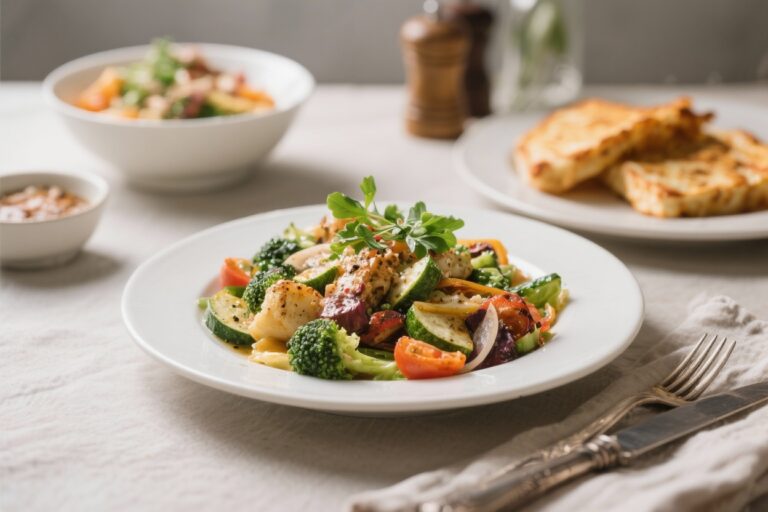
How: Toss chicken thighs, broccoli, and red onion with olive oil, salt, pepper, and smoked paprika. Roast at 425°F (220°C) for 20–25 minutes, flipping once. Finish with lemon juice. Serve with quinoa or couscous.
Salmon and Green Beans Skillet
How: Sear salmon skin-side down in a hot skillet with oil. Flip and cook until just opaque. Remove, then sauté green beans with garlic and a splash of soy and lemon. Return salmon for a minute to glaze. Top with herbs. This quick high protein dinner comes together in minutes and keeps you full and satisfied.
Turkey Taco Bowls
How: Brown lean ground turkey with chili powder, cumin, garlic powder, and salt. Add a splash of tomato sauce. Serve over rice or greens with black beans, salsa, avocado, and a dollop of Greek yogurt. This quick high protein dinner comes together in no time and keeps you full and satisfied.
Crispy Tofu Stir-Fry
How: Press extra-firm tofu, cube, and toss with cornstarch, salt, and pepper. Pan-fry until golden. Stir-fry bell peppers and snap peas, then add tofu back with a sauce of soy, honey, garlic, and chili flakes. This quick high protein dinner is ready in under 20 minutes and provides at least 15 grams of protein per serving, helping you feel full and satisfied.
Fast Shrimp Pasta
How: Cook whole wheat pasta. Sauté shrimp with garlic, cherry tomatoes, and red pepper flakes. Toss with pasta, olive oil, lemon zest, and parsley. Sprinkle with parmesan.
FAQ
How much protein should I aim for at dinner for a quick high protein dinner?
Most people do well with about 25–40 grams of protein at dinner. If you’re very active or trying to build muscle, lean toward the higher end. A palm-and-a-half of protein-rich food is a simple visual guide. For a quick high protein dinner, aim for at least 30 grams per serving to keep you full and satisfied.
What’s the quickest protein to cook?
Shrimp cooks in minutes, followed by thin chicken cutlets, ground turkey, or pre-pressed tofu. Canned chickpeas are also fast—just drain, rinse, and sauté to crisp the edges. For a truly quick high protein dinner, these options get you a satisfying meal on the table in no time.
Can I keep it low-carb?
Yes. Serve your protein and veggies over cauliflower rice, zucchini noodles, or a bed of greens. Add avocado, nuts, or seeds for extra fullness. For a quick high protein dinner, pair this with a lean protein source like chicken or tofu to help you feel full and satisfied.
How do I make this dairy-free?
Use olive oil instead of butter, skip cheese toppings, and swap Greek yogurt for dairy-free yogurt or a simple squeeze of lemon. Most of the core recipes are naturally dairy-free, making them a quick high protein dinner option.
What if I don’t have fresh vegetables?
Frozen vegetables work great. Don’t thaw—cook straight from frozen in a hot pan to prevent sogginess. Season well and finish with lemon or herbs. For a quick high protein dinner, pair them with a protein-rich main like chicken or tofu to keep you full and satisfied.
How can I add more flavor fast?
For a quick high protein dinner, use a strong seasoning blend, toast spices in oil for 30 seconds, and finish with acid like lemon or vinegar. Fresh herbs and a small drizzle of good olive oil make a big difference.
Is tofu really high in protein?
Yes. Extra-firm tofu has about 9–11 grams of protein per 3-ounce serving. Pair it with edamame or a grain like quinoa to boost the total. For a quick high protein dinner, try adding tofu to a stir-fry or bowl with other protein-rich ingredients.
In Conclusion
High protein dinners don’t have to be complicated. With a solid protein, a couple of vegetables, and a simple pan sauce, you can make satisfying meals in minutes. Keep flavors bold, textures varied, and portions balanced. Cook once, enjoy twice, and let these easy high protein dinners become your go-to weeknight routine. For a quick high protein dinner, aim for at least 15 grams of protein per serving to help you feel full and satisfied.