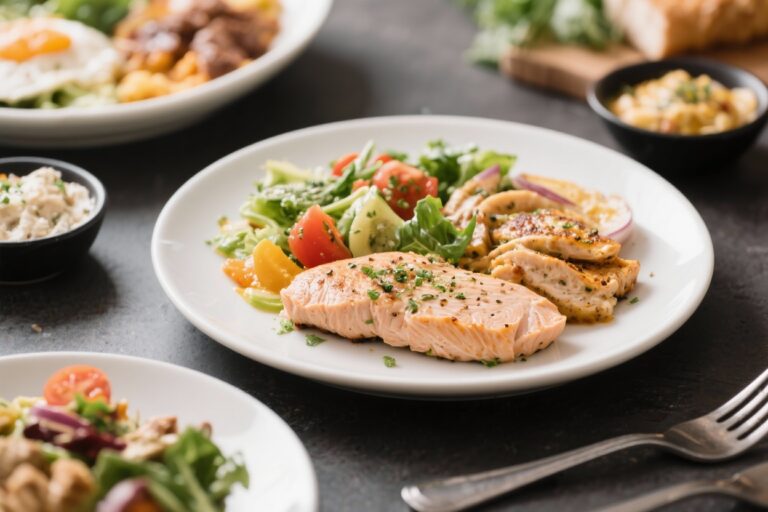
High Protein Meals For Beginners – Simple, Tasty, and Easy to Make
High Protein Meals For Beginners – Simple, Tasty, and Easy to Make
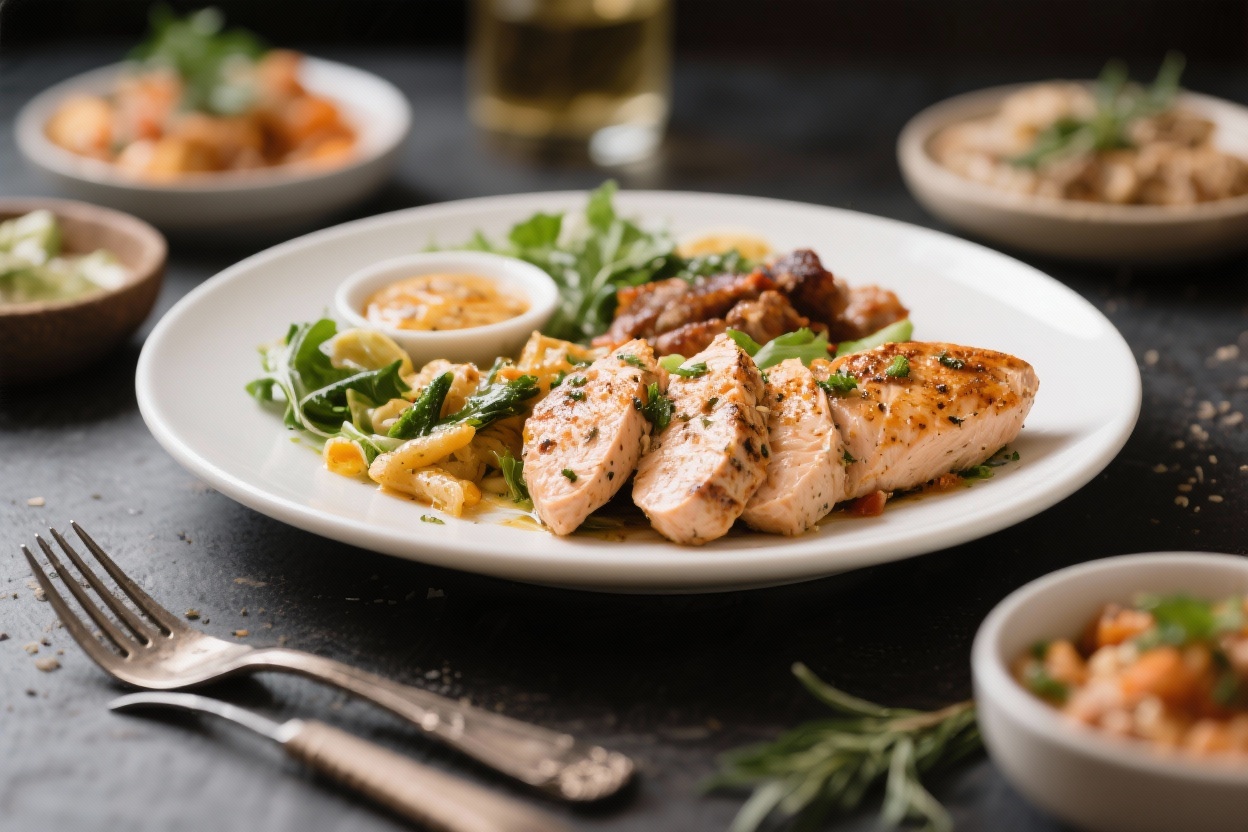
If you want more energy, better focus, and meals that actually keep you full, high-protein cooking is a great place to start. You don’t need fancy supplements or complicated recipes to get it right. With a few basic ingredients and simple techniques, you can build balanced meals that fit into any schedule. This guide walks you through one easy beginner-friendly plan: a flexible high-protein meal you can cook once and enjoy in different ways all week. It’s practical, budget-friendly, and tastes good enough to make on repeat.
What Makes This Special
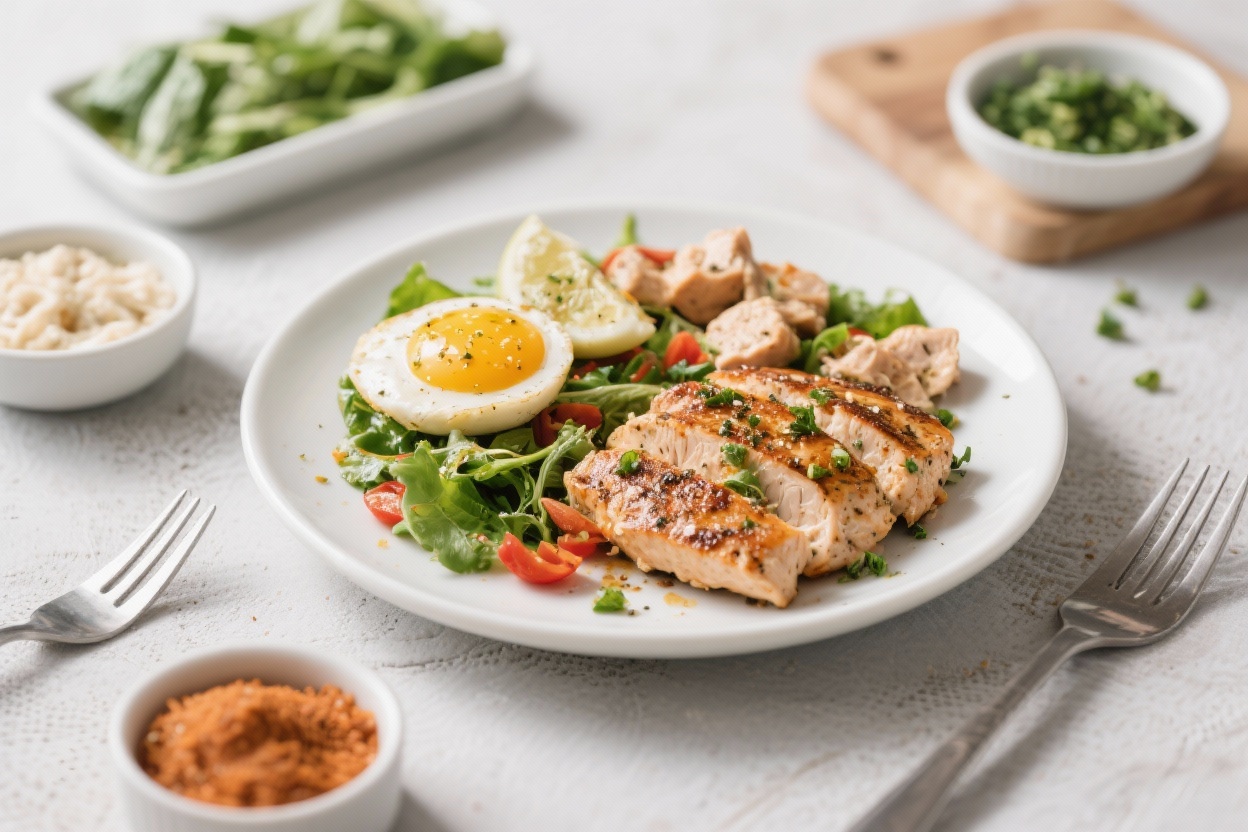
High protein meals for beginners – High Protein Meals For Beginners – Simple, Tasty, and Easy to Make If you want more energy, better f
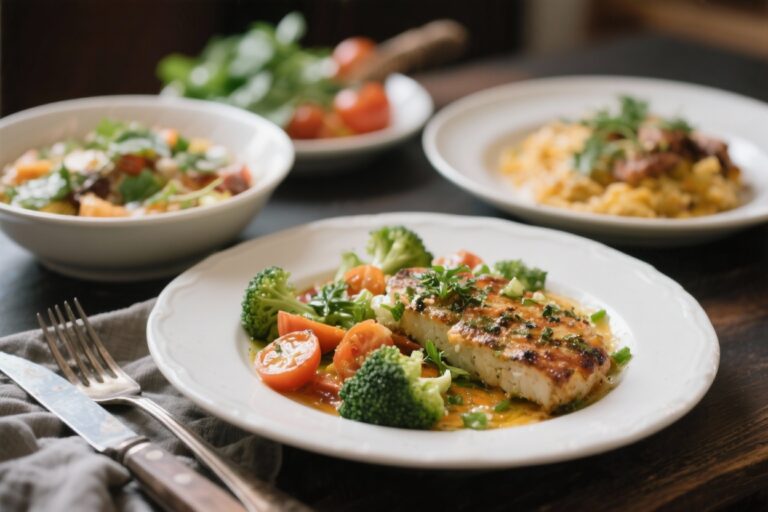
This article focuses on a single, flexible base recipe you can customize: a simple high-protein chicken and veggie skillet with optional grains and sauces. It’s quick, affordable, and uses pantry staples. You’ll get a clear method, storage tips, and easy swaps for any diet. Think of it like a formula: protein + veggie + fiber + flavor. Once you learn it, you can apply it to dozens of meals without overthinking.
- Beginner-friendly: No complicated techniques. One pan, minimal prep.
- Balanced: Protein, fiber, and healthy fats for steady energy.
- Flexible: Swap proteins, veggies, and sauces based on what you have.
- Meal-prep ready: Keeps well and reheats without drying out.
Ingredients
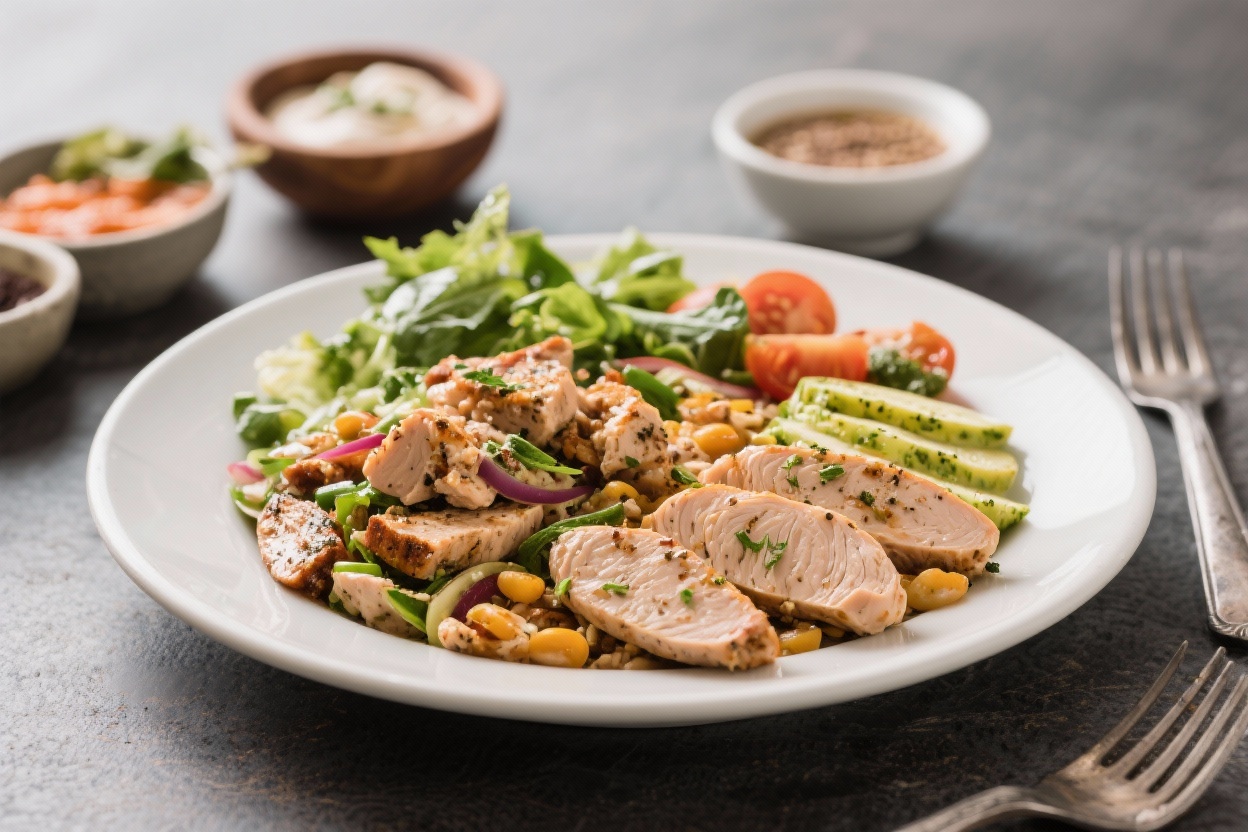
High protein meals for beginners – You don’t need fancy supplements or complicated recipes to get it right
These ingredients make 4 servings of a base high-protein meal. You can serve it over rice, quinoa, greens, or in a wrap.
- Protein:1.5 lb (680 g) boneless, skinless chicken breasts or thighs, cut into bite-size pieces
- Vegetables:2 cups broccoli florets, 1 red bell pepper (sliced), 1 small red onion (sliced)
- Flavor base:2 cloves garlic (minced), 1 tsp grated fresh ginger or 1/2 tsp ground ginger
- Healthy fat:1–2 tbsp olive oil or avocado oil
- Sauce:2 tbsp low-sodium soy sauce or tamari, 1 tbsp rice vinegar or lemon juice, 1 tsp honey or maple syrup, 1 tsp sesame oil (optional)
- Seasoning:1/2 tsp salt, 1/2 tsp black pepper, 1/2 tsp paprika or chili flakes (optional)
- Carb/base options (choose one):2 cups cooked brown rice, quinoa, low calorie dinner recipes like cauliflower rice, or mixed greens
- Optional add-ons:1/2 can chickpeas (drained) or 1 cup edamame for extra protein; 2 tbsp toasted nuts or seeds for crunch
- Garnish:Sliced green onions, lime wedges, or fresh cilantro
Instructions
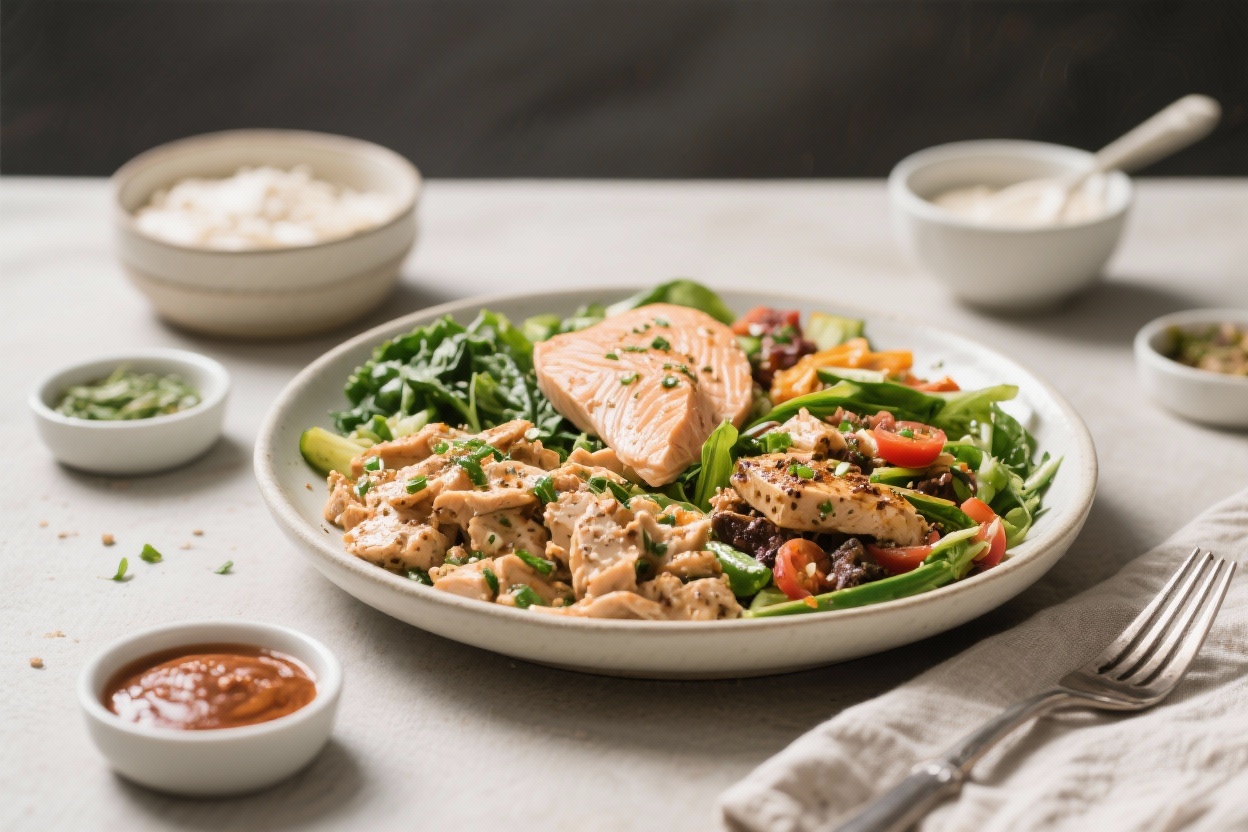
High protein meals for beginners – With a few basic ingredients and simple techniques, you can build balanced meals that fit into any s
- Prep the base: Pat the chicken dry and season with salt, pepper, and paprika. Chop the veggies so they’re roughly the same size for even cooking.
- Make the sauce: In a small bowl, stir soy sauce, rice vinegar, honey, and sesame oil. Taste and adjust—add a splash more soy for salt, vinegar for brightness, or honey for balance.
- Sear the chicken: Heat 1 tbsp oil in a large skillet over medium-high heat. Add chicken in a single layer. Cook 4–6 minutes, stirring once or twice, until lightly browned and cooked through. Remove to a plate.
- Cook the veggies: Add another 1 tbsp oil if needed. Toss in broccoli, bell pepper, and onion. Cook 4–5 minutes until crisp-tender. Add garlic and ginger for the last 30 seconds.
- Combine and sauce: Return chicken to the pan. Pour in the sauce. Stir and cook 1–2 minutes until it lightly coats everything. If using chickpeas or edamame, fold them in now to warm through.
- Serve your way: Spoon over brown rice, quinoa, or greens. Finish with green onions, a squeeze of lime, and seeds or nuts if you like.
- Make it a wrap or bowl: For a quick lunch, roll the mixture in a whole-grain tortilla. For a lighter option, pile it on shredded cabbage or mixed greens with a drizzle of extra vinegar or a dollop of Greek yogurt.
How to Store
- Fridge:Cool completely, then store in airtight containers for up to 4 days. Keep the base (chicken and veggies) separate from greens or wraps.
- Freezer:Freeze the cooked chicken and veggies (without greens or rice) in freezer-safe containers for up to 2 months. Thaw overnight in the fridge.
- Reheat:Warm on the stove over medium heat with a splash of water or broth, or microwave in 60–90 second bursts. Add fresh garnish after reheating.
- Meal-prep tip:Portion into single servings with measured rice or quinoa so you know your macros at a glance. For more healthy light cooking recipes, check out our collection.
Benefits of This Recipe
- High satiety: Protein helps you feel full longer, which can reduce snacking and support weight goals.
- Muscle support: Adequate protein can aid recovery after workouts and help maintain lean mass.
- Steady energy: Pairing protein with fiber-rich veggies and whole grains can help avoid mid-afternoon crashes.
- Budget-friendly: Chicken, broccoli, and rice are affordable and easy to find. You can swap in sales or frozen items.
- Beginner-proof: One pan, simple sauce, forgiving cook times.
Pitfalls to Watch Out For
- Dry chicken: Overcooking makes it tough. Cut pieces evenly and pull them as soon as they’re no longer pink.
- Too salty: Soy sauce adds salt quickly. Start with low-sodium and adjust at the end. If it’s salty, add a squeeze of lemon and a splash of water.
- Soggy veggies: Crowding the pan steams them. Cook in two batches if needed to keep a good sear.
- Bland flavor: Don’t skip acid. Vinegar or lemon brightens everything. Fresh herbs or a pinch of chili flakes also help.
- Unbalanced plates: Protein alone isn’t enough. Include veggies and a smart carb or healthy fat so the meal keeps you full.
Alternatives
- Different proteins: Use turkey breast, extra-lean ground beef, tofu, tempeh, shrimp, or salmon. For tofu, press it and pan-sear until golden before adding sauce.
- Low-carb base: Serve over cauliflower rice or shredded cabbage. Add avocado or a spoon of hummus for healthy fats.
- Dairy boost: Top bowls with a dollop of Greek yogurt or crumbled feta for extra protein and creaminess.
- Flavor swaps: Go Mediterranean (olive oil, lemon, oregano), Mexican-inspired (cumin, chili powder, lime), or Thai-style (fish sauce, lime, basil, chili).
- Vegetarian version: Combine chickpeas and edamame with the veggies. Add a handful of nuts or seeds for texture and extra protein.
FAQ
How much protein is in one serving?
With 1.5 lb of chicken divided into four servings, you’ll get roughly 30–35 grams of protein per serving, not including add-ons. Adding edamame, chickpeas, or Greek yogurt can bump it higher.
Can I use frozen vegetables?
Yes. Use frozen broccoli or mixed stir-fry veggies. Cook them over medium-high heat so moisture evaporates and they don’t get soggy. You might need an extra minute or two.
What if I don’t eat chicken?
Swap in firm tofu, tempeh, shrimp, or salmon. Tofu and tempeh work best when browned well before you add the sauce. Shrimp and salmon cook fast—add them at the end and avoid overcooking.
Is this good for weight loss?
It can be. The high protein and fiber help with fullness. Keep sauces light, measure oils, and pair with veggies or cauliflower rice if you want to lower calories while staying satisfied.
How can I meal prep this for the week?
Cook the base recipe, portion into four containers, and store rice or quinoa separately if you prefer. Add fresh herbs or a squeeze of citrus after reheating to keep flavors bright.
Can I make it gluten-free?
Yes. Use tamari or coconut aminos instead of soy sauce and ensure any wraps or grains are gluten-free.
What’s a simple way to add more protein?
Stir in edamame, chickpeas, or a scrambled egg. Or top with a spoonful of cottage cheese or Greek yogurt right before serving.
Final Thoughts
High-protein meals don’t have to be complicated. With a basic formula—protein, veggies, flavor, and a smart base—you can make tasty food that supports your goals and fits your schedule. Start with this simple chicken and veggie skillet, then swap ingredients based on what you like and what you have. Keep the steps the same, tweak the flavors, and you’ve got a flexible meal you’ll actually look forward to eating. Consistency beats perfection, and this recipe makes it easy to stick with it.