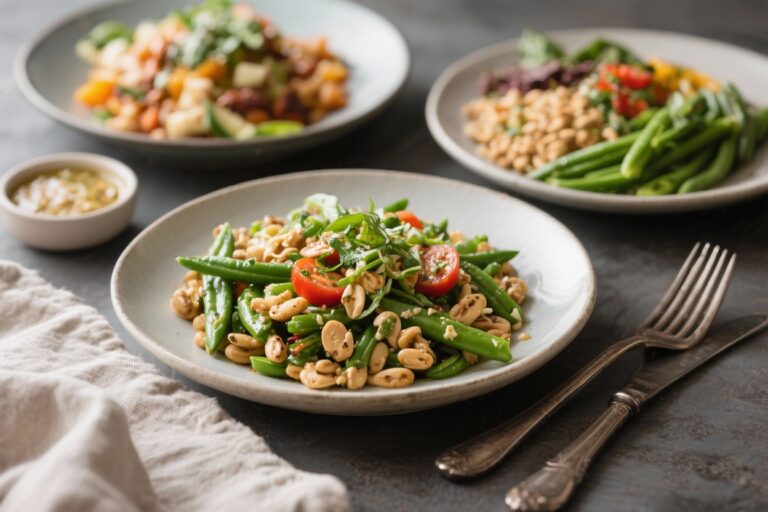
High Protein Family Dinners – Easy, Comforting, and Satisfying
High Protein Family Dinners – Easy, Comforting, and Satisfying
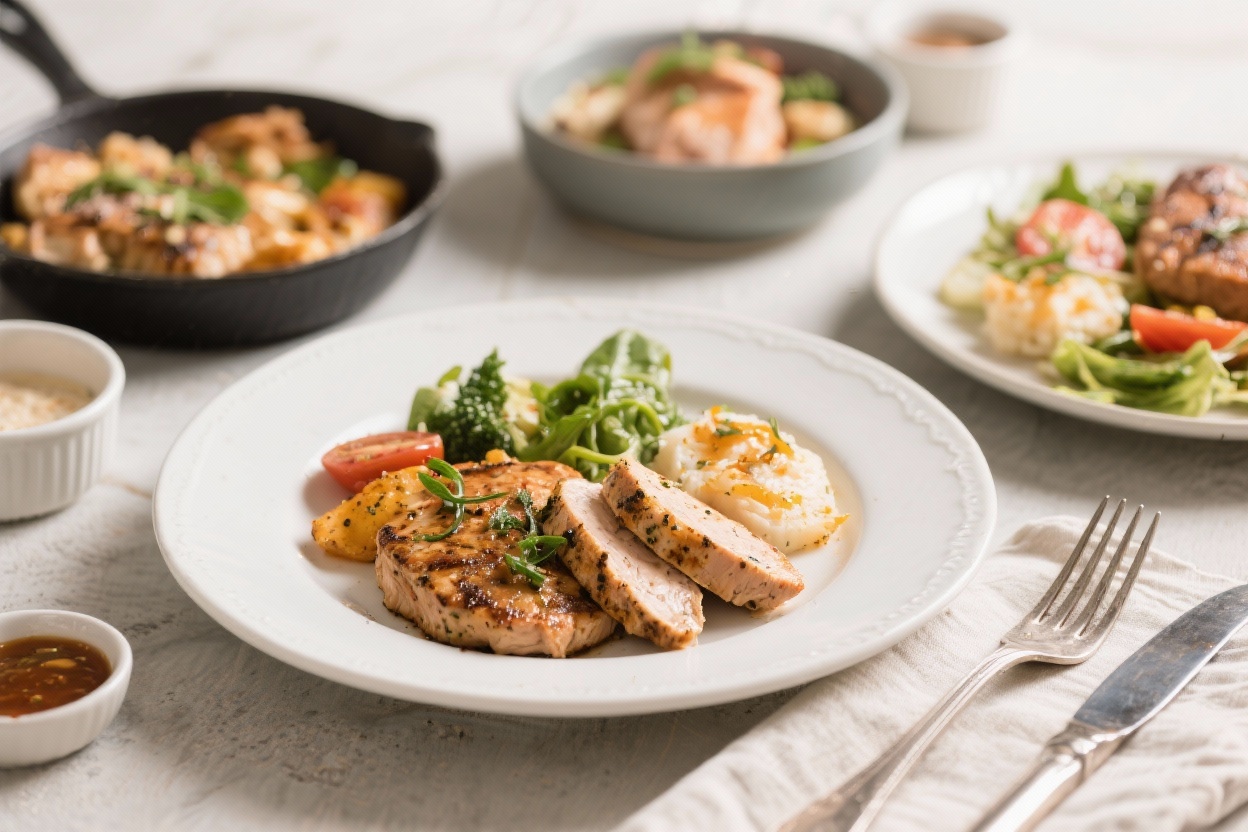
Weeknights get busy, and it’s not always easy to pull together a meal that fills everyone up without a lot of fuss. High protein family dinners make that balance a lot easier. They’re hearty, keep energy steady, and help kids and adults feel satisfied without extra snacking. The best part is you don’t need complicated ingredients or hours in the kitchen. With a few smart swaps and a clear plan, you can serve something wholesome that actually tastes great.
What Makes This Special
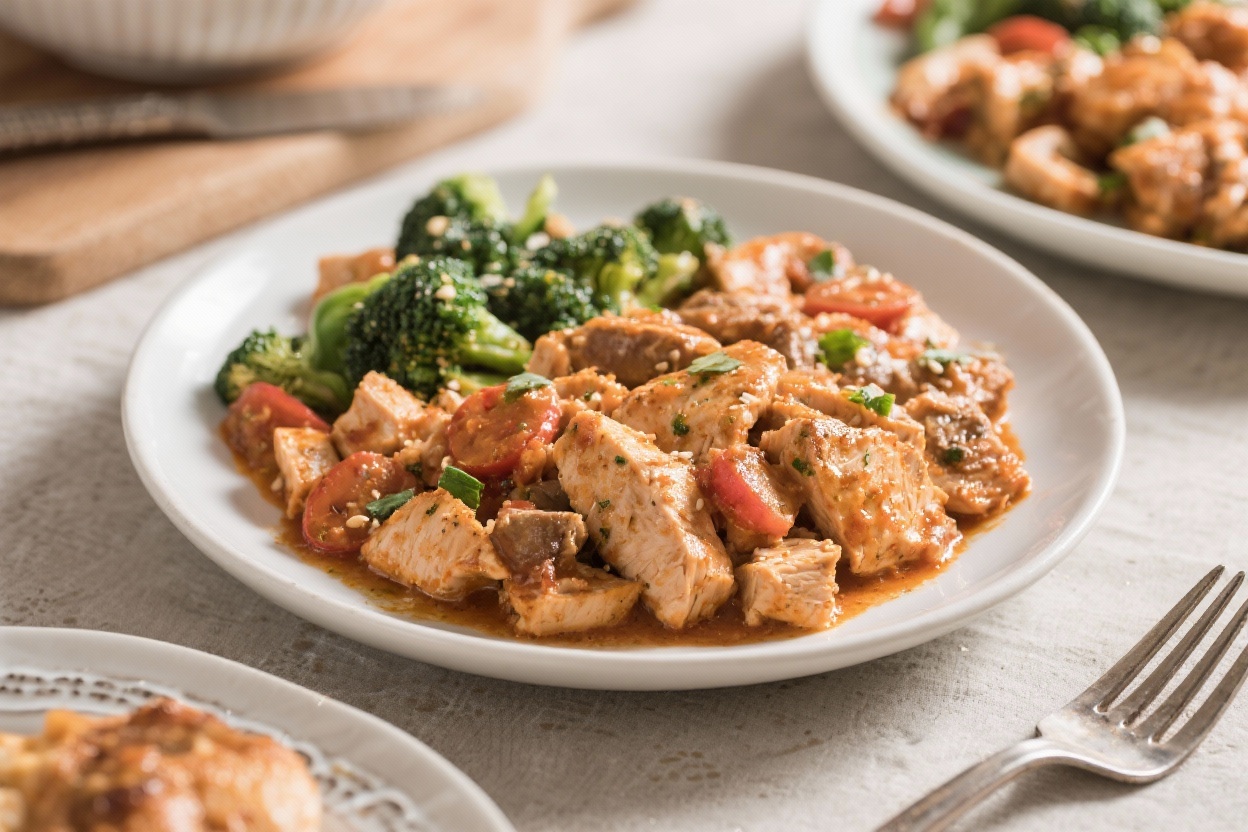
High protein family dinners – High Protein Family Dinners – Easy, Comforting, and Satisfying Weeknights get busy, and it’s not alw
This guide isn’t about a single recipe—it’s a simple framework for building high protein dinners your family will ask for again. You’ll use flexible ingredients, choose practical cooking methods, and get balanced plates without overthinking it. The focus is on flavor, speed, and nutrition. You’ll find ideas that adapt to allergies, picky eaters, and varying appetites.
Ingredients
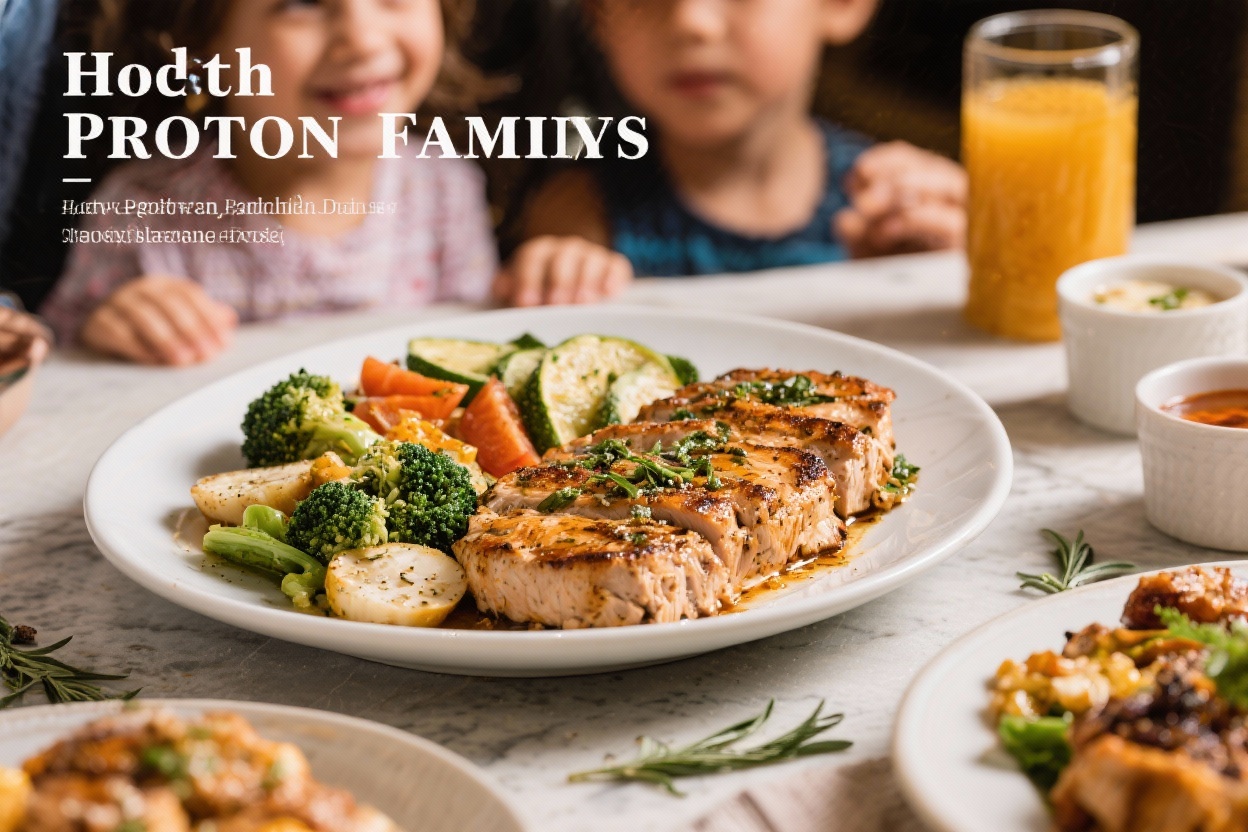
High protein family dinners – High protein family dinners make that balance a lot easier
- Main protein options (choose 1–2): boneless chicken thighs, lean ground turkey, extra-firm tofu, salmon fillets, canned tuna, shrimp, lean ground beef, pork tenderloin, or canned chickpeas/lentils
- Supporting proteins: Greek yogurt, cottage cheese, eggs, edamame, black beans, tempeh
- Fiber-rich carbs: quinoa, brown rice, whole-grain pasta, whole-wheat tortillas, sweet potatoes, farro
- Vegetables (fresh or frozen): bell peppers, broccoli, spinach, green beans, carrots, zucchini, cherry tomatoes, onions
- Flavor builders: garlic, ginger, lemon, lime, soy sauce or tamari, chili flakes, cumin, paprika, Italian seasoning, curry powder
- Healthy fats: olive oil, avocado oil, sesame oil, avocado, nuts/seeds (almonds, pumpkin seeds)
- Quick sauces and boosts: tomato sauce, pesto, salsa, low-sugar BBQ sauce, tahini, hummus, reduced-sodium broth
- Optional toppings: shredded cheese, grated Parmesan, green onions, cilantro, hot sauce, plain Greek yogurt (as a sour cream swap)
Instructions
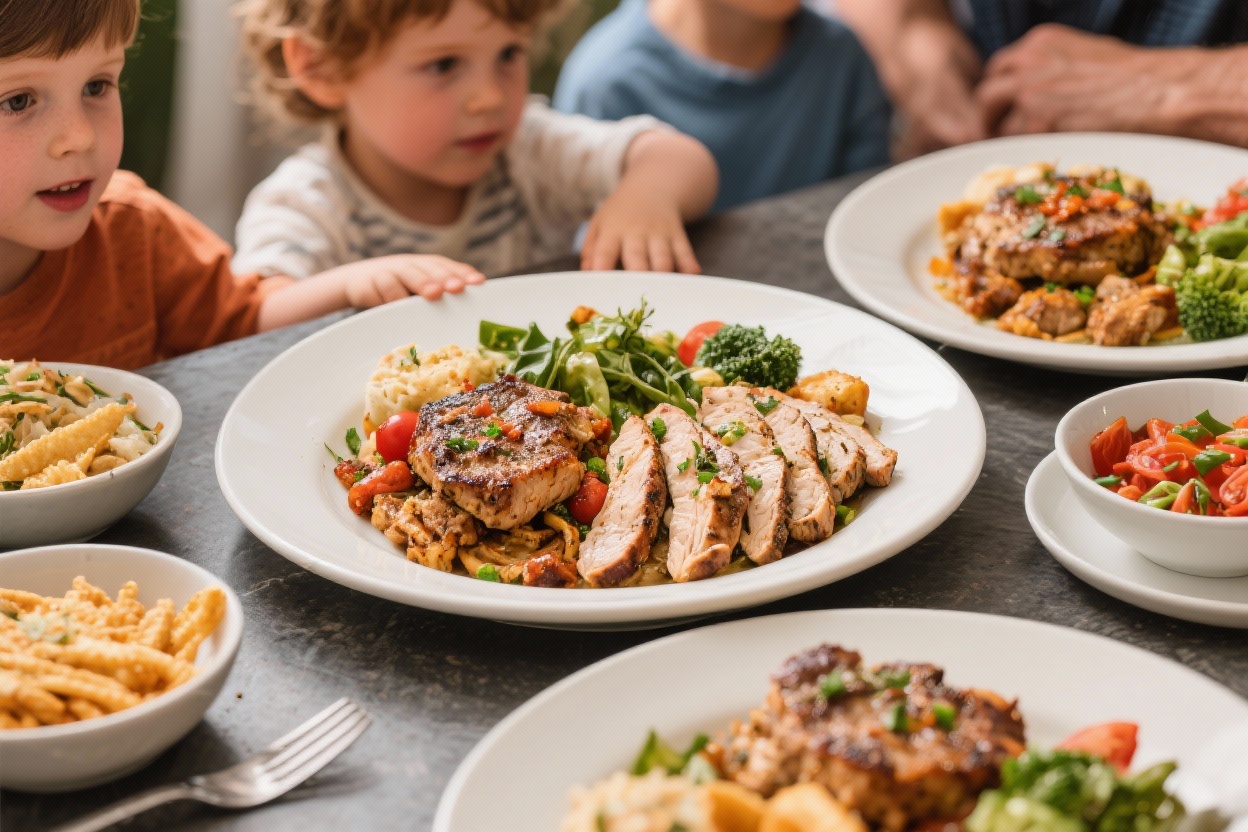
High protein family dinners – They’re hearty, keep energy steady, and help kids and adults feel satisfied without extra snacking
- Pick your protein base. Choose one main protein that suits your family. Aim for about 4–6 ounces per adult and 2–3 ounces per child. Combine animal and plant proteins if you like—for example, ground turkey with black beans.
- Choose your cooking method. For speed, go with sheet pan roasting, skillet sautés, or Instant Pot/pressure cooking. Grilling works great in warm weather. Stir-fries and one-pot pasta are weeknight heroes.
- Build a flavor profile. Keep it simple: Italian (garlic, olive oil, tomato sauce), Mexican-inspired (cumin, chili powder, lime, salsa), Asian-inspired (soy sauce, ginger, garlic, sesame), or Mediterranean (lemon, oregano, olive oil).
- Add a fiber-rich base. Start a pot of quinoa, brown rice, or whole-grain pasta while you cook your protein. Batch-cook grains earlier in the week to save time.
- Load the veggies. Toss chopped vegetables onto the sheet pan or into the skillet. Frozen veggies are fine—no need to thaw. Aim for at least two colors for variety and nutrients.
- Cook to doneness without overdoing it. Chicken should reach 165°F, fish 145°F, and ground meats fully browned. Tofu should be golden. Keep vegetables crisp-tender for better texture.
- Add sauces and finishers. Stir in sauce during the last few minutes so it coats everything without burning. Add a squeeze of lemon or lime, fresh herbs, or a spoonful of Greek yogurt to brighten flavors.
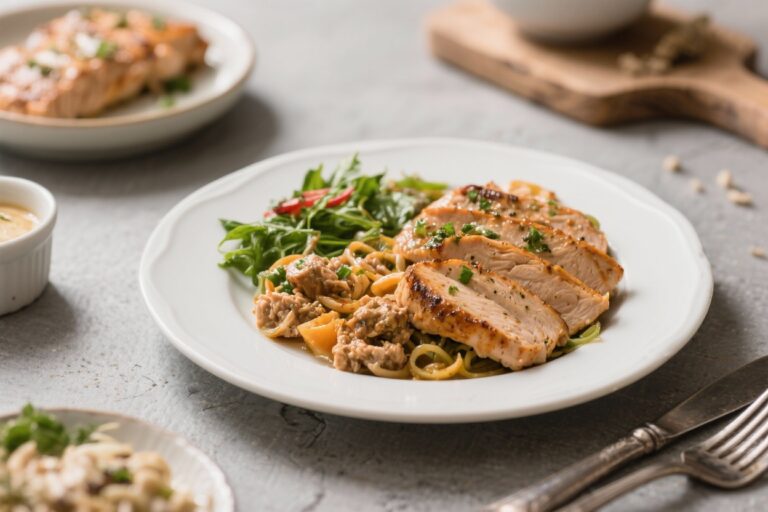
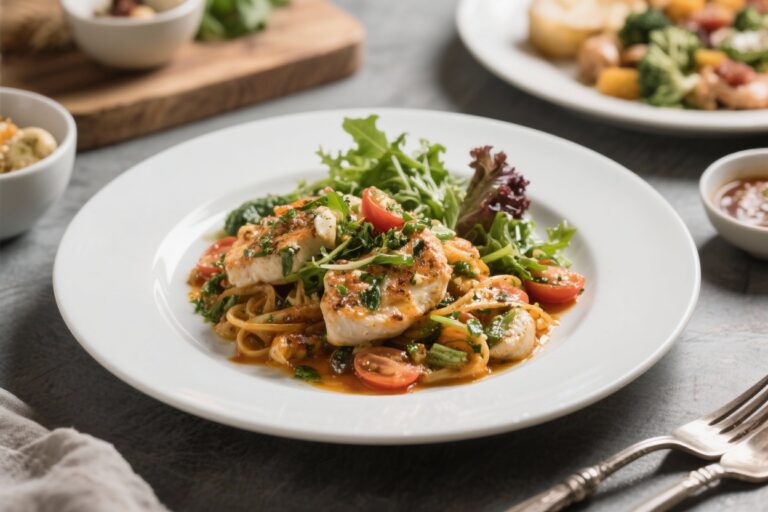
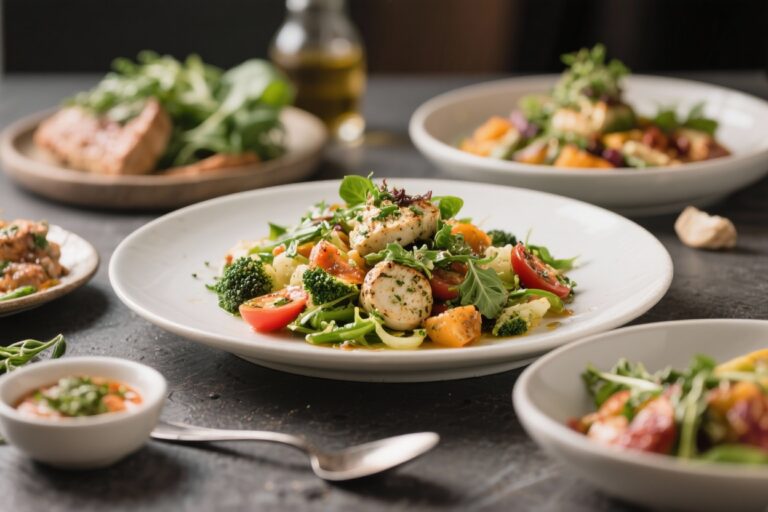
- Assemble balanced plates. Fill half the plate with veggies, a quarter with protein, and a quarter with your fiber-rich carb. Add a small portion of healthy fat like avocado or nuts if it fits the meal.
- Taste and adjust. Add a pinch of salt, a dash of acid, or a sprinkle of cheese if needed. Keep spice levels family-friendly and offer hot sauce on the side.
- Serve family-style. Put everything on the table and let everyone build their own plate. This helps picky eaters feel in control and reduces dinner stress.
How to Store
- Refrigerate:Store cooked proteins, grains, and veggies in separate airtight containers for 3–4 days. This keeps textures better when reheating.
- Freeze:Freeze cooked chicken, turkey, beef, tofu, or beans in labeled portions for up to 3 months. Sauces like tomato sauce or pesto also freeze well.
- Reheat:Use the stovetop with a splash of broth or water to avoid drying out. For microwaves, cover loosely and stir halfway through.
- Lunch prep:Pack bowls with a base of grains, then protein, then veggies. Keep dressings or sauces in a small container to add right before eating. For a full weekly meal prep routine, see the guide.
Why This is Good for You
- Steady energy: Protein slows digestion and keeps blood sugar more stable, reducing crashes and late-night grazing.
- Muscle support: Kids need protein to grow; adults need it to maintain muscle, especially if active or trying to lose weight.
- Fullness that lasts: Pairing protein with fiber-rich carbs and veggies helps you stay satisfied longer without extra calories.
- Nutrient density: Using a mix of animal and plant proteins delivers iron, zinc, B vitamins, omega-3s (from fish), and fiber (from beans and whole grains).
Common Mistakes to Avoid
- Overcooking the protein: Dry chicken or rubbery shrimp turn people off. Use a thermometer and pull meat off heat on time.
- Skipping seasoning: High protein doesn’t mean bland. Salt, acid, and herbs are key to making healthy food craveable.
- Forgetting the veggies: Protein is only part of the picture. Add color and crunch for balance, fiber, and vitamins.
- Relying only on salads: Leafy greens are great, but kids and busy adults often prefer warm, hearty meals. Use bowls, skillets, and casseroles, too.
- Too little sauce: A small amount of a bold sauce goes a long way. It helps with moisture and flavor without adding tons of calories.
Variations You Can Try
- Sheet Pan Chicken and Veggies:Toss chicken thighs, broccoli, and carrots with olive oil, garlic, and Italian seasoning. Roast at 425°F until done. Serve over quinoa with a squeeze of lemon.
- Turkey Taco Skillet:Brown lean ground turkey with onions, cumin, chili powder, and paprika. Stir in black beans and corn. Serve with whole-wheat tortillas, salsa, and Greek yogurt.
- Salmon, Rice, and Greens Bowl:Roast salmon with lemon and dill. Add to brown rice with steamed green beans and a drizzle of olive oil. Finish with a spoonful of pesto.
- Tofu Stir-Fry:Crisp extra-firm tofu in sesame oil, then add broccoli, peppers, and snap peas. Sauce with soy, ginger, garlic, and a touch of honey. Serve over cauliflower rice or quinoa.
- Lentil Tomato Pasta:Simmer cooked lentils in tomato sauce with garlic and oregano. Toss with whole-grain pasta and top with Parmesan. Add spinach until wilted.
- Shrimp and Veggie Fried “Rice”:Use leftover brown rice or cauliflower rice. Stir-fry with eggs, peas, carrots, and shrimp. Season with soy sauce and green onions.
- Greek-Inspired Bowls:Layer grilled chicken, chickpeas, cucumber, tomato, olives, and red onion over farro. Add a dollop of hummus or tzatziki made with Greek yogurt. For more easy high protein dinner ideas, check out the full guide.
FAQ
How much protein should a family dinner include?
Aim for about 20–35 grams of protein per adult serving and 10–20 grams for kids, depending on age and appetite. This usually looks like a palm-sized portion of meat or fish, or a cup of beans and grains combined.
Can high protein meals be vegetarian?
Yes. Combine foods like tofu, tempeh, beans, lentils, edamame, quinoa, dairy, and eggs. Mixing plant proteins and whole grains helps you hit your targets without meat.
What if my kids are picky eaters?
Keep flavors simple and let them build their own plates. Offer familiar sauces, mild seasonings, and choose softer textures. Include at least one “safe” item each meal, like rice or fruit.
How do I keep meals from drying out?
Don’t overcook proteins, and add a sauce or broth near the end. Reheat gently with a splash of water or stock, and cover the dish to trap moisture.
Are frozen veggies okay?
Absolutely. They’re picked at peak freshness and often have the same nutrients as fresh. Toss them straight into skillets, soups, and sheet pans.
What are quick protein add-ins for busy nights?
Keep rotisserie chicken, canned tuna or salmon, Greek yogurt, eggs, cottage cheese, and pre-cooked lentils on hand. They turn sides into complete meals fast.
How can I reduce sodium while keeping flavor?
Use reduced-sodium sauces, add acids like lemon or vinegar, and season with herbs and spices. Taste as you go and salt lightly at the end.
Wrapping Up
High protein family dinners don’t need to be fancy or time-consuming. With a solid protein, colorful veggies, and a smart carb, you can put together meals that taste great and actually satisfy. Keep a few go-to flavor combos in your back pocket, prep a grain or two ahead of time, and use sauces to tie everything together. A little planning makes weeknights calmer and plates a lot more enjoyable.