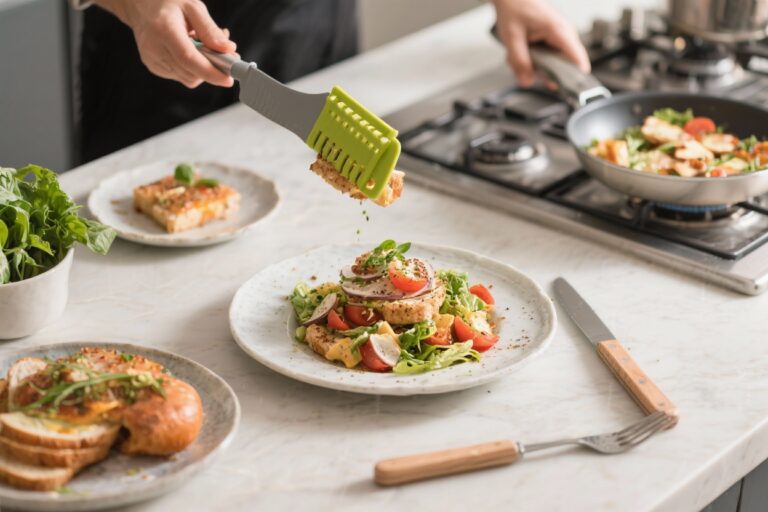
How to Fix Bland Meals Fast – Simple Tricks for Big Flavor
How to Fix Bland Meals Fast – Simple Tricks for Big Flavor
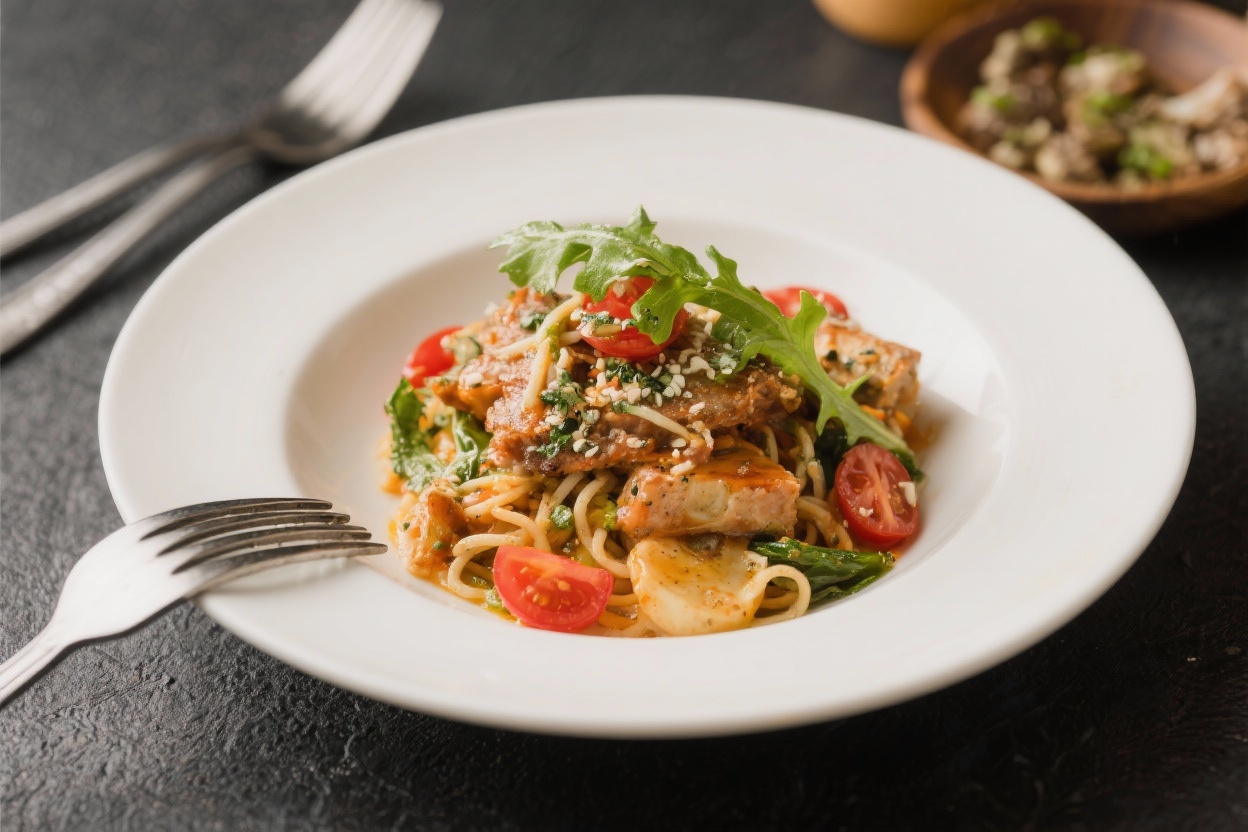
Bland dinner happens to everyone. You cook something that looks fine, but one bite tells you it needs help—fast. The good news: you don’t need to start over or drown it in salt. With a few smart additions, you can turn a flat dish into something bright, balanced, and satisfying in minutes. Here’s your quick guide to rescuing flavor without fuss or fancy tools.
Why This Recipe Works
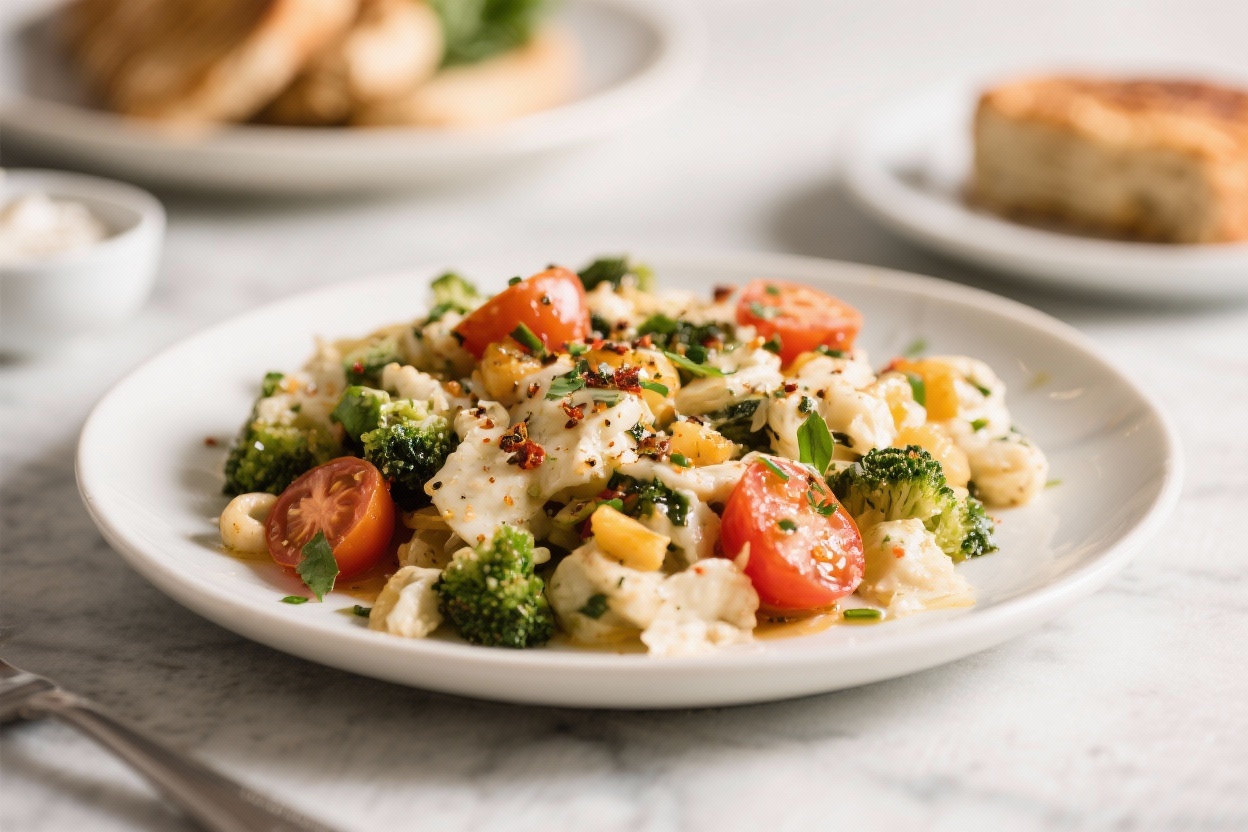
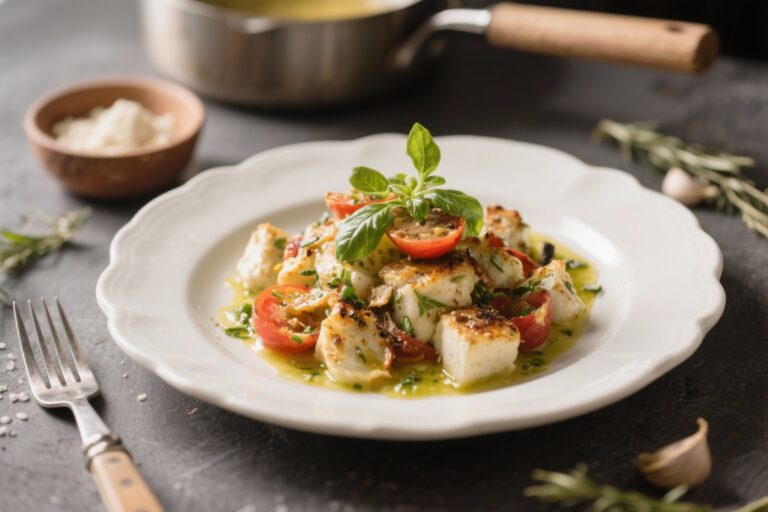
How to fix bland meals fast – How to Fix Bland Meals Fast – Simple Tricks for Big Flavor Bland dinner happens to everyone
This method hits all the major flavor notes—salt, acid, fat, umami, heat, and freshness—so your food tastes complete. When a meal is bland, it’s usually missing one of these elements. By adding quick, high-impact ingredients, you correct the balance and wake up the dish. It’s flexible, fast, and uses pantry staples you probably already have.
Ingredients
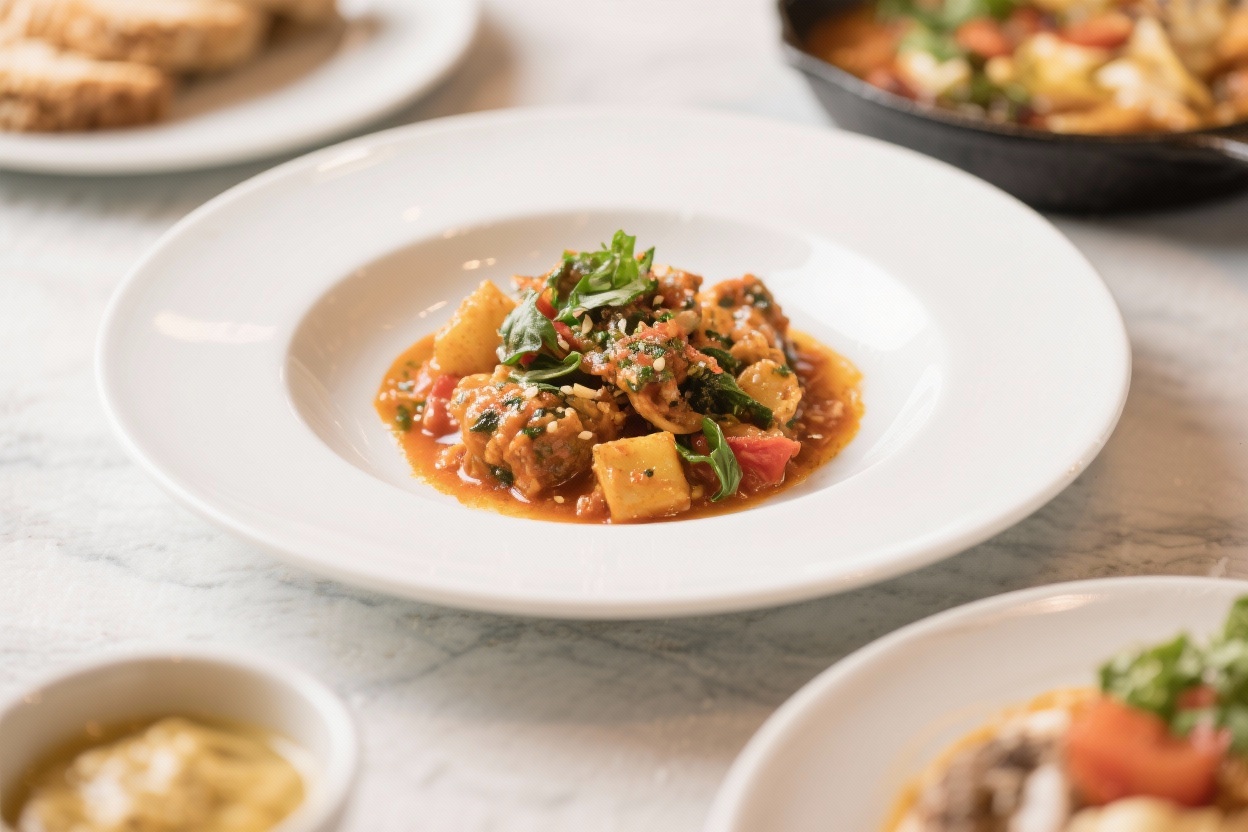
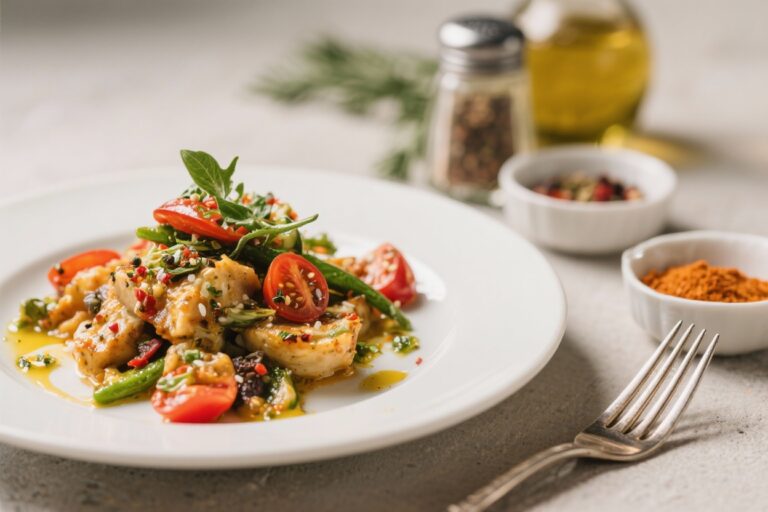
How to fix bland meals fast – You cook something that looks fine, but one bite tells you it needs help—fast
- Salt(fine sea salt or kosher salt)
- Acid: lemon or lime juice, vinegar (red wine, apple cider, rice, or balsamic)
- Fat: olive oil, butter, sesame oil, or cream
- Umami: soy sauce or tamari, fish sauce, miso paste, Parmesan, tomato paste, Worcestershire
- Heat: chili flakes, hot sauce, fresh chili, black pepper
- Sweetness(optional): honey, maple syrup, or a pinch of sugar
- Freshness: fresh herbs (parsley, cilantro, basil, dill), green onions, garlic, ginger, lemon zest
- Texture boosters: toasted nuts, seeds, crispy onions, panko, croutons
- Broth or stock(low-sodium) for thinning and seasoningsimple flavor tips easy flavor tips for beginners
Instructions
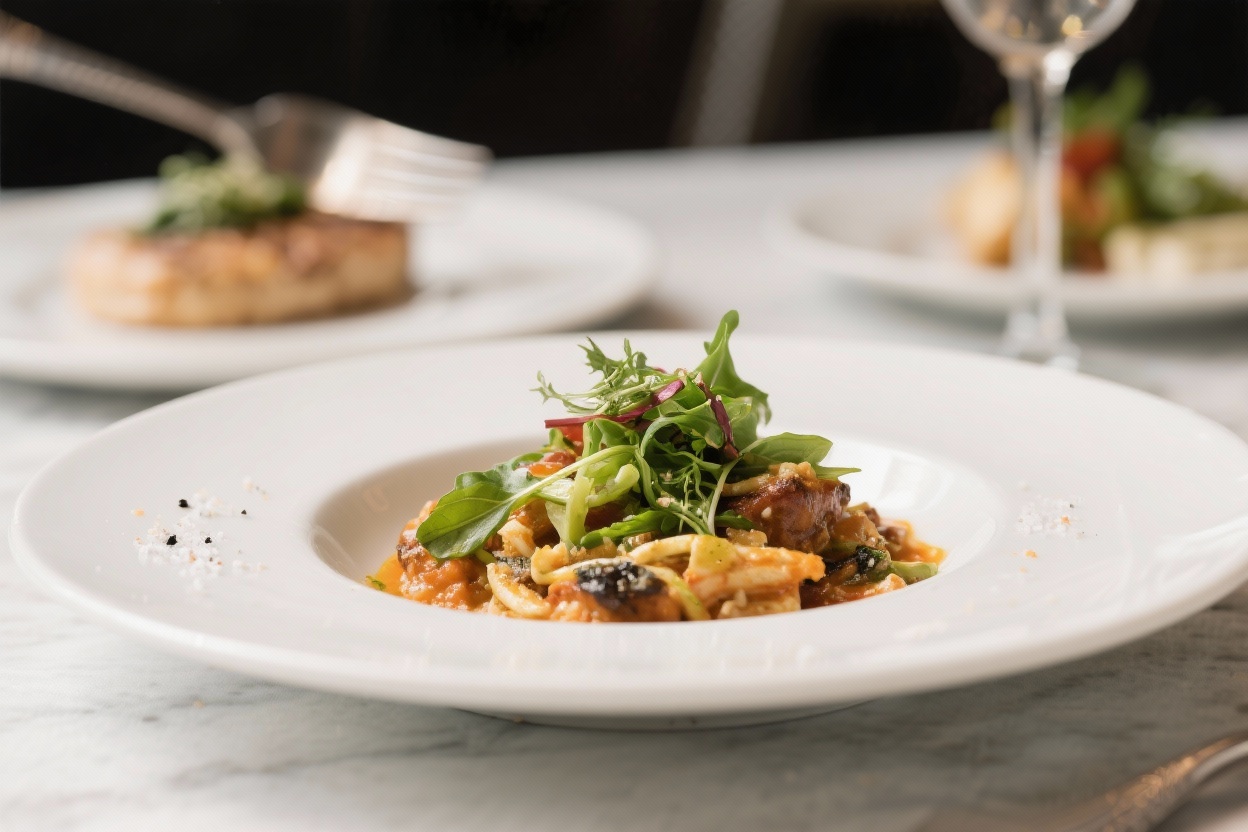
How to fix bland meals fast – The good news: you don’t need to start over or drown it in salt
- Taste first.Take a bite and notice what’s missing. Is it flat (needs salt)? Dull (needs acid)? Heavy (needs freshness)? Thin (needs umami or fat)? This quick check prevents over-correcting.
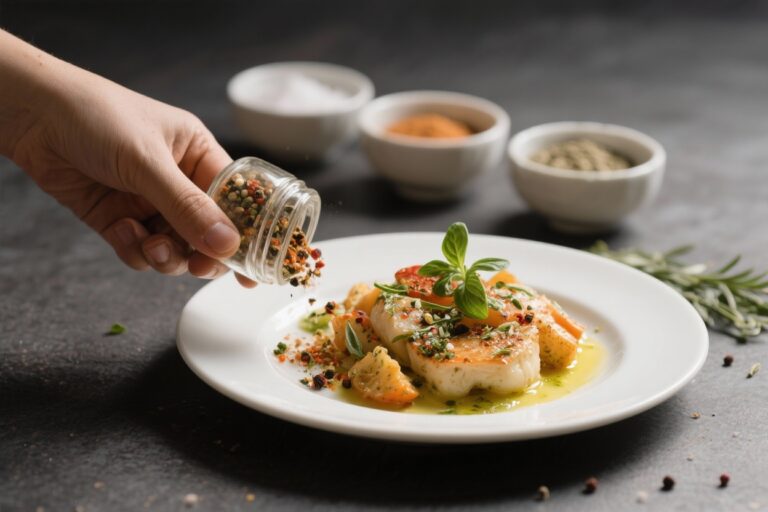
- Add salt in tiny bursts.Sprinkle a small pinch, stir, and taste. Salt wakes up everything else. If it tastes more like itself, you’re on the right track.
- Brighten with acid.Add 1–2 teaspoons of lemon juice or vinegar. Stir and taste again. Acid brings dishes to life, especially soups, grains, and sauces.
- Boost umami.Stir in 1–2 teaspoons of soy sauce, miso, fish sauce, tomato paste, or a grating of Parmesan. This deepens flavor without making it “salty.”
- Round it out with fat.Swirl in a teaspoon of butter, olive oil, cream, or sesame oil. Fat smooths sharp edges and adds richness, especially in sauces and sautés.
- Add heat (optional).A pinch of chili flakes or a dash of hot sauce adds excitement. Start small—you can always add more.
- Balance with a touch of sweetness.If the dish is too acidic or bitter, add 1/2 teaspoon of honey or sugar. This softens harshness without making it sweet.
- Finish with freshness.Fold in chopped herbs, green onions, lemon zest, or a quick grate of garlic or ginger. Fresh elements add pop and aroma at the end.
- Fix the texture.Add crunch on top: toasted nuts, seeds, crispy onions, or panko. Texture makes a dish feel complete, especially on creamy or soft meals.
- Taste and adjust.Take one final bite. Ask: do I need a pinch more salt, a squeeze of lemon, or a drizzle of oil? Stop when it tastes balanced and bright. For more simple ways to season food better, see our practical tips.
How to Store
- Leftovers: Store enhanced dishes in airtight containers in the fridge for 3–4 days.
- Fresh herbs: Wrap in a damp paper towel and keep in a bag in the fridge for up to a week.
- Flavor boosters: Keep miso, fish sauce, soy sauce, and tomato paste on hand; they last for months. Freeze leftover tomato paste in teaspoon portions.
- Crunchy toppings: Store toasted nuts and seeds in jars at room temp for 1–2 weeks or in the freezer for longer.
Why This is Good for You
- Better satisfaction: Balanced flavor can help you feel content with smaller portions because food tastes more complete.
- Flexible nutrition: Fresh herbs, citrus, and aromatics add vitamins and antioxidants with minimal calories.
- Smart salt use: Using acid and umami can make food taste well-seasoned without relying on lots of salt.
- Home cooking win: Rescuing a bland dish reduces food waste and encourages cooking at home, which is usually healthier than takeout.
Pitfalls to Watch Out For
- Over-salting: Always add salt in small pinches and taste after each. It’s the easiest mistake to make.
- Too much acid: If it gets sharp, balance with a little fat or a pinch of sugar.
- Heavy hand with umami: Fish sauce, soy, and miso are powerful. Start with 1 teaspoon and adjust.
- Clashing flavors: Match the cuisine. Sesame oil fits Asian-style dishes; Parmesan fits Italian; lime and cilantro suit Mexican or Southwestern flavors.
- Ignoring texture: Bland often feels bland because it’s one-note in texture. Add crunch or a creamy element to fix the “feel,” not just the taste.
Recipe Variations
- Bland pasta: Add a knob of butter or olive oil, a spoon of pasta water, a squeeze of lemon, grated Parmesan, black pepper, and chopped parsley. Finish with chili flakes.
- Flat soup: Stir in soy sauce or miso, a squeeze of lemon or vinegar, and fresh herbs. For creamy soups, add a swirl of cream or olive oil.
- Meh stir-fry: Splash with soy sauce, rice vinegar or lime, a touch of honey, and sesame oil. Add green onions and crushed peanuts.
- Boring roasted vegetables: Toss with olive oil, salt, lemon zest, and a drizzle of balsamic. Add feta or Parmesan and toasted seeds.
- Plain grains (rice, quinoa, couscous): Stir in butter or olive oil, lemon juice, chopped herbs, and a handful of nuts or dried fruit.
- Dull salad: Add acid (lemon or vinegar), salt, a touch of honey, and good olive oil. Layer with crunchy elements and a salty cheese.
- Underwhelming chicken or fish: Finish with a quick pan sauce: deglaze with lemon or vinegar, add a knob of butter, salt, pepper, and herbs.
FAQ
What’s the fastest single fix for bland food?
A small pinch of salt plus a squeeze of lemon or a splash of vinegar. That combo wakes up most dishes in seconds.
How do I fix something that’s too salty?
Add acid and fat to soften it, and increase volume if possible—more veggies, grains, or unsalted broth. A little sweetness can also help.
Can I rescue overspiced food?
Yes. Dilute with more base ingredients (rice, vegetables, broth), add dairy or coconut milk to mellow heat, and balance with acid.
What if I don’t have fresh herbs?
Use a pinch of dried herbs early in heating to bloom them, and finish with lemon zest, green onions, or a good olive oil for freshness.
How do I fix a bland vegan meal without cheese or fish sauce?
Use soy sauce or tamari, miso, nutritional yeast, roasted mushrooms, or a dash of balsamic for umami. Finish with lemon and herbs.
Is sugar really necessary?
Not always. It’s optional, but a tiny amount can balance bitterness or sharp acidity without making the dish taste sweet.
What’s a good universal “rescue sauce” to keep on hand?
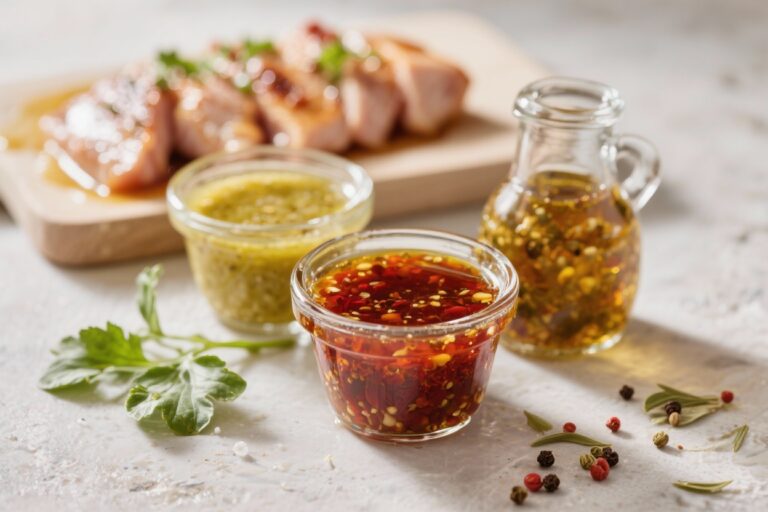
Mix 2 parts soy sauce, 2 parts rice vinegar or lemon juice, 1 part honey or maple, a little grated garlic or ginger, and a splash of sesame oil. Use sparingly to finish meats, veggies, noodles, or grains.
Wrapping Up
Bland isn’t a failure—just a missing puzzle piece. With a few quick moves—salt, acid, umami, fat, heat, and freshness—you can turn “meh” into memorable in minutes. Keep these staples nearby, taste as you go, and adjust lightly. The more you practice, the faster you’ll fix any meal on the fly.