Basic Baking Recipes for Beginners – Simple, Reliable Treats to Get You Started
Basic Baking Recipes for Beginners – Simple, Reliable Treats to Get You Started
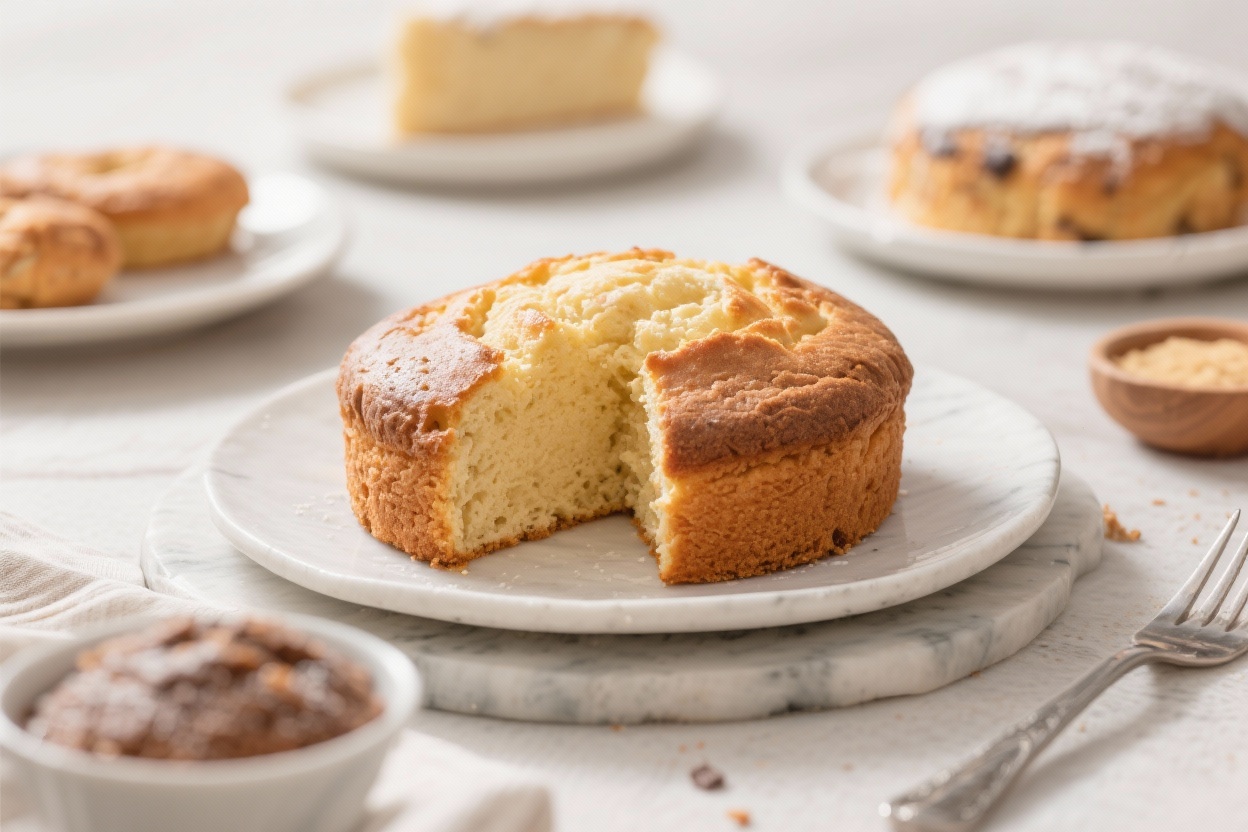
Baking feels magical the first time a warm cake or batch of cookies comes out of your oven. You don’t need fancy tools or years of practice to make something delicious. With a few pantry staples and clear steps, you can learn the rhythms that make baking fun and stress-free. This guide focuses on beginner-friendly recipes that teach core skills you’ll use again and again. You’ll make soft chocolate chip cookies, a tender banana bread, and simple vanilla cupcakes—all reliable, crowd-pleasing bakes.
Why This Recipe Works
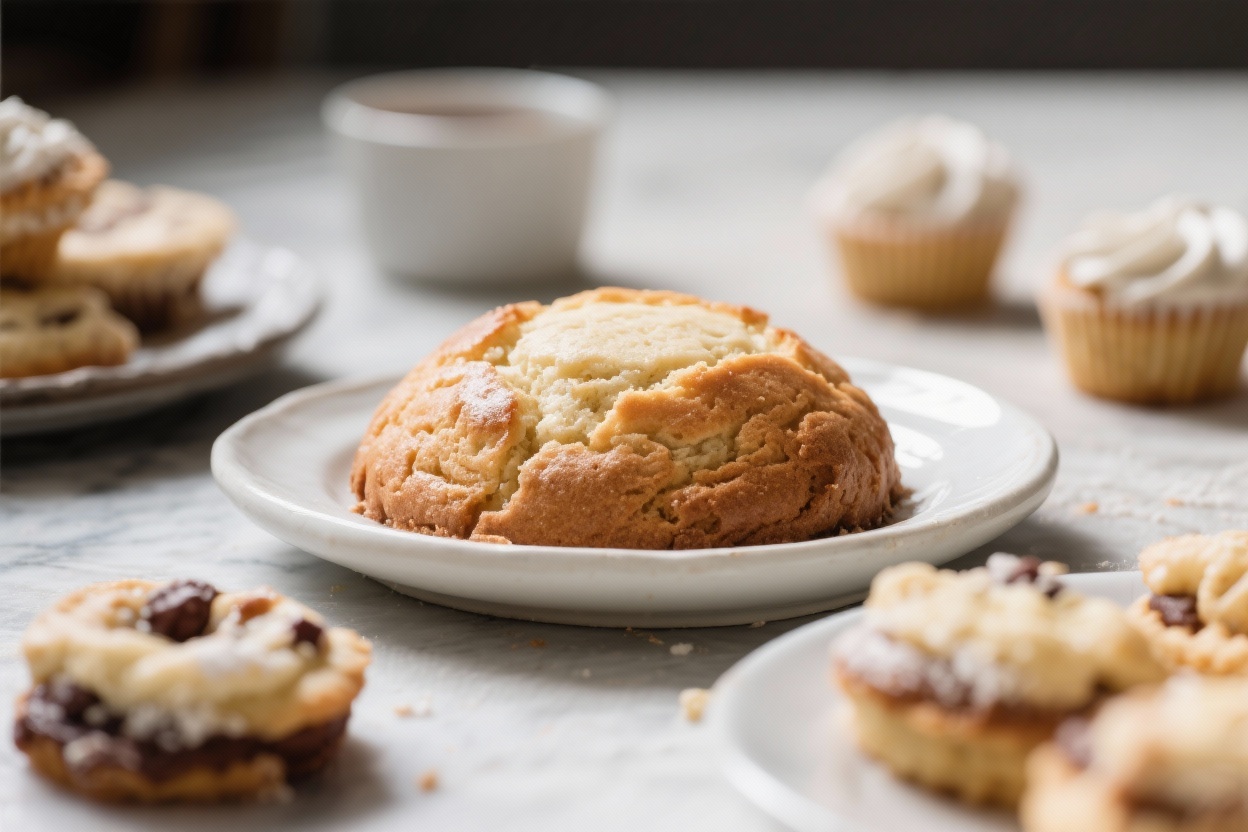
Basic baking recipes for beginners – Basic Baking Recipes for Beginners – Simple, Reliable Treats to Get You Started Baking feels magical
These recipes focus on straightforward techniques and accessible ingredients. You’ll practice creaming butter and sugar, measuring flour correctly, and checking doneness, which are the building blocks of baking. Each recipe is forgiving, so small mistakes won’t ruin your bake. Plus, they use common tools you likely already own—mixing bowls, a whisk or hand mixer, and a standard oven.
Ingredients
- All-Purpose Flour: The backbone for structure in cookies, quick breads, and cupcakes.
- Granulated Sugar: Sweetens and helps with browning.
- Brown Sugar: Adds moisture and a hint of caramel flavor (especially for cookies).
- Unsalted Butter: Controls salt levels and creates rich flavor. Soften for best results.
- Vegetable Oil: Keeps cupcakes extra moist (used in the cupcake recipe).
- Eggs: Bind ingredients and add structure.
- Ripe Bananas: For banana bread—spotty bananas are best.
- Baking Powder and Baking Soda: Leavening agents that help bakes rise.
- Salt: Balances sweetness and boosts flavor.
- Vanilla Extract: Adds warm, classic flavor.
- Chocolate Chips: For the cookies—semi-sweet is a good starting point.
- Milk: For cupcakes—whole or 2% works well.
Instructions
-
Chocolate Chip Cookies
- Preheat: Heat oven to 350°F (175°C). Line two baking sheets with parchment.
- Cream: Beat 1/2 cup softened butter with 1/2 cup granulated sugar and 1/2 cup brown sugar until light and fluffy, 2–3 minutes.
- Add eggs and vanilla: Mix in 1 large egg and 1 teaspoon vanilla until smooth.
- Dry ingredients: In a bowl, whisk 1 1/4 cups all-purpose flour, 1/2 teaspoon baking soda, and 1/2 teaspoon salt.
- Combine: Mix dry into wet on low just until combined. Fold in 1 cup chocolate chips.
- Scoop and bake: Scoop 1–2 tablespoon portions, spacing 2 inches apart. Bake 9–11 minutes, until edges are set and centers look slightly soft.
- Cool: Let cookies rest on the sheet 5 minutes, then transfer to a rack.
-
Banana Bread
- Preheat: Heat oven to 350°F (175°C). Grease a 9×5-inch loaf pan or line with parchment.
- Mash bananas: In a bowl, mash 3 ripe bananas (about 1 1/2 cups).
- Wet mix: Stir in 1/3 cup melted butter, 1/2 cup granulated sugar, 1/4 cup brown sugar, 1 large egg, and 1 teaspoon vanilla.
- Dry mix: Whisk 1 1/2 cups all-purpose flour, 1 teaspoon baking soda, 1/2 teaspoon baking powder, and 1/2 teaspoon salt.
- Combine: Gently fold dry into wet until no streaks remain. Do not overmix.
- Bake: Pour into the pan and bake 50–60 minutes. A toothpick should come out with a few moist crumbs, not wet batter.
- Cool: Rest in pan 10 minutes, then move to a rack to cool completely before slicing.
-
Vanilla Cupcakes
- Preheat: Heat oven to 350°F (175°C). Line a 12-cup muffin tray with liners.
- Wet mix: In a bowl, whisk 1/3 cup vegetable oil, 2/3 cup sugar, 2 large eggs, and 1 teaspoon vanilla until combined.
- Dry mix: In another bowl, whisk 1 1/4 cups all-purpose flour, 1 1/2 teaspoons baking powder, and 1/4 teaspoon salt.
- Combine and add milk: Add dry to wet, then mix in 2/3 cup milk until smooth, but do not overmix.
- Fill and bake: Divide batter evenly among cups (about 2/3 full). Bake 16–19 minutes, until tops spring back and a toothpick comes out clean.
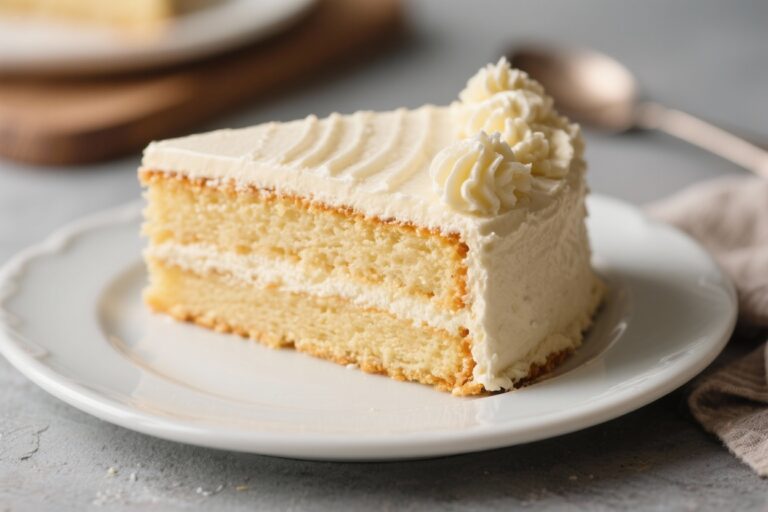
- Cool and frost: Let cool on a rack. Frost with store-bought or simple buttercream if you like.
Storage Instructions
- Cookies: Store at room temperature in an airtight container for 3–4 days. Add a slice of bread to the container to keep them soft.
- Banana Bread: Wrap tightly and keep at room temperature for up to 3 days, or refrigerate for 5–6 days. Freeze slices for up to 3 months; thaw at room temperature.
- Cupcakes: Unfrosted cupcakes keep at room temperature for 2–3 days. Frosted cupcakes should be covered and refrigerated for up to 4 days. Bring to room temperature before serving.
Benefits of This Recipe
- Beginner-Friendly: Clear steps and simple methods help you build confidence.
- Flexible: Easy to flavor with add-ins like nuts, spices, or fruit.
- Uses Pantry Staples: No specialized ingredients required.
- Teaches Core Skills: Creaming, mixing dry and wet, and testing for doneness.
- Reliable Results: Forgiving recipes that still taste great.
Common Mistakes to Avoid
- Packing Flour: Scooping flour directly with the measuring cup compacts it. Spoon it into the cup and level off for accurate measurement.
- Overmixing: Overworking the batter makes bakes tough. Mix just until combined, especially for banana bread and cupcakes.
- Cold Ingredients: Butter and eggs blend better at room temperature. This leads to even texture and proper rise.
- Overbaking: Pull items when edges are set and centers are just cooked. A slightly underdone look usually finishes setting as it cools.
- Skipping Salt: A pinch of salt makes sweet flavors pop. Don’t leave it out.
Variations You Can Try
- Cookies: Swap chocolate chips for chopped chocolate, white chocolate, or raisins. Add 1/2 teaspoon cinnamon for warmth.
- Banana Bread: Stir in 1/2 cup chopped walnuts or chocolate chips. Add 1 teaspoon cinnamon or a pinch of nutmeg for a cozy twist.
- Cupcakes: Fold in sprinkles for funfetti. Add lemon zest to the batter and a squeeze of lemon juice to the frosting for a bright flavor.
- Gluten-Free: Use a 1:1 gluten-free baking flour blend. Check package notes for xanthan gum and adjust liquids if needed.
- Dairy-Free: Use dairy-free butter in cookies and bread, and plant-based milk in cupcakes. Watch bake times closely, as moisture can vary.
FAQ
How do I know when cookies are done?
The edges should be lightly golden while the centers still look a bit soft and puffy. They’ll firm up as they cool on the tray for a few minutes.
Can I use baking powder instead of baking soda in the cookies?
Not directly. Baking soda and baking powder act differently. If you only have baking powder, the texture may change and you’ll need more of it. For best results, stick to the recipe.
My banana bread is sinking in the middle. Why?
It’s often underbaked or overmixed. Check with a toothpick near the center and bake until it comes out with a few moist crumbs. Also measure leaveners accurately and avoid opening the oven too early.
Do I need a mixer?
A hand mixer makes creaming butter and sugar easier, but you can use a sturdy whisk and some patience. For the banana bread and cupcakes, whisking by hand works fine.
Can I double these recipes?
Yes, but bake in separate pans rather than one giant batch to ensure even cooking. Rotate pans halfway through baking if your oven has hot spots.
How do I soften butter quickly?
Cut it into small cubes and let it sit at room temperature for 15–20 minutes. You can also microwave at very low power in short bursts, but avoid melting it.
What’s the best way to measure flour?
Stir the flour in the bag or container to loosen it, spoon it into a measuring cup, and level with a flat edge. This prevents adding too much flour.
Can I reduce the sugar?
You can reduce by about 10–15% without major texture issues. Larger reductions may affect moisture, browning, and structure.
How do I make a simple frosting for the cupcakes?
Beat 1/2 cup softened butter with 1 1/2 cups powdered sugar, 1 teaspoon vanilla, and a pinch of salt. Add 1–2 tablespoons milk until creamy and spreadable.
Why are my cupcakes dense?
Overmixing or old baking powder are common causes. Mix just until smooth and check that your leavener is fresh (it should fizz when stirred into warm water).
Final Thoughts
These three bakes give you a strong foundation and fast wins. You’ll learn how batter should look, how the oven behaves, and when to pull items for the perfect texture. Once you’re comfortable, start tweaking flavors and add-ins to make the recipes your own. Keep notes, trust your senses, and enjoy the process—the best way to learn baking is one warm, homemade treat at a time.
Printable Recipe Card
Want just the essential recipe details without scrolling through the article? Get our printable recipe card with just the ingredients and instructions.