Easy Flavor Tips for Beginners – Simple Ways to Make Food Taste Better
Easy Flavor Tips for Beginners – Simple Ways to Make Food Taste Better

If you’ve ever cooked a meal that felt a little flat, you’re not alone. Great flavor isn’t just about fancy ingredients—it’s about a few smart moves used at the right time. With a handful of simple tips, you can make everyday meals taste brighter, richer, and more satisfying. This guide breaks down the basics in a no-stress way, using ingredients you likely already have. By the end, you’ll feel confident seasoning like a pro and fixing bland dishes on the spot.
Why This Recipe Works

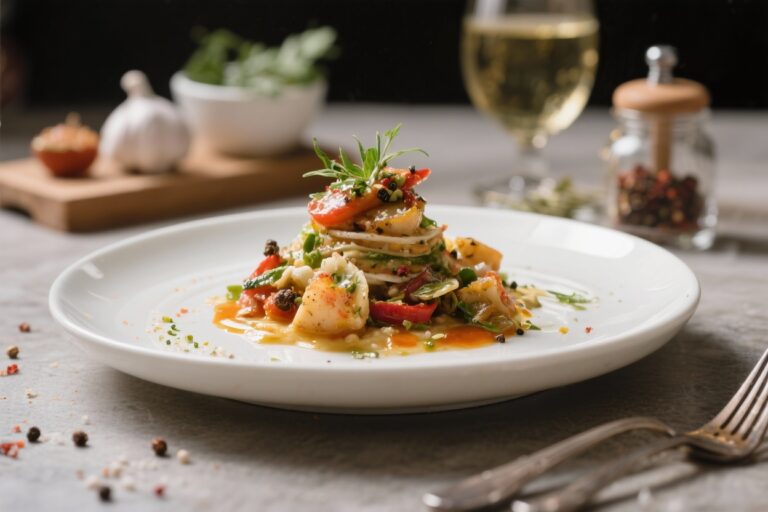
Easy flavor tips for beginners – Easy Flavor Tips for Beginners – Simple Ways to Make Food Taste Better If you’ve ever cooked a meal
This isn’t a traditional recipe—it’s a set of easy, repeatable flavor steps. Each tip builds on basic kitchen principles: salt enhances, acid brightens, fat carries flavor, and heat develops depth. These ideas are simple to learn and work across nearly any dish, from roasted veggies to weeknight pasta. You’ll also learn how to taste and adjust as you go, which is the real secret to good cooking.
Ingredients

Easy flavor tips for beginners – Great flavor isn’t just about fancy ingredients—it’s about a few smart moves used at the right time
- Kosher salt (or sea salt)
- Black pepper (freshly ground if possible)
- Acids: lemons or limes, red wine vinegar, rice vinegar, apple cider vinegar
- Fats: olive oil, butter, neutral oil (like canola or grapeseed)
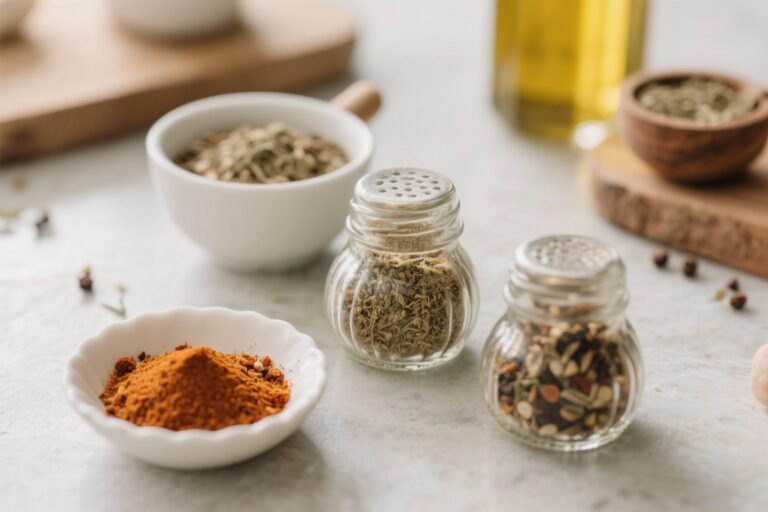
- Aromatics: garlic, onions or shallots, fresh or dried herbs
- Umami boosters: soy sauce, miso, Parmesan, tomato paste, fish sauce
- Sweetness (optional): honey, maple syrup, or a pinch of sugar
- Heat (optional): red pepper flakes, hot sauce, chili crisp
- Fresh finishers: parsley, cilantro, chives, scallions, lemon zest
- Stock or broth (chicken, vegetable, or beef)
Instructions
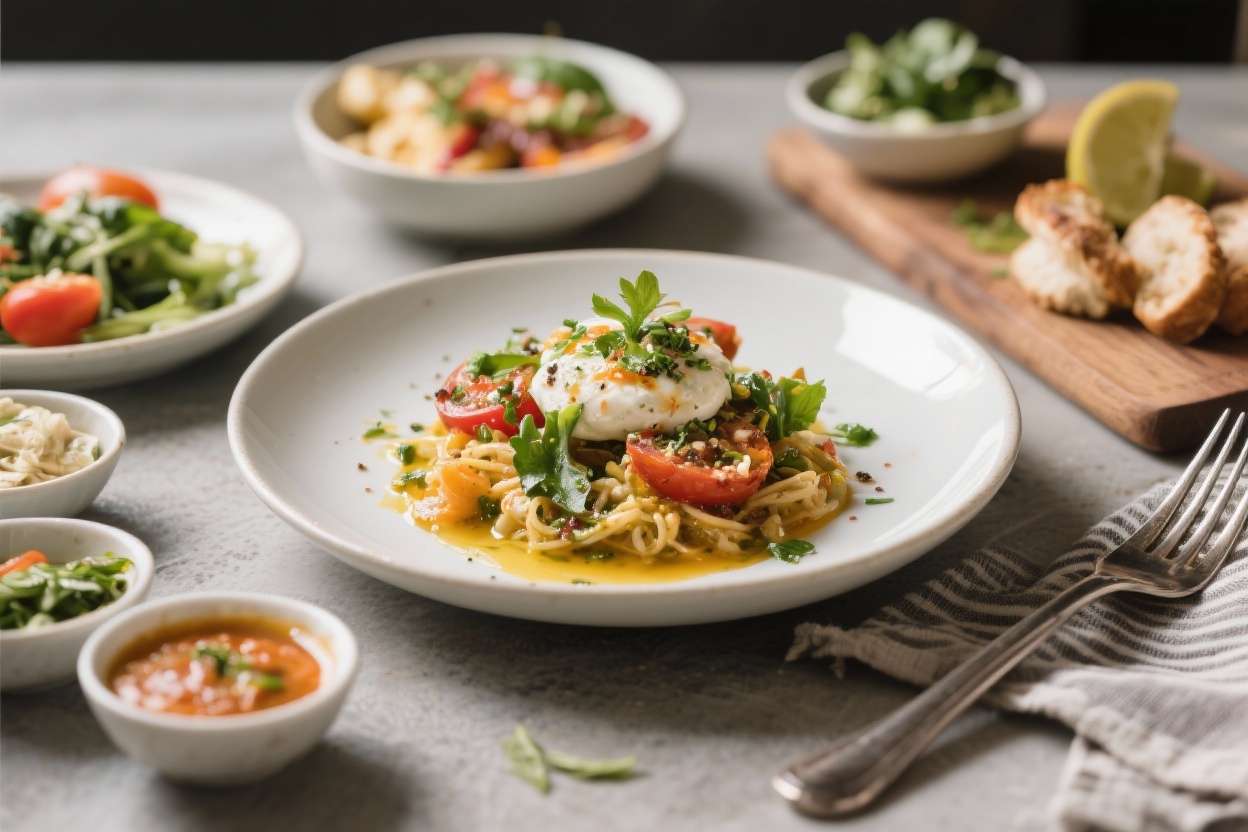
Easy flavor tips for beginners – With a handful of simple tips, you can make everyday meals taste brighter, richer, and more satisfyi
- Start with salt early. Season ingredients lightly at the beginning, not just at the end. Salt draws out moisture and helps flavors penetrate, especially for proteins and vegetables.
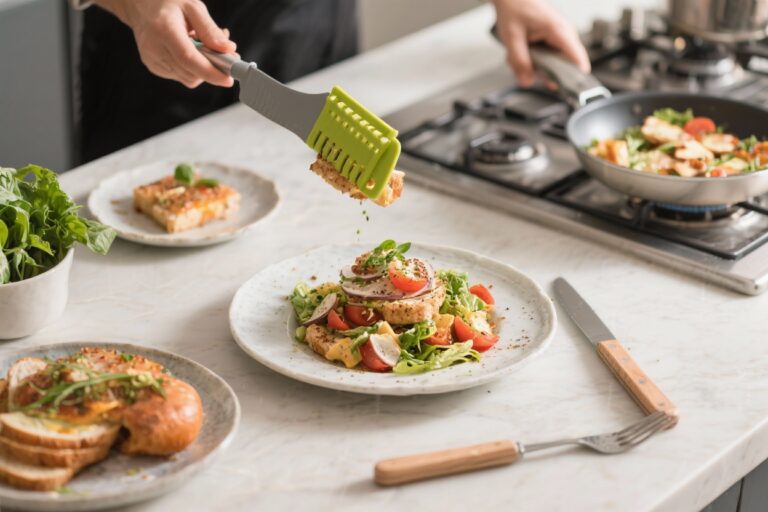
- Layer flavor with aromatics. Sauté onions, garlic, or shallots in oil or butter until fragrant and lightly golden. This creates a savory base for soups, sauces, and stir-fries.
- Develop color for deeper taste. Let meats and vegetables brown without moving them too much. Browning (the Maillard reaction) adds rich, complex flavor that no spice blend can replace.
- Use acid to brighten. Add a splash of lemon juice or vinegar near the end of cooking. If a dish tastes dull, acid is often the fix. Start small, taste, then add more if needed.
- Balance with a touch of sweetness. A tiny drizzle of honey or a pinch of sugar can round out acidity and bitterness in tomato sauces, dressings, and sautés.
- Boost umami for savoriness. Stir in a spoonful of tomato paste, a dash of soy sauce, or a bit of miso to deepen flavor. These ingredients make dishes taste fuller and more satisfying.
- Finish with fat. Swirl in a knob of butter or a glug of good olive oil at the end. Fat carries aroma and gives sauces a silky finish.
- Add fresh herbs last. Stir in chopped parsley, chives, or cilantro right before serving. Fresh herbs lift flavors and add color. Dried herbs are best added earlier so they can bloom.
- Taste as you go. After each step, taste and adjust. If it tastes flat, add salt. If heavy, add acid. If sharp, add a touch of fat or sweetness. Small tweaks make a big difference.
- Use heat wisely. High heat for searing and roasting, medium for sautéing, low for simmering. Matching heat to the task prevents bitterness, burning, or soggy textures.
How to Store
- Premix flavor boosters: Keep a small jar of olive oil mixed with minced garlic and herbs in the fridge for up to 3 days. Use for quick sautés or drizzling.
- Freeze umami helpers: Freeze tomato paste or miso in teaspoon portions. They pop out easily and melt fast in hot dishes.
- Citrus at the ready: Store lemon zest in a sealed container in the fridge for up to a week, or freeze for longer.
- Homemade stock: Freeze stock in ice cube trays. Add a cube to pan sauces or grains for instant depth.
Benefits of This Recipe
- Beginner-friendly: No advanced techniques, just simple steps with ingredients you know.
- Flexible: Works with any cuisine—Italian, Asian, Mexican, or your weeknight mash-up.
- Budget-conscious: Uses pantry staples to elevate inexpensive ingredients.
- Consistent results: Teaches you how to taste and adjust, so you can fix blandness fast.
- Builds confidence: You’ll learn how salt, acid, fat, and heat work together—skills that transfer to every dish.
Common Mistakes to Avoid
- Under-salting early. If you skip early seasoning, you’ll need more salt later and the flavor won’t penetrate.
- Adding acid too soon. Vinegar or citrus added early can cook off. Add most of it toward the end to keep it bright.
- Crowding the pan. Overcrowding traps steam and prevents browning. Cook in batches for better color and flavor.
- Skipping the taste test. Guessing leads to bland or unbalanced dishes. Taste after each major step.
- Overcomplicating spices. Start simple. One or two herbs plus salt, pepper, and an acid is often enough.
Variations You Can Try
- Lemon-Garlic Finish: Mix olive oil, grated garlic, lemon zest, and parsley. Spoon over grilled chicken, roasted veggies, or fish.
- Umami Butter: Mash butter with soy sauce and a touch of miso. Melt over steaks, mushrooms, or steamed rice.
- Quick Pan Sauce: After searing meat, deglaze the pan with stock and a splash of vinegar. Whisk in a pat of butter and season to taste.
- Simple Herb Vinaigrette: 3 parts olive oil, 1 part vinegar or lemon juice, a pinch of sugar, salt, pepper, and chopped herbs. Use on salads, grains, or roasted potatoes.
- Spicy-Sweet Drizzle: Honey mixed with chili flakes and a squeeze of lime. Great on roasted carrots, pizza, or shrimp.
FAQ
How do I know if a dish needs salt or acid?
Taste a small bite. If flavors feel muted or “foggy,” add a pinch of salt. If it tastes heavy or flat even with enough salt, add a squeeze of lemon or a splash of vinegar and taste again.
Can I fix food that’s too salty?
Yes. Add acid (lemon, vinegar), more unsalted liquid (stock, water), or bulk (more veggies, beans, rice). A little sweetness can also soften the edges of saltiness.
What’s the best oil for beginners?
Use olive oil for everyday cooking and finishing, and a neutral oil like canola or grapeseed for high-heat searing. Butter is great for finishing sauces and adding richness.
Do I need fresh herbs?
Fresh herbs are a great finisher, but dried herbs are useful too. Add dried herbs early so they can bloom in the heat. Save fresh herbs for the end to keep their aroma and color.
How much acid should I add?
Start with a small splash—about 1 teaspoon of vinegar or half a lemon’s juice for a pan serving 2–4 people. Taste, then add more if needed. It’s easy to add more but hard to take it back.
What if I’m sensitive to spice?
Skip the chili and rely on black pepper, herbs, and acid for excitement. You can also serve heat on the side with hot sauce or chili flakes, so everyone can adjust their own plate.
Can these tips work for vegetarian dishes?
Absolutely. Use umami boosters like mushrooms, miso, soy sauce, Parmesan, and tomato paste to add depth. Roasting vegetables for color is especially effective.
Wrapping Up
Great flavor comes from a few small habits: season early, brown for depth, brighten with acid, and taste as you go. Keep a short list of boosters—salt, acid, fat, umami—within reach, and use them with intention. With these basics, you don’t need complicated recipes to make food taste good. Practice on your next simple meal, and you’ll notice the difference right away.
Printable Recipe Card
Want just the essential recipe details without scrolling through the article? Get our printable recipe card with just the ingredients and instructions.