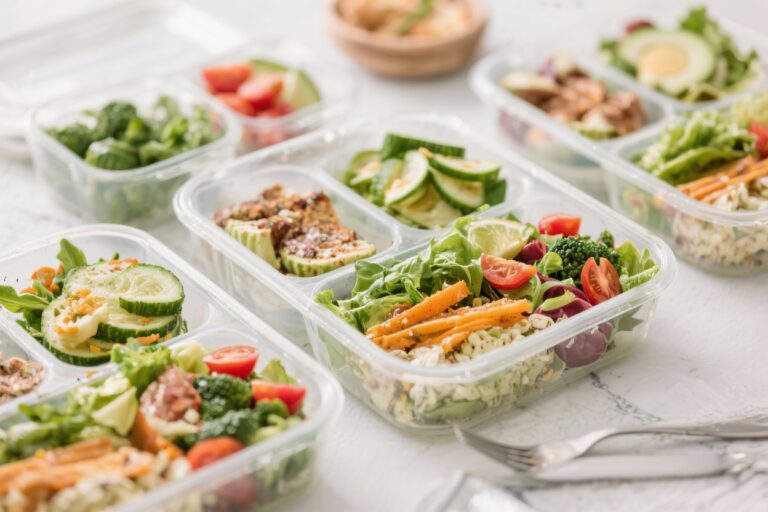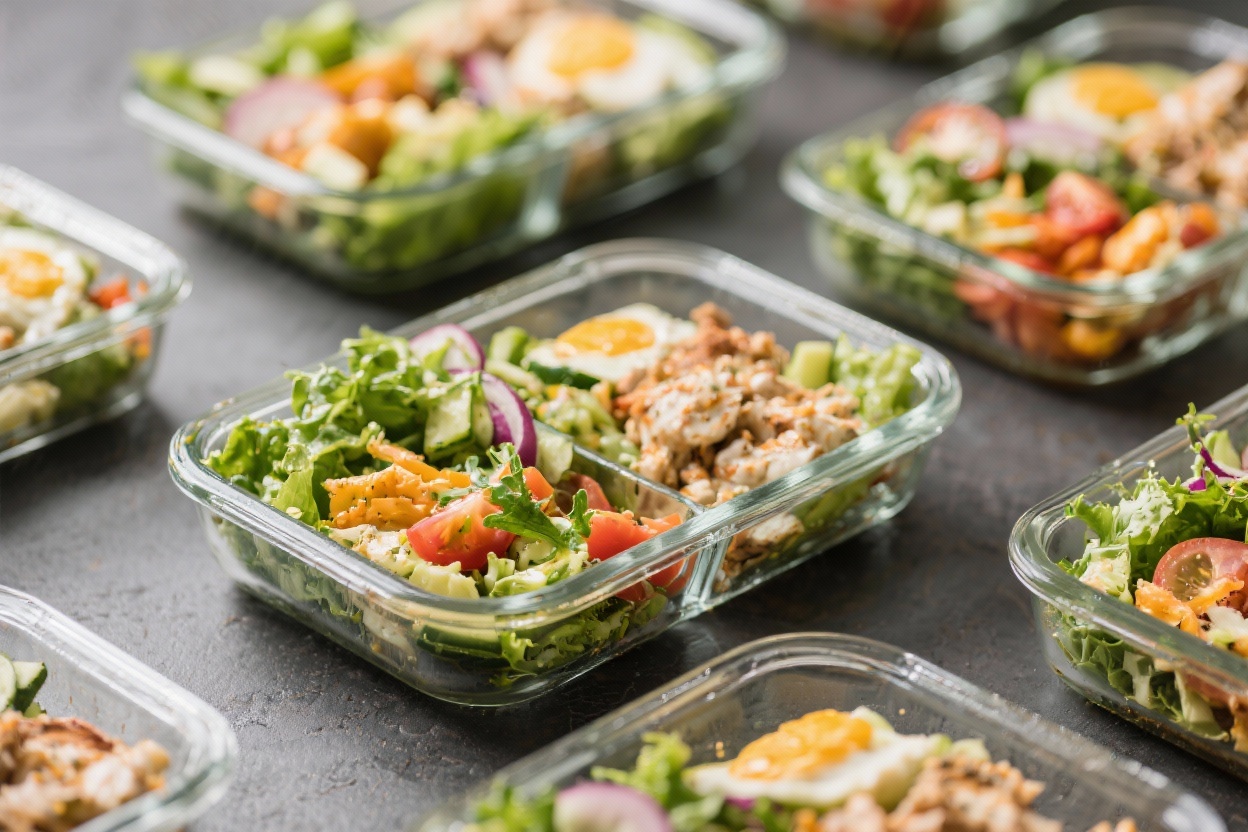
Easy Lunch Meal Prep Ideas – Simple, Flavorful, and Ready to Go
Meal prep lunches don’t need to be complicated to be satisfying. With a little planning, you can set yourself up with tasty, balanced meals that keep you fueled all week. This guide gives you a flexible plan with mix-and-match ingredients, plus a few complete prep ideas to make things even easier.
Think hearty grain bowls, colorful salads that don’t wilt, and quick wraps you can grab and go. Everything is designed to be simple, affordable, and full of flavor.
Why This Recipe Works
These meal prep ideas build around a few core components: a grain or base, a protein, plenty of veggies, and a bright sauce. This structure keeps meals interesting and balanced without a lot of effort.
You batch-cook once, then assemble in a few minutes. The sauces and seasonings do the heavy lifting, so even repeating the same base won’t feel boring. Best of all, the ingredients keep well, so you’re not staring at soggy greens by midweek.
Ingredients
Use this list as your base, then pick and choose.
Aim for 1–2 items from each group.
- Grains/Base: Brown rice, quinoa, farro, couscous, whole-wheat pasta, cauliflower rice, or mixed greens (sturdier options like kale or cabbage keep best).
- Protein (Animal): Rotisserie chicken, chicken thighs, canned tuna, salmon, turkey meatballs, hard-boiled eggs.
- Protein (Plant-Based): Chickpeas, black beans, lentils, tofu, tempeh, edamame.
- Veggies (Raw): Cherry tomatoes, cucumbers, bell peppers, shredded carrots, cabbage, red onion, spinach, arugula.
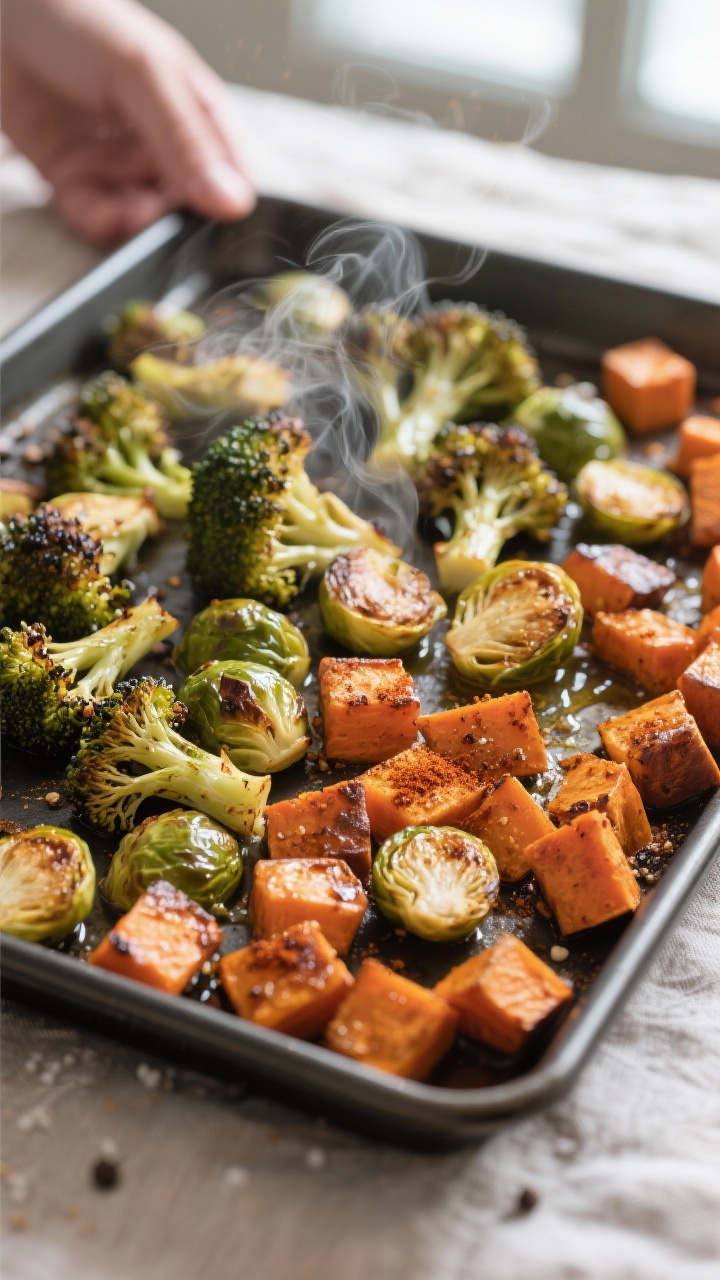
- Veggies (Roasted/Sautéed): Broccoli, sweet potatoes, zucchini, mushrooms, Brussels sprouts, green beans.
- Healthy Fats: Avocado (add day-of), olives, nuts, seeds, tahini, olive oil.
- Flavor Bombs: Feta, Parmesan, pickled onions, jalapeños, sun-dried tomatoes, pesto, hummus.
- Simple Sauces/Dressings: Lemon-garlic vinaigrette, tahini dressing, yogurt herb sauce, salsa verde, peanut-lime sauce, store-bought vinaigrette.
- Seasonings: Salt, pepper, garlic powder, smoked paprika, chili flakes, Italian seasoning, curry powder, cumin.
Instructions
- Pick Your Plan: Choose 1–2 grains, 1–2 proteins, and 3–4 veggies for the week. Decide on one dressing and one extra sauce to keep flavors fresh.
- Cook the Grain: Make a big batch of quinoa, brown rice, or pasta. Let it cool before packing so it doesn’t steam and get mushy.
- Prep the Protein: Roast chicken thighs with salt, pepper, and paprika.Or bake tofu with soy sauce and a little cornstarch for crisp edges. Rinse and drain canned beans for a quick option.
- Roast the Veggies: Toss broccoli, sweet potatoes, or Brussels sprouts with olive oil, salt, and pepper. Roast at 425°F (220°C) until tender and browned, about 20–30 minutes.
- Prep Raw Veggies: Chop cucumbers, bell peppers, and tomatoes.Keep watery items like tomatoes separate if you’re worried about sogginess.
- Make a Simple Sauce: Whisk 3 parts olive oil to 1 part lemon juice or vinegar, add minced garlic, Dijon, honey, salt, and pepper. Or stir tahini with lemon, water, garlic, and salt until creamy.
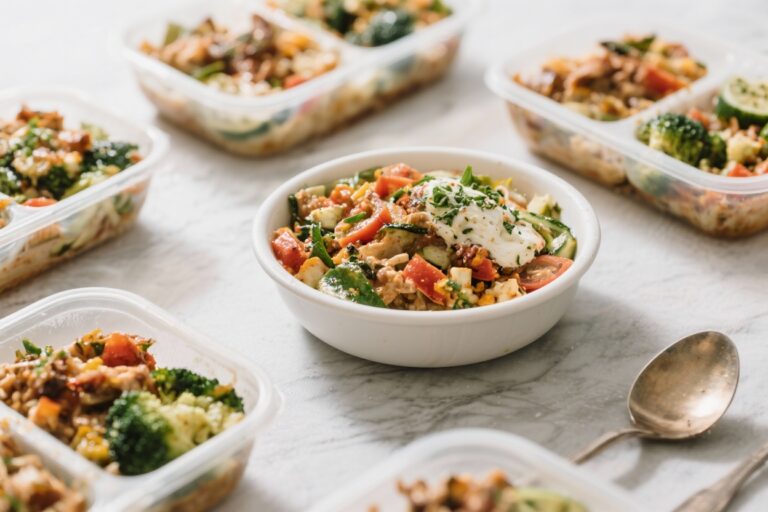
- Assemble Smart: For bowls, layer grain, protein, then veggies. Keep sauces in separate containers to add just before eating.For salads, put dressing on the bottom, then sturdy veg, then greens on top.
- Portion for the Week: Divide into 4–5 containers. If using avocados or soft greens, add them day-of to keep textures fresh.
- Label and Store: Label each container with the date and type. Store dressings separately in small jars.
- Heat or Eat: Warm grain bowls in the microwave and add sauce after.Eat salads cold and shake to dress right before serving.
Keeping It Fresh
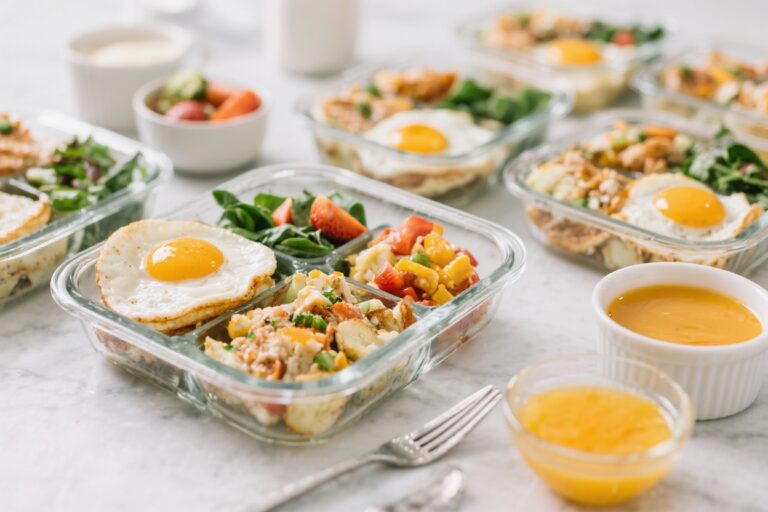
- Use the right containers: Choose airtight containers with sections or small sauce cups. Glass holds up well to reheating and avoids odors.
- Layer thoughtfully: Keep wet ingredients away from dry. Store tomatoes, cucumbers, and dressings separately if possible.
- Add last-minute items: Avocado, fresh herbs, nuts, and croutons are best added the day you eat.
- Follow safe storage: Most cooked items last 3–4 days in the fridge.Freeze extra proteins or grains if you won’t use them in time.
- Revive leftovers: A squeeze of lemon and a drizzle of olive oil can brighten day-three meals instantly.
Why This is Good for You
Balanced lunch prep helps you hit protein, fiber, and healthy fat goals without overthinking. Grains provide sustained energy. Lean proteins and legumes support muscle and keep you full. Veggies add vitamins, minerals, and crunch. The sauces use wholesome ingredients like olive oil, tahini, and yogurt for flavor without relying on heavy cream or sugar. Plus, prepping ahead reduces the temptation to grab expensive, less nutritious takeout.
What Not to Do
- Don’t over-sauce early: Dressings can wilt greens and make grains soggy.Pack them separately.
- Don’t skip seasoning: Salt, pepper, and a squeeze of citrus make a huge difference. Bland meal prep is a fast track to burnout.
- Don’t mix delicate items too soon: Add avocado, soft herbs, and nuts just before eating.
- Don’t overcook proteins: Dry chicken or mushy tofu won’t reheat well. Aim for tender, juicy textures.
- Don’t ignore variety: Even small changes—like switching sauces or swapping one veggie—keep meals exciting.
Recipe Variations
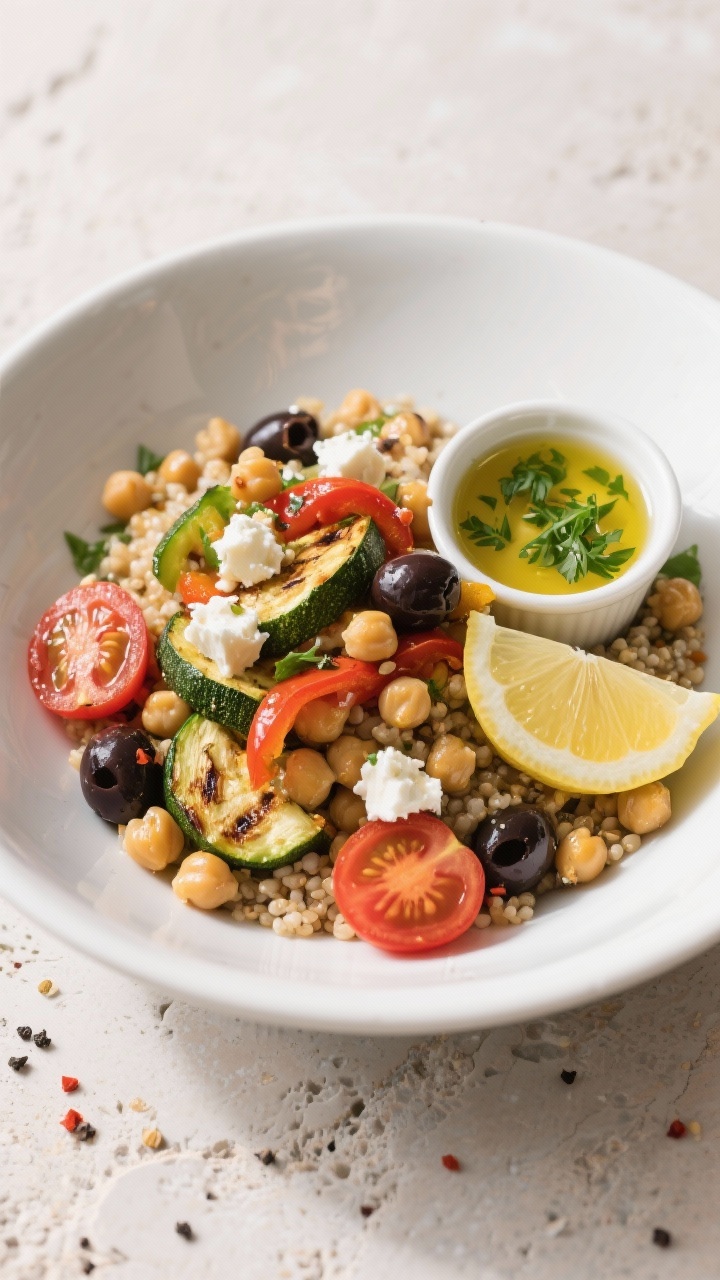
- Mediterranean Chickpea Bowls: Quinoa, roasted zucchini and peppers, chickpeas, olives, cherry tomatoes, and feta.Lemon-herb vinaigrette on the side.
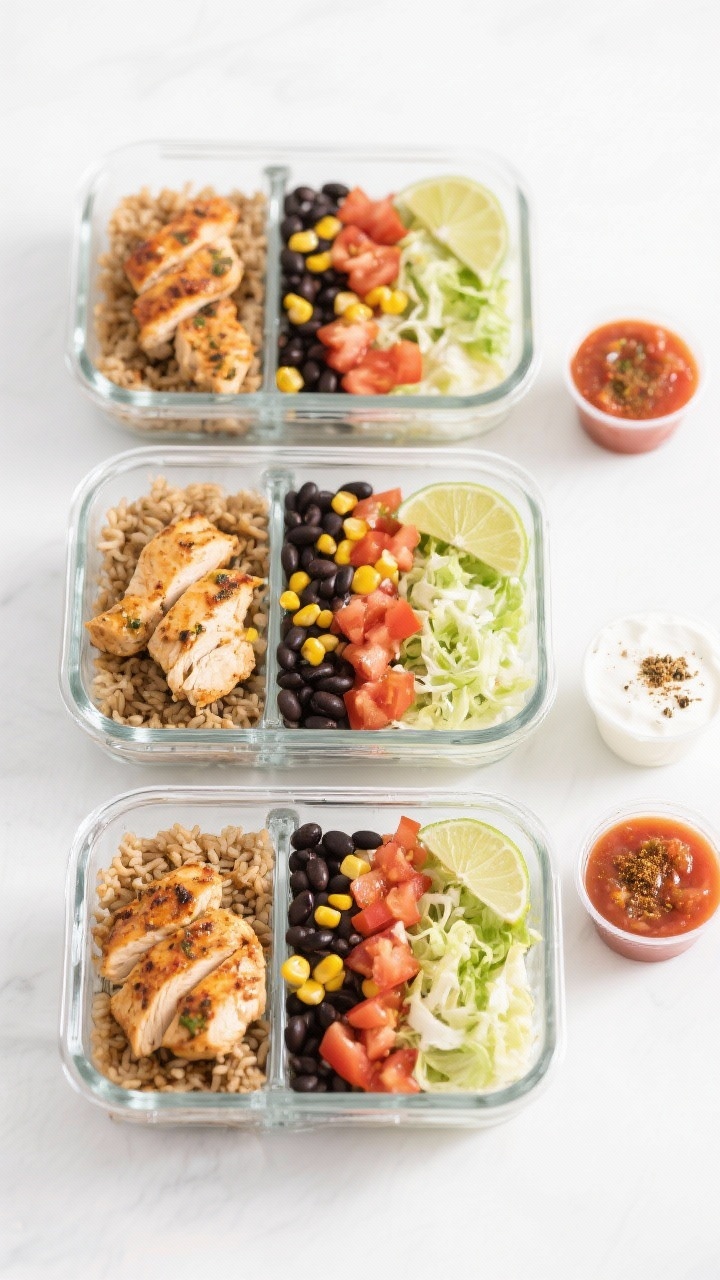
- Southwest Chicken Rice Bowls: Brown rice, chili-spiced chicken, black beans, corn, tomatoes, and shredded romaine. Top with salsa and a dollop of Greek yogurt.
- Tofu Peanut Noodle Prep: Whole-wheat noodles, crispy baked tofu, shredded cabbage, carrots, and edamame. Toss with peanut-lime sauce right before eating.
- Salmon and Greens with Tahini: Baked salmon, farro, roasted broccoli, and baby kale.Drizzle with lemon-tahini dressing.
- Lentil Power Salad: Cooked lentils, arugula, roasted sweet potato, pickled red onion, pumpkin seeds, and a mustardy vinaigrette.
- Caprese Pesto Pasta: Whole-wheat pasta, mozzarella pearls, tomatoes (packed separately), spinach, and pesto. Add balsamic glaze when serving.
- Greek Yogurt Chicken Salad Wraps: Shredded chicken mixed with Greek yogurt, celery, grapes, and walnuts. Roll in whole-wheat tortillas with spinach.Pack filling and wraps separately to avoid sogginess.
FAQ
How long will these lunches last in the fridge?
Most components last 3–4 days. Grains and roasted veggies hold up well, and cooked chicken or tofu is best within 4 days. If you need more time, freeze extra grains and proteins in portions.
Can I freeze complete meals?
You can freeze grains, proteins, and some roasted veggies, but avoid freezing raw veggies, leafy greens, or dairy-based dressings.
Freeze components separately, then assemble after thawing.
What’s the best way to keep salad from getting soggy?
Layer with dressing on the bottom, then sturdy vegetables, then greens on top. Or keep dressing in a separate container and toss right before eating.
How do I prevent boredom with meal prep?
Change one element each week: swap the grain, switch the protein, or use a new sauce. Keep a few “flavor boosters” like pickled onions or chili crisp on hand to switch things up fast.
What if I don’t have time to cook?
Lean on convenience foods.
Use pre-cooked grains, canned beans, rotisserie chicken, bagged salads, and store-bought dressings. You can still assemble balanced, tasty lunches in minutes.
Are these ideas kid-friendly?
Yes. Keep flavors mild, serve sauces on the side, and offer simple components like plain rice, roasted sweet potatoes, and shredded chicken.
Let kids build their own bowls to keep it fun.
How much protein should I aim for at lunch?
For most adults, 20–35 grams of protein at lunch is a solid target. That’s roughly one chicken thigh, a can of tuna, a cup of Greek yogurt chicken salad, or about a cup of cooked beans and grains combined.
What containers work best?
Glass containers with tight lids are great for reheating. For salads, use a larger container to give room for tossing.
Keep small leakproof jars for dressings and sauces.
Can I reheat everything together?
Not always. Reheat grains and proteins, then add fresh veggies and sauce after. If your container is microwave-safe but includes greens, transfer the greens to a bowl before heating.
How do I add more flavor without extra calories?
Use acids and aromatics: lemon juice, vinegar, fresh herbs, garlic, chili flakes, and spices.
A sprinkle of pickled onions or a squeeze of citrus can wake up a whole dish.
Final Thoughts
Meal prepping lunch is about making your week easier, not perfect. Start with one or two ideas, keep the flavors bold, and store things in a way that protects texture. A good sauce, a reliable grain, and a couple of crisp veggies go a long way.
With a little Sunday prep, your weekday lunches can be something you look forward to, not just something you check off the list.
Printable Recipe Card
Want just the essential recipe details without scrolling through the article? Get our printable recipe card with just the ingredients and instructions.