Easy Soft Cake Recipes – Light, Tender, and Foolproof
Easy Soft Cake Recipes – Light, Tender, and Foolproof
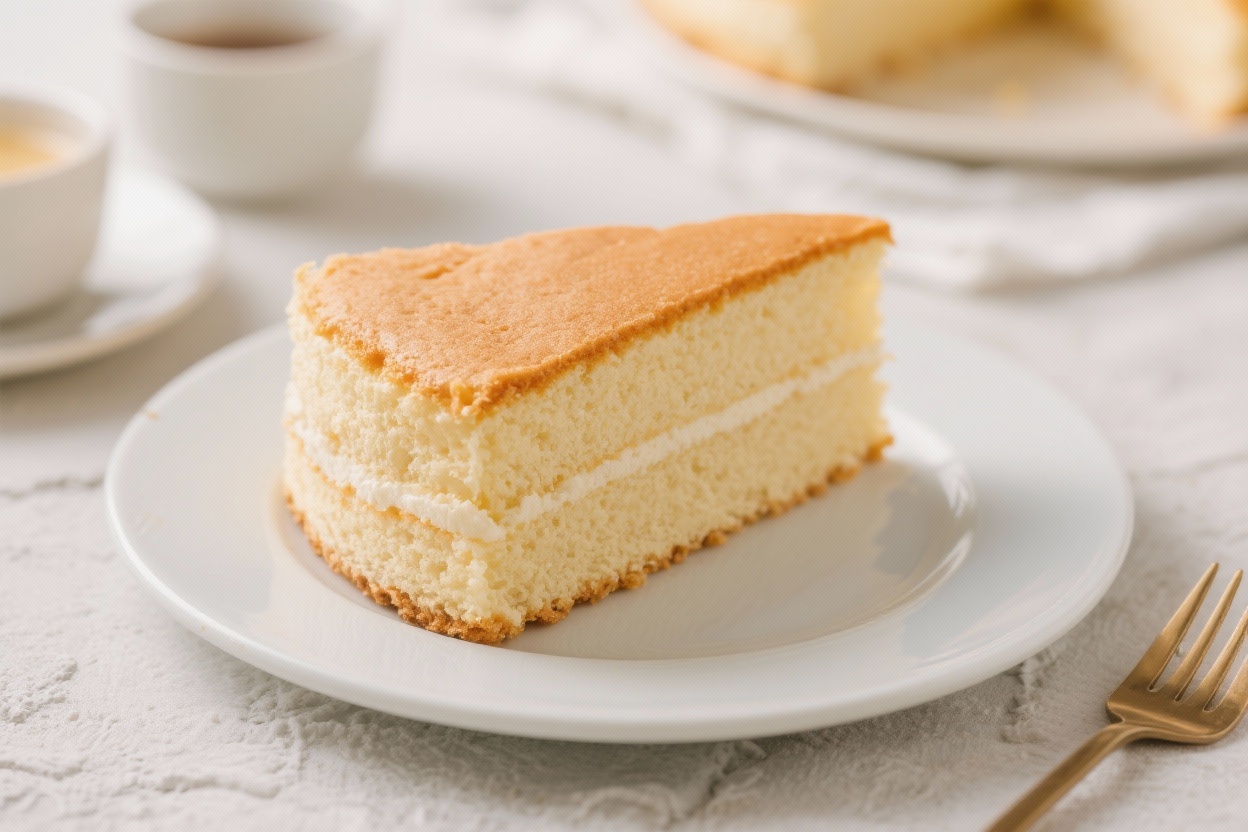
Soft cakes are the kind you remember from childhood: fluffy crumb, gentle sweetness, and a melt-in-your-mouth texture. If you’ve ever wanted a cake that stays tender without complicated steps, you’re in the right place. These easy soft cake recipes rely on simple techniques and pantry staples. You’ll find a base recipe you can adapt, plus variations to keep things fun. Whether you’re baking for a weekday treat or a special occasion, this guide keeps it simple and stress-free.
What Makes This Special
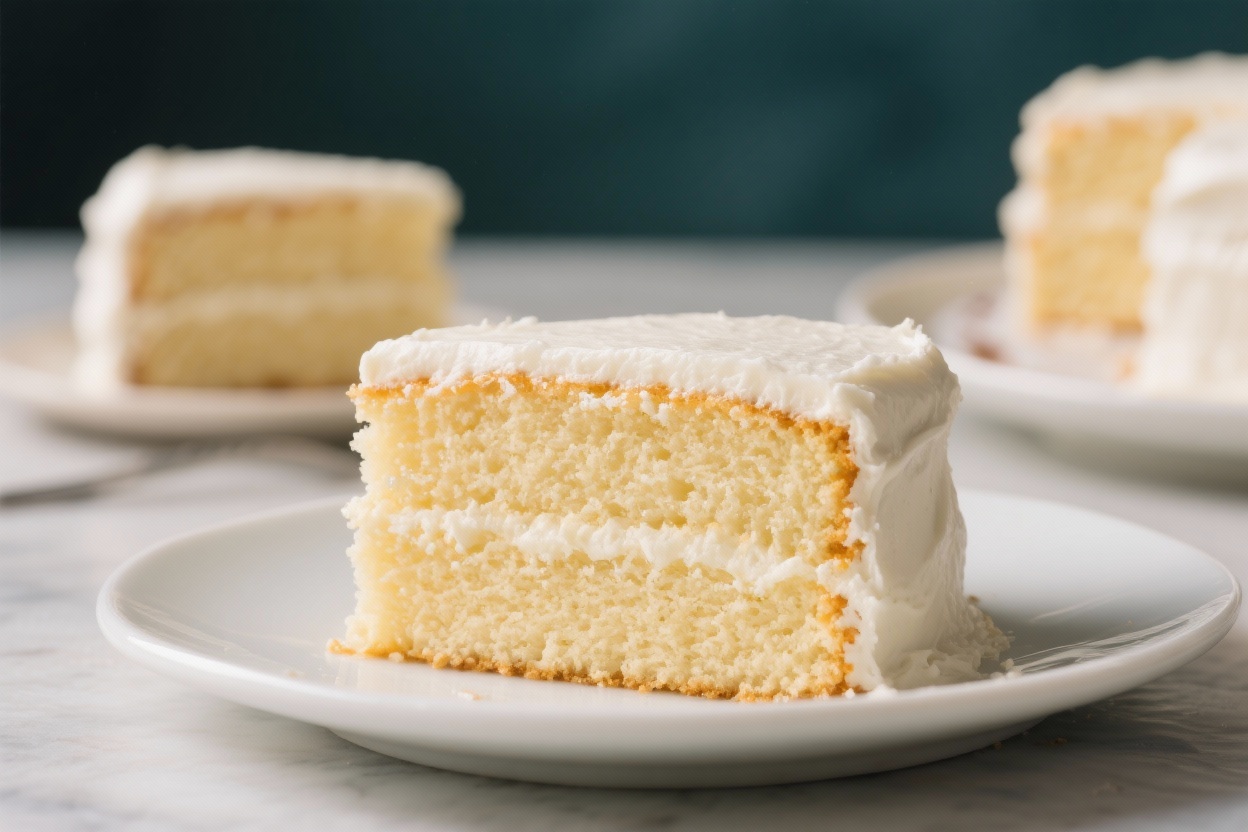
Easy soft cake recipes – Easy Soft Cake Recipes – Light, Tender, and Foolproof Soft cakes are the kind you remember from chil
This soft cake is all about light texture and consistent results. The key is a balanced mix of butter and oil for moisture, just the right amount of sugar for tenderness, and a gentle mixing method so the batter stays airy. You don’t need a stand mixer or fancy tools—just basic bowls, a whisk, and a baking pan. The recipe is flexible, so you can turn it into vanilla, lemon, or chocolate without changing the method. Best of all, it tastes great on its own or with a simple glaze.
Ingredients
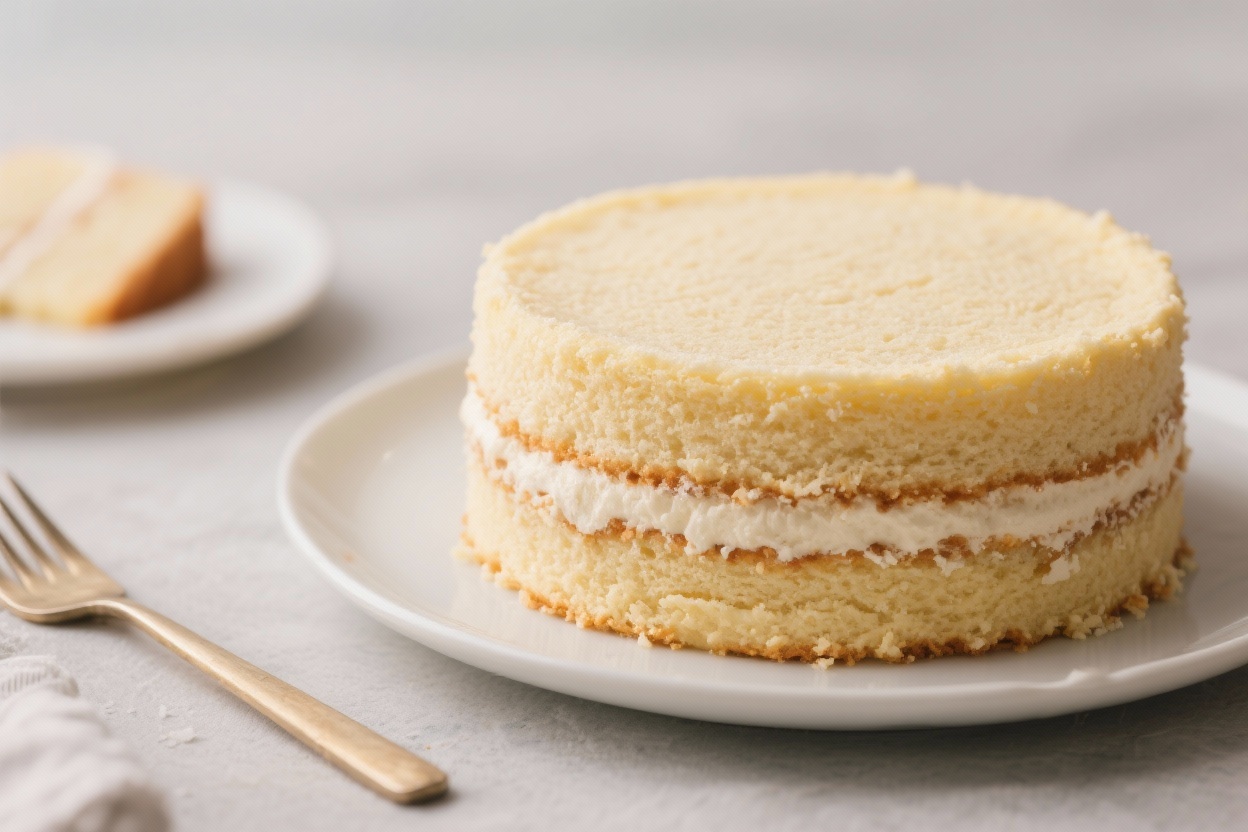
Easy soft cake recipes – If you’ve ever wanted a cake that stays tender without complicated steps, you’re in the right place
- 1 2/3 cups (210 g) all-purpose flour
- 1 cup (200 g) granulated sugar
- 2 tsp baking powder
- 1/2 tsp fine salt
- 2 large eggs, room temperature
- 1/2 cup (120 ml) whole milk, room temperature
- 1/2 cup (120 ml) sour cream or plain yogurt, room temperature
- 1/4 cup (60 ml) neutral oil (canola, sunflower, or light olive)
- 1/4 cup (55 g) unsalted butter, melted and cooled
- 2 tsp pure vanilla extract
- Optional add-ins: 1 tbsp lemon zest, 1/2 cup mini chocolate chips, or 1/2 cup fresh berries lightly tossed in flour
Instructions
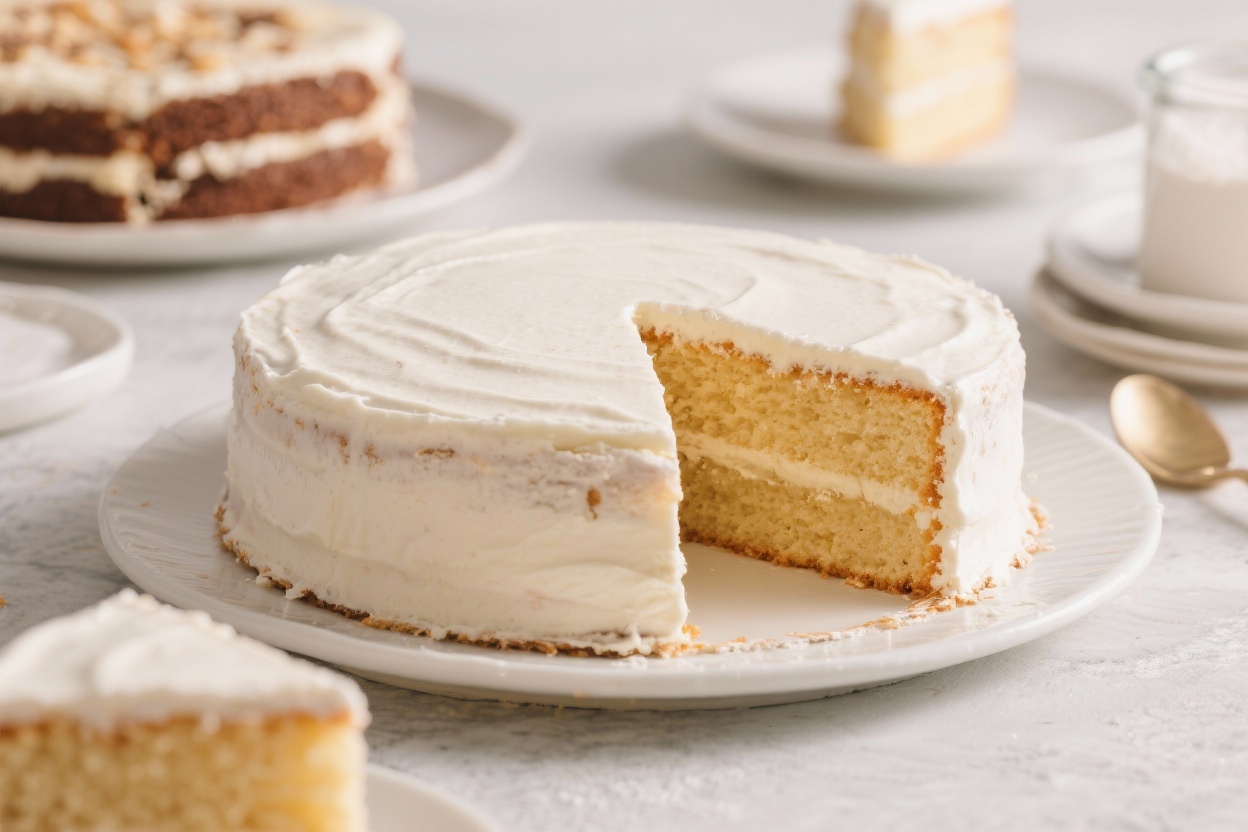
Easy soft cake recipes – These easy soft cake recipes rely on simple techniques and pantry staples
- Prep the pan and oven. Heat the oven to 350°F (175°C). Grease an 8-inch square pan or a 9-inch round pan, then line the bottom with parchment for easy release.
- Combine dry ingredients. In a large bowl, whisk the flour, sugar, baking powder, and salt until evenly mixed. This prevents clumps and helps the cake rise evenly.
- Mix the wet ingredients. In a separate bowl, whisk the eggs, milk, sour cream, oil, melted butter, and vanilla until smooth. The batter should look creamy and well combined.
- Bring it together gently. Pour the wet mixture into the dry ingredients. Whisk just until you don’t see dry streaks. Stop as soon as it’s combined to keep the crumb soft.
- Add optional flavors. Fold in lemon zest, chocolate chips, or lightly floured berries using a spatula. Keep folds minimal to avoid deflating the batter.
- Bake. Pour the batter into the prepared pan and smooth the top. Bake for 25–32 minutes, or until the center springs back and a toothpick comes out with a few moist crumbs.
- Cool properly. Let the cake rest in the pan for 10 minutes. Run a knife around the edge, turn it out onto a rack, peel off the parchment, and cool completely.
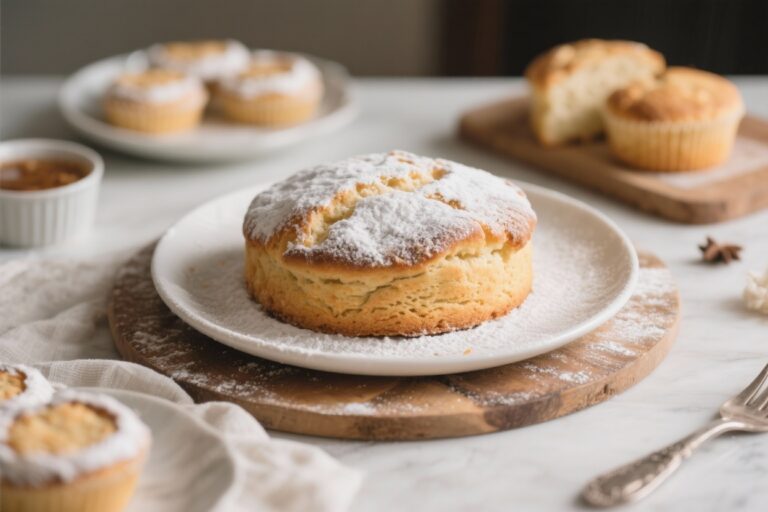
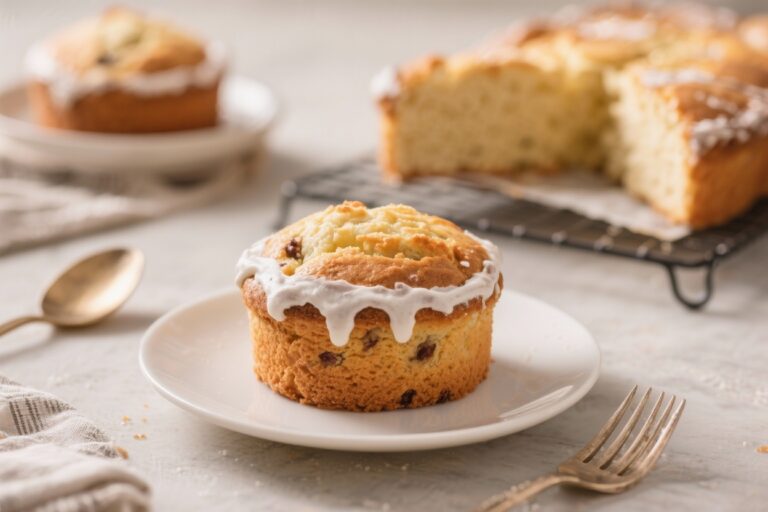
- Finish as you like. Dust with powdered sugar, drizzle with a simple glaze (powdered sugar + milk), or top with lightly sweetened whipped cream.
Keeping It Fresh
To keep your cake soft, store it in an airtight container once it’s fully cooled. It will stay tender at room temperature for up to 2 days. For longer storage, refrigerate it for up to 5 days, and bring it back to room temperature before serving. You can also freeze slices tightly wrapped for up to 2 months. Thaw on the counter and warm slightly for that just-baked feel.
Benefits of This Recipe
- Beginner-friendly: No special equipment or complicated steps.
- Consistent texture: The blend of oil and butter keeps it moist and soft.
- Flexible flavor: Easy to switch up with citrus, spices, or chocolate.
- Quick to make: About 15 minutes of prep, then into the oven.
- Great base: Works for layer cakes, snack cakes, or cupcakes.
What Not to Do
- Don’t overmix. Overworking the batter makes the cake dense and tough.
- Don’t skip room temperature ingredients. Cold eggs or dairy can cause a heavy, uneven crumb.
- Don’t overbake. Pull it when a toothpick has a few moist crumbs, not when it’s bone dry.
- Don’t grease only. Grease plus parchment helps the cake release cleanly.
- Don’t add heavy mix-ins without coating. Toss berries or chips in a little flour so they don’t sink.
Variations You Can Try
- Lemon Soft Cake: Add 1 tbsp lemon zest and 1 tbsp lemon juice. Top with a lemon glaze (powdered sugar + lemon juice) for bright flavor.
- Vanilla Bean Cake: Swap vanilla extract for 1 tsp vanilla bean paste for deeper aroma and specks.
- Chocolate Marble: Remove 2 tbsp of the batter and mix with 1 tbsp cocoa powder and 1 tsp milk. Swirl through the top before baking.
- Cinnamon Sugar Crust: Sprinkle a mix of 2 tbsp sugar and 1 tsp cinnamon over the batter before baking for a crackly top.
- Berry Snack Cake: Fold in 1/2 cup blueberries or raspberries tossed in 1 tsp flour. Bake 3–5 minutes longer if needed.
- Coconut Dream: Replace 1/4 cup of flour with unsweetened shredded coconut and add 1/4 tsp almond extract.
- Buttermilk Boost: Swap the milk for buttermilk and reduce the sour cream to 1/4 cup for extra tang and tenderness.
- Cupcakes: Divide batter into a 12-cup muffin tin (lined). Bake 16–20 minutes.
FAQ
Can I make this gluten-free?
Yes. Use a 1:1 gluten-free all-purpose flour blend that includes xanthan gum. Check doneness a few minutes early since gluten-free cakes can bake faster.
What if I don’t have sour cream?
Use plain Greek yogurt or regular yogurt. For the closest texture, pick full-fat options and keep them at room temperature.
Why did my cake sink in the middle?
Common causes are underbaking, opening the oven door too early, or overmixing. Make sure the center springs back lightly and avoid peeking in the first 20 minutes.
Can I reduce the sugar?
You can reduce it by up to 1/4 cup without major texture changes. Keep in mind sugar adds moisture and tenderness, so larger reductions may make the cake drier.
How do I make it dairy-free?
Use plant milk (almond, oat, or soy), replace sour cream with a thick dairy-free yogurt, and swap butter for additional oil or a dairy-free butter.
What pan sizes work?
An 8-inch square or 9-inch round pan works well. For a loaf pan, bake 45–55 minutes. For a 9×13-inch pan, double the recipe and extend the bake time to 30–38 minutes.
How do I keep it extra moist the next day?
Wrap the cooled cake tightly and store at room temperature. A light drizzle of simple syrup before frosting can also lock in moisture.
Can I frost this cake?
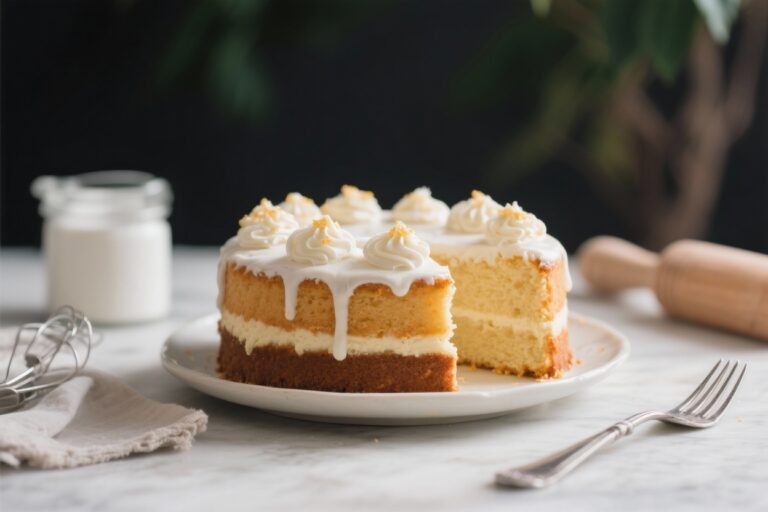
Absolutely. A simple vanilla buttercream, cream cheese frosting, or whipped cream pairs great. Keep the frosting light to match the cake’s texture.
How do I know it’s done without a toothpick?
Gently press the center; if it springs back and the edges pull slightly from the pan, it’s done. The top should look set and lightly golden.
Can I make it ahead?
Yes. Bake, cool, wrap well, and keep at room temperature for a day or in the fridge for up to five days. Frost right before serving.
Final Thoughts
Soft cake doesn’t have to be complicated. With a few smart choices—room temperature ingredients, gentle mixing, and the right bake time—you’ll get a tender crumb every single time. Start with the base recipe, then try a variation that fits your mood. Keep it simple, keep it soft, and enjoy a slice whenever you need something sweet and easy.
Printable Recipe Card
Want just the essential recipe details without scrolling through the article? Get our printable recipe card with just the ingredients and instructions.