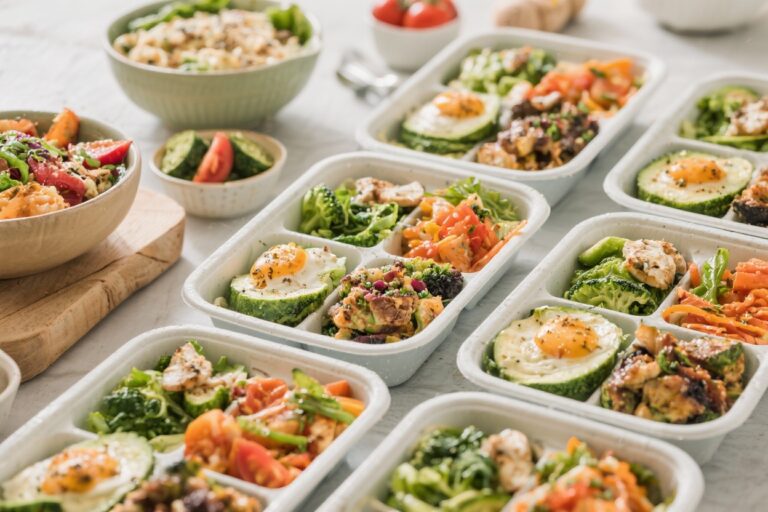
Easy Weekly Meal Prep Ideas – Simple Recipes For Stress-Free Eating
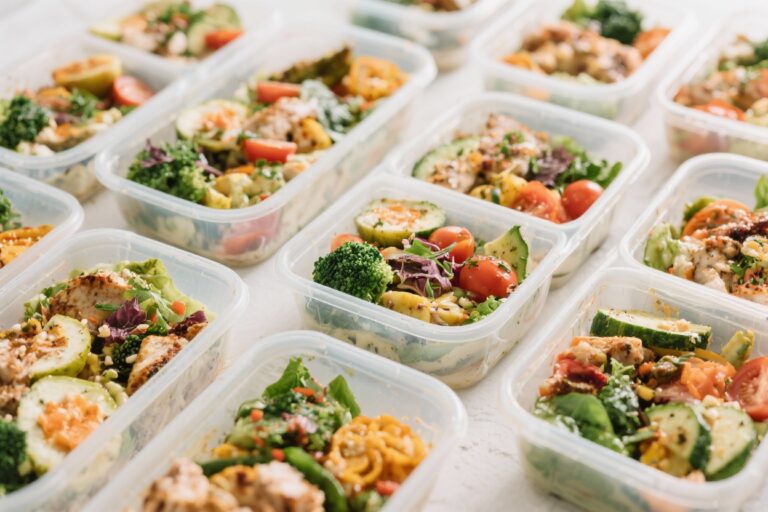
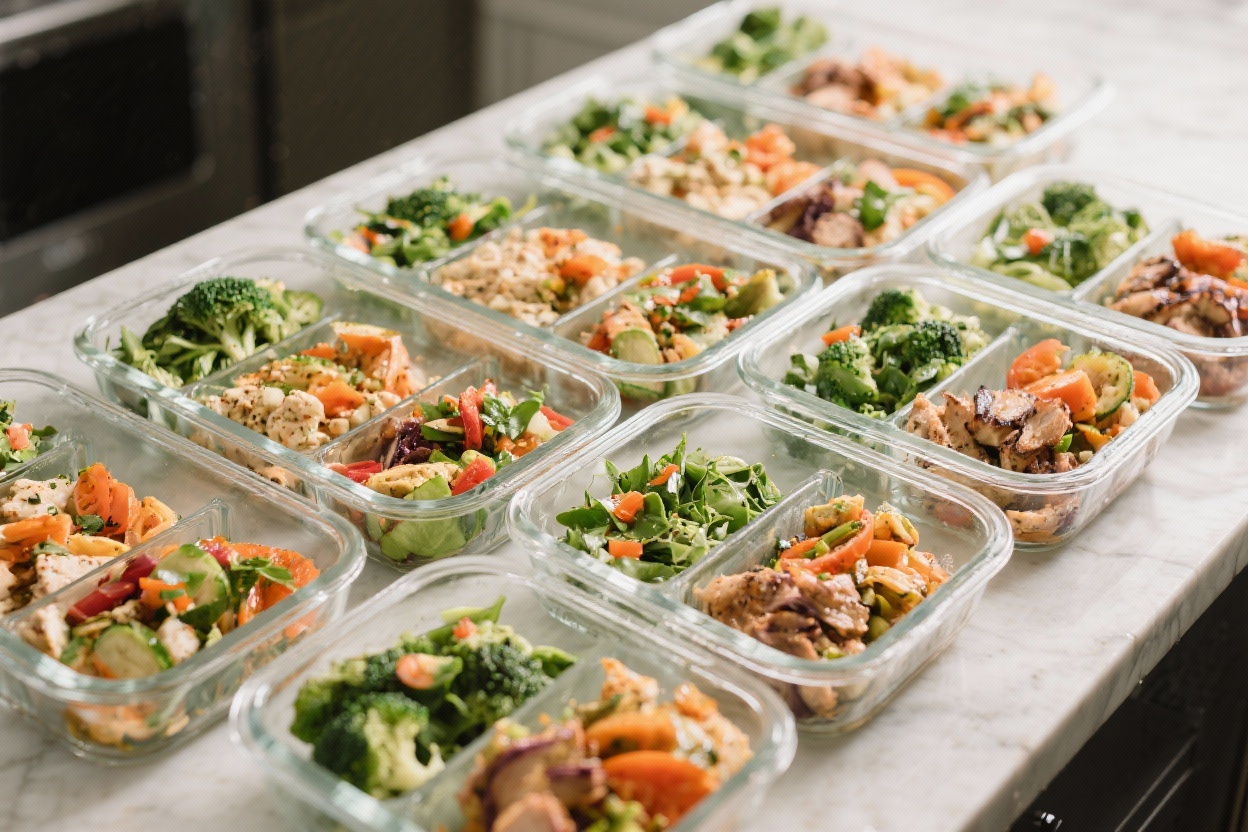
If you’re tired of wondering what to eat every day, meal prep can be a game-changer. A few smart moves on one day can set you up with balanced, tasty meals for the week. You’ll save time, cut down on food waste, and feel a little more in control.
These easy weekly meal prep ideas are flexible, budget-friendly, and don’t require fancy skills. Think mix-and-match proteins, grains, veggies, and sauces that keep well and taste great.
What Makes This Recipe So Good
- Customizable: Pick your protein, grain, veggies, and sauce. Swap in what you like or what’s on sale.
- Minimal effort, big payoff: One sheet pan, one pot, and a few containers make five days of meals.
- Balanced and satisfying: Protein, complex carbs, healthy fats, and fiber keep you full and energized.
- Great for different diets: Easily make it gluten-free, dairy-free, or vegetarian.
- Works for lunch or dinner: Pack as bowls, wraps, or salads with almost no extra prep.
Ingredients
- Proteins (choose 1–2): Chicken breasts or thighs, extra-firm tofu, chickpeas (canned), ground turkey, salmon fillets, tempeh.
- Grains/Starches (choose 1–2): Brown rice, quinoa, farro, couscous, whole-wheat pasta, sweet potatoes, baby potatoes.
- Veggies (choose 3–5): Broccoli, bell peppers, red onion, zucchini, carrots, cherry tomatoes, green beans, kale, spinach.
- Healthy fats: Olive oil, avocado, tahini, nuts or seeds (almonds, pumpkin seeds), hummus.
- Flavor boosters: Garlic, lemon, lime, fresh herbs (cilantro, parsley), green onions, soy sauce or tamari, Dijon mustard.
- Spices and seasonings: Salt, black pepper, paprika, smoked paprika, cumin, chili powder, Italian seasoning, curry powder.
- Sauces (choose 1–2 or make your own): Greek yogurt sauce, tahini dressing, pesto, salsa, vinaigrette, peanut sauce.
- Pantry staples: Olive oil spray, vinegar (apple cider or red wine), honey or maple syrup, canned beans, low-sodium broth.
- Optional add-ons: Tortillas or wraps, feta or goat cheese, pickled onions, olives, hot sauce.
- Containers: Microwave-safe meal prep containers, small jars for sauces, reusable snack bags.
Instructions
- Plan your base formula: Choose 1–2 proteins, 1–2 grains or starches, 3–5 veggies, and 1–2 sauces.Aim for variety so meals feel different, even with the same base ingredients.
- Preheat and prep: Heat the oven to 425°F (220°C). Line a large sheet pan with parchment. Rinse grains and set up a pot or rice cooker.
- Cook your grains: Make a big batch of brown rice, quinoa, or farro.Season lightly with salt and a splash of olive oil or a squeeze of lemon for flavor.
- Season proteins: Toss chicken, tofu, or salmon with olive oil, salt, pepper, and your favorite seasoning blend. For tofu, press it first for 15 minutes to remove moisture.
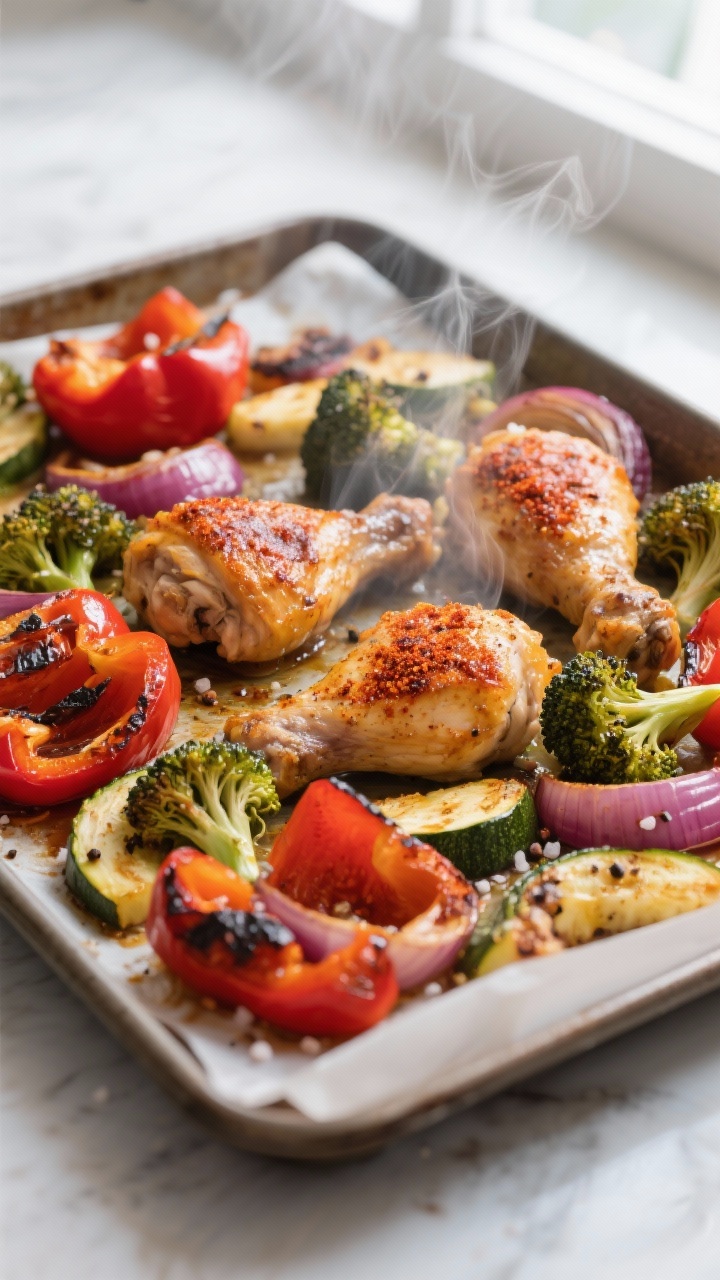
- Roast the veggies: Chop broccoli, peppers, onions, and zucchini into similar sizes. Toss with olive oil, salt, pepper, and paprika.Spread on the sheet pan in a single layer.
- Roast and rotate: Add proteins to the pan if they cook at a similar time. Roast 20–30 minutes, flipping halfway, until veggies are tender and edges are caramelized. Cook proteins to safe internal temps.
- Make a quick sauce: Stir together Greek yogurt, lemon juice, garlic, salt, pepper, and chopped herbs.Or whisk tahini with water, lemon, cumin, and a touch of honey. Keep sauces in separate containers.
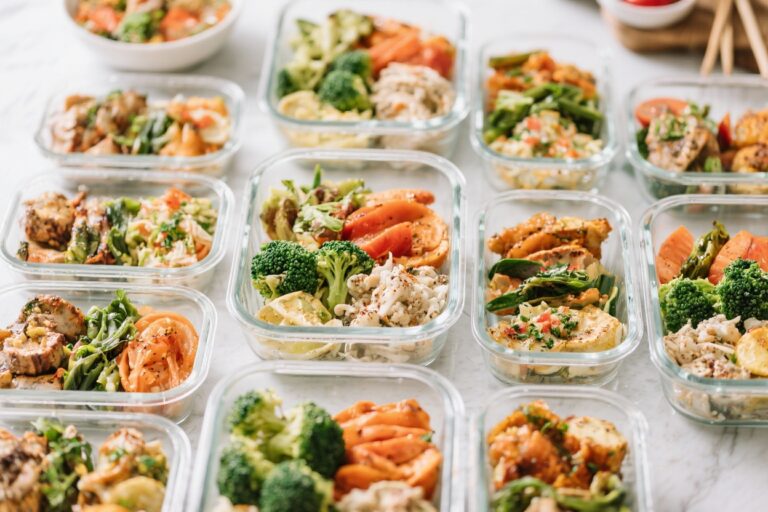
- Assemble bowls: Divide grains, roasted veggies, and proteins among containers. Add a handful of fresh greens or cherry tomatoes if you like crunch and freshness.
- Add flavor layers: Top with nuts or seeds, a sprinkle of feta, or a spoon of salsa.Keep dressings on the side so meals don’t get soggy.
- Cool and store: Let everything cool slightly, then seal and refrigerate. Label containers with the day or meal type to make mornings easy.
Keeping It Fresh
- Store smart: Keep sauces and greens separate until serving. This keeps textures crisp and flavors bright.
- Use airtight containers: Glass or high-quality plastic works best.Smaller sauce jars prevent spills and keep flavors strong.
- Fridge timeline: Most cooked proteins and grains last 3–4 days. If prepping for five days, freeze one or two portions and thaw midweek.
- Reheat the right way: Sprinkle grains with a little water before microwaving to bring back moisture. Add sauce after reheating.
- Freshen before eating: Add lemon juice, fresh herbs, or a crunchy topping right before you eat to make leftovers taste new.

Health Benefits
- Balanced macros: Protein supports muscle recovery, complex carbs supply steady energy, and healthy fats help with fullness and nutrient absorption.
- Fiber-rich: Roasted veggies, beans, and whole grains boost fiber for digestion and sustained energy.
- Lower sodium, more control: Homemade sauces and seasonings mean fewer additives compared to takeout or packaged meals.
- Portion awareness: Pre-portioned meals reduce mindless snacking and make it easier to stick to your goals.
- Supports consistency: Having meals ready lowers stress and helps you keep a routine when life gets busy.
What Not to Do
- Don’t over-sauce early: Mixing sauce into meals before storing can make everything soggy and bland over time.
- Don’t skip cooling: Sealing hot food traps steam and leads to wet, mushy meals.Let food cool slightly first.
- Don’t overcrowd the pan: Crowded veggies steam instead of roast. Use two pans if needed for better texture and flavor.
- Don’t ignore food safety: Refrigerate within two hours of cooking. Reheat leftovers to a safe temperature.
- Don’t make it too complicated: Stick to a simple formula.Too many recipes at once can burn you out.
Recipe Variations
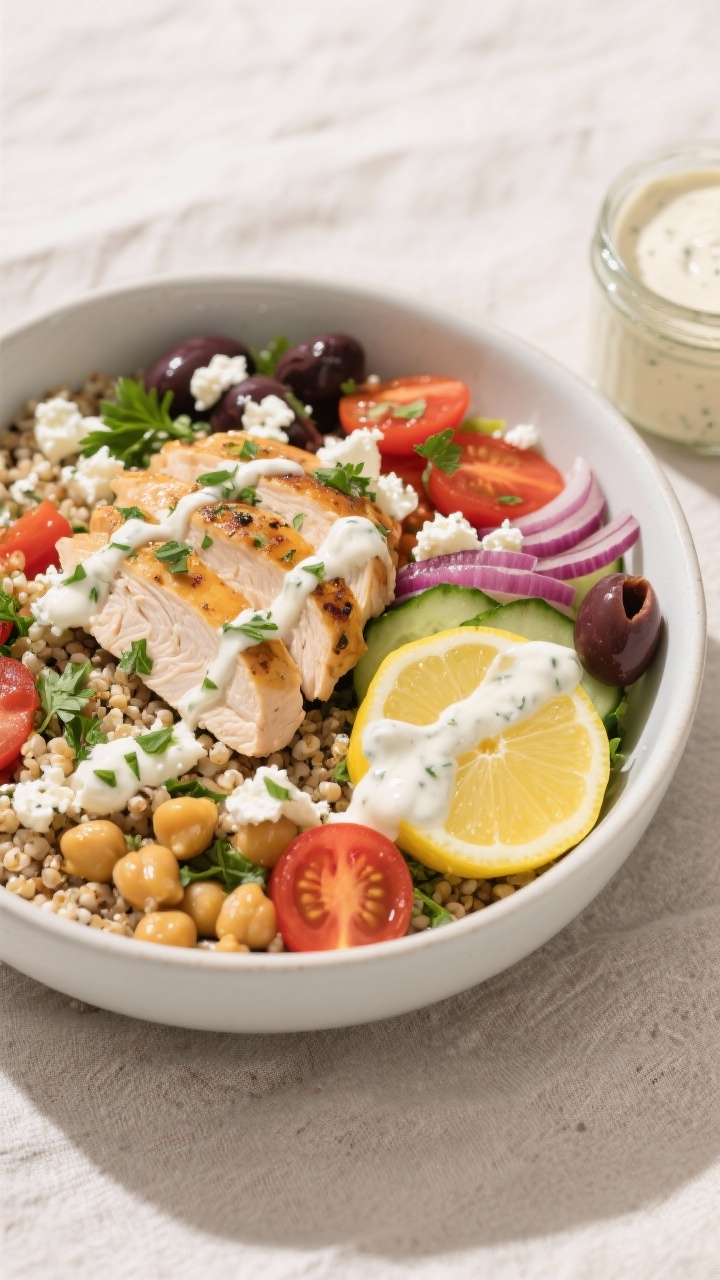
- Mediterranean bowls: Chicken or chickpeas, quinoa, cucumber, tomatoes, red onion, olives, feta, and a lemon-herb yogurt sauce.
- Southwest bowls: Ground turkey or black beans, brown rice, roasted peppers and corn, avocado, salsa, and a chili-lime crema.
- Asian-inspired bowls: Baked salmon or tofu, jasmine rice or quinoa, roasted broccoli and carrots, green onions, and a soy-ginger or peanut sauce.
- Veggie power bowls: Roasted sweet potatoes, kale, chickpeas, farro, pumpkin seeds, and tahini-lemon dressing.
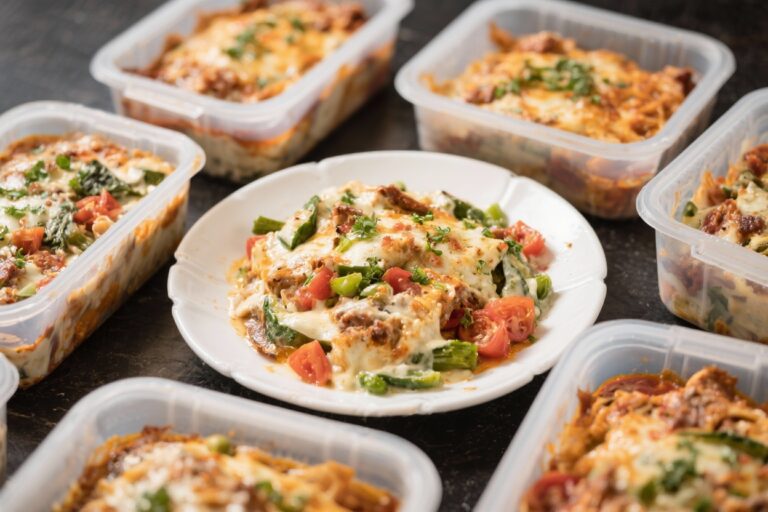
- Pasta meal prep: Whole-wheat pasta with turkey meatballs or white beans, roasted zucchini and tomatoes, and pesto or marinara on the side.
- Wrap and go: Use tortillas or collard wraps with your prepped protein, greens, and sauce for a quick handheld option.
FAQ
How long does meal-prepped food last in the fridge?
Most cooked proteins, grains, and roasted veggies keep well for 3–4 days. If you’re prepping for the full week, freeze one or two portions and thaw midweek.
Can I freeze these meals?
Yes. Grains, cooked chicken, turkey, beans, and roasted veggies freeze well.
Avoid freezing fresh greens and yogurt-based sauces. Add sauces after thawing for best texture.
What’s the best way to reheat?
Microwave in short bursts with a splash of water over grains to restore moisture. For crispness, reheat proteins and veggies in a skillet with a little oil.
Add sauce last.
How do I keep variety without extra work?
Use the same base ingredients but switch sauces and toppings. For example, one day use tahini, the next day pesto, then salsa. It feels new, even with the same core meal.
What if I don’t eat meat?
Use tofu, tempeh, beans, or lentils.
Roast chickpeas for crunch, or marinate tofu for more flavor. Pair with whole grains and plenty of veggies for a satisfying bowl.
Do I need special containers?
Not strictly, but good containers help. Choose airtight, microwave-safe ones, and small jars for sauces.
Divided containers keep textures separate and make packing easier.
How much should I make per serving?
A simple guide: 3–5 ounces protein, 1/2–1 cup cooked grains, and 1–2 cups vegetables. Adjust for your appetite and goals.
Can I meal prep salads?
Absolutely. Layer in this order: dressing on the bottom, sturdy veggies and proteins in the middle, greens on top.
Toss right before eating. Keep croutons or nuts separate for crunch.
Final Thoughts
Meal prep doesn’t have to be complicated or expensive. With a simple formula and a couple of sauces, you can build tasty, balanced meals that make weekdays easier.
Start with one protein, one grain, a few veggies, and a sauce you love. Keep textures in mind, store smart, and switch up flavors to stay excited about what’s in your fridge. A little planning on one day sets you up for low-stress, good-for-you eating all week.
Printable Recipe Card
Want just the essential recipe details without scrolling through the article? Get our printable recipe card with just the ingredients and instructions.