Everyday Flavor Boosting Ideas – Simple Ways to Make Food Taste Better
Everyday Flavor Boosting Ideas – Simple Ways to Make Food Taste Better
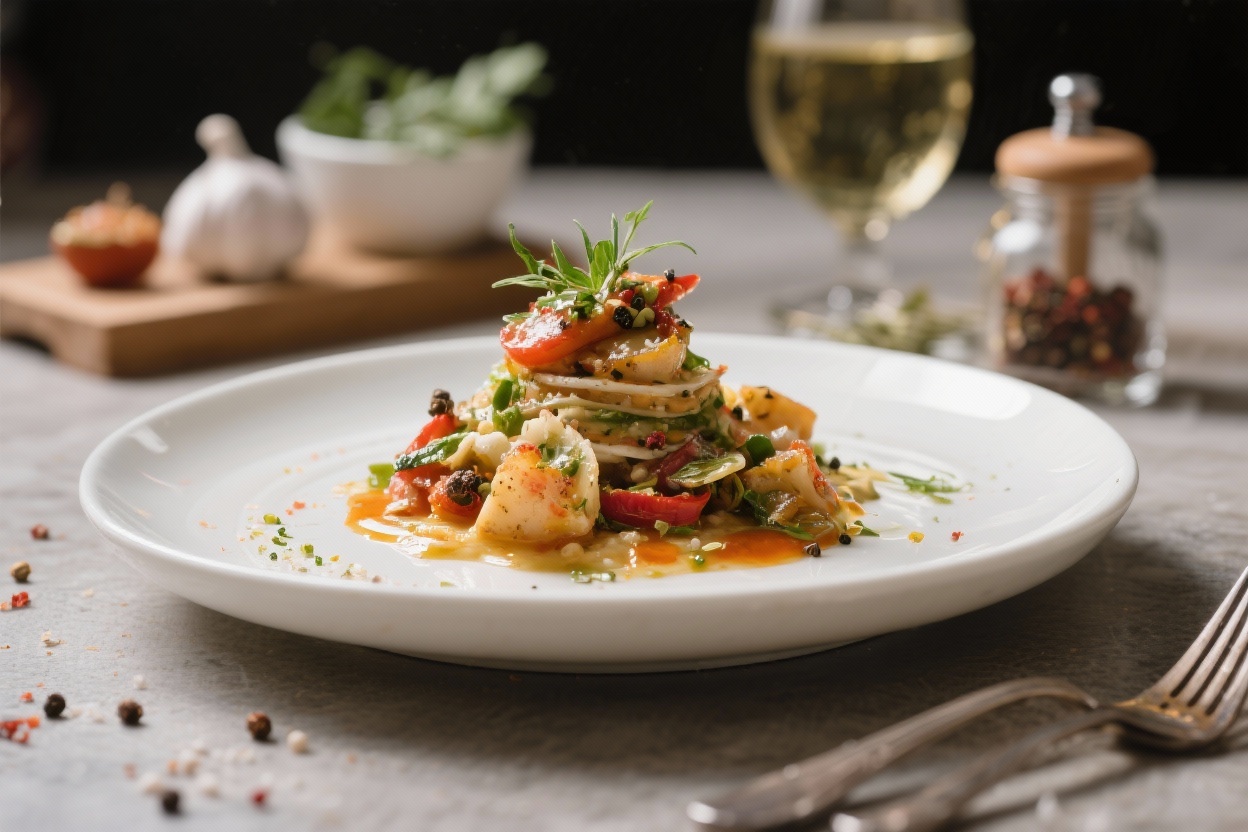
Most meals don’t need a full makeover—they just need a nudge. A squeeze of citrus, a pinch of salt, or a quick pan sauce can turn “meh” into memorable. These everyday flavor boosting ideas are meant for busy cooks who want better results without complicated techniques. You’ll find easy swaps, smart pairings, and little habits that pay off fast. No special tools, no fussy steps—just practical ways to make your food sing.
What Makes This Recipe So Good
Everyday flavor boosting ideas – Everyday Flavor Boosting Ideas – Simple Ways to Make Food Taste Better Most meals don’t need a full
This isn’t one recipe. It’s a toolkit you can use with almost anything you cook. The focus is on simple, repeatable moves—things you can do tonight with what you already have. You’ll learn how to use acid, salt, fat, heat, and freshness to build flavor without extra time or money. The tips are flexible, so you can adjust for your taste, dietary needs, and what’s in your kitchen.
Ingredients
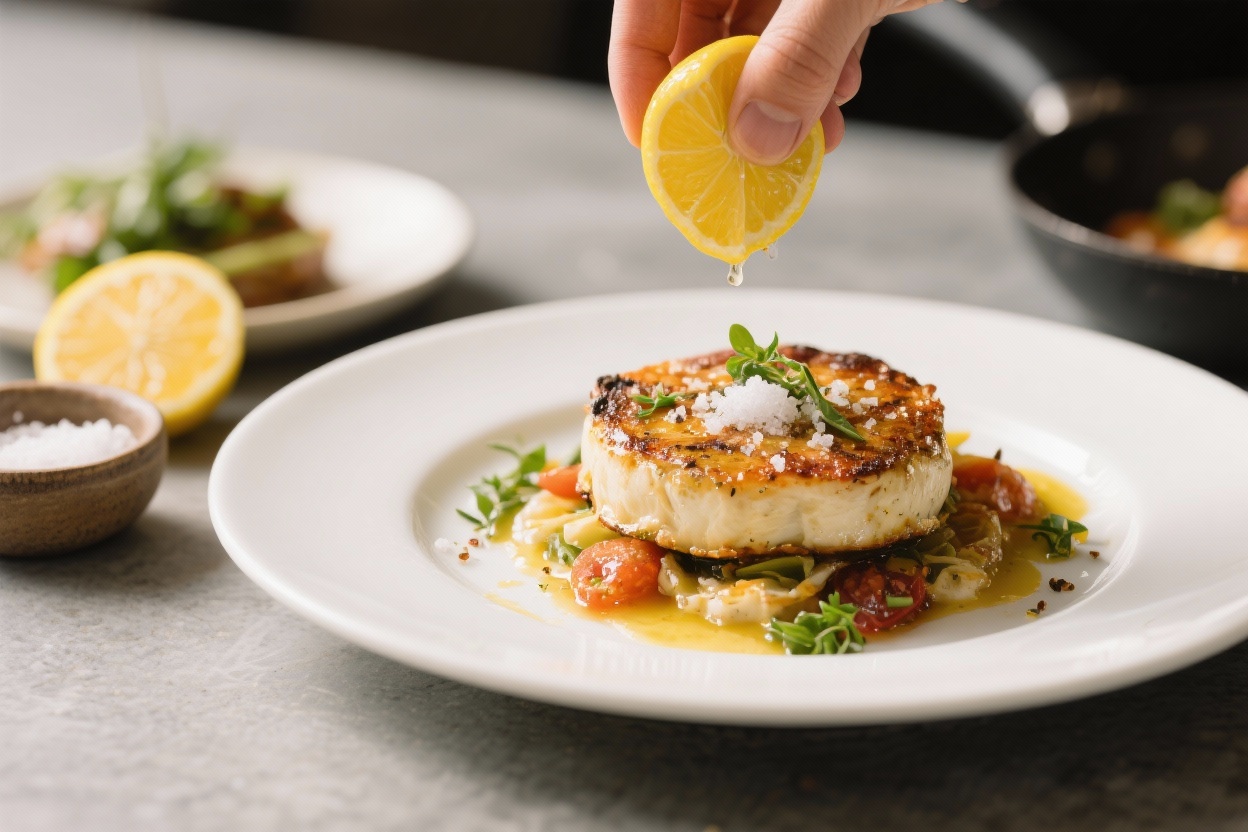
Everyday flavor boosting ideas – A squeeze of citrus, a pinch of salt, or a quick pan sauce can turn “meh” into memorable
- Acid: Lemons, limes, red wine vinegar, rice vinegar, apple cider vinegar, balsamic vinegar
- Salt: Kosher salt, flaky salt for finishing, soy sauce, fish sauce, miso
- Fat: Olive oil, butter, ghee, sesame oil, coconut milk
- Sweetness: Honey, maple syrup, brown sugar, mirin
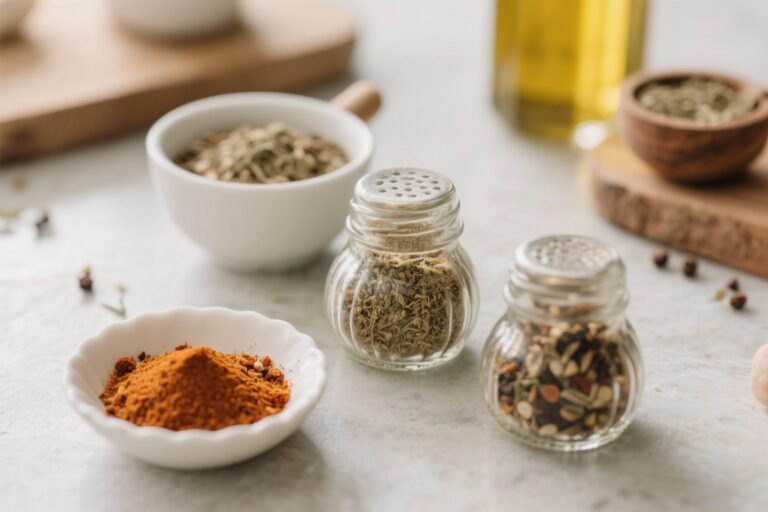
- Heat: Black pepper, red pepper flakes, hot sauce, chili crisp, fresh chilies
- Umami: Parmesan rind, mushrooms, tomato paste, anchovies, nutritional yeast
- Freshness: Fresh herbs (parsley, cilantro, basil, dill), scallions, garlic, ginger, citrus zest
- Texture: Toasted nuts, seeds, panko, crispy shallots
- Pan boosters: Mustard, Dijon or whole grain; Worcestershire sauce; tahini
- Stock and boosts: Good-quality broth, bouillon paste, kombu
Instructions

Everyday flavor boosting ideas – These everyday flavor boosting ideas are meant for busy cooks who want better results without compli
- Finish with acid. Before serving, add a squeeze of lemon or a splash of vinegar to soups, stews, grains, or roasted veggies. It brightens flavors and cuts heaviness.
- Salt early and taste often. Season during cooking, not just at the end. Add a tiny pinch, stir, taste, and repeat until flavors pop.
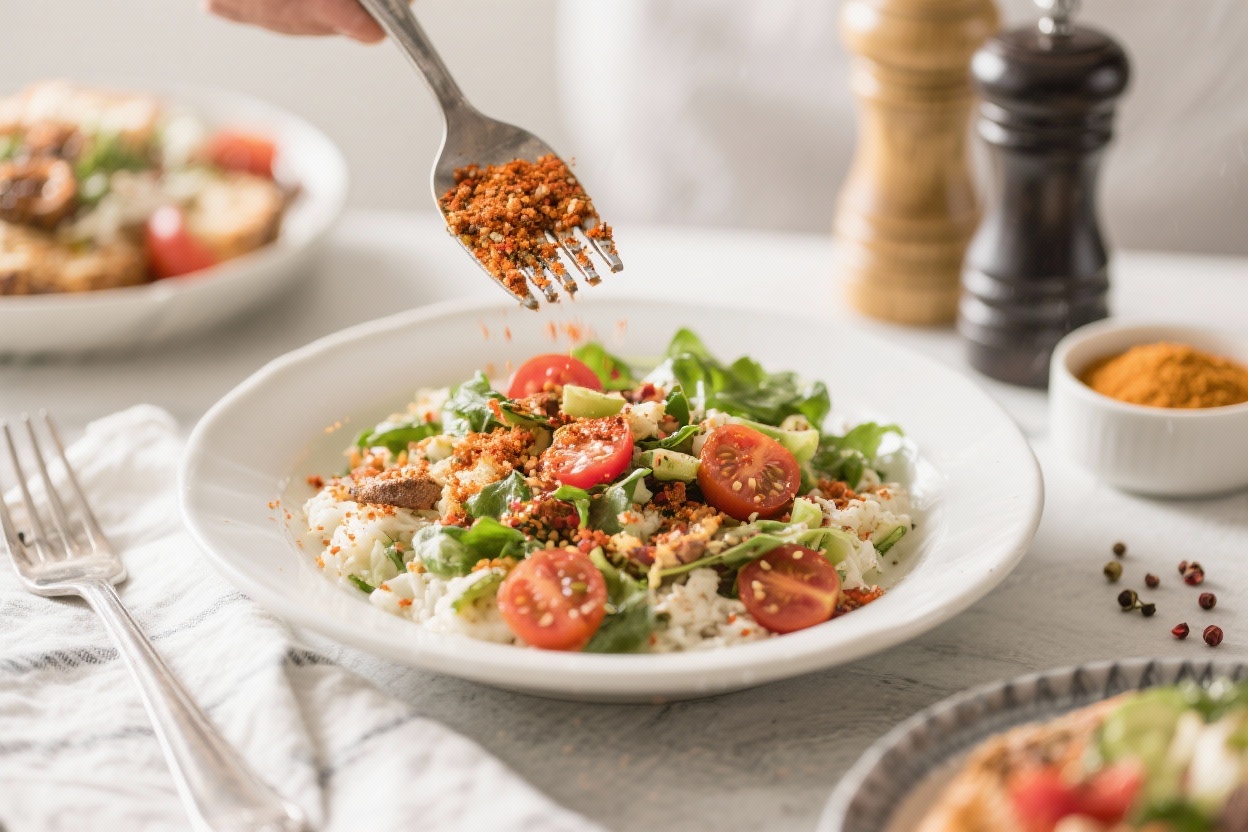
- Use contrasting textures. Top soft dishes with something crunchy: toasted nuts, seeds, or panko crisped in olive oil. Even a handful of crushed crackers can help.
- Bloom aromatics. Cook garlic, ginger, tomato paste, or spices in a little oil until fragrant before adding liquid. This unlocks deeper flavor.
- Finish hot pans with quick sauces. After cooking meat or veg, deglaze the browned bits with a splash of wine, broth, or water. Whisk in a knob of butter, a spoon of mustard, or a dash of vinegar.
- Layer umami. Add a teaspoon of soy sauce, fish sauce, or miso to soups, sauces, and dressings. You won’t taste “soy” or “fish”—just depth.
- Balance with sweetness. If a dish tastes harsh or too acidic, add a touch of honey or maple syrup. It rounds out edges without making it sweet.
- Add fresh herbs at the end. Stir in chopped parsley, cilantro, basil, or dill just before serving to keep flavors bright.
- Use zest, not just juice. Grate lemon or lime zest into dressings, marinades, and pasta. Zest adds aromatic oils that juice alone can’t match.
- Sear for flavor. Get your pan hot and don’t overcrowd. Browning adds caramelized notes that make everything taste better.
- Toast your grains and spices. Toast rice, quinoa, or spices in a dry pan for a minute before cooking. It adds nuttiness and complexity.
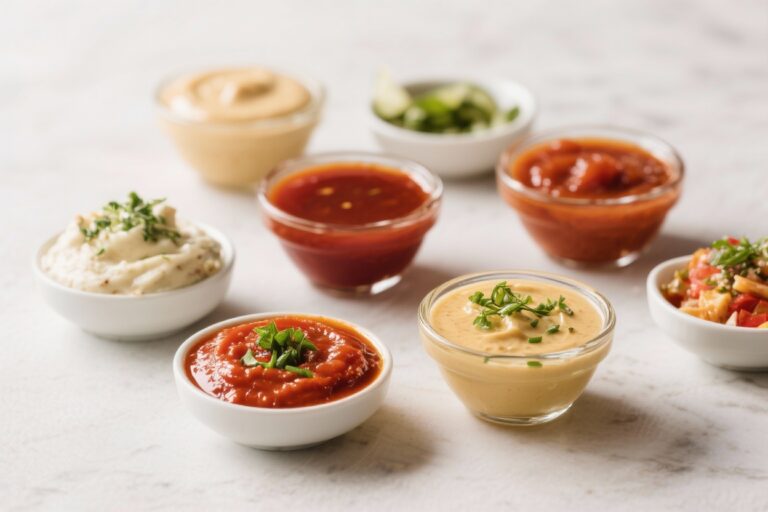
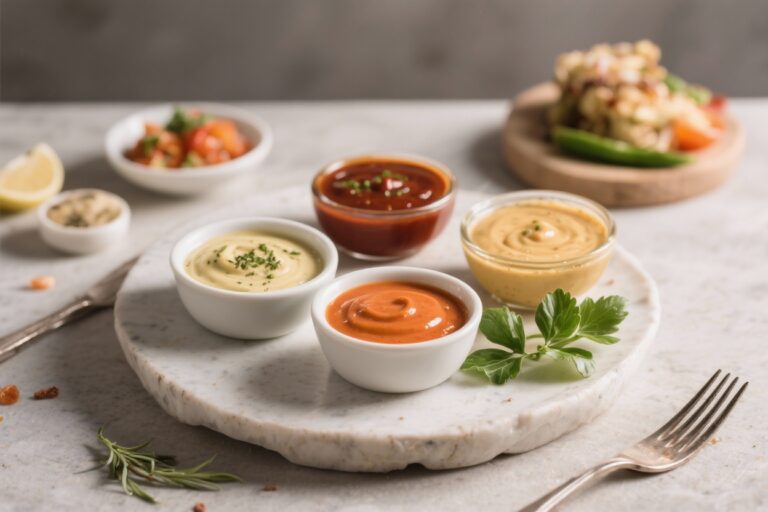
- Upgrade store-bought staples. Stir chili crisp into mayo, mix miso into butter, or whisk tahini with lemon and garlic for a quick sauce.
- Use flavored finishing oils. A drizzle of good olive oil, chili oil, or toasted sesame oil right before serving adds aroma and richness.
- Keep a “flavor shelf.” Store go-to boosters—mustard, vinegar, hot sauce, soy, fish sauce—within reach so you actually use them.
- Taste for balance. If something’s bland, ask: does it need salt, acid, fat, heat, or sweetness? Adjust one at a time.
How to Store
- Herbs: Wrap in a damp paper towel and store in a zip-top bag in the fridge. For basil, keep stems in a glass of water on the counter.
- Citrus: Keep whole in the fridge up to a month. Zest and juice leftovers, then freeze in small portions.
- Sauces and pastes: Refrigerate opened soy sauce, miso, chili crisp, and mustard per label. Miso and chili pastes last for months.
- Broth: Freeze in ice cube trays for quick deglazing and pan sauces.
- Toasted nuts and seeds: Store in airtight containers in the freezer to keep them fresh and crisp.
Benefits of This Recipe
- Saves money: Makes simple ingredients taste special, so you use what you have.
- Faster meals: Most tips take seconds and require no extra cooking time.
- Flexible: Works for any cuisine—Italian, Asian, Latin, or whatever you like.
- Health-conscious: Focuses on brightness and balance, not just heavy sauces.
- Confidence-building: Teaches you to season by taste, not strict rules.
Pitfalls to Watch Out For
- Over-salting at the end: Salt in layers. If you wait until the end, it’s easy to overshoot.
- Too much acid: Start small. You can always add more lemon or vinegar, but you can’t take it out.
- Burning aromatics: Garlic and spices scorch fast. Use medium heat and stir.
- Greasy finishes: A drizzle of oil is great, but too much can dull flavors.
- Clashing flavors: Pick a direction. Mixing sesame oil, Parmesan, and balsamic can get muddy unless it’s intentional.
Variations You Can Try
- Spicy citrus drizzle: Olive oil, lemon juice, red pepper flakes, and a pinch of salt. Great on roasted veggies or fish.
- Umami butter: Soften butter and mix with miso, garlic, and parsley. Melt over steak, mushrooms, or tofu.
- Quick herby yogurt: Greek yogurt, lemon zest, dill, and olive oil. Use on chicken, salmon, or roasted potatoes.
- Pan sauce 101: After searing, deglaze with broth or wine, whisk in Dijon and butter, finish with a squeeze of lemon.
- Crunch topper: Toast panko in olive oil with a bit of garlic and salt. Sprinkle on pasta, soups, and casseroles.
- Sesame soy finish: Soy sauce, rice vinegar, a touch of honey, and toasted sesame oil. Toss with noodles or greens.
FAQ
How do I fix a bland soup?
Add salt first, then a splash of vinegar or lemon. If it needs body, stir in a spoon of miso or a knob of butter. Finish with fresh herbs or a drizzle of olive oil.
What if I over-salt?
Balance with acid and fat—lemon juice, vinegar, or unsalted butter. If it’s a soup or stew, add more liquid or a starch like cooked rice or potatoes to dilute.
Can I boost flavor without spice?
Yes. Use acid, herbs, umami (mushrooms, soy, miso), and texture. A lemony herb dressing or a Parmesan rind in soup adds depth without heat.
What’s the fastest way to make vegetables taste better?
Roast at high heat for browning, then finish with lemon, flaky salt, and a crunchy topper like toasted nuts or panko.
How do I know when to use vinegar versus citrus?
Lemon and lime add bright, fresh zing; vinegar adds tang and complexity. Citrus is great for finishing; vinegar shines in dressings, marinades, and pan sauces.
Is fish sauce too strong for everyday cooking?
Used in small amounts, it won’t taste fishy. A teaspoon in soups, sauces, or dressings adds savory depth you can’t quite place—but you’ll miss it if it’s gone.
What’s an easy all-purpose dressing?
Mix 3 parts olive oil with 1 part vinegar or lemon, plus Dijon, salt, pepper, and a pinch of sugar or honey. Add garlic or herbs if you like.
Wrapping Up
Better flavor isn’t about fancy ingredients. It’s about small moves—salt in layers, add acid, use fresh herbs, and finish with texture. Keep a few reliable boosters on hand, and don’t be afraid to taste and tweak. Once you start using these habits, even your simplest meals will feel more satisfying and vibrant.
Printable Recipe Card
Want just the essential recipe details without scrolling through the article? Get our printable recipe card with just the ingredients and instructions.