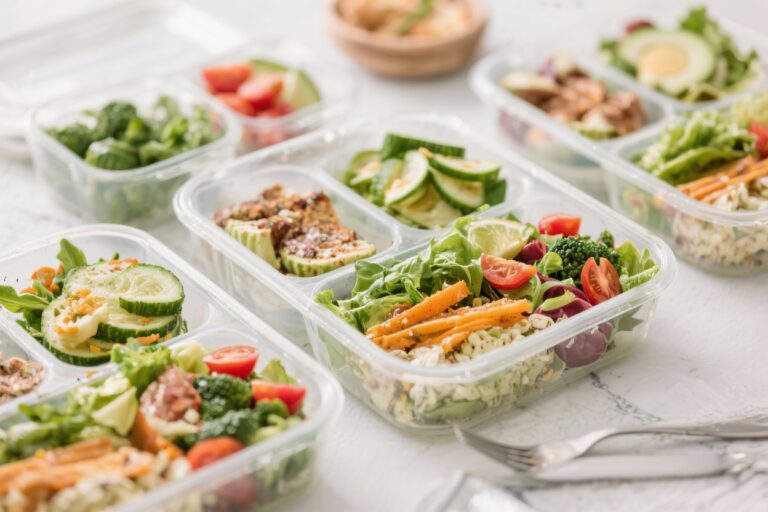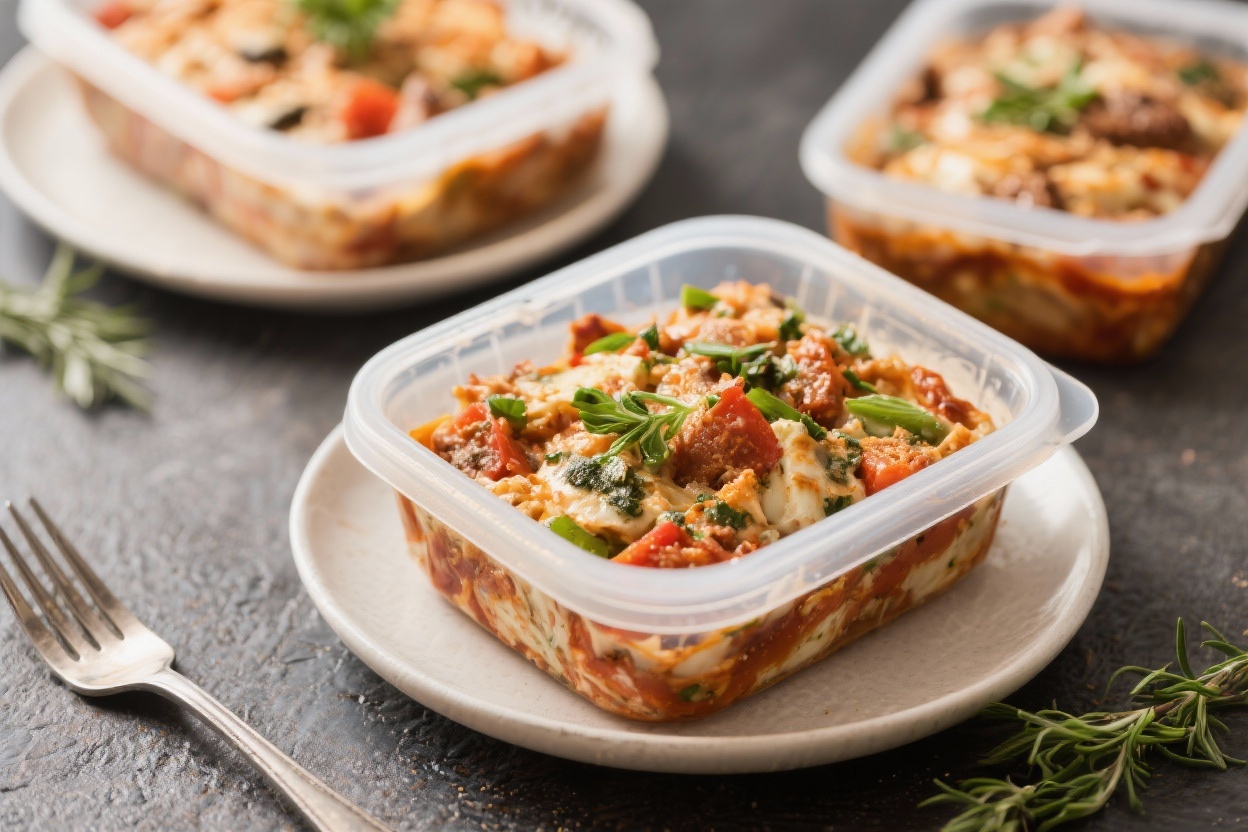
Freezer Friendly Make Ahead Meals – Simple, Tasty, and Ready When You Are
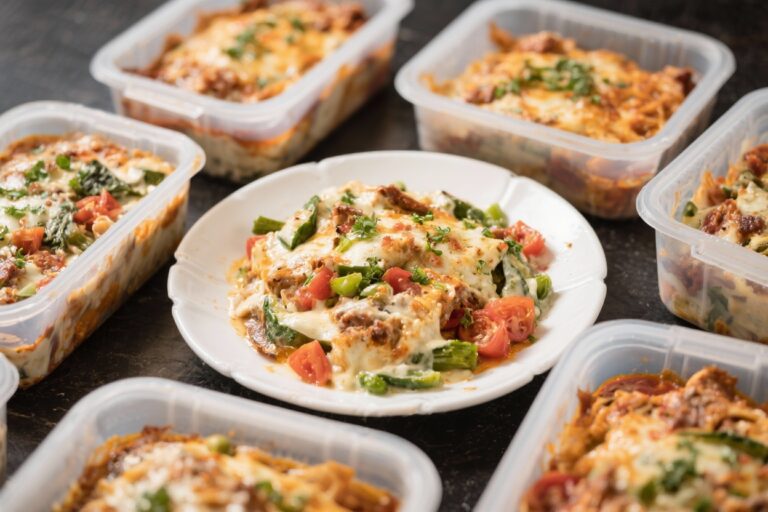
If your weekdays feel crammed, freezer friendly make ahead meals can be a lifesaver. Cook once, stash a few portions, and you’ve got dinners ready to go without the nightly scramble. This guide shows you how to batch-cook versatile, crowd-pleasing dishes you can freeze, reheat, and enjoy anytime.
The focus is on everyday flavors, straightforward methods, and smart storage so your meals taste fresh even after a few weeks. No fancy gear required—just a little planning and a well-labeled freezer.
What Makes This Special
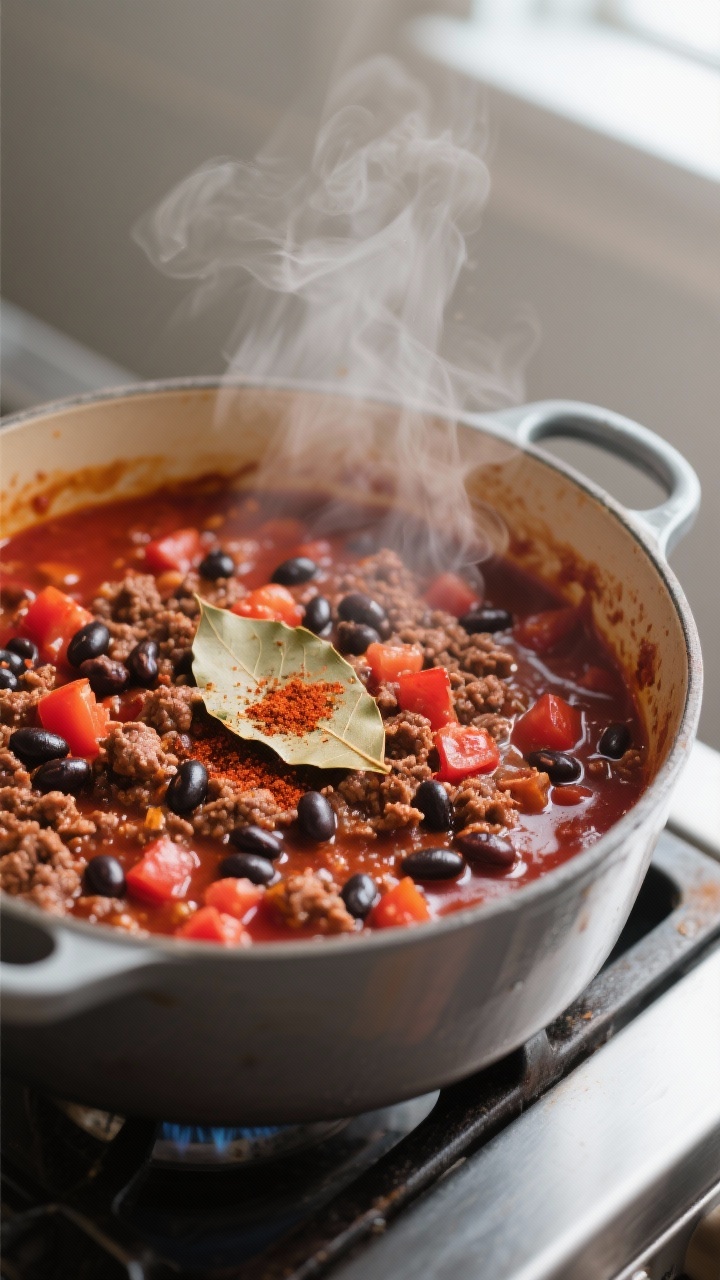
Freezer meals don’t have to taste like leftovers. With the right recipes and a few simple tricks, you get hearty, flavorful dishes that hold up beautifully in the freezer.
These make-ahead meals are budget-friendly, help reduce food waste, and cut down on last-minute takeout.
- Time-saving: Batch cooking once a week frees up busy nights.
- Versatile: Mix-and-match proteins, grains, and veggies so meals never feel repetitive.
- Family-friendly: Mild spices and classic flavors keep everyone happy.
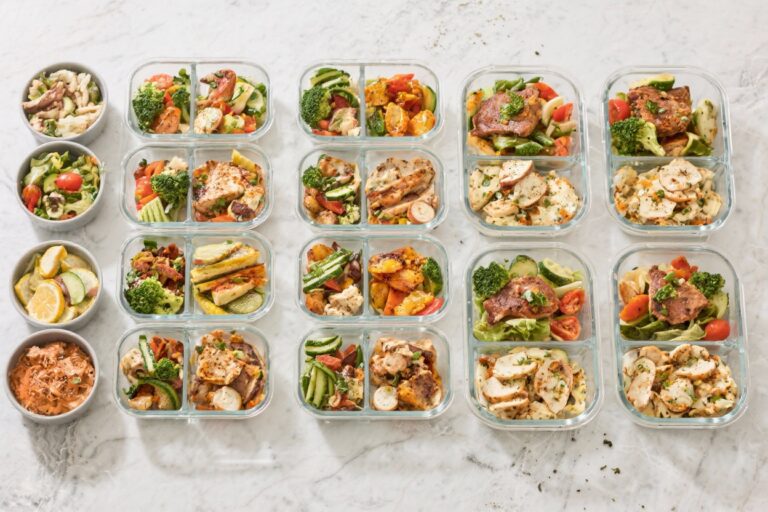
- Great for meal prep: Portion into single servings or family packs to suit your routine.
Ingredients
This list covers ingredients for a basic make-ahead rotation featuring three reliable freezer-friendly options: beef and bean chili, chicken and vegetable bake, and a veggie lentil pasta sauce. Adjust to taste or swap based on what you have.
- Proteins: Ground beef or turkey (2 lbs), boneless chicken thighs or breasts (2–3 lbs), dry lentils (1 lb)
- Canned goods: Crushed tomatoes (2 large cans), tomato paste (2 small cans), diced tomatoes (2 cans), black beans (2 cans), kidney beans (2 cans)
- Vegetables: Onions (3–4), garlic (1 head), carrots (4), celery (4 stalks), bell peppers (2), broccoli florets (1 large head or bag), spinach (1 bag, fresh or frozen)
- Grains/Starches: Pasta (1–2 lbs), rice (optional, for serving), potatoes (optional for roasting)
- Liquids: Chicken or vegetable broth (4–6 cups), olive oil
- Dairy (optional): Shredded cheese (mozzarella or cheddar), grated Parmesan, cream or milk for creamier sauces
- Seasonings: Salt, black pepper, chili powder, cumin, paprika, Italian seasoning, dried oregano, red pepper flakes, bay leaves
- Freezer supplies: Freezer-safe containers or zip-top bags, foil, labels and a marker
Instructions
- Plan your portions. Decide how many meals you want. For a family of four, aim for 8–12 portions across different dishes.Label your containers with the meal name and date before you start cooking.
- Make the beef and bean chili. Sauté 1 chopped onion and 2 minced garlic cloves in olive oil. Brown 2 lbs ground beef or turkey. Add 1 can crushed tomatoes, 1 can diced tomatoes, 1 can black beans, and 1 can kidney beans (rinsed).Season with 2 tbsp chili powder, 1 tsp cumin, 1 tsp paprika, salt, and pepper. Simmer 20–30 minutes until thick. Adjust seasoning.
- Cook the lentil pasta sauce. Sauté 1 onion, 2 carrots, 2 celery stalks, and 3 garlic cloves in olive oil.Add 1 lb rinsed lentils, 1 large can crushed tomatoes, 1 tbsp tomato paste, 2 cups broth, 1 tsp oregano, 1 tsp Italian seasoning, and a bay leaf. Simmer 25–30 minutes until lentils are tender. Finish with a handful of spinach and a pinch of red pepper flakes.
Salt and pepper to taste.
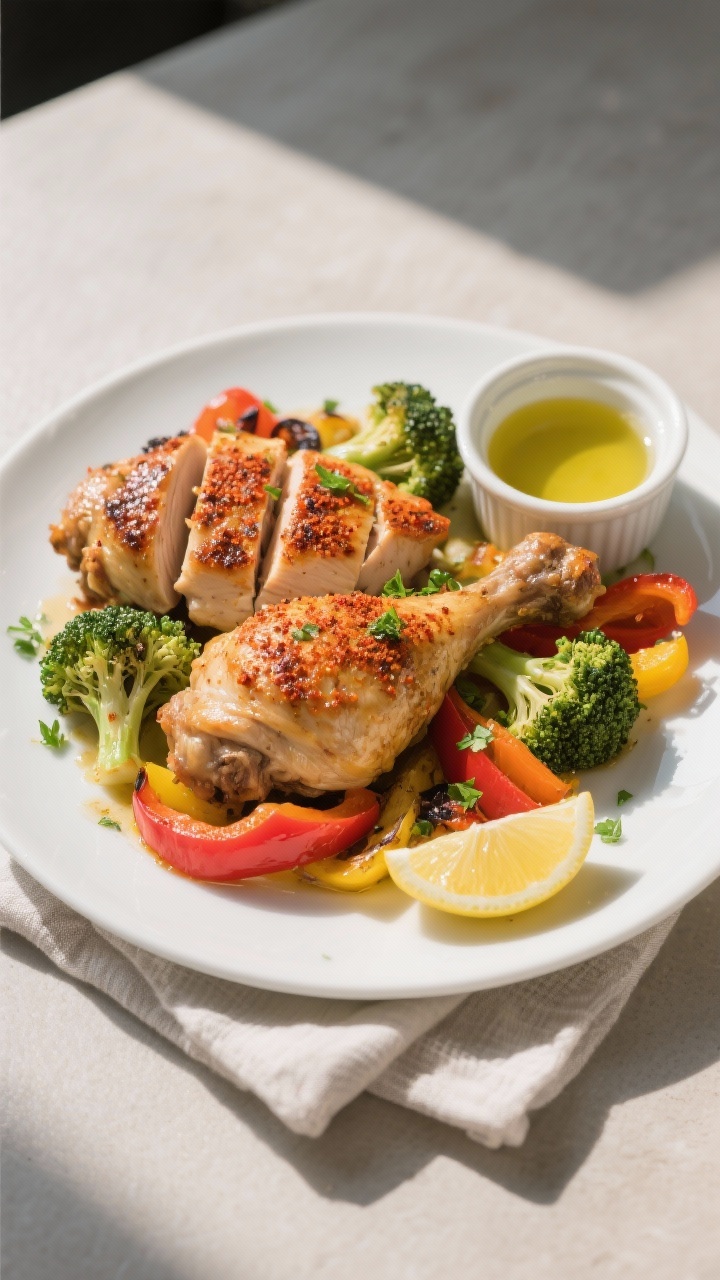
- Prepare the chicken and vegetable bake. Toss 2–3 lbs chicken pieces with olive oil, salt, pepper, paprika, and Italian seasoning. Spread on a sheet pan with broccoli florets and sliced peppers. Roast at 400°F (200°C) for 25–35 minutes until the chicken is cooked through.Optional: toss with a splash of broth or a little tomato sauce for moisture.
- Cook pasta for the lentil sauce. Boil pasta until just shy of al dente. Drain and cool. Combine with some of the lentil sauce or keep separate to avoid sogginess.If combining, toss with a little olive oil and sauce to coat.
- Cool everything quickly. Spread hot foods in shallow pans to cool faster. Aim to get food from hot to room temperature within 1 hour to keep it safe.
- Portion and pack. Divide meals into freezer-safe containers or bags. For bags, press out excess air and freeze flat to save space.Add a label with the date and reheating instructions.
- Freeze smart. Place flat bags on a baking sheet to freeze, then stack. Keep similar meals together so they’re easy to find. Try to use within 2–3 months for best quality.
- Reheat properly. Thaw overnight in the fridge when possible.Reheat on the stove over medium heat with a splash of water or broth. For oven reheating, cover with foil and bake at 350°F (175°C) until hot. Stir halfway for even heating.
- Finish with fresh touches. Add fresh herbs, a squeeze of lemon, grated cheese, or a drizzle of olive oil when serving.These small additions make freezer meals taste newly made.
How to Store
- Containers: Use BPA-free plastic containers, glass with freezer-safe lids, or heavy-duty zip-top bags. Leave a little headspace for expansion with liquids.
- Label clearly: Include the dish name, date, and “Use by” within 3 months. Add reheating notes like “Thaw overnight” or “Reheat from frozen 25–35 min.”
- Avoid freezer burn: Cool fully before sealing, remove excess air, and keep the freezer at 0°F (-18°C).
- Portion control: Single servings are great for lunches; family-size portions work for busy nights.

Health Benefits
- Balanced nutrition: These meals include protein, fiber-rich legumes, and a variety of vegetables, helping you feel full and energized.
- Less sodium and additives: Cooking at home lets you control salt and avoid ultra-processed ingredients.
- Consistent portions: Built-in portioning helps manage calories without strict tracking.
- Stable blood sugar: Beans, lentils, and veggies offer slow-digesting carbs and fiber.
Common Mistakes to Avoid
- Freezing hot food: This causes condensation and ice crystals.Always cool first.
- Overcooking pasta and veggies: They soften more after freezing and reheating. Cook slightly under.
- Skipping labels: Unmarked containers lead to mystery meals and food waste.
- Using thin containers: Flimsy bags tear and leak. Choose sturdy, freezer-safe options.
- Not seasoning enough: Flavors dull slightly after freezing.Season well and brighten before serving.
Alternatives
- Protein swaps: Use ground chicken instead of beef, or add chickpeas for a vegetarian chili.
- Grain options: Try brown rice, quinoa, or whole-grain pasta for extra fiber.
- Dairy-free: Skip cheese and use olive oil or dairy-free Parmesan alternatives.
- Spice profiles: Switch chili seasoning for smoked paprika and cumin, or go Italian with basil and oregano.
- Low-carb: Serve sauces over roasted cauliflower, zucchini noodles, or spaghetti squash.
FAQ
How long can I keep freezer meals?
For best taste and texture, use most meals within 2–3 months. They’re safe longer if kept at 0°F (-18°C), but quality can drop over time.
Can I freeze meals with dairy?
Yes, but dairy can separate. For cream sauces, freeze the base without the cream and stir it in when reheating.
Cheese generally freezes well when mixed into dishes.
Do I need to thaw before reheating?
Thawing in the fridge gives the best texture and faster, even reheating. If you’re short on time, reheat from frozen at a lower temperature and add a splash of liquid.
What’s the best container size?
Use single-serving containers (2–3 cups) for lunches and larger ones (6–8 cups) for family dinners. Flat bags save space and thaw quickly.
How do I prevent freezer burn?
Cool completely, remove as much air as possible, use quality containers, and keep your freezer consistently cold.
A tight seal makes a big difference.
Can I freeze cooked rice or pasta?
Yes. Cook slightly under al dente, cool quickly, toss with a little oil, and portion before freezing. Reheat with a splash of water or broth.
Any tips to make reheated meals taste fresh?
Add fresh herbs, citrus zest, a spoonful of yogurt or sour cream, grated Parmesan, or a quick side salad.
A crunchy topping like toasted breadcrumbs helps too.
What if I don’t have much freezer space?
Freeze flat in bags, focus on sauces and proteins, and cook fresh sides like rice or vegetables on the day you eat. Stack meals vertically like books for easy access.
Can I batch-cook with a slow cooker or Instant Pot?
Absolutely. Both are great for hands-off cooking.
Make large batches of chili, shredded chicken, or stew, cool, and portion into freezer containers.
How do I avoid soggy vegetables?
Roast or sauté vegetables until just tender before freezing, and don’t overcook when reheating. Keep sauces and veggies separate if you’re worried about texture.
Wrapping Up
Freezer friendly make ahead meals make busy weeks smoother and mealtimes calmer. With a few staple recipes, solid storage habits, and clear labels, you’ll always have something good ready to go.
Start with chili, a hearty lentil sauce, and a simple chicken bake, then build your own rotation over time. A little prep on the weekend means less stress and more satisfying dinners all week long.
Printable Recipe Card
Want just the essential recipe details without scrolling through the article? Get our printable recipe card with just the ingredients and instructions.