How to Boost Flavor in Home Cooking – Simple, Everyday Tips That Work
How to Boost Flavor in Home Cooking – Simple, Everyday Tips That Work
Flavor isn’t only about fancy ingredients or complicated techniques. It’s about small choices that make your food taste brighter, deeper, and more satisfying. You can transform basic meals with a few smart moves: proper seasoning, good browning, and balancing taste. Think of flavor like layers—each step adds something. With these easy, reliable tips, you’ll cook dishes that people ask for again and again.
What Makes This Special
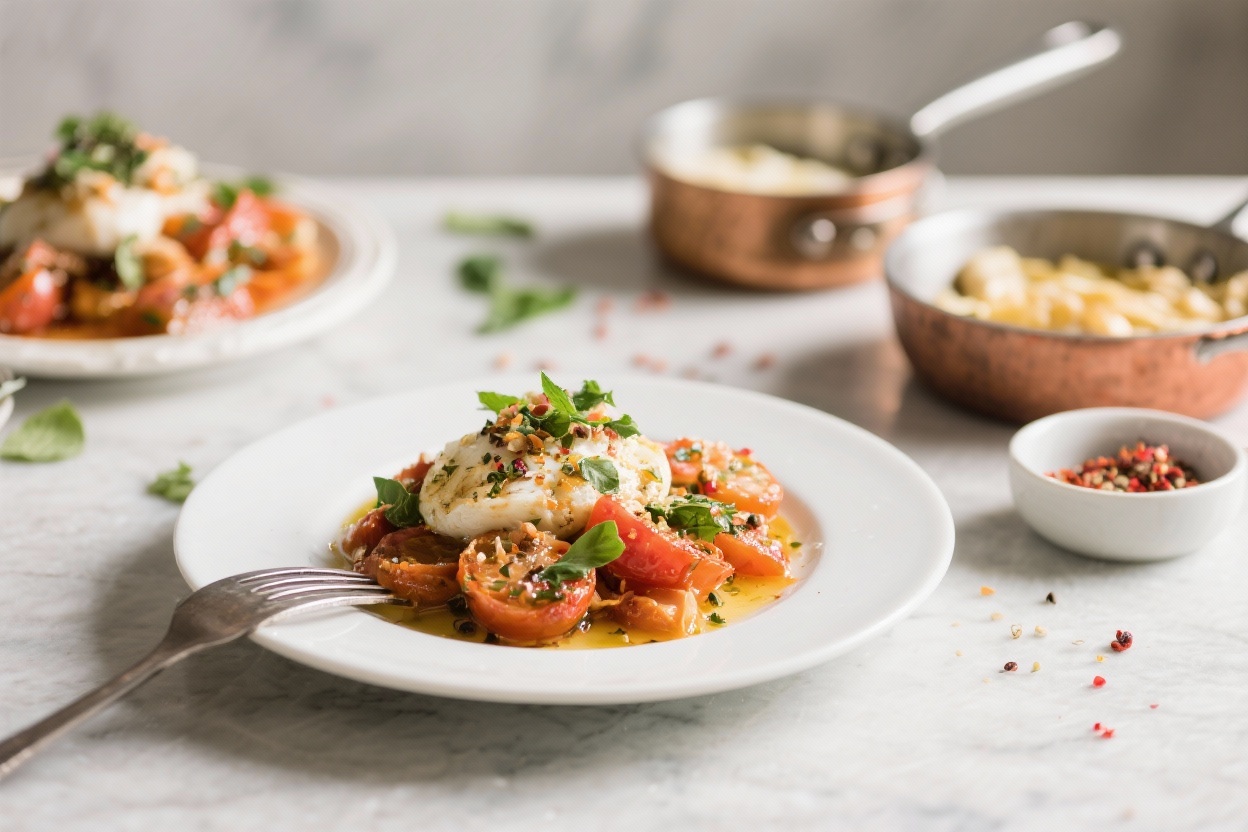
How to boost flavor in home cooking – How to Boost Flavor in Home Cooking – Simple, Everyday Tips That Work Flavor isn’t only about fancy
This guide focuses on simple techniques that fit into everyday cooking. No special tools or hard-to-find ingredients. Just methods that chefs use and home cooks can master. You’ll learn how to build flavor at each stage, so even a quick weeknight dinner comes out tasting rich and complete. Most tips are flexible—you can use them with vegetables, meats, grains, and sauces.
Ingredients
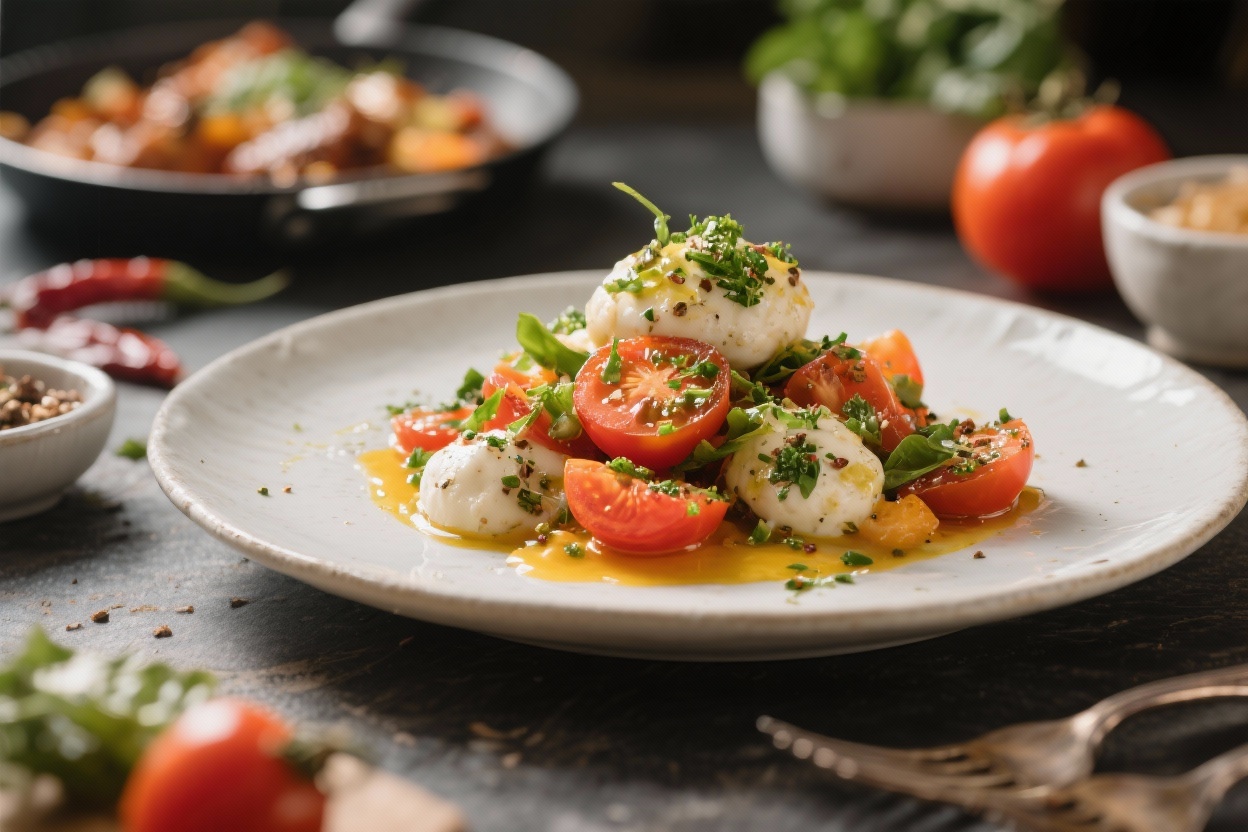
How to boost flavor in home cooking – It’s about small choices that make your food taste brighter, deeper, and more satisfying
These are pantry staples and fresh add-ins that help boost flavor across many recipes. Keep a few on hand and mix and match:
- Salt: Kosher or sea salt for seasoning; flaky salt for finishing.
- Acid: Lemon, lime, vinegar (red wine, rice, apple cider, balsamic).
- Fats: Olive oil, butter, ghee, neutral oil, sesame oil.
- Aromatics: Onion, garlic, shallots, scallions, ginger, celery, carrots.
- Herbs: Fresh (parsley, cilantro, basil, dill, mint, thyme, rosemary) and dried (oregano, thyme, bay leaves).
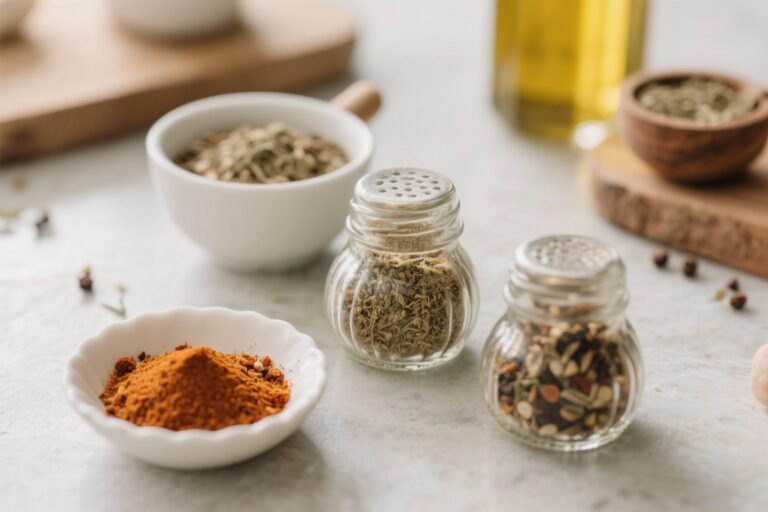
- Spices: Black pepper, cumin, coriander, paprika, chili flakes, turmeric, cinnamon.
- Umami boosters: Soy sauce, miso, fish sauce, tomato paste, anchovies, Parmesan rind, mushrooms.
- Sweetness (for balance): Honey, maple syrup, brown sugar.
- Stock or broth: Chicken, beef, vegetable, or mushroom.
- Textural add-ins: Toasted nuts, seeds, breadcrumbs, crispy shallots.
- Finishing touches: Citrus zest, fresh herbs, flavored vinegars, hot sauce.
Instructions
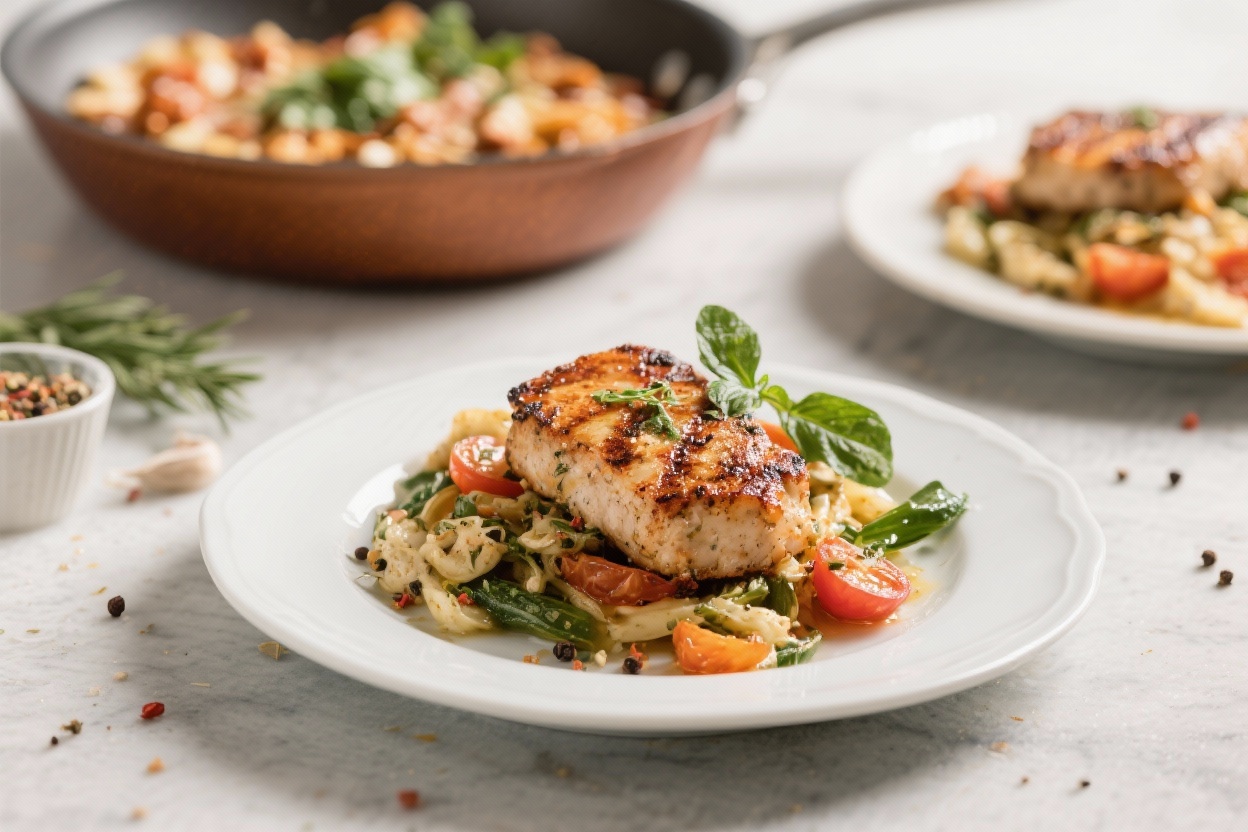
How to boost flavor in home cooking – You can transform basic meals with a few smart moves: proper seasoning, good browning, and balancing
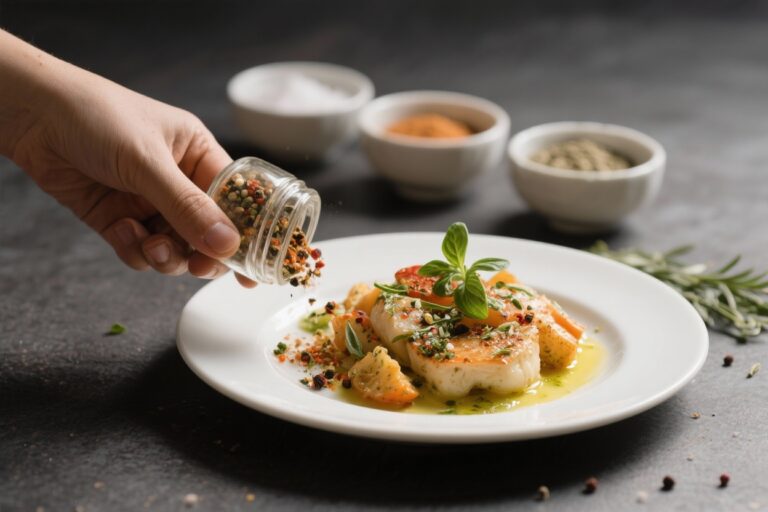
- Season in layers. Salt early and lightly at each stage—on proteins before cooking, in the pan with aromatics, and at the end to taste. Layering helps ingredients taste like themselves, not just “salty.”
- Use heat to build flavor. Sear proteins and vegetables until they brown. Those brown bits (fond) on the pan add deep flavor to sauces and soups. Avoid crowding the pan or you’ll steam instead of sear.
- Sweat your aromatics. Start many dishes by gently cooking onion, garlic, or shallots in oil with a pinch of salt. This pulls out sweetness and softens sharp edges, setting a flavorful base.
- Toast spices and tomato paste. Warm whole or ground spices in oil until fragrant. Cook tomato paste for 1–2 minutes to remove raw taste and unlock sweetness and umami.
- Deglaze the pan. After browning, add a splash of wine, stock, vinegar, or even water. Scrape up the fond to enrich sauces, stews, and sautés.
- Balance salt, acid, fat, and heat. If a dish tastes flat, add acid (lemon or vinegar). If it’s sharp, round it with fat (butter or olive oil). If it’s bland, a bit more salt. For lift, add mild heat (chili flakes or pepper).
- Boost umami. A teaspoon of soy sauce, miso, fish sauce, or a bit of anchovy can make soups, dressings, and sauces taste fuller. You won’t notice “fishy” flavor when used sparingly—just depth.
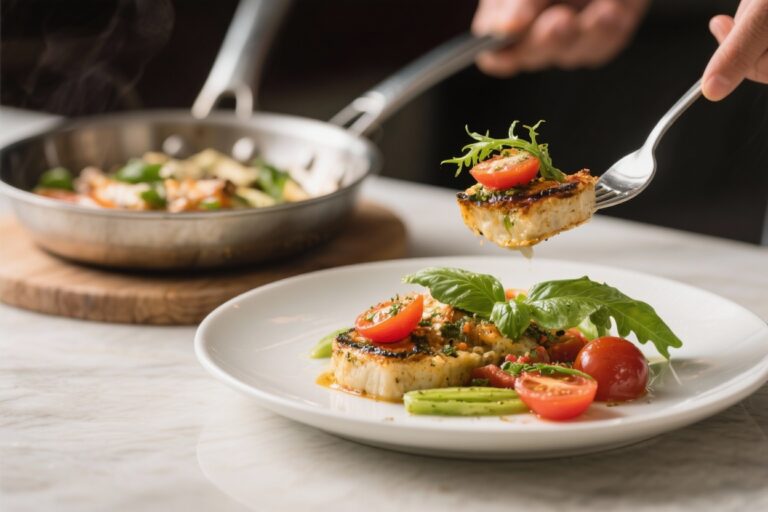
- Finish fresh. Add fresh herbs, citrus zest, or a squeeze of lemon at the end. Fresh elements brighten heavy dishes and sharpen flavors.
- Mind texture. Add crunch with toasted nuts, seeds, or breadcrumbs. Use a creamy element like yogurt or tahini to contrast roasted or spiced foods.
- Taste as you go. Check seasoning at multiple points. Adjust before plating; it’s easier to correct in the pan than at the table.
- Use good stock. Replace water with stock in grains, soups, and sauces for an instant upgrade. Even a bouillon cube can help—just watch the salt.
- Rest and reduce. Let meats rest so juices redistribute. Reduce sauces a bit to concentrate flavor, then finish with a small knob of butter for gloss and richness.
Storage Instructions
- Homemade flavor bases: Freeze caramelized onions, roasted garlic, and concentrated stocks in small containers or ice cube trays for quick use.
- Herbs: Store fresh herbs wrapped in a damp towel in a bag in the fridge. Or blend with oil and freeze into cubes to add at the end of cooking.
- Toasted nuts and seeds: Keep in airtight containers in the fridge or freezer to preserve flavor and crunch.
- Spices: Store in a cool, dark place. Whole spices last longer than ground; grind small batches as needed.
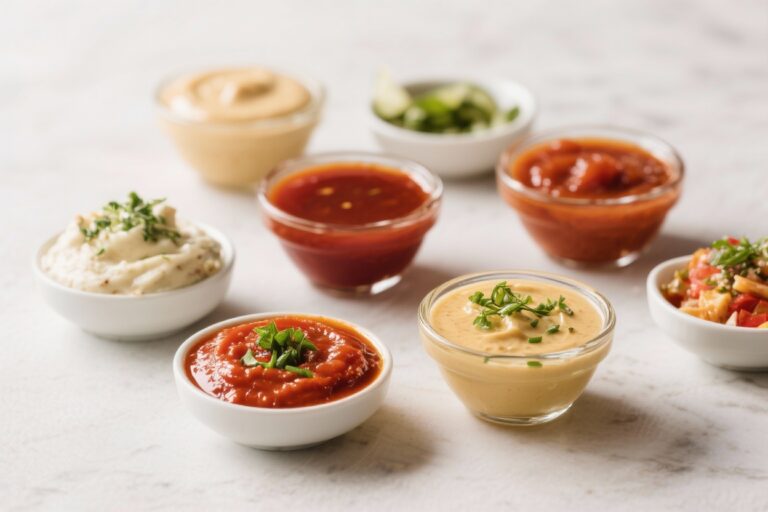
- Leftover sauces and dressings: Many improve after a day in the fridge as flavors meld. Label and date; most keep 3–5 days.
Why This is Good for You
- Better flavor, less salt and sugar: When food tastes layered and bright, you’ll rely less on heavy seasoning or sweeteners.
- More vegetables, more enjoyment: Roasting, proper seasoning, and finishing acids make veggies crave-worthy, helping you eat more of them.
- Control over ingredients: You choose the fats, the amount of salt, and the quality of the produce, which supports balanced eating.
- Confidence in the kitchen: These techniques apply to many cuisines, so you’ll cook more often and waste less.
Common Mistakes to Avoid
- Under-salting early, over-salting late: Skipping early seasoning leads to bland food, then you compensate at the end. Season lightly in stages.
- Crowding the pan: Too many ingredients at once prevents browning. Cook in batches for better caramelization and taste.
- Skipping acid: When a dish is “missing something,” it’s often acidity. A splash of vinegar or squeeze of lemon can rescue it.
- Burning garlic or spices: Bitter flavors take over quickly. Use medium heat and stir; add a splash of liquid if they catch.
- Not tasting as you go: You can’t fix balance at the end as easily. Taste and adjust at key moments: after browning, after deglazing, and before serving.
Recipe Variations
Think of these as plug-and-play flavor blueprints you can use with different ingredients.
- Lemon-Herb Finish: Mix chopped parsley, dill, lemon zest, and olive oil. Spoon over roasted fish, chicken, or vegetables.
- Umami Butter: Mash soft butter with miso and a little soy sauce. Melt over steak, mushrooms, or steamed greens.
- Spiced Oil Drizzle: Warm olive oil with garlic and chili flakes; finish with a splash of red wine vinegar. Drizzle over pasta, beans, or sautéed greens.
- Roasted Vegetable Upgrade: Toss veg with olive oil, salt, pepper, and smoked paprika. Roast until browned. Finish with lemon juice and toasted nuts.
- Quick Pan Sauce: After searing meat, deglaze with wine or stock, whisk in a teaspoon of mustard and a pat of butter, and finish with chopped herbs.
- Savory Tomato Boost: Stir a spoon of tomato paste and anchovy into hot oil, cook 1–2 minutes, then add canned tomatoes for a richer sauce.
FAQ
How do I know if my dish needs salt or acid?
If flavors are dull or bland, add a pinch of salt and taste. If it’s seasoned but still flat, add a little acid—lemon juice or vinegar. If it’s too sharp after acid, add a touch of fat to round it out.
Can I boost flavor without spicy heat?
Yes. Focus on browning, umami boosters (miso, soy, mushrooms), and finishing acids. Fresh herbs and citrus zest add brightness with zero heat.
What’s the best oil for high-heat cooking?
Use oils with higher smoke points, like avocado, peanut, or a neutral vegetable oil. Save extra-virgin olive oil for medium heat or finishing.
When should I add fresh herbs?
Sturdy herbs like rosemary and thyme can go in early. Tender herbs like basil, parsley, dill, and cilantro are best added at the end to keep their flavor and color.
Do I need special equipment?
No. A heavy pan for good searing, a sharp knife, and a wooden spoon for scraping fond are enough. Optional upgrades include a microplane for zest and a spice grinder.
How do I fix a bitter sauce?
Bitterness often comes from burnt garlic or spices. Strain out burnt bits if possible. Balance with a little fat, sweetness (like a small drizzle of honey), or dilution with stock. Add acid at the end only if it helps, not as the first fix.
What’s the simplest way to make vegetables taste better?
Toss with oil, salt, and pepper; roast at high heat until browned; finish with lemon juice and a fresh herb. That combo works across many vegetables.
How much soy sauce or fish sauce should I use?
Start small—about 1 teaspoon for a pot of soup or sauce—and taste. You want depth, not obvious soy or fish flavors. Adjust gradually.
In Conclusion
Great flavor comes from a handful of habits: season in layers, brown well, balance with acid and fat, and finish fresh. Use umami boosters and smart textures to add depth and interest. Taste as you go, and don’t skip the final squeeze of citrus or sprinkle of herbs. With these simple steps, your everyday cooking will feel more confident and taste restaurant-level—without extra fuss.
Printable Recipe Card
Want just the essential recipe details without scrolling through the article? Get our printable recipe card with just the ingredients and instructions.