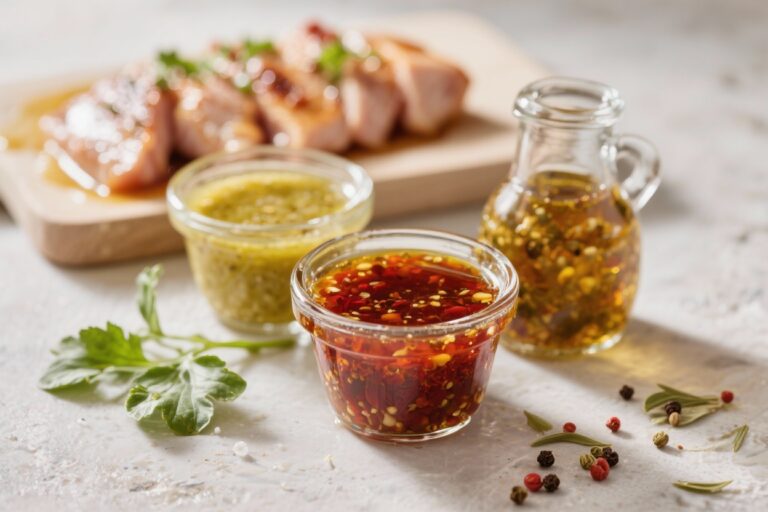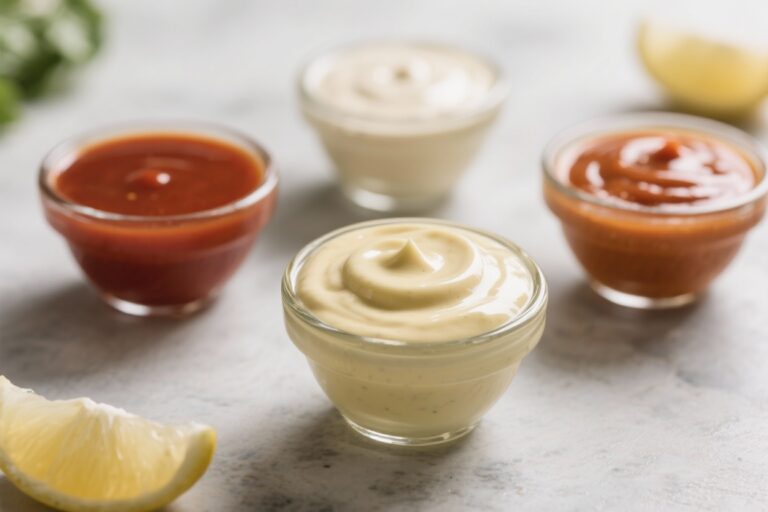
How to Make Food Taste Better – Simple Tips That Work
Good food isn’t just about fancy techniques or rare ingredients. It’s mostly about a few smart habits that make everyday meals taste brighter, richer, and more satisfying. If your dishes feel flat or “just okay,” a couple of small tweaks can change everything.
Think seasoning with purpose, mastering heat, and balancing flavors. These are simple steps anyone can learn, and once you do, your cooking will instantly feel more confident and delicious.
What Makes This Special
This guide focuses on practical, repeatable moves you can use in any kitchen. No special tools, no chef-level skills.
Just clear methods for boosting flavor at every stage: from shopping to seasoning to finishing. You’ll learn how to layer flavor, use acid and salt correctly, and get more from your herbs and spices. The goal is simple: make whatever you already cook taste better—with less guesswork and more consistency.
Ingredients
- Kosher salt and flaky sea salt
- Freshly ground black pepper
- Acids: lemons, limes, apple cider vinegar, rice vinegar, balsamic
- Fats: extra-virgin olive oil, neutral oil (like avocado or canola), butter, ghee
- Aromatics: garlic, onions, shallots, scallions, ginger
- Fresh herbs: parsley, cilantro, basil, dill, thyme, rosemary
- Spices: cumin, smoked paprika, chili flakes, coriander, turmeric, cinnamon
- Umami boosters: soy sauce or tamari, miso, fish sauce, anchovies, tomato paste, Parmesan
- Sweetness adjusters: honey, maple syrup, brown sugar
- Texture add-ins: nuts, seeds, panko, toasted breadcrumbs
- Stock or broth: chicken, vegetable, or beef (low-sodium)
- Optional: yogurt, mustard, hot sauce, vinegar-based pickles
Instructions
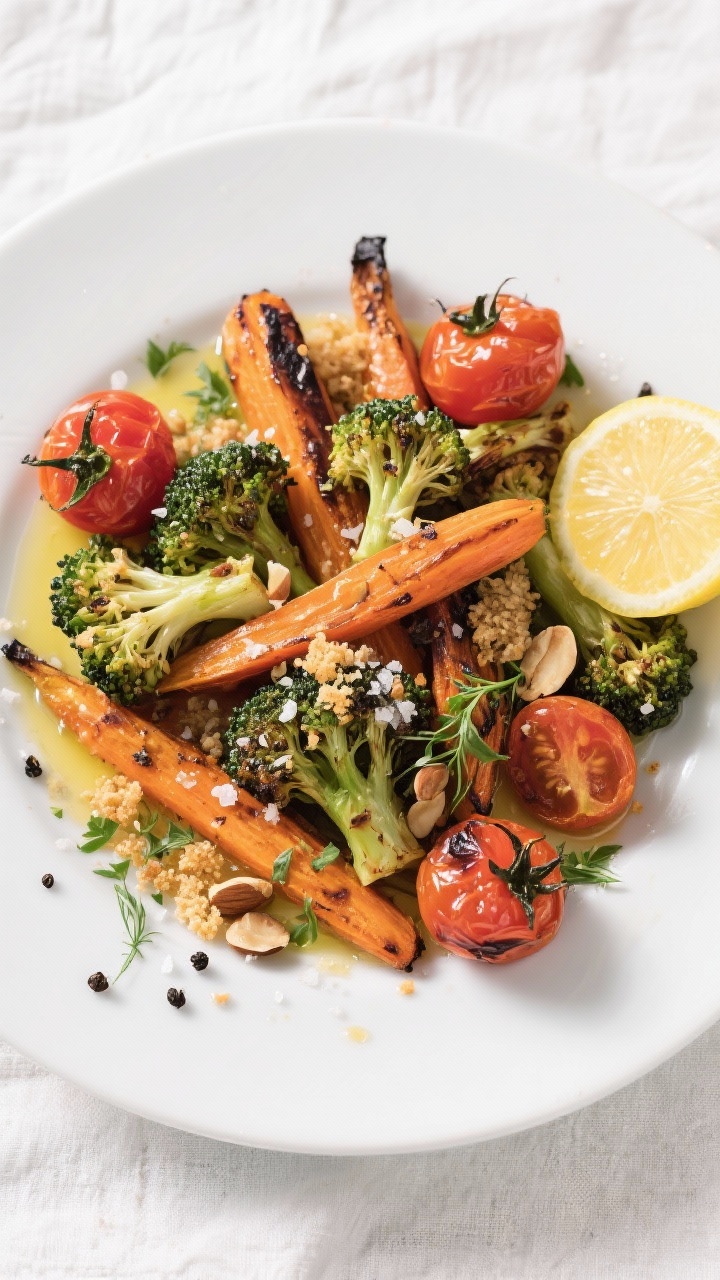
- Start with good basics. Use fresh produce, fresh herbs, and decent oils.Better starting ingredients mean you need to “fix” less later.
- Season early and in layers. Salt proteins and vegetables before cooking so seasoning penetrates. Taste as you go and adjust at the end.
- Use the right salt. Kosher salt dissolves evenly and is easier to control. Use a pinch of flaky sea salt at the end for crunch and a flavor pop.
- Balance with acid. If a dish tastes dull or heavy, add a squeeze of lemon or a splash of vinegar.Acid wakes up flavors without adding salt.
- Build umami. Add a spoon of tomato paste, a dash of soy sauce, or a grate of Parmesan to deepen savory flavors, especially in sauces, stews, and roasted dishes.
- Control your heat. Preheat your pan properly. High heat for searing and browning, low and slow for tender results. Browning equals flavor.
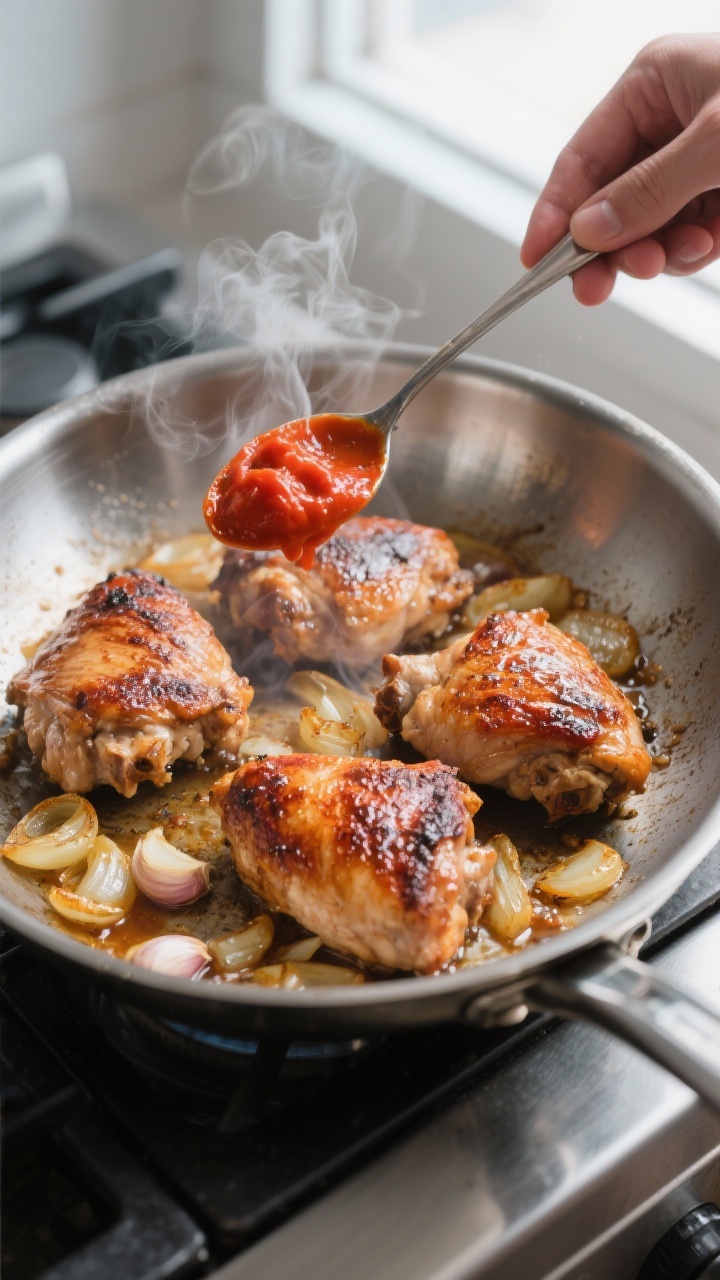
- Toast spices and brown aromatics. Warm dry spices in a pan until fragrant before adding liquids.Sauté onions, garlic, or tomato paste until lightly browned to release depth.
- Use fat for flavor and texture. A bit of butter or olive oil at the end gives sheen and rounds out acidity. Don’t drown a dish—use just enough to coat.
- Layer fresh herbs. Add woodier herbs (thyme, rosemary) early in cooking. Add tender herbs (parsley, basil, cilantro, dill) near the end for brightness.
- Play with texture. Add toasted nuts, seeds, or crispy breadcrumbs on top.Contrast—creamy with crunchy, soft with crisp—makes each bite more interesting.
- Finish like a pro. Taste before serving and adjust: a pinch of salt, a squeeze of lemon, a swirl of butter or olive oil, fresh herbs, or a crack of pepper.
- Use sweetness wisely. A tiny drizzle of honey or a pinch of sugar can balance bitterness or acidity in dressings, sauces, and roasted veggies.
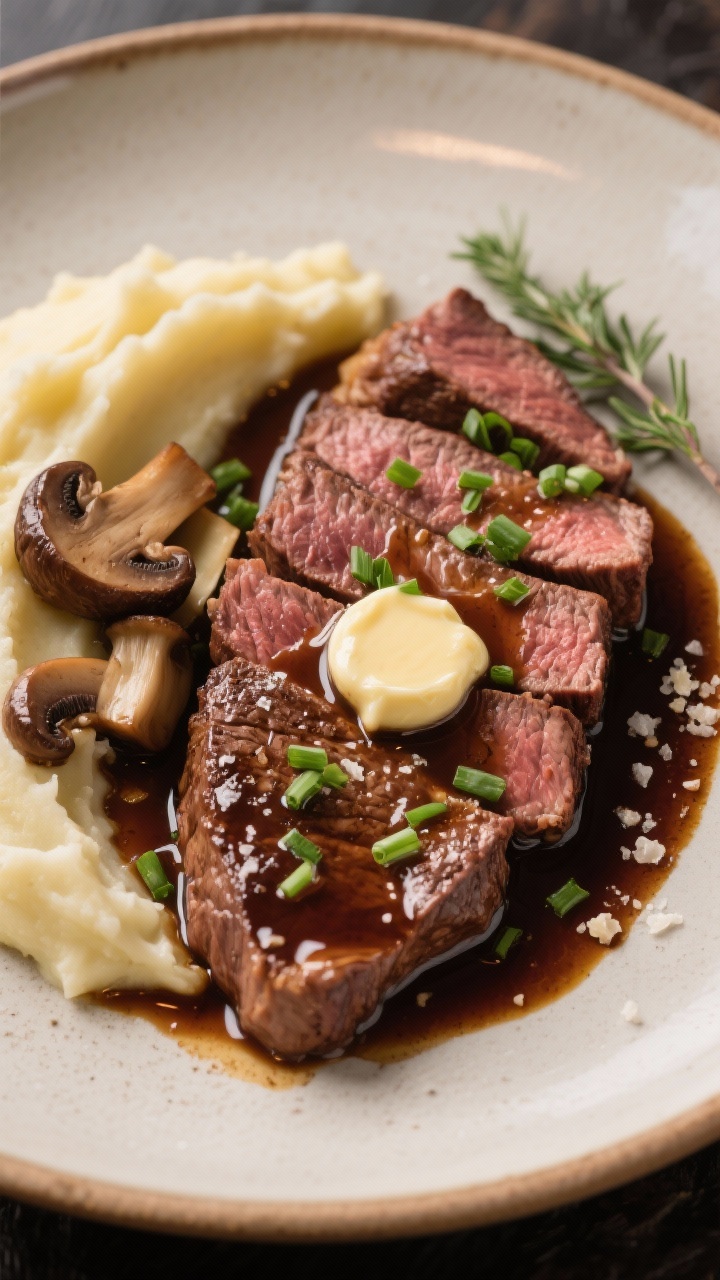
- Deglaze the pan. After searing, splash in stock, wine, or water and scrape up the browned bits. That quick pan sauce packs serious flavor.
- Rest proteins. Let cooked meat or fish rest a few minutes before slicing. Juices redistribute, keeping the texture moist and the flavor intact.
- Taste with intention. Ask: Is it too salty, flat, bitter, bland, or heavy?Then fix accordingly—acid for flat or heavy, salt for bland, sweetness or dairy for bitter.
How to Store
- Herbs: Wrap tender herbs in a damp paper towel and store in a bag in the fridge. For hardy herbs, stand stems in a jar of water, cover loosely, and chill.
- Spices: Keep in airtight containers away from heat and light. Whole spices last longer; grind small amounts as needed.
- Oils and fats: Store oils in a cool, dark place.Keep butter wrapped; freeze extra sticks to preserve freshness.
- Umami boosters: Miso and fish sauce keep well in the fridge. Tomato paste can be frozen in teaspoon portions.
- Leftovers: Cool quickly and refrigerate in shallow containers. Reheat gently with a splash of water or stock to revive texture and moisture.
Health Benefits
- Better control over salt and sugar: When you season with intent and use acid for brightness, you can rely less on sodium and added sweeteners.
- More variety and nutrients: Using herbs, spices, and aromatics increases antioxidant intake and encourages more vegetables in your meals.
- Balanced fats: Choosing olive oil and moderating butter keeps flavor high while supporting heart health.
- Mindful portions: Food that actually tastes satisfying can reduce overeating because each bite feels more rewarding.
- Less reliance on ultra-processed extras: When you can create flavor at home, you need fewer packaged sauces and mixes with additives.
Pitfalls to Watch Out For
- Over-salting early: Salt gradually and taste as you go.If you overdo it, add unsalted stock, a splash of vinegar, or a starchy side to balance.
- Weak browning: Crowding the pan steams food. Cook in batches, leave space, and let surfaces make contact with the heat.
- Burning spices or garlic: They turn bitter fast. Toast spices briefly and cook garlic on medium heat, adding liquids before it browns too dark.
- One-note seasoning: Salt alone won’t fix a flat dish.Think in “triads”: salt, acid, and fat. Add umami if it still needs depth.
- Overcomplicating flavors: Too many ingredients can muddy the taste. Keep a clear idea of the dish’s main notes and support them.
Alternatives
- Low-sodium approach: Use more herbs, toasted spices, citrus zest, and vinegars.Umami from mushrooms, miso, or Parmesan adds depth without piling on salt.
- Dairy-free richness: Use olive oil, tahini, coconut milk, or cashew cream instead of butter or cream.
- Vegetarian umami: Try miso, soy sauce, dried mushrooms, mushroom powder, tomato paste, or nutritional yeast instead of anchovies or fish sauce.
- No fresh herbs on hand: Use dried herbs early in cooking and finish with lemon juice or zest for freshness.
- Gluten-free texture: Swap panko for crushed rice cakes, puffed rice, or toasted nuts and seeds for crunch.
FAQ
How do I fix a bland soup or sauce?
Add salt in small pinches, then brighten with a splash of vinegar or lemon. If it still tastes flat, add umami: soy sauce, miso, or Parmesan rind. A pat of butter can round it out at the end.
What if my dish is too salty?
Dilute with unsalted stock or water, then rebalance with acid.
Serve with plain rice, potatoes, or bread to spread out the saltiness.
How can I make vegetables taste better?
Roast them at high heat for caramelized edges, then finish with olive oil, lemon, and flaky salt. Add a sprinkle of herbs or toasted nuts for extra punch.
Do I really need fresh herbs?
They’re not mandatory, but they make a big difference. If you only buy one, choose parsley—it’s versatile and brightens almost anything.
What’s the best oil for everyday cooking?
Use a neutral, high-heat oil for searing (like avocado or canola) and extra-virgin olive oil for finishing and low to medium heat cooking.
How do I know when the pan is hot enough?
For stainless steel, add a drop of water—it should dance and sizzle.
For cast iron, preheat until you feel steady heat when holding your hand a few inches above.
Why does acid help so much?
Acid sharpens flavors and cuts through richness. It helps tastes feel more defined, so the dish seems livelier without adding heaviness.
Can sweetness belong in savory dishes?
In small amounts, yes. A little honey or brown sugar can balance bitterness or acidity, especially in sauces, dressings, and roasted vegetables.
How do I avoid dry chicken or steak?
Season ahead, don’t overcook, and let it rest.
Use a thermometer for accuracy and finish with a sauce or pan juices to keep it juicy.
What’s one change that makes the biggest difference?
Taste repeatedly and adjust just before serving. That final tweak—salt, acid, fat, herbs—takes a dish from fine to great.
Wrapping Up
Making food taste better isn’t about memorizing recipes. It’s about building a few habits: season thoughtfully, balance with acid, create texture, and finish with intention.
Keep these tools nearby—salt, citrus, herbs, umami—and use them with confidence. With a little practice, your everyday meals will feel brighter, deeper, and more satisfying. Small changes, big flavor.
Printable Recipe Card
Want just the essential recipe details without scrolling through the article? Get our printable recipe card with just the ingredients and instructions.