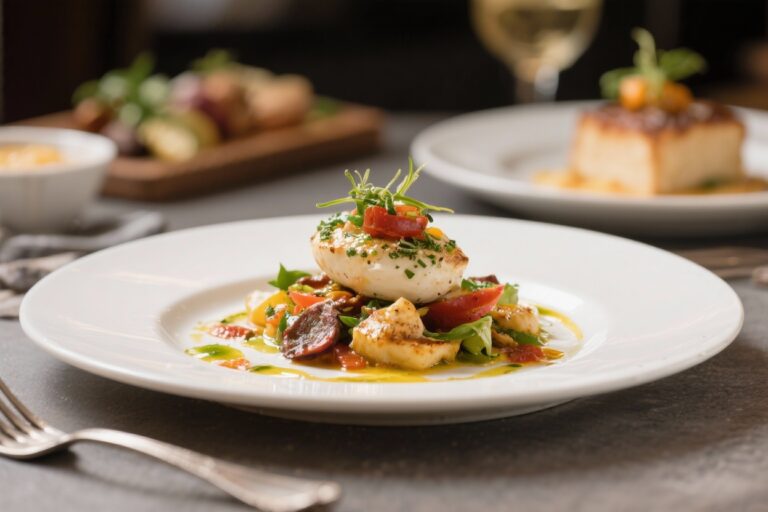
Kitchen Hacks For Busy People – Simple Tricks To Save Time And Stress
Kitchen Hacks For Busy People – Simple Tricks To Save Time And Stress
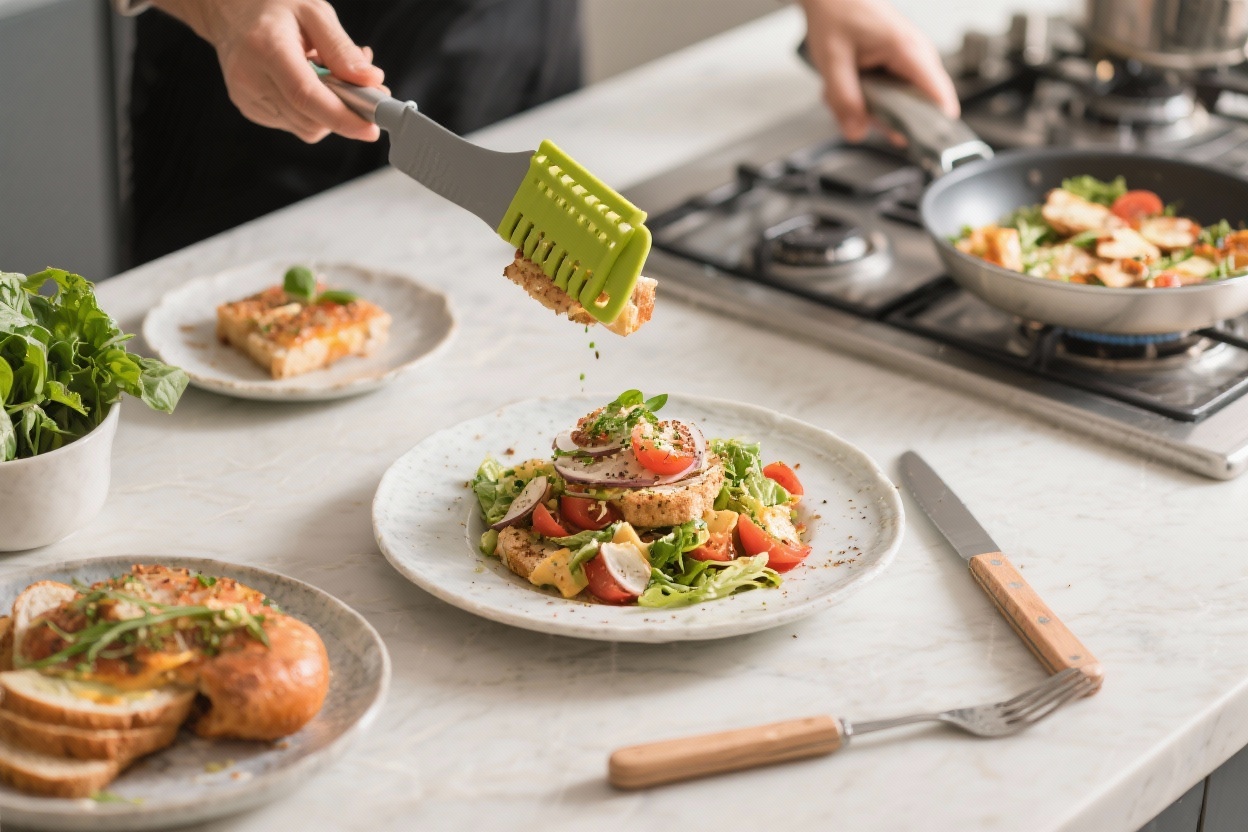
If your days are packed and cooking feels like one more thing on your to-do list, you’re not alone. The good news: a few smart kitchen tricks can cut your time in half without sacrificing flavor or nutrition. These hacks help you cook faster, clean less, and eat better. They’re practical, simple, and easy to add to your routine. No fancy gadgets or chef-level skills required—just a little planning and a few small habits that make a big difference.
What Makes This Special
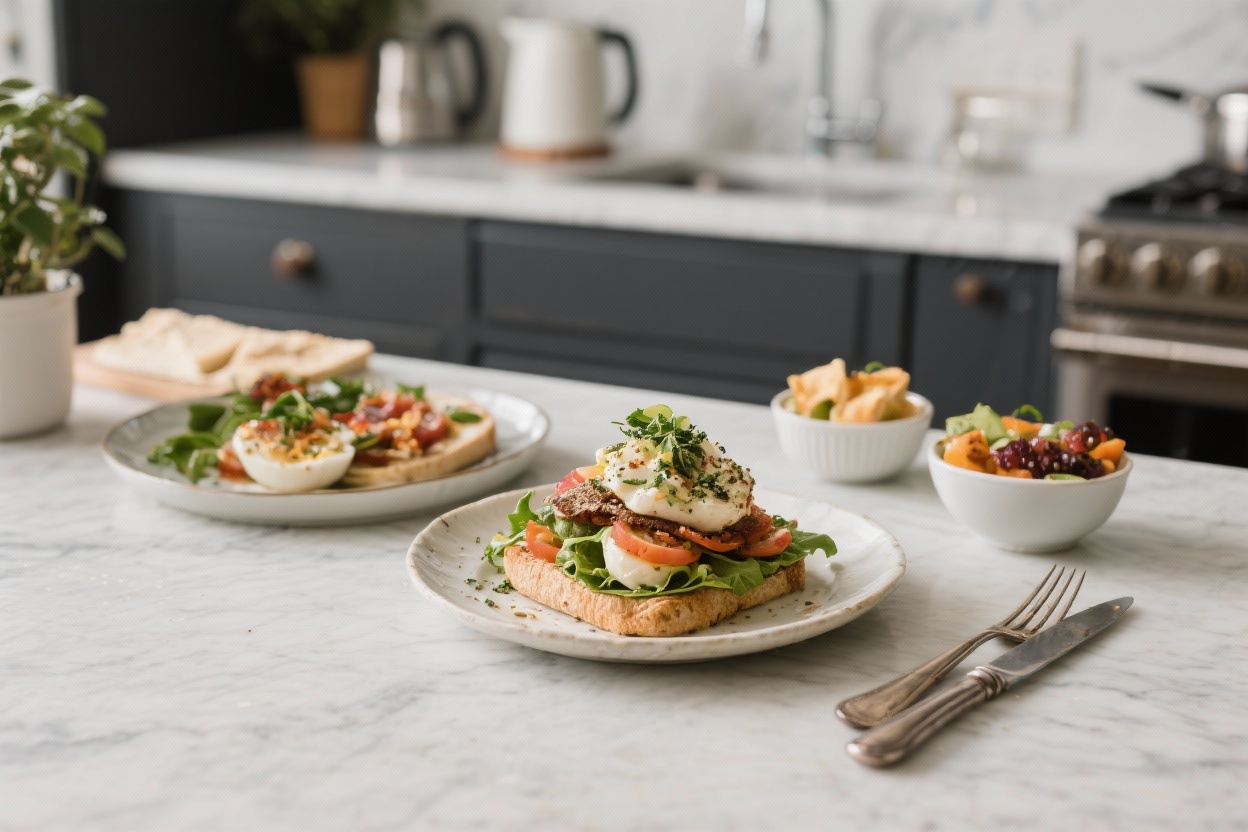
Kitchen hacks for busy people – Kitchen Hacks For Busy People – Simple Tricks To Save Time And Stress If your days are packed and co
This isn’t about complicated meal prep or unrealistic routines. It’s about practical shortcuts you can actually keep up with. From batch-cooking staples to using your freezer like a tool, these tips turn weeknight chaos into manageable meals. You’ll save time, reduce food waste, and make cooking feel lighter and more doable.
- Fast, flexible, realistic: Use what you have and keep it simple.
- Minimal cleanup: One-pan and sheet-pan ideas save your sink and your sanity.
- Budget-friendly: Use inexpensive staples and stretch what you cook.
- Health-forward: Easy ways to boost protein, fiber, and veggies without extra effort.
Ingredients
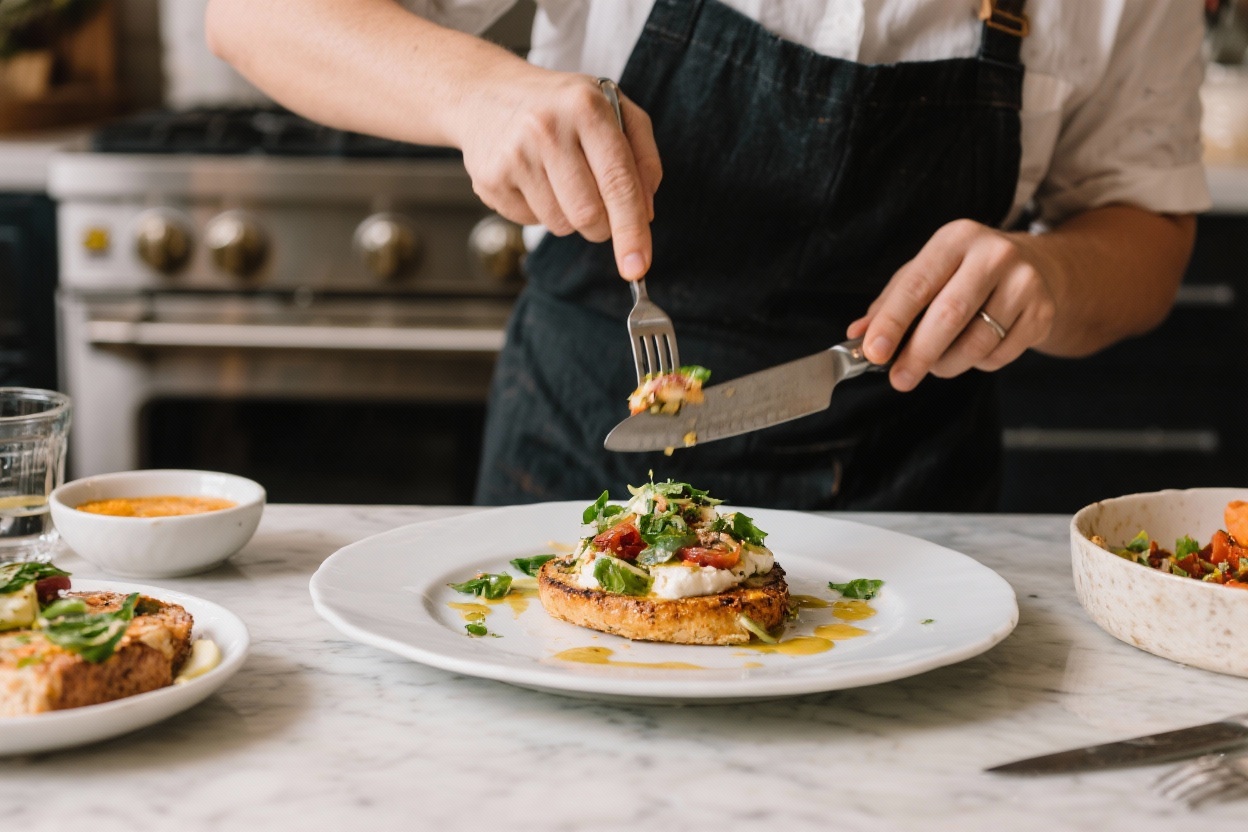
Kitchen hacks for busy people – The good news: a few smart kitchen tricks can cut your time in half without sacrificing flavor or nu
Think of this as your “busy-person pantry” list. Mix and match these to build quick, balanced meals all week.
- Proteins: Rotisserie chicken, canned tuna or salmon, eggs, pre-cooked chicken sausage, tofu, canned beans (black, chickpeas, cannellini), frozen shrimp.
- Grains and bases: Microwaveable rice and quinoa packets, whole wheat pasta, couscous, pre-cooked polenta, tortillas, naan.
- Veggies: Frozen mixed vegetables, frozen spinach, baby greens, cherry tomatoes, pre-cut veggies, canned tomatoes, jarred roasted red peppers.
- Flavor boosters: Jarred pesto, salsa, soy sauce, hot sauce, curry paste, garlic powder, onion powder, Italian seasoning, everything bagel seasoning, lemon juice, vinegar.
- Dairy and extras: Greek yogurt, feta or shredded cheese, hummus, olive oil, eggs, nuts and seeds.
- Freezer-friendly add-ons: Cooked rice, cooked shredded chicken, frozen herb cubes (blend herbs with olive oil and freeze), portioned soup.
Instructions
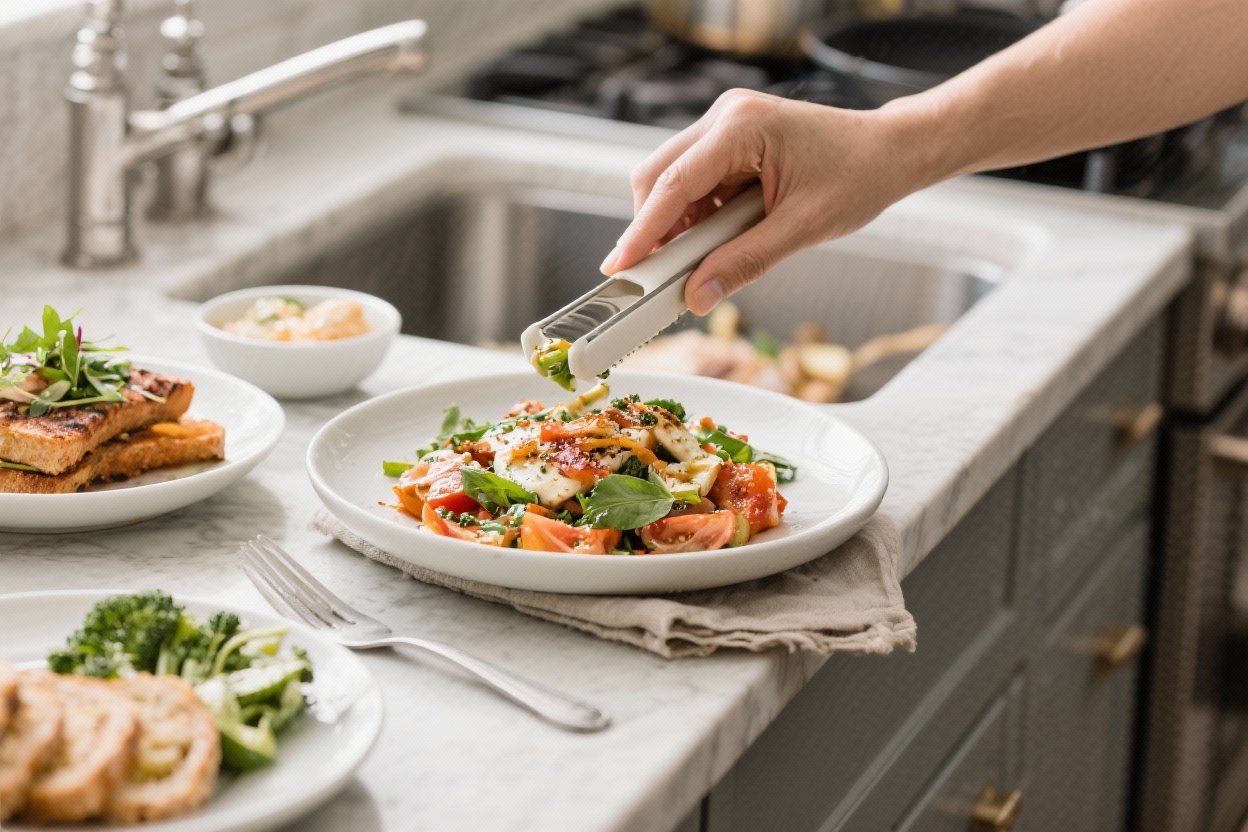
Kitchen hacks for busy people – These hacks help you cook faster, clean less, and eat better
- Build a 10-minute meal formula: Choose a base (rice, tortillas, pasta), add a protein (beans, eggs, rotisserie chicken), toss in a vegetable (frozen mix or baby greens), and finish with a flavor booster (pesto, salsa, soy sauce). Keep this structure on a sticky note in your kitchen.
- Cook once, use thrice: On your least busy day, make a double batch of one staple—like shredded chicken, roasted veggies, or a pot of quinoa. Portion into containers for three different meals (burrito bowls, salads, wraps).
- Sheet-pan shortcut: Toss chopped veggies and protein with olive oil and seasoning on a sheet pan. Roast at 425°F (220°C) for 20–25 minutes. Use for bowls, pasta, or stuffed pitas over two to three days.
- Use the freezer like a toolbox: Freeze individual portions of rice, soup, and cooked proteins. Label with the name and date. Reheat straight from frozen for instant meals.
- Pre-cook your aromatics: Sauté a big batch of onions, garlic, and peppers on the weekend. Store in the fridge to fast-track stir-fries, omelets, and sauces.
- Five-minute sauces save dinners: Stir together Greek yogurt, lemon, and garlic powder for a quick sauce. Or mix soy sauce, honey, and a splash of vinegar. Keep two go-to sauces in your fridge at all times.
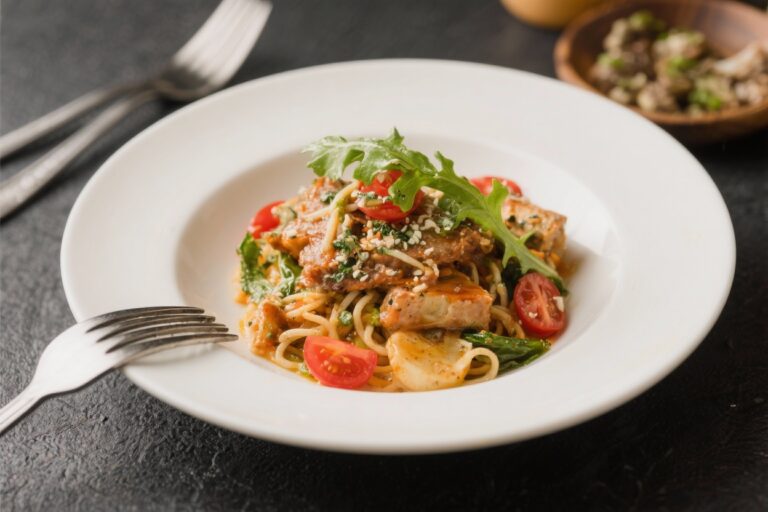
- One-pot pasta trick: Simmer pasta in broth with diced tomatoes, garlic powder, and spinach. Stir in a protein at the end (canned beans or cooked sausage). Fewer dishes, more flavor.
- Eggs are your emergency button: Scramble eggs with spinach and salsa, or fry eggs to top rice bowls or noodles. Protein-rich, fast, and reliable.
- Lean on convenience items: Pre-washed greens, microwaveable grains, and frozen vegetables are worth it. Use them guilt-free for speed and consistency.
- Make snack boxes: Build grab-and-go boxes with hummus, veggies, cheese, nuts, and fruit. These save you from last-minute fast food runs.
- Repurpose leftovers creatively: Turn roasted chicken into tacos on day two and soup on day three. Cook once, enjoy different meals.
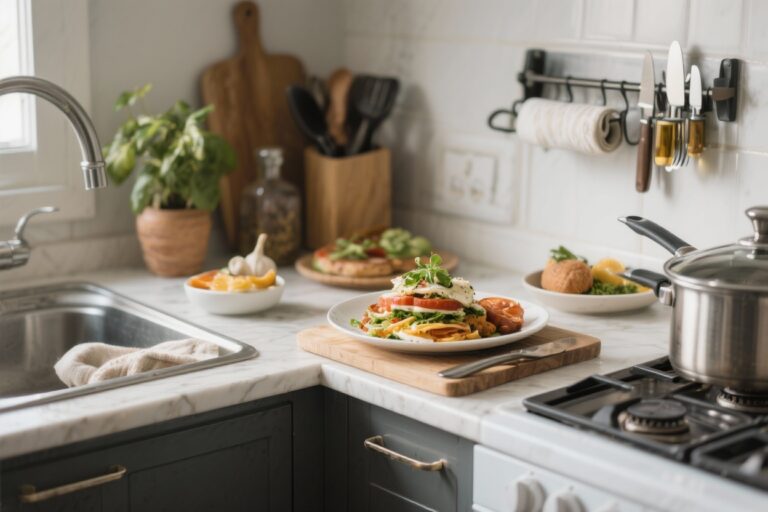
- Clean as you cook: Keep a “scrap bowl” on the counter for peels and wrappers. Load the dishwasher while things roast or simmer.
Storage Instructions
- Fridge: Store cooked grains, proteins, and roasted veggies in airtight containers for 3–4 days. Keep sauces in small jars to avoid soggy meals.
- Freezer: Portion soups, chili, rice, and shredded chicken in flat, labeled freezer bags for up to 3 months. Freeze herbs in olive oil cubes to add quick flavor.
- Smart labeling: Use painter’s tape and a marker to label contents and dates. This prevents mystery containers and reduces waste.
- Reheating: Add a splash of water or broth to rice and pasta before microwaving to avoid dryness. Stir halfway through heating.
Health Benefits
- Balanced meals made easy: The base-protein-veg formula helps you hit protein and fiber targets without thinking too hard.
- Better portion control: Pre-portioned meals reduce overeating and improve consistency.
- Less reliance on takeout: Quick home-cooked options lower sodium and saturated fat compared to most fast food.
- More plants, more nutrients: Frozen veggies and canned beans are nutrient-dense and budget-friendly, supporting gut health and energy.
What Not to Do
- Don’t overcomplicate: Skip recipes with long ingredient lists on busy nights. Stick to 5–7 ingredients.
- Don’t ignore labeling: Unlabeled containers lead to waste and guesswork. Date everything.
- Don’t batch-cook foods you dislike: You won’t eat them. Choose staples you actually enjoy.
- Don’t store everything together: Keep sauces and crunchy toppings separate to maintain texture.
- Don’t forget safety: Cool hot food before refrigerating, and reheat leftovers to a safe temperature. When in doubt, throw it out.
Recipe Variations
- 5-minute pesto bowls: Microwave rice, stir in pesto, add rotisserie chicken and cherry tomatoes. Top with a sprinkle of cheese.
- Sheet-pan fajitas: Toss sliced peppers, onions, and chicken sausage with chili powder and olive oil. Roast and serve in tortillas with yogurt-lime sauce.
- Speedy stir-fry: Sauté frozen veggies with soy sauce and garlic powder. Add tofu or shrimp. Serve over quinoa or noodles.
- Egg and greens toast: Pile sautéed spinach on whole-grain toast, top with a fried egg and hot sauce. Breakfast, lunch, or dinner.
- Chickpea salad wraps: Mix chickpeas with lemon, olive oil, garlic powder, and chopped roasted red peppers. Wrap with greens in a tortilla.
- Tomato-white bean soup: Simmer canned tomatoes, broth, garlic powder, and Italian seasoning. Stir in white beans and spinach. Serve with toast.
FAQ
How do I start if I’m completely overwhelmed?
Pick one hack and use it for a week—like the base-protein-veg formula or a weekly sheet-pan dinner. Once that feels easy, add another. Small steps stick.
Are frozen vegetables as healthy as fresh?
Yes. They’re frozen at peak ripeness and often have equal or better nutrient levels. They’re also cheaper and create less waste.
What’s the best protein to keep on hand?
Rotisserie chicken, eggs, canned beans, and tofu are versatile and quick. They work across bowls, wraps, salads, and soups.
How can I make food taste better without much effort?
Use bold, simple flavor boosters: pesto, salsa, soy sauce, lemon, and spice blends. A squeeze of acid (lemon or vinegar) at the end brightens everything.
How do I avoid soggy leftovers?
Store components separately when possible. Keep sauces in small containers and add right before eating. Reheat gently with a splash of water or broth.
What if I don’t have time to cook at all?
Assemble instead of cook: microwave grains, open a can of beans, toss with greens and a sauce. Add nuts or seeds for crunch. It’s fast and balanced.
How long can I keep batch-cooked food?
Most cooked grains, proteins, and veggies last 3–4 days in the fridge. Freeze portions you won’t use by day three to keep them fresh.
Do I need special tools?
No. A sheet pan, a large skillet, a pot, and a sharp knife cover 90% of meals. If you add one tool, get microwave-safe containers with tight lids.
Final Thoughts
Cooking during a busy week doesn’t have to feel like a chore. With a few go-to ingredients, simple formulas, and smart storage, you can eat well without spending hours in the kitchen. Start small, build your routine, and keep it flexible. Your future self—tired, hungry, and ready to eat—will thank you.
Printable Recipe Card
Want just the essential recipe details without scrolling through the article? Get our printable recipe card with just the ingredients and instructions.