Low Calorie Dinner Recipes – Simple, Satisfying, and Weeknight-Friendly
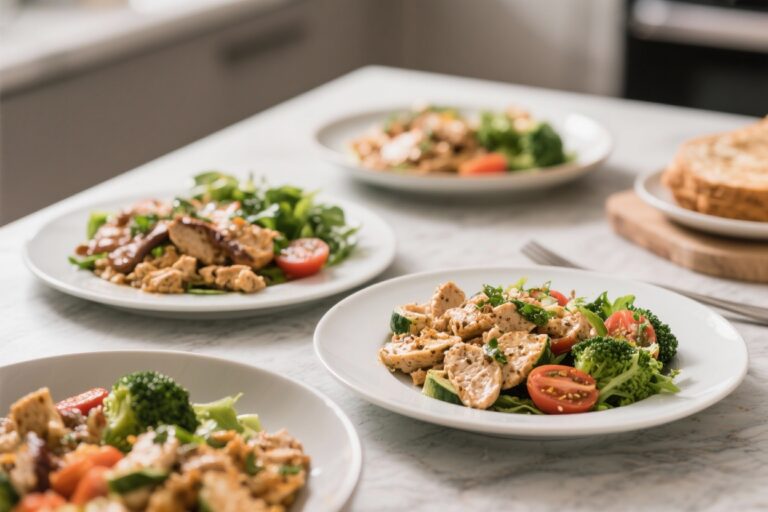
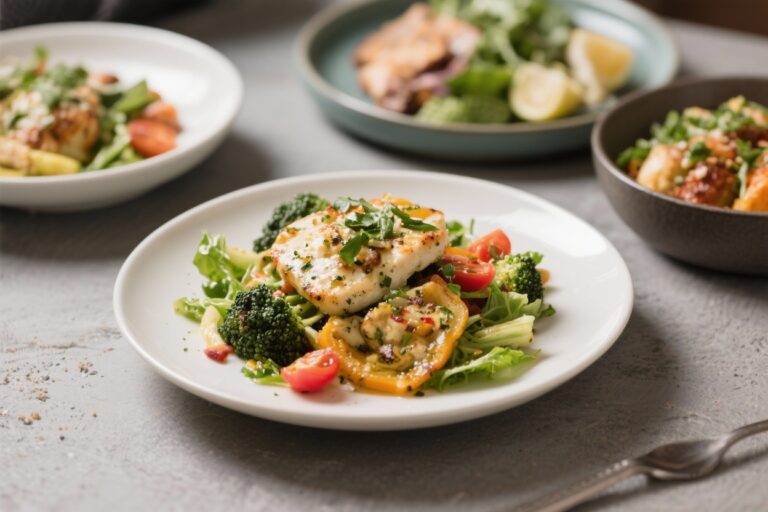
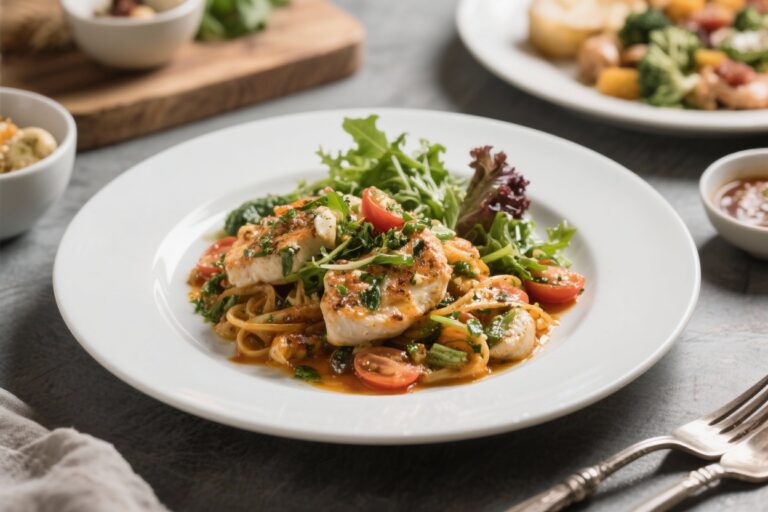
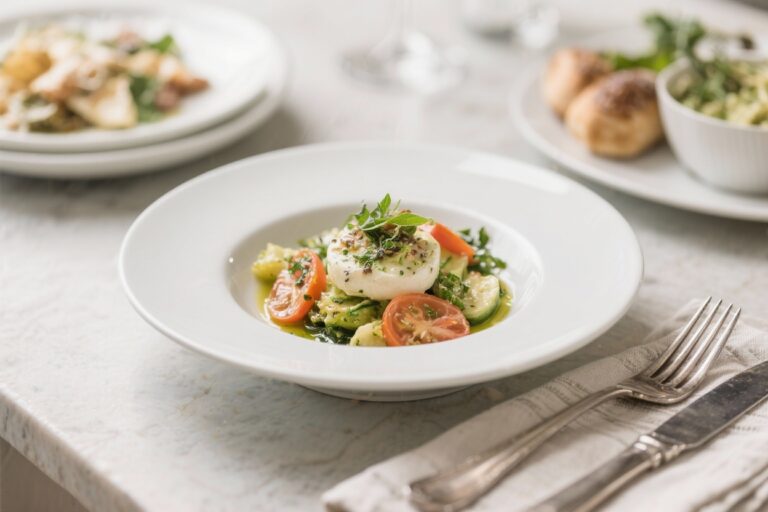
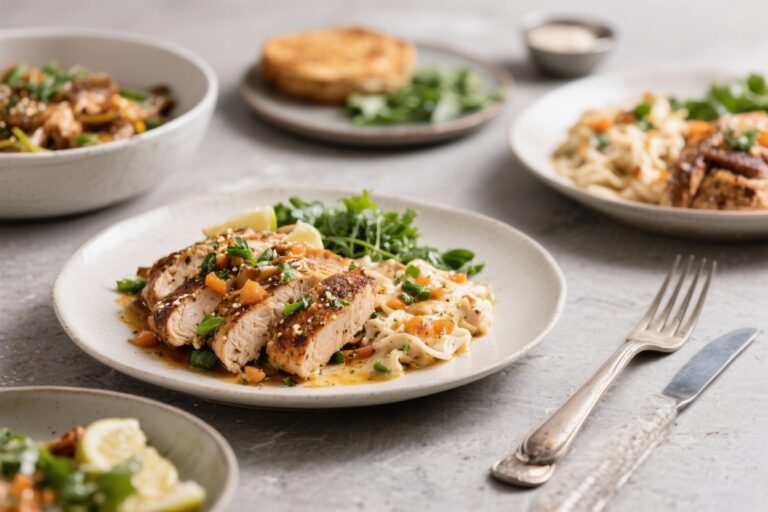
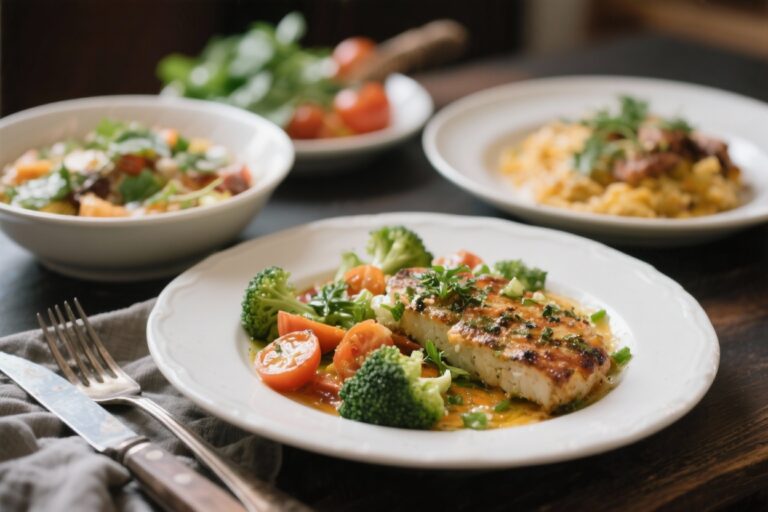
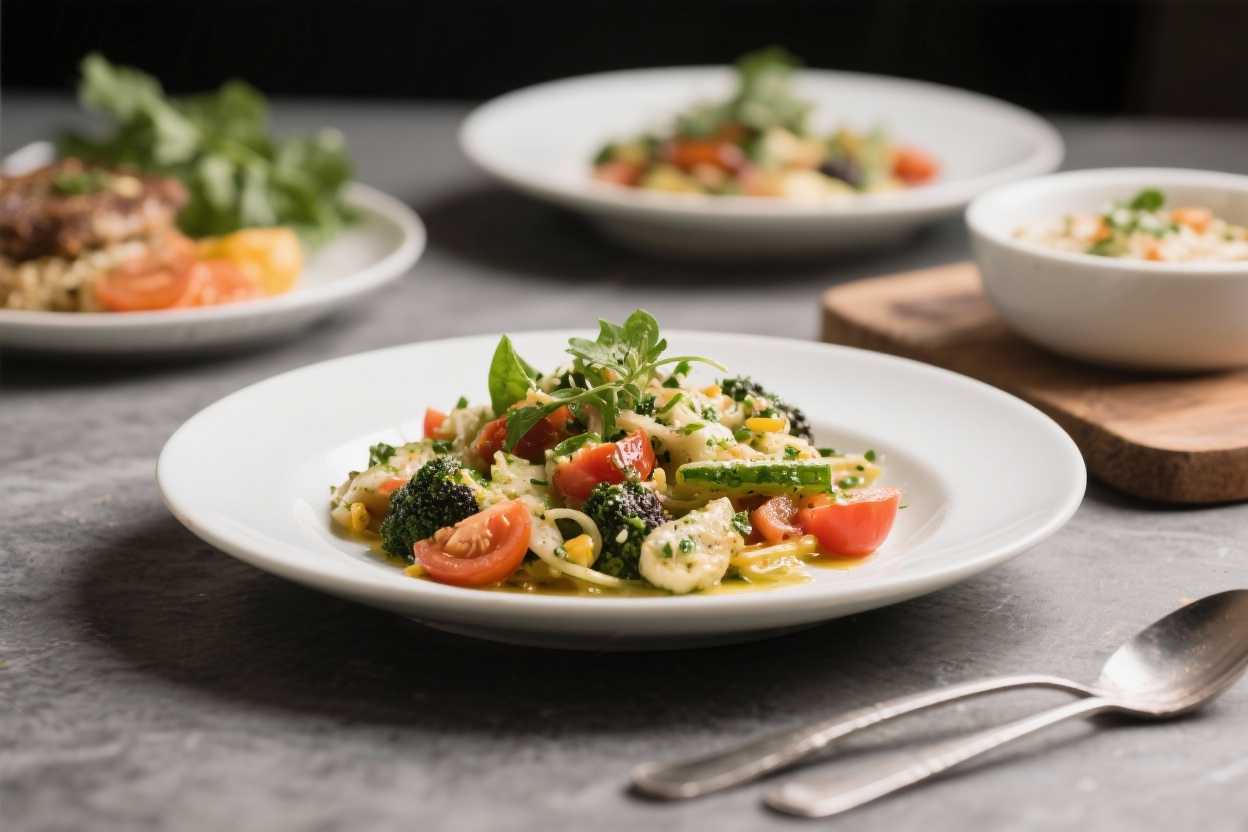
Eating lighter at night doesn’t mean settling for bland or skimpy meals. With a few smart swaps and a focus on big flavors, you can build dinners that leave you satisfied without weighing you down. This guide walks you through a balanced low calorie dinner formula you can repeat all week, plus a few tasty variations.
Everything uses simple ingredients, basic techniques, and minimal cleanup. You’ll find this approach easy to stick with—and easy to love.
What Makes This Special
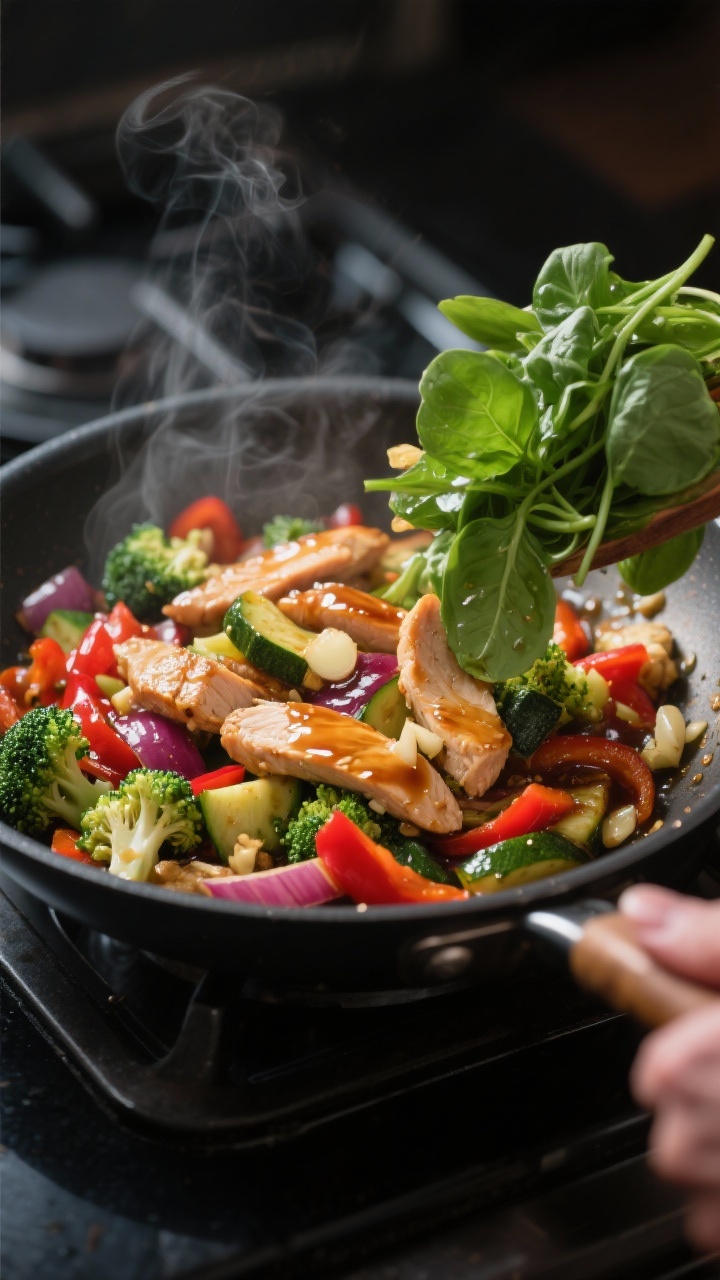
This isn’t just one recipe—it’s a flexible dinner blueprint built around lean protein, lots of vegetables, and a flavorful, low-calorie sauce. You’ll get one main example to follow, then several variations so you can keep things fresh.
The portions are generous, the cooking time is reasonable, and the ingredients are easy to find. Most importantly, the meals taste great without relying on heavy creams, excess oil, or added sugar.
Ingredients
Below is a base list for one weeknight-friendly low calorie dinner (serves 4), plus optional add-ons for variations.
- Protein: 1.5 pounds boneless, skinless chicken breasts (or thighs trimmed of fat)
- Vegetables: 1 large red bell pepper, 1 medium zucchini, 1 small red onion, 2 cups broccoli florets, 2 cups baby spinach
- Aromatics: 3 cloves garlic, 1-inch piece fresh ginger (optional but recommended), 2 green onions
- Sauce Basics: Low-sodium soy sauce or tamari, rice vinegar or apple cider vinegar, chili flakes or sriracha, honey or maple syrup, cornstarch
- Cooking Fats: Olive oil or avocado oil spray
- Carb Base (choose one): 2 cups cooked cauliflower rice, 1 cup dry quinoa, or 8 ounces shirataki noodles
- Finishing Touches: Lime or lemon, toasted sesame seeds, fresh cilantro
- Optional Variations: Firm tofu, shrimp, turkey breast, mushrooms, snap peas, cherry tomatoes, spinach or kale, low-fat Greek yogurt, canned chickpeas
Instructions

- Prep the protein: Slice chicken into thin strips. Pat dry with paper towels.Season lightly with salt and pepper. This helps it cook quickly and stay tender.
- Mix the sauce: In a small bowl, combine 3 tablespoons low-sodium soy sauce, 1 tablespoon rice vinegar, 1 teaspoon honey, 1 teaspoon sriracha (optional), 1 teaspoon cornstarch, and 2 tablespoons water. Whisk until smooth.
- Chop the vegetables: Cut bell pepper and zucchini into thin strips, slice red onion, and chop broccoli into small florets.Mince 3 cloves garlic and grate the ginger.
- Cook the base: If using quinoa, start it now according to package directions. If using cauliflower rice, microwave or sauté with a light oil spray and a pinch of salt. Keep warm.
- Sear the chicken: Heat a large nonstick skillet or wok over medium-high.Lightly coat with oil spray. Add chicken in a single layer and cook 4–6 minutes, stirring once or twice, until just cooked through. Transfer to a plate.
- Sauté the veg: Re-spray the pan if needed.Add onion and broccoli first; cook 2–3 minutes. Add bell pepper and zucchini; cook 2–3 minutes more. Stir in garlic and ginger for 30 seconds until fragrant.
- Combine and sauce: Return chicken to the pan.Stir the sauce and pour it in. Toss for 1–2 minutes until the sauce thickens and coats everything. Fold in baby spinach at the end to wilt.
- Taste and adjust: Add a squeeze of lime, extra chili for heat, or a splash of soy for salt.Sprinkle sliced green onions and sesame seeds.
- Serve: Spoon over cauliflower rice, quinoa, or shirataki noodles. Keep portions generous with vegetables to stay low calorie but filling.
Keeping It Fresh
Meal prep makes low calorie eating easier. Store portions in airtight containers for up to 4 days.
Keep the base separate (quinoa, cauliflower rice, or noodles) to avoid sogginess. Reheat gently on the stove or in the microwave with a splash of water to loosen the sauce. Add fresh herbs or a squeeze of citrus just before serving for a bright finish.
Benefits of This Recipe
- High volume, low calorie: Lots of vegetables add bulk and fiber without many calories, keeping you full.
- Protein-forward: Lean proteins help maintain muscle and improve satiety.
- Flexible carbs: Choose the base that fits your goals—lower carb with cauliflower rice, or moderate with quinoa.
- Fast and simple: One pan, basic ingredients, and minimal fuss.
- Budget-friendly: Uses common produce and pantry staples.
Pitfalls to Watch Out For
- Too much oil: Extra oil adds calories fast.Use a nonstick pan and oil spray, or measure 1–2 teaspoons.
- Sugary sauces: Bottled sauces can be high in sugar. Make your own and sweeten lightly with honey or skip it.
- Overcooking the protein: Dry chicken means less satisfaction. Slice thin and cook just until done.
- Skipping seasoning: Low calorie doesn’t mean low flavor.Use acids (vinegar, citrus), aromatics, and spices generously.
- Undercooked veg: Tough broccoli or soggy zucchini can ruin the texture. Stagger cook times and aim for crisp-tender.
Recipe Variations
- Garlic-Lemon Shrimp: Swap chicken for 1.25 pounds shrimp. Sauté quickly with garlic, lemon zest, and chili flakes.Finish with parsley. Serve over zucchini noodles or cauliflower rice.
- Tofu and Mushroom Stir-Fry: Press firm tofu, cube, and sear until golden. Add mushrooms, snap peas, and bell peppers.Use the same sauce with a dash of sesame oil. Great over shirataki noodles.
- Turkey Taco Skillet: Brown 1 pound extra-lean ground turkey with taco seasoning (homemade to control sodium). Add diced tomatoes, bell pepper, and corn.Serve over cauliflower rice with a spoon of low-fat Greek yogurt and cilantro.
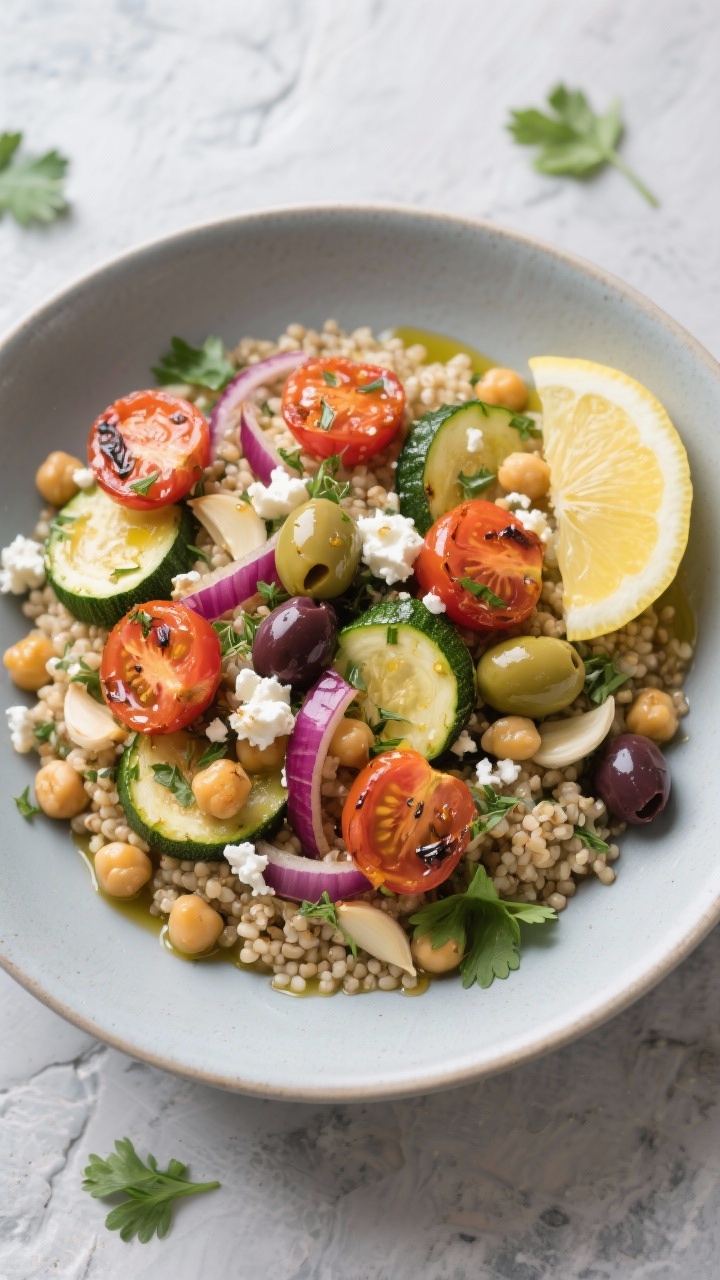
- Mediterranean Chickpea Bowl: Sauté cherry tomatoes, zucchini, and red onion. Add rinsed canned chickpeas, garlic, and oregano. Finish with lemon and chopped olives.Serve over quinoa with a sprinkle of feta.
- Ginger-Lime Salmon and Greens: Pan-sear salmon fillets with salt, pepper, and ginger. Steam broccoli and sauté spinach with garlic. Serve with a light lime-soy drizzle over cauliflower rice.
FAQ
How many calories are in a serving?
It depends on the protein and base.
As written with chicken and cauliflower rice, a serving typically lands around 300–400 calories. With quinoa, expect closer to 450–500, depending on portion sizes and oil used.
Can I make this gluten-free?
Yes. Use tamari or coconut aminos instead of soy sauce, and check labels on sriracha and cornstarch.
Most of the ingredients are naturally gluten-free.
What if I don’t like spicy food?
Skip the sriracha and chili flakes. Add flavor with garlic, ginger, lemon, or herbs. You can also use a pinch of smoked paprika or cumin for warmth without heat.
How do I keep the vegetables crisp?
Cut them evenly, cook over medium-high heat, and don’t overcrowd the pan.
Start with harder veggies like broccoli and onions, then add softer ones like zucchini and peppers.
Can I use frozen vegetables?
Absolutely. Thaw and pat dry if possible, or cook from frozen over higher heat to reduce water. Adjust cooking time so they stay crisp-tender.
What’s a good low calorie sauce alternative?
Try a quick mix of lemon juice, Dijon mustard, a splash of tamari, minced garlic, and a little water.
It’s bright, tangy, and very light.
How can I boost protein without adding many calories?
Add egg whites to stir-fries, stir in extra-lean ground turkey, or top bowls with low-fat Greek yogurt. Edamame and shrimp are also lean, high-protein options.
Is cornstarch necessary?
No, but it provides a glossy, light coating. You can skip it and keep the sauce thinner, or use half the amount.
Arrowroot works too.
What if I only have a small pan?
Cook in batches to avoid steaming. Sear the protein first, remove it, then cook vegetables in two rounds. Combine everything at the end with the sauce.
How long does this keep?
Up to 4 days in the fridge.
For best texture, store the base and the stir-fry separately. Reheat with a splash of water or broth until just warmed through.
Final Thoughts
Low calorie dinners are easiest when they’re flavorful, fast, and flexible. This recipe framework gives you all three, with plenty of room for your favorite proteins and produce.
Keep the oil measured, lean on herbs and acids for flavor, and pile on the veggies. With these habits, you’ll build satisfying meals that fit your goals and your schedule.
Printable Recipe Card
Want just the essential recipe details without scrolling through the article? Get our printable recipe card with just the ingredients and instructions.