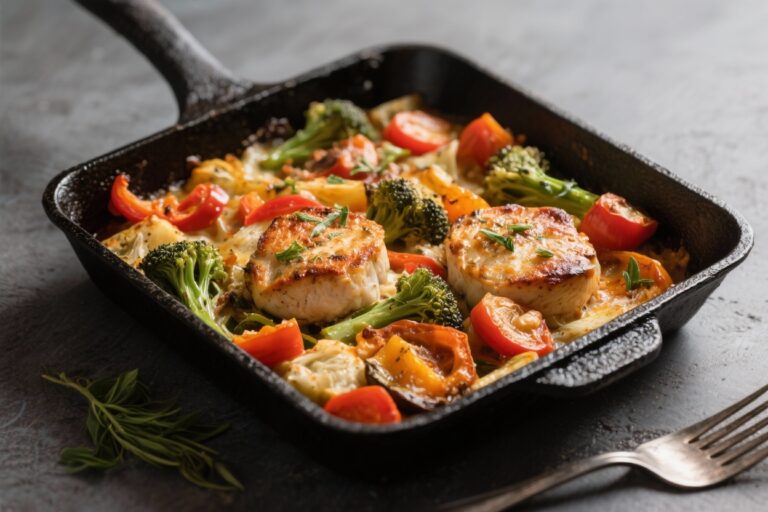
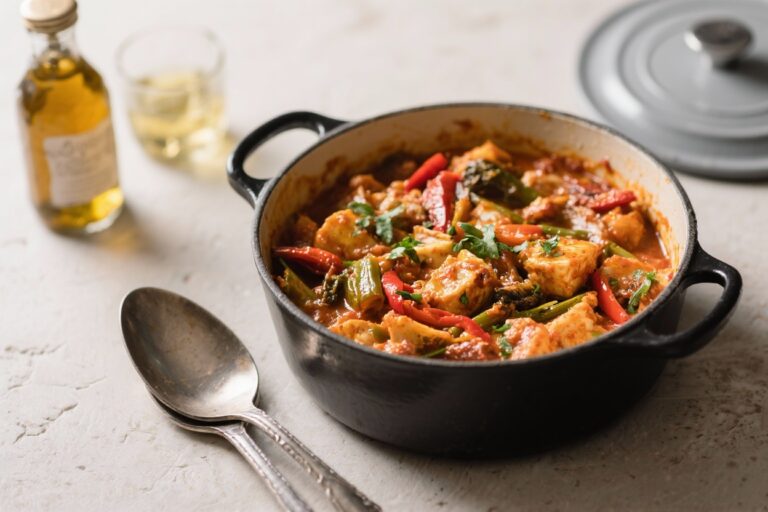
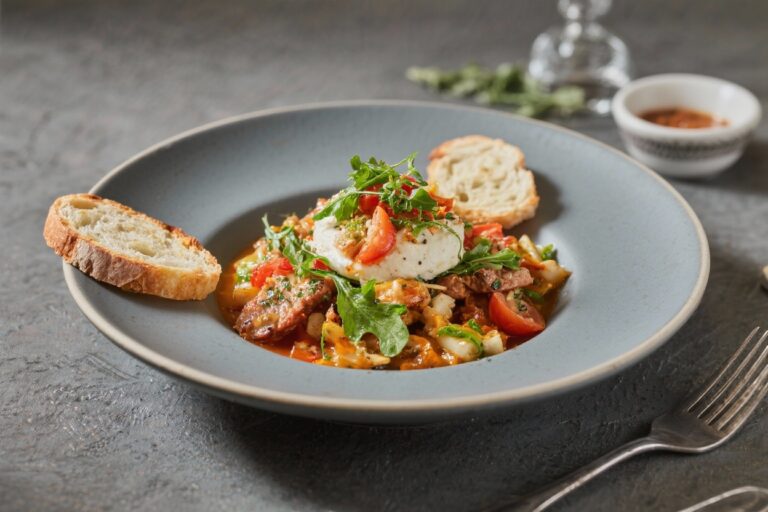
One Pot Meals With Rice – Easy, Flavorful, and Weeknight-Friendly
One Pot Meals With Rice – Easy, Flavorful, and Weeknight-Friendly
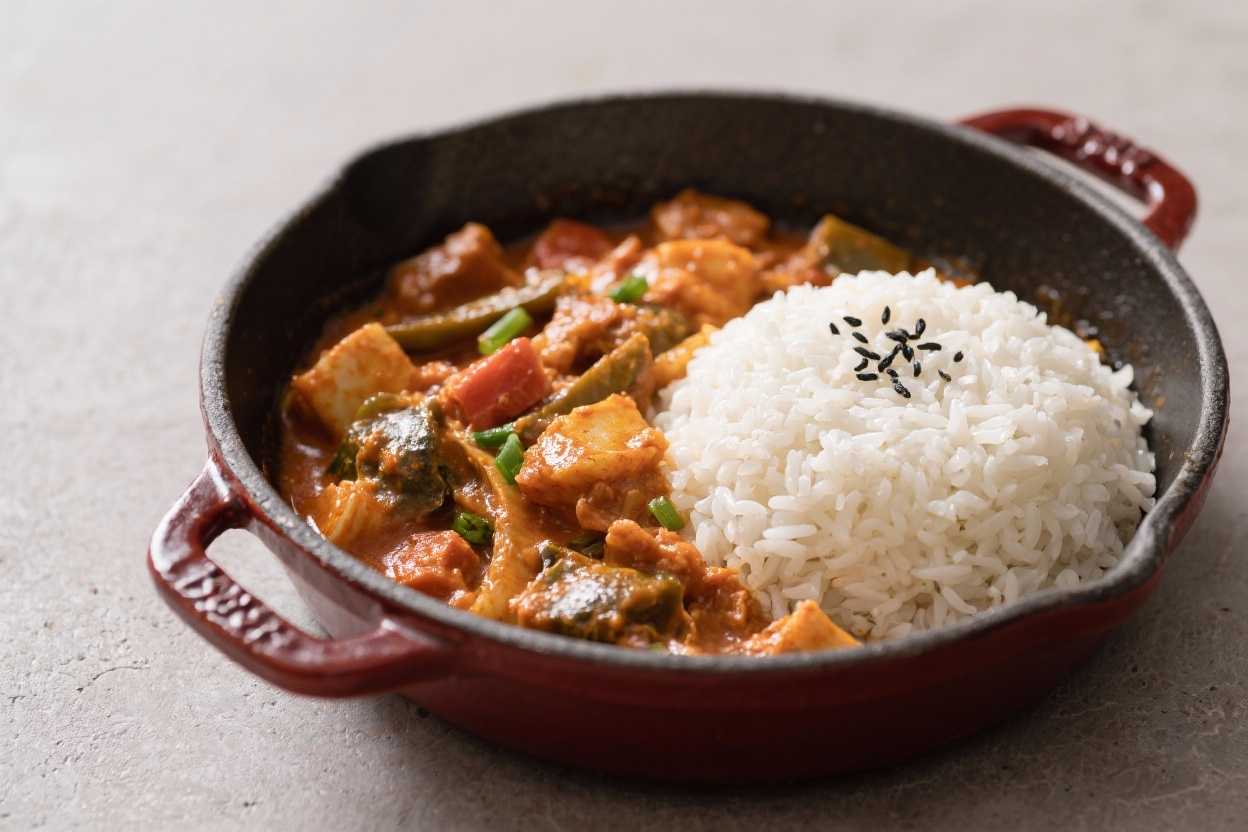
Rice is the quiet hero of fast, comforting dinners. Give it one pot, a few pantry staples, and a little time, and it turns into something warm and satisfying. These one pot meals are perfect for nights when you want real food without juggling multiple pans. They fit busy schedules, save cleanup, and still bring plenty of flavor. Whether you prefer chicken, beans, or veggies, you can make it work with what you have on hand.
What Makes This Special
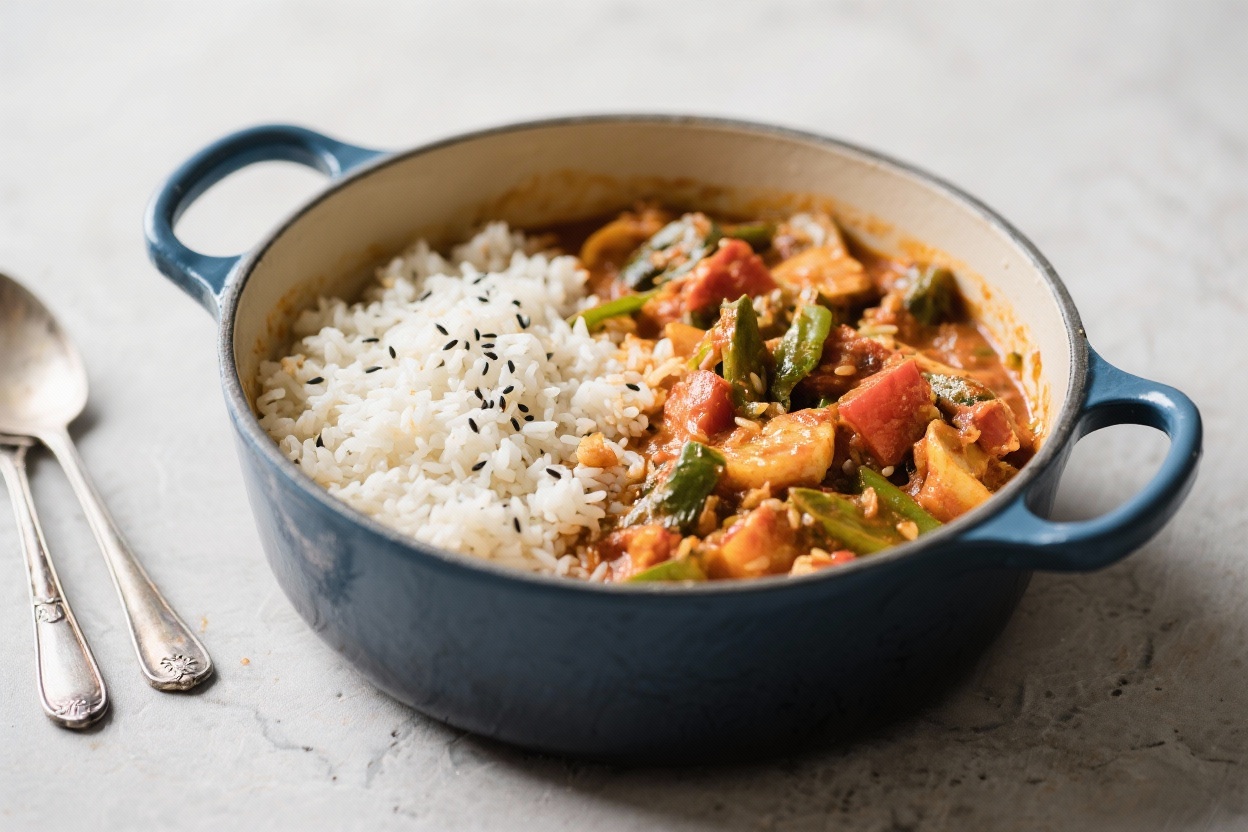
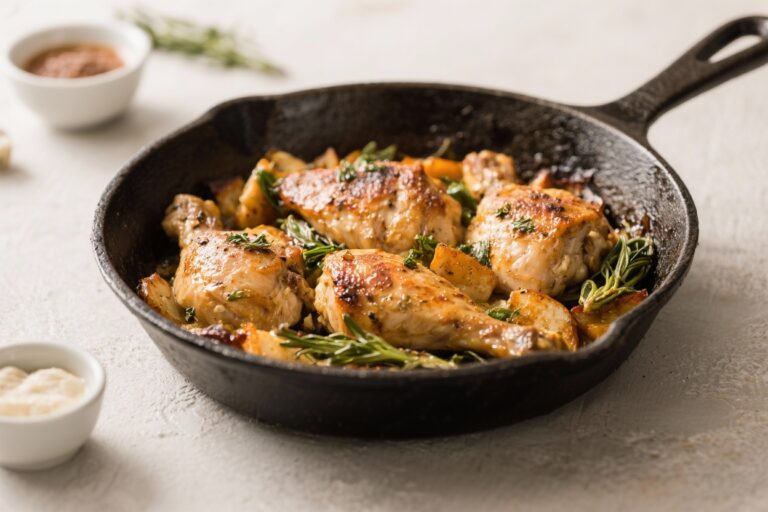
One pot meals with rice – One Pot Meals With Rice – Easy, Flavorful, and Weeknight-Friendly Rice is the quiet hero of fast, co
One pot rice meals combine starch, protein, and vegetables in a single pan, so everything cooks together and shares flavor. That means less mess and more taste. They’re also forgiving: swap ingredients, adjust spices, and still get a great result. Plus, the rice acts like a sponge for sauces and spices, giving you a dish that’s hearty and balanced without a lot of fuss.
Think of it as a template instead of a strict recipe. Once you learn the rhythm—toast, season, simmer—you can spin it into endless variations. It’s the kind of cooking that builds confidence and saves money.
Ingredients
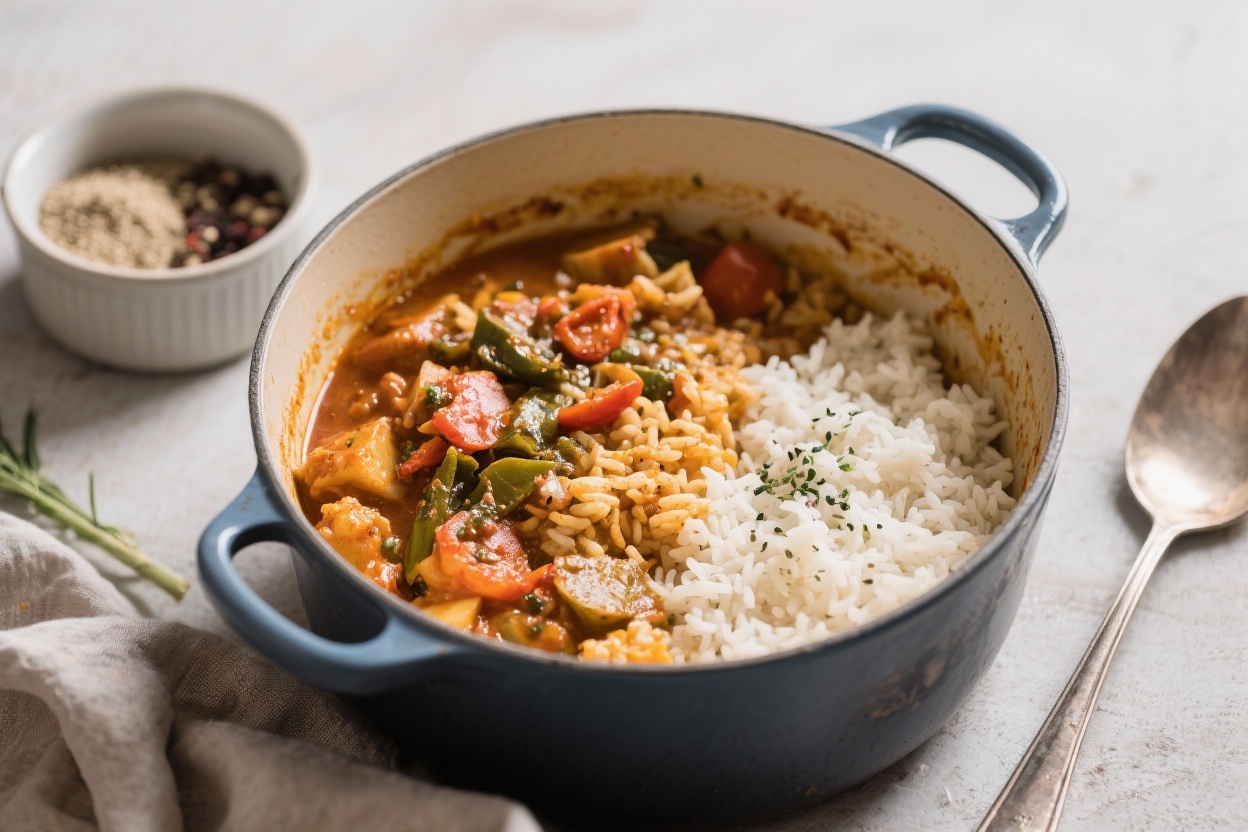
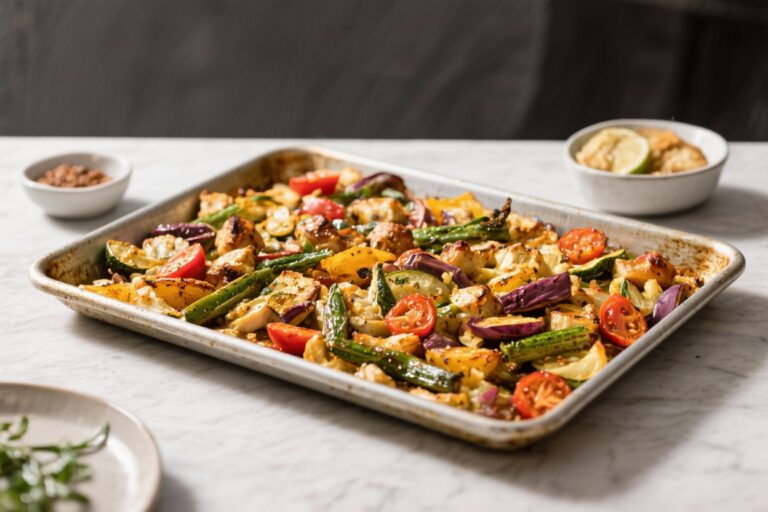
One pot meals with rice – Give it one pot, a few pantry staples, and a little time, and it turns into something warm and satis
- Rice: 1 1/2 cups long-grain white rice (like jasmine or basmati). Brown rice works too—see the notes below.
- Protein: Choose one:
- 1 pound boneless, skinless chicken thighs, cut into bite-size pieces
- 1 pound ground turkey or beef
- 1 can (15 oz) chickpeas or black beans, drained and rinsed
- 8 ounces firm tofu, cubed
- Vegetables: 2–3 cups mixed veggies (e.g., onion, bell pepper, carrots, peas, corn, spinach, zucchini).
- Aromatics: 1 medium onion (diced), 3 cloves garlic (minced), 1-inch piece fresh ginger (grated, optional).
- Liquid: 3 cups low-sodium chicken or vegetable broth (plus more if needed).
- Tomato base (optional): 1 can (14.5 oz) diced tomatoes or 2 tablespoons tomato paste.
- Fat: 2 tablespoons olive oil or neutral oil.
- Seasoning blend (choose one direction or mix and match):
- Southwest: 1 tablespoon chili powder, 1 teaspoon cumin, 1 teaspoon smoked paprika
- Mediterranean: 1 teaspoon oregano, 1 teaspoon paprika, zest of 1 lemon
- Indian-inspired: 1 tablespoon curry powder or garam masala, 1/2 teaspoon turmeric
- Asian-inspired: 1 tablespoon soy sauce or tamari, 1 teaspoon sesame oil, 1 teaspoon five-spice or ground coriander
- Salt and pepper: To taste (start with 1 teaspoon salt if using low-sodium broth).
- Finishers: Fresh herbs (cilantro, parsley, green onions), a squeeze of lemon or lime, and a drizzle of yogurt or hot sauce.
Instructions
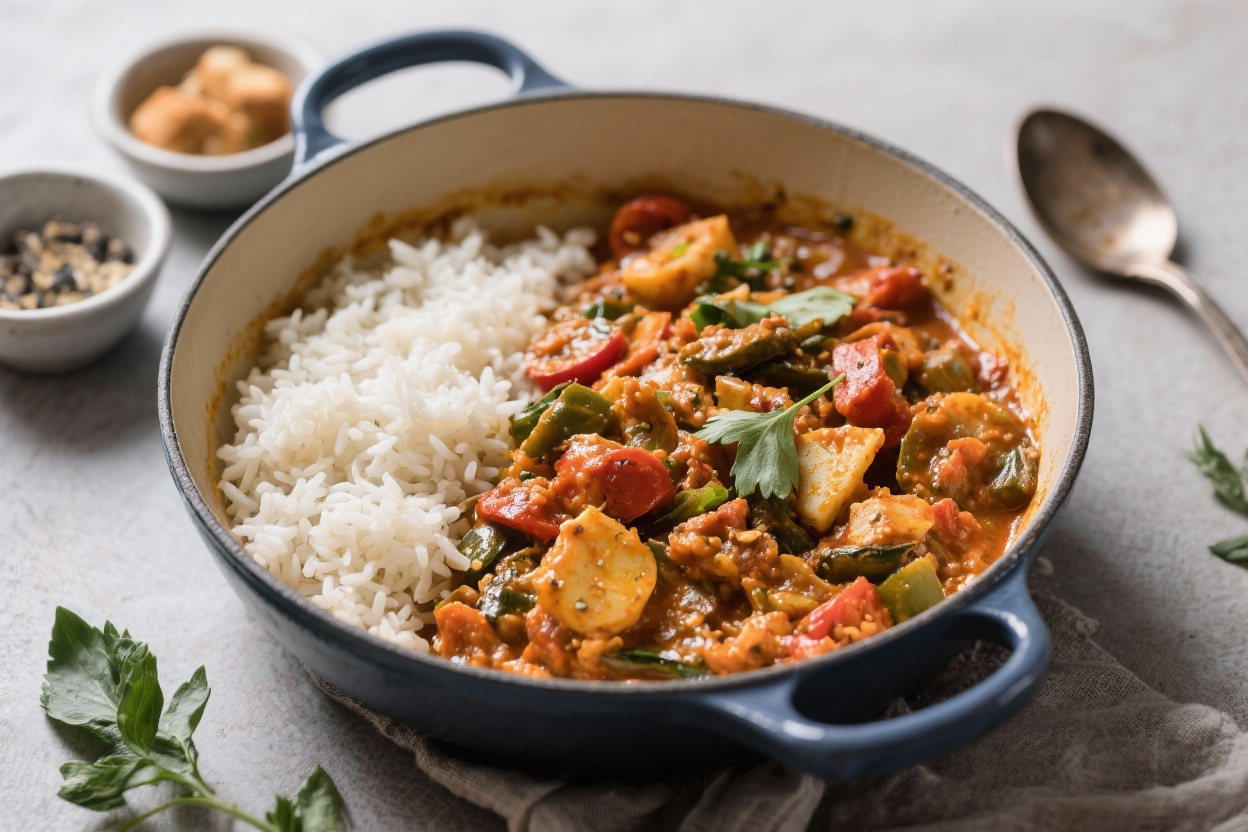
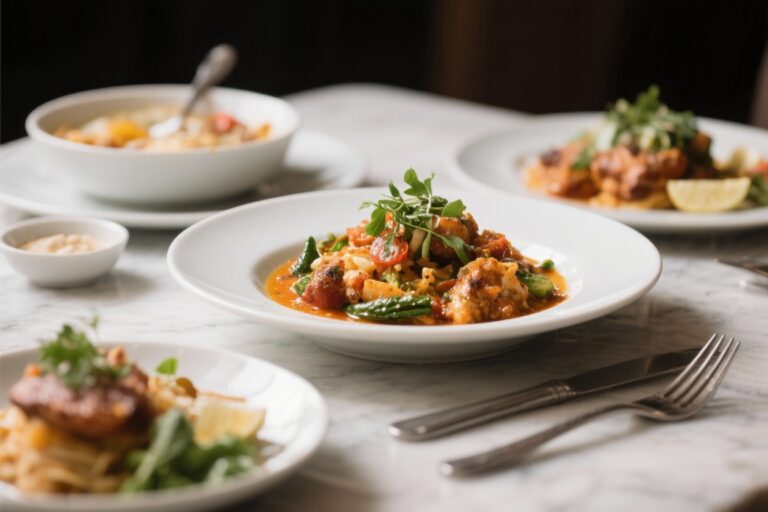
One pot meals with rice – These one pot meals are perfect for nights when you want real food without juggling multiple pans
- Rinse the rice. Place the rice in a fine-mesh strainer and rinse under cold water until it runs mostly clear. This helps prevent stickiness and clumping.
- Brown the protein. Heat oil in a large pot or deep skillet over medium-high heat. Add chicken, ground meat, tofu, or skip to the veggies if using beans. Season lightly with salt and pepper. Cook until browned and mostly cooked through. Remove to a plate if needed.
- Soften the aromatics. Add onion to the same pot. Cook 3–4 minutes until translucent, scraping up browned bits. Stir in garlic (and ginger if using) for 30 seconds until fragrant.
- Add vegetables. Toss in sturdy veggies like carrots and bell peppers first, cooking 3–4 minutes. Save quick-cooking veggies like peas or spinach for the end.
- Toast the rice. Stir in the rinsed rice and cook 1–2 minutes to coat in fat and lightly toast. This adds flavor and helps the grains stay separate.
- Season deeply. Sprinkle in your chosen spice blend and tomato paste if using. Stir for 30–60 seconds to bloom the spices.
- Add liquid and tomatoes. Pour in broth and diced tomatoes (if using). Return the protein to the pot, or add beans now. Stir well, then taste the liquid and adjust salt.
- Simmer gently. Bring to a low boil, then reduce to a gentle simmer. Cover and cook for 15–18 minutes for white rice, or until the liquid is mostly absorbed and the rice is tender. Avoid stirring too much.
- Finish with greens and quick veggies. Stir in peas, corn, or spinach in the last 3 minutes. Turn off the heat and let the pot rest, covered, for 5 minutes.
- Brighten and serve. Fluff with a fork. Add lemon or lime juice, herbs, and any final drizzle of yogurt, hot sauce, or sesame oil. Serve warm.
- For brown rice: Use 2 cups brown rice and 4 cups broth. Simmer 35–40 minutes, resting covered for 10 minutes.
- For extra saucy: Add 1/2–1 cup more broth and reduce the simmer time slightly so it stays a bit brothy.
Keeping It Fresh
Store leftovers in airtight containers for up to 4 days. The flavors get even better on day two. For freezing, cool completely, then portion into freezer-safe bags or containers for up to 3 months. Reheat gently with a splash of broth or water to loosen the rice.
If you’re meal-prepping, keep herbs, citrus, and toppings separate until serving. That way the dish tastes bright and fresh, not muted or soggy. If using seafood or delicate greens, add them only when reheating.
Health Benefits
- Balanced nutrition: You get complex carbs, protein, and vegetables in each serving. This supports steady energy and keeps you full.
- Fiber boost: Add beans, lentils, or brown rice to increase fiber, which helps digestion and supports heart health.
- Lower sodium control: Using low-sodium broth and seasoning to taste gives you flavor without a salt overload.
- Healthy fats: Cooking with olive oil and finishing with nuts or seeds adds satisfying, heart-friendly fats.
- Veggie variety: Mixing colors—carrots, spinach, peppers—brings a range of vitamins and antioxidants.
Pitfalls to Watch Out For
- Too much stirring: Stirring during the simmer breaks grains and turns the pot gluey. Fluff only at the end.
- Wrong liquid ratio: Each rice type is different. White rice typically needs about 2 parts liquid to 1 part rice; brown rice needs more. Adjust if your pot runs dry.
- High heat: A hard boil can scorch the bottom and leave the top undercooked. Keep it at a gentle simmer.
- Skipping the rinse: Unrinsed rice can trap extra starch and clump. Rinsing takes one minute and improves texture.
- Overloading the pot: Too many add-ins crowd the rice and hinder even cooking. Keep the ratio balanced.
Alternatives
- Grain swaps: Try farro, barley, or quinoa. Adjust liquids: quinoa needs about 2:1, barley closer to 3:1 with a longer cook time.
- Vegetarian and vegan: Use beans, lentils (pre-cooked or quick-cooking red lentils), or tofu. Vegetable broth and plant-based yogurt make great finishes.
- Seafood: Stir in shrimp or chunks of firm white fish for the last 5–7 minutes, just until opaque.
- Creamy style: Add a splash of coconut milk with the broth for a silky texture and mellow sweetness.
- Crunch factor: Top with toasted almonds, pumpkin seeds, or crispy onions just before serving.
FAQ
Can I use a rice cooker or Instant Pot for this?
Yes. In a rice cooker, sauté aromatics and protein separately, then add everything to the cooker with the proper liquid ratio and run a standard cycle. In an Instant Pot, use Sauté for browning, then cook at High Pressure for 4 minutes (white rice) or 20 minutes (brown rice), with a 10-minute natural release.
How do I prevent soggy rice?
Measure liquid carefully, rinse the rice, and simmer gently. If the pot still looks wet when the rice is tender, crack the lid and cook a few minutes more. Resting off heat for 5 minutes also helps moisture redistribute.
What if my rice is undercooked and the liquid is gone?
Sprinkle in 1/4 cup hot water or broth, cover, and steam on low for 3–5 minutes. Repeat if needed. Keep the heat low to avoid scorching.
Can I make it spicy?
Absolutely. Add chili flakes, diced jalapeño, cayenne, or hot sauce. Start small and adjust at the end so you don’t overpower the other flavors.
What vegetables work best?
Sturdy veggies like carrots, bell peppers, onions, and zucchini hold up well. Add tender ones—peas, spinach, corn—near the end so they stay bright and crisp.
Is rinsing rice always necessary?
For most long-grain varieties, yes—it improves texture. If you’re using parboiled rice or certain ready-to-cook blends, check the package instructions.
How do I scale the recipe?
Keep the ratio consistent and avoid filling the pot more than two-thirds full. Larger batches need a few extra minutes to come up to temperature, so watch doneness rather than the clock.
Can I add cheese?
Sure. Stir in a handful of shredded cheddar, Monterey Jack, or Parmesan at the end for a creamy finish. Reduce salt slightly if your cheese is salty.
Wrapping Up
One pot meals with rice turn simple ingredients into a complete dinner with minimal cleanup. With a few smart steps—rinse, toast, season, simmer—you’ll get fluffy grains and big flavor every time. Keep the template, swap the add-ins, and make it your own. It’s weeknight cooking that actually feels manageable and tastes great. Tonight, grab a pot and let rice do the heavy lifting.
Printable Recipe Card
Want just the essential recipe details without scrolling through the article? Get our printable recipe card with just the ingredients and instructions.