Simple Seasoning Blends at Home – Everyday Flavor Made Easy
Simple Seasoning Blends at Home – Everyday Flavor Made Easy
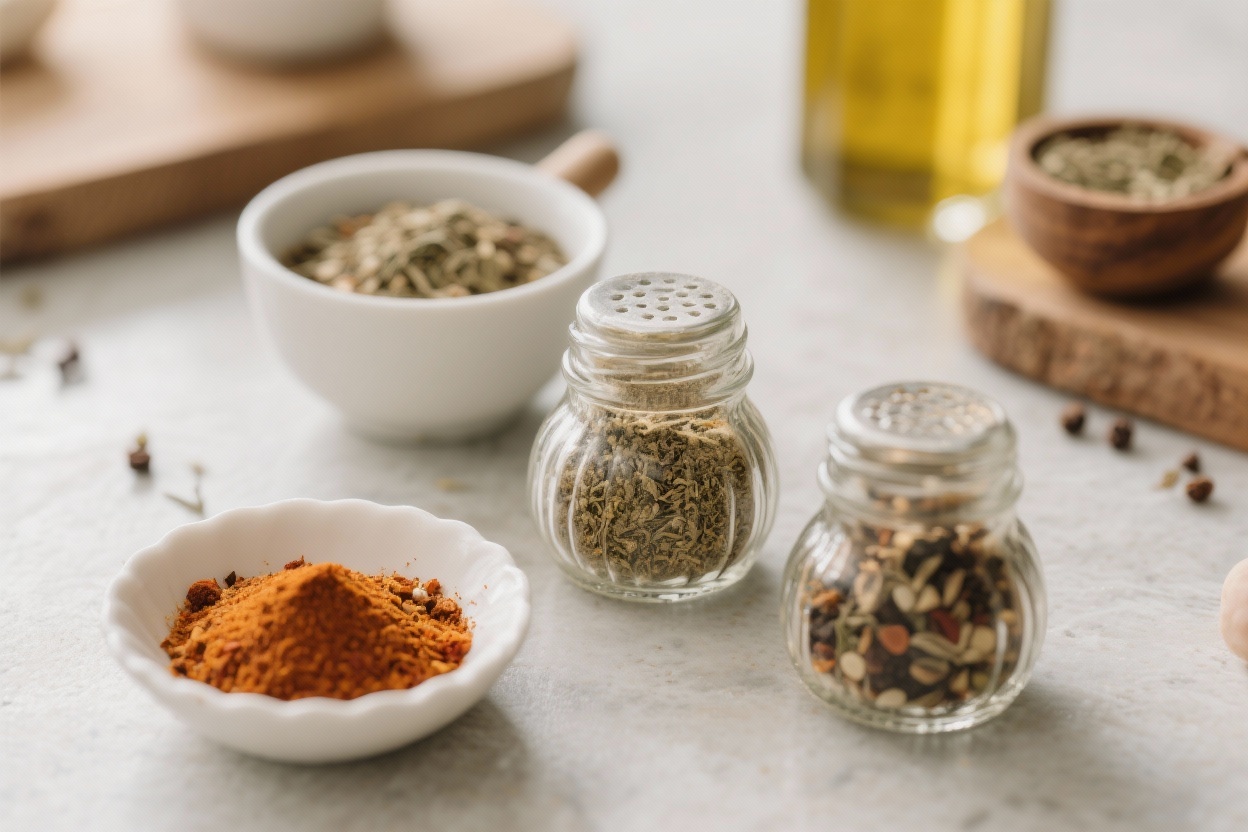
Making your own seasoning blends at home is one of the easiest ways to upgrade your cooking. No fancy tools, no special techniques—just a few pantry spices and five minutes. You get full control over salt, heat, and flavor, and you avoid the mystery additives in store-bought mixes. Plus, homemade blends are cheaper and taste fresher. Once you try them on chicken, roasted veggies, or scrambled eggs, you’ll wonder why you ever bought a packet.
What Makes This Special
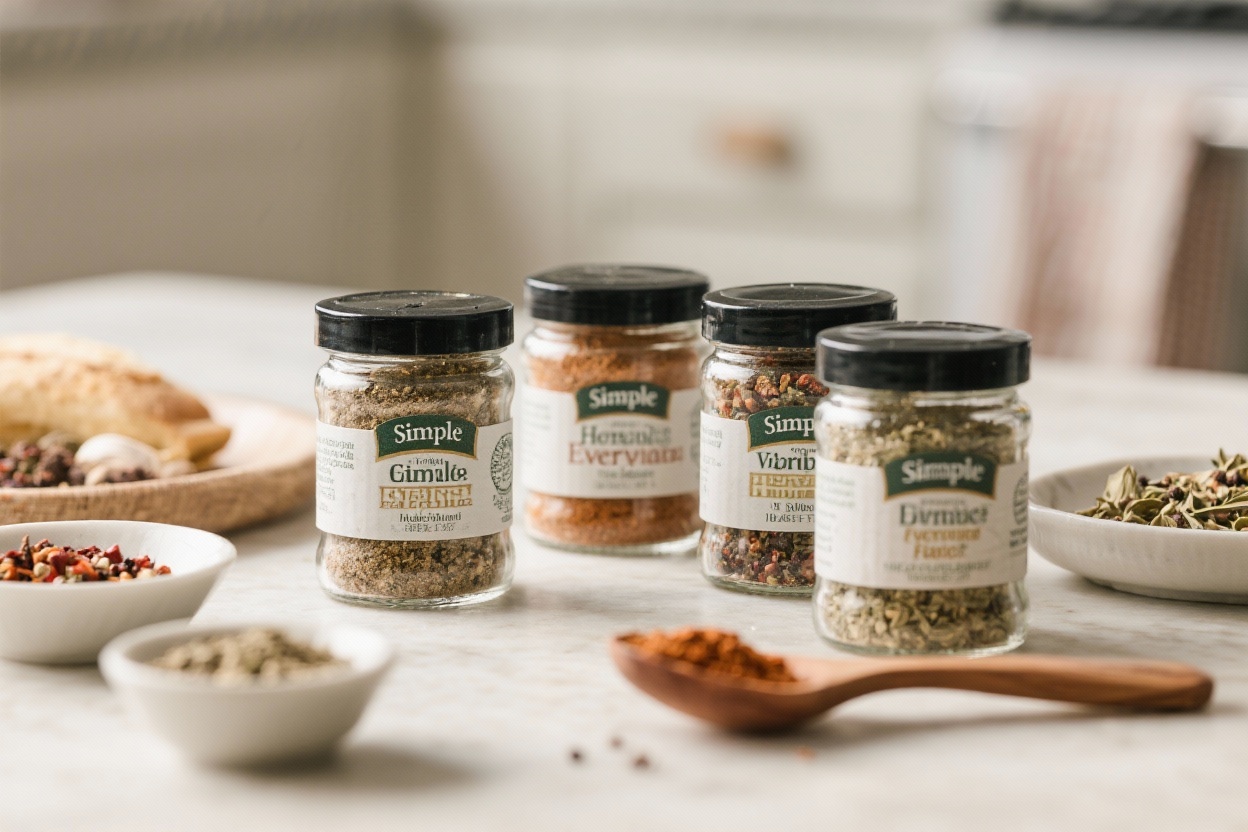
Simple seasoning blends at home – Simple Seasoning Blends at Home – Everyday Flavor Made Easy Making your own seasoning blends at home
Homemade seasoning blends are simple, fast, and flexible. You can tailor each mix to your taste—more smoky, less salty, extra garlic—whatever you like. They’re also a smart way to use up spices before they go stale. Best of all, a small batch can transform basic ingredients into something that tastes intentional and complete.
These blends cover everyday needs: an all-purpose mix, a bright lemon pepper, a warming taco blend, and a smoky barbecue rub. Keep them on hand, and cooking becomes easier, faster, and more fun.
Ingredients
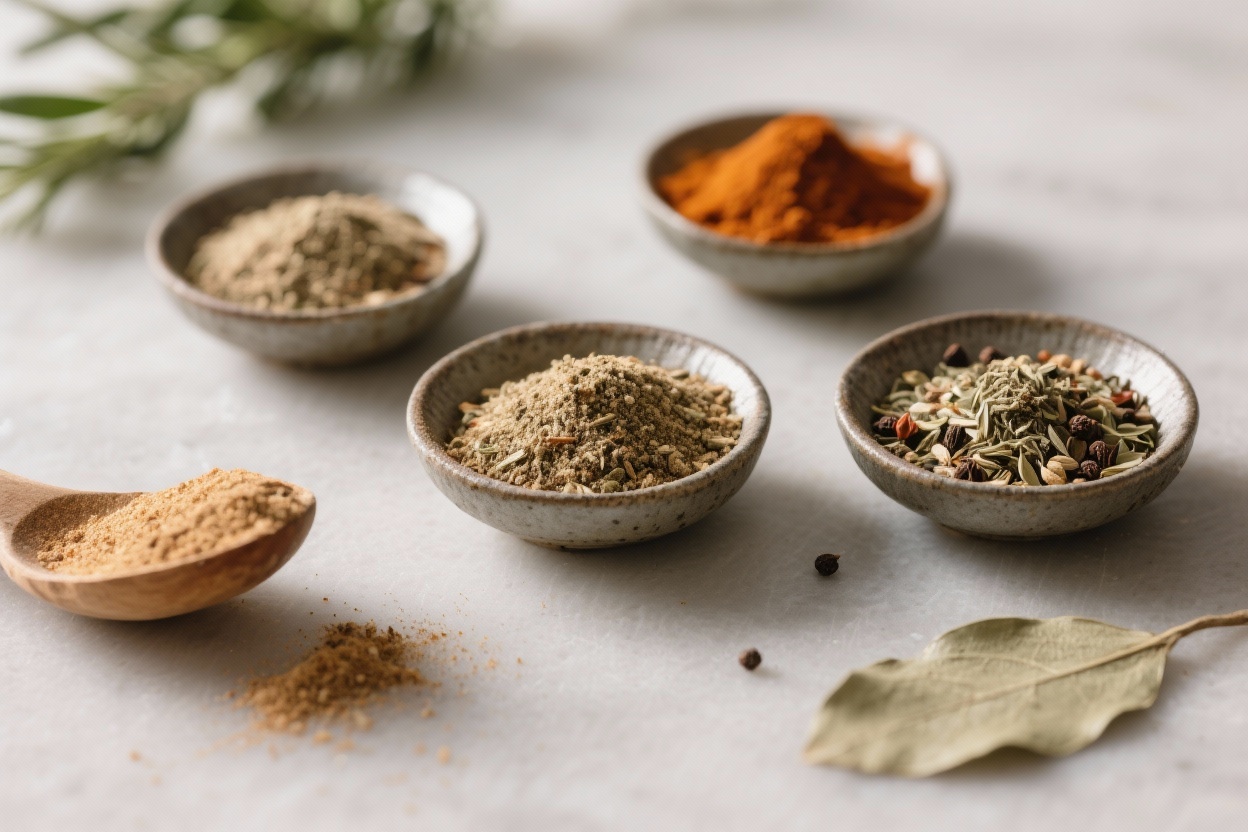
Simple seasoning blends at home – No fancy tools, no special techniques—just a few pantry spices and five minutes
Below are the core ingredients you’ll use across four versatile blends. If you don’t have everything, swap or skip as needed.
- All-Purpose Blend: Garlic powder, onion powder, paprika (sweet), black pepper, kosher salt, dried oregano, dried thyme.
- Lemon Pepper Blend: Dried lemon zest (or lemon powder), cracked black pepper, kosher salt, garlic powder, a pinch of sugar (optional), dried parsley.
- Taco Seasoning: Chili powder, ground cumin, smoked paprika, garlic powder, onion powder, dried oregano, ground coriander (optional), cayenne (to taste), kosher salt.
- BBQ Dry Rub: Brown sugar, smoked paprika, chili powder, garlic powder, onion powder, ground mustard, black pepper, kosher salt, a pinch of cayenne.
Optional add-ins: Celery seed, fennel seed, cinnamon (tiny pinch in BBQ), crushed red pepper flakes, MSG for extra savoriness, citric acid for tang.
Instructions
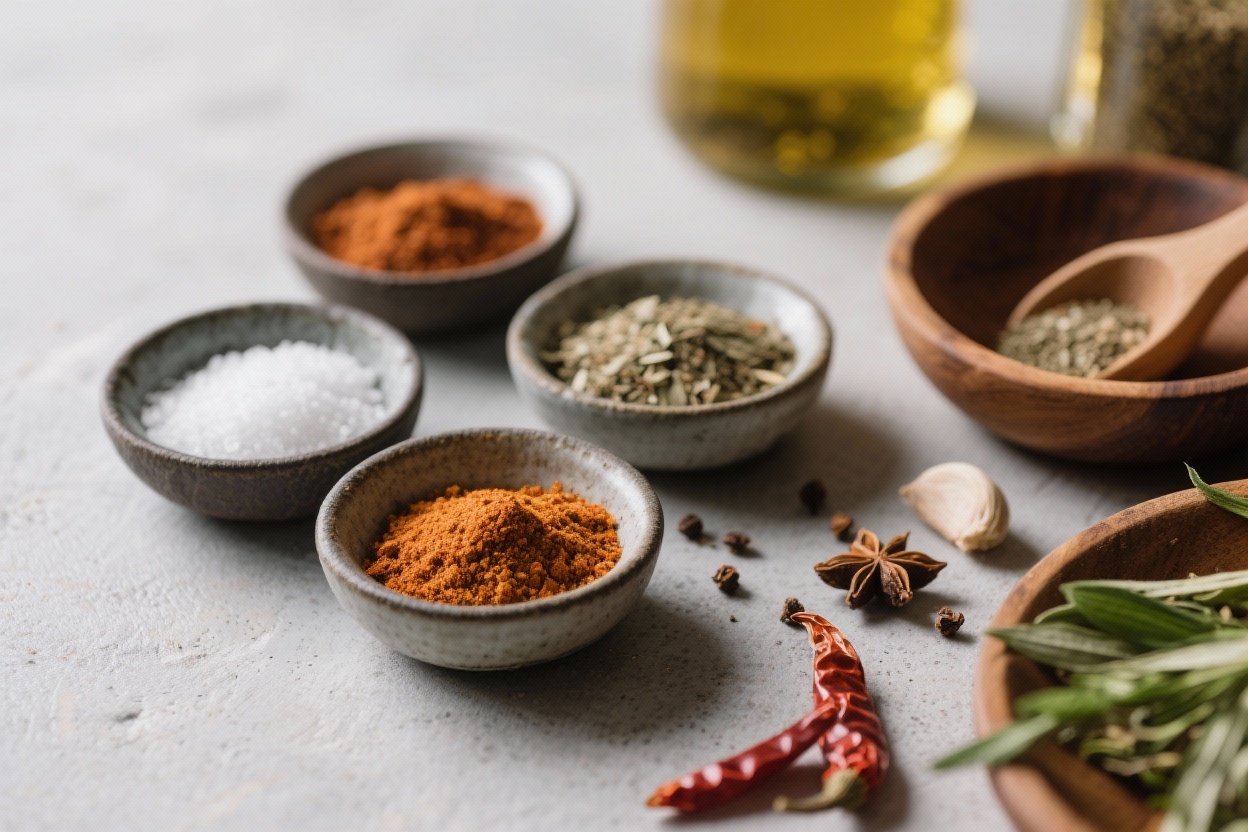
Simple seasoning blends at home – You get full control over salt, heat, and flavor, and you avoid the mystery additives in store-bough
- Measure carefully. Use level teaspoons and tablespoons for consistency. If you love one blend, you’ll want to replicate it exactly next time.
- Start small. Mix 2–4 tablespoons total for your first batch. Adjust to taste before scaling up.
- Combine and whisk. Add all spices to a small bowl and whisk until the color looks uniform. Break up any clumps with the back of a spoon.
- Taste test smartly. Dip a piece of plain bread or a cucumber slice in the blend to get a sense of balance. You can also sprinkle a bit on warm rice or eggs.
- Adjust seasoning. Add more salt for punch, more acid (lemon zest or citric acid) for brightness, more paprika for body, or a touch of sugar to round out bitterness.
- Label the container. Write the blend name, date, and the ratio if you plan to make it again. Future you will be grateful.
- Use with intention. For meats, season generously and let sit 10–20 minutes before cooking. For vegetables, add olive oil first so the spices stick.
Keeping It Fresh
Spices fade over time, especially once ground. Store your blends in airtight containers away from light and heat—think a cool cupboard, not near the stove. Glass jars with tight lids are ideal. If you live somewhere humid, add a small desiccant packet (food-safe) to the jar to prevent clumping.
As a general rule, use blends within 3–6 months for best flavor. If a blend smells weak, revive it with a pinch of fresh black pepper, a little more salt, or a quick refresh of a key spice like paprika.
Benefits of This Recipe
- Control: Choose your salt level, heat, and ingredients. Skip sugar or add it intentionally.
- Cost-effective: Bulk spices are cheaper than individual packets and last across many meals.
- Consistency: Once you dial in a blend, you can repeat it every time.
- Convenience: Pre-mixed jars speed up weeknight cooking.
- Better flavor: Fresher spices mean brighter aromas and fuller taste.
Pitfalls to Watch Out For
- Too much salt: Salt amplifies flavor, but it can take over. Start with less; you can always add more at the stove.
- Clumping: Moisture makes spices stick. Use dry spoons, and don’t shake over steaming pots.
- Old spices: Stale spices taste dusty. If a spice doesn’t smell vibrant, replace it.
- Uneven grind: Coarse and fine spices can settle. Shake the jar before each use to redistribute.
- Overcomplication: More spices aren’t always better. Keep the focus clear: smoky, herby, bright, or warm.
Recipe Variations
Here are four practical blends with simple ratios. Use tablespoons for small batches or scale up easily. Salt levels are moderate—adjust to taste.
All-Purpose Everyday Mix
- 2 parts garlic powder
- 2 parts onion powder
- 2 parts paprika (sweet)
- 1 part black pepper
- 1 part kosher salt
- 1/2 part dried oregano
- 1/2 part dried thyme
Great on: Chicken, roasted potatoes, vegetables, shrimp, tofu.
Bright Lemon Pepper
- 2 parts dried lemon zest (or lemon powder)
- 2 parts cracked black pepper
- 1 part kosher salt
- 1 part garlic powder
- 1/2 part sugar (optional)
- 1/2 part dried parsley
Great on: Salmon, green beans, asparagus, grilled chicken, pasta with olive oil.
Warm Taco Seasoning
- 2 parts chili powder
- 2 parts ground cumin
- 1 part smoked paprika
- 1 part garlic powder
- 1 part onion powder
- 1/2 part dried oregano
- 1/2 part ground coriander (optional)
- 1/4 part cayenne (to taste)
- 1 part kosher salt
Great on: Ground beef, chicken, black beans, roasted cauliflower, fajita veggies.
Smoky BBQ Dry Rub
- 3 parts brown sugar
- 2 parts smoked paprika
- 1 part chili powder
- 1 part garlic powder
- 1 part onion powder
- 1/2 part ground mustard
- 1/2 part black pepper
- 1 part kosher salt
- Pinch of cayenne
Great on: Ribs, chicken thighs, grilled corn, roasted sweet potatoes.
FAQ
Can I substitute table salt for kosher salt?
Yes, but use less. Table salt is finer and tastes saltier per spoonful. Start with about half the amount and adjust after tasting.
What if I don’t have dried lemon zest for lemon pepper?
Use lemon powder if you have it. Otherwise, zest a lemon, spread the zest on a plate, and let it air-dry for a day, then use. In a pinch, add fresh zest when cooking instead of putting it in the jar.
How much seasoning should I use per pound of meat?
A good starting point is 1 to 1.5 tablespoons for all-purpose or taco blends, and 1.5 to 2 tablespoons for BBQ rubs. Adjust based on salt level and your taste.
Can I make these blends without salt?
Absolutely. Skip the salt in the jar and season with salt separately during cooking. This is helpful for low-sodium diets.
How do I keep my spices from going stale?
Buy smaller amounts more often, store them in airtight containers away from light and heat, and keep lids closed tightly. Whole spices last longer—grind them as needed if you can.
Is MSG okay to add?
Yes, if you enjoy the boost in savoriness. It’s safe for most people and can make blends taste more rounded. Start with a small amount, about 1/4 part in a mix, and adjust to taste.
What oil works best with these blends?
Neutral oils like avocado or canola are versatile. Olive oil adds nice flavor for all-purpose and lemon pepper. For high-heat grilling, use an oil with a higher smoke point.
In Conclusion
With a few pantry spices and a couple of minutes, you can build blends that fit the way you cook. Keep one jar for everyday use, one for brightness, one for warmth, and one for smoke. Label them, shake before using, and tweak until they feel like yours. Simple, fresh, and ready whenever you are—that’s the beauty of homemade seasoning blends.
Printable Recipe Card
Want just the essential recipe details without scrolling through the article? Get our printable recipe card with just the ingredients and instructions.