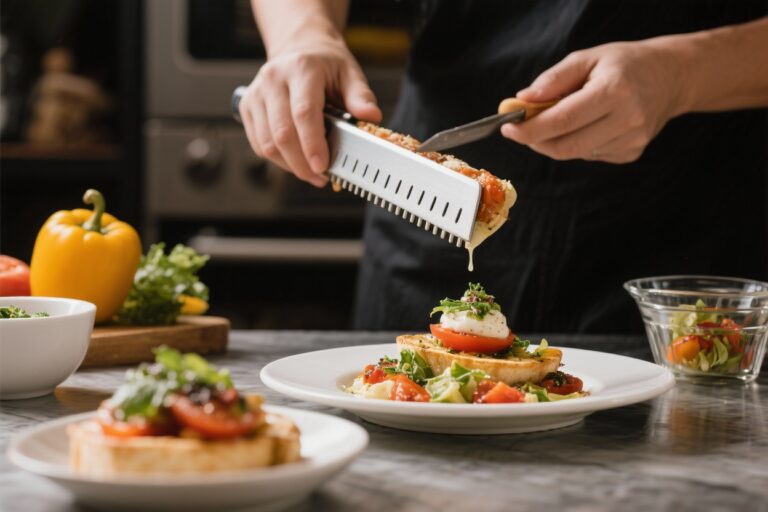
Simple Ways to Season Food Better – Practical Tips for Everyday Cooking
Simple Ways to Season Food Better – Practical Tips for Everyday Cooking
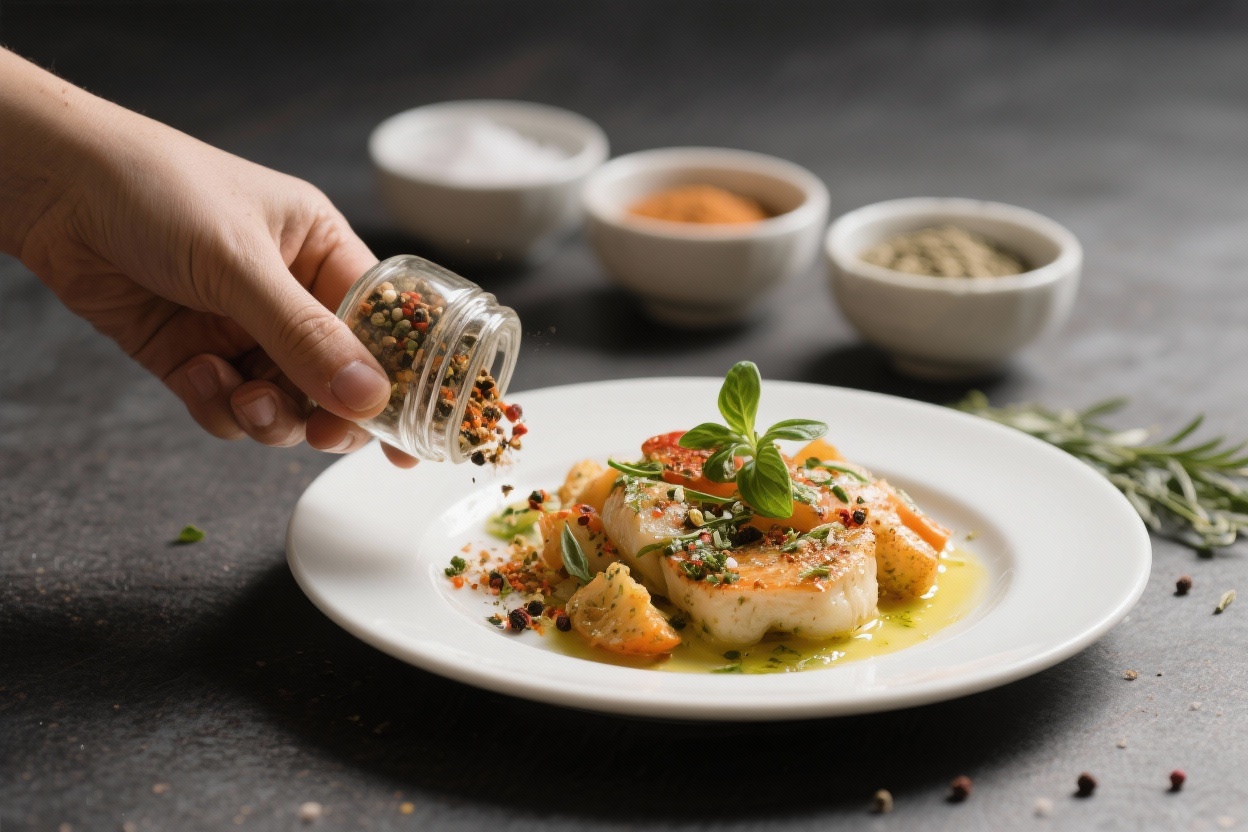
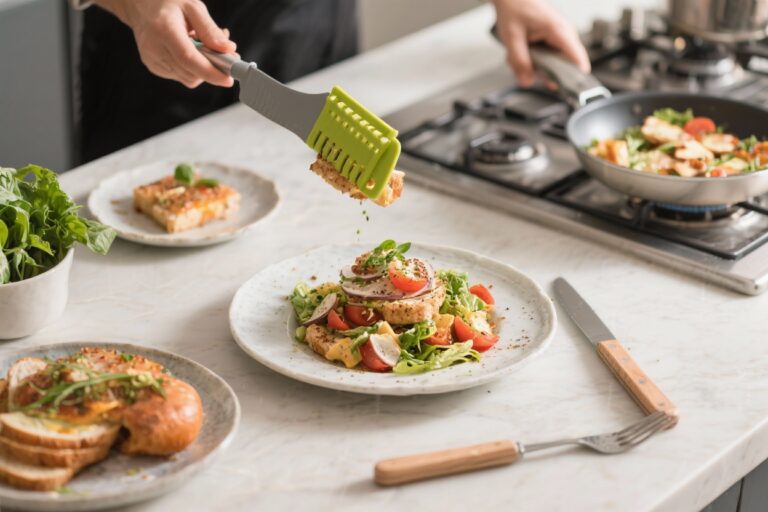
Seasoning well isn’t about fancy ingredients. It’s about small, smart choices that bring out the best in what you’re cooking. A pinch here, a splash there, and suddenly your meals taste brighter, warmer, and more complete. With a few easy habits, you can level up everything from vegetables to chicken to soups. Think of this as a gentle guide to making your food taste more like itself—only better.
What Makes This Special
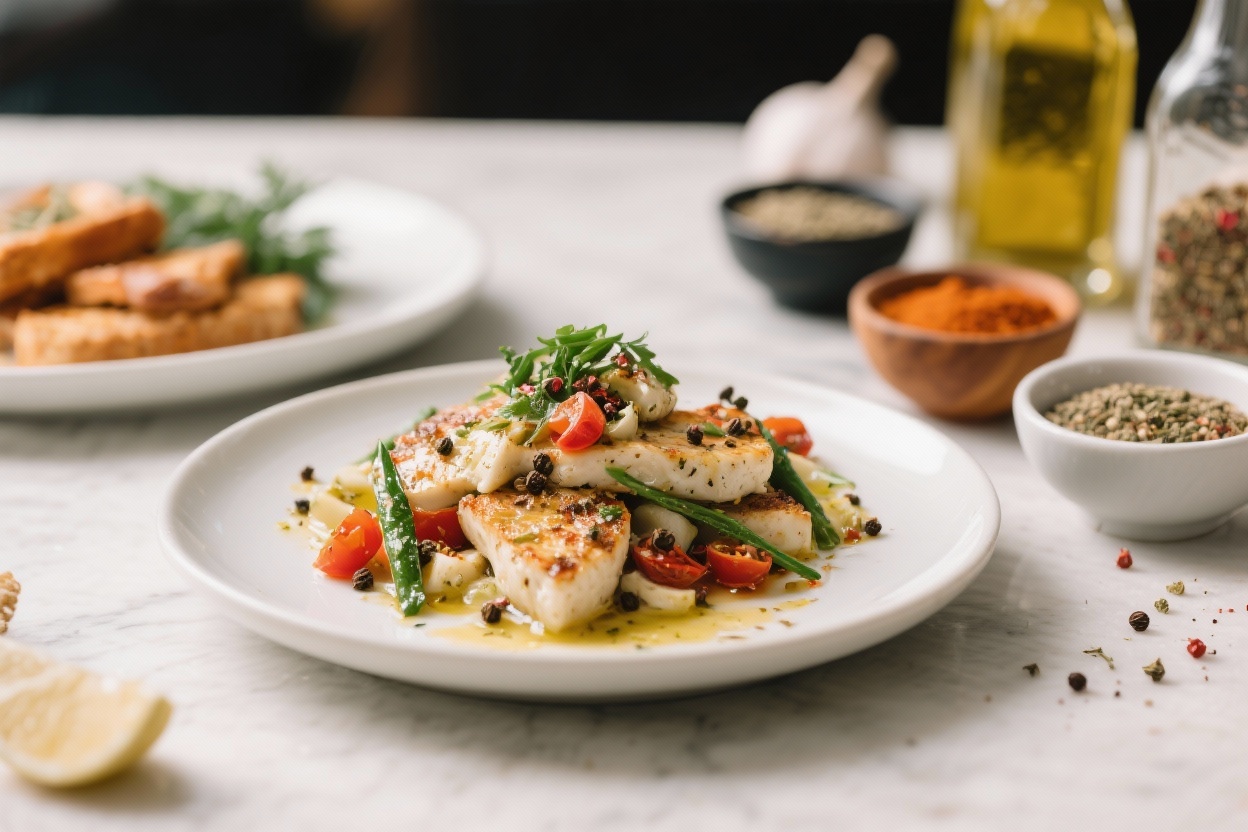
Simple ways to season food better – Simple Ways to Season Food Better – Practical Tips for Everyday Cooking Seasoning well isn’t about f
This approach is about everyday cooking that fits real life. No special tools, no rare spices, just simple steps that make a big difference. You’ll learn how to use salt the right way, balance flavors with acid and sweetness, and build aroma with herbs and heat. It’s not a strict recipe—more like a set of habits you can use for almost anything you cook.
Ingredients
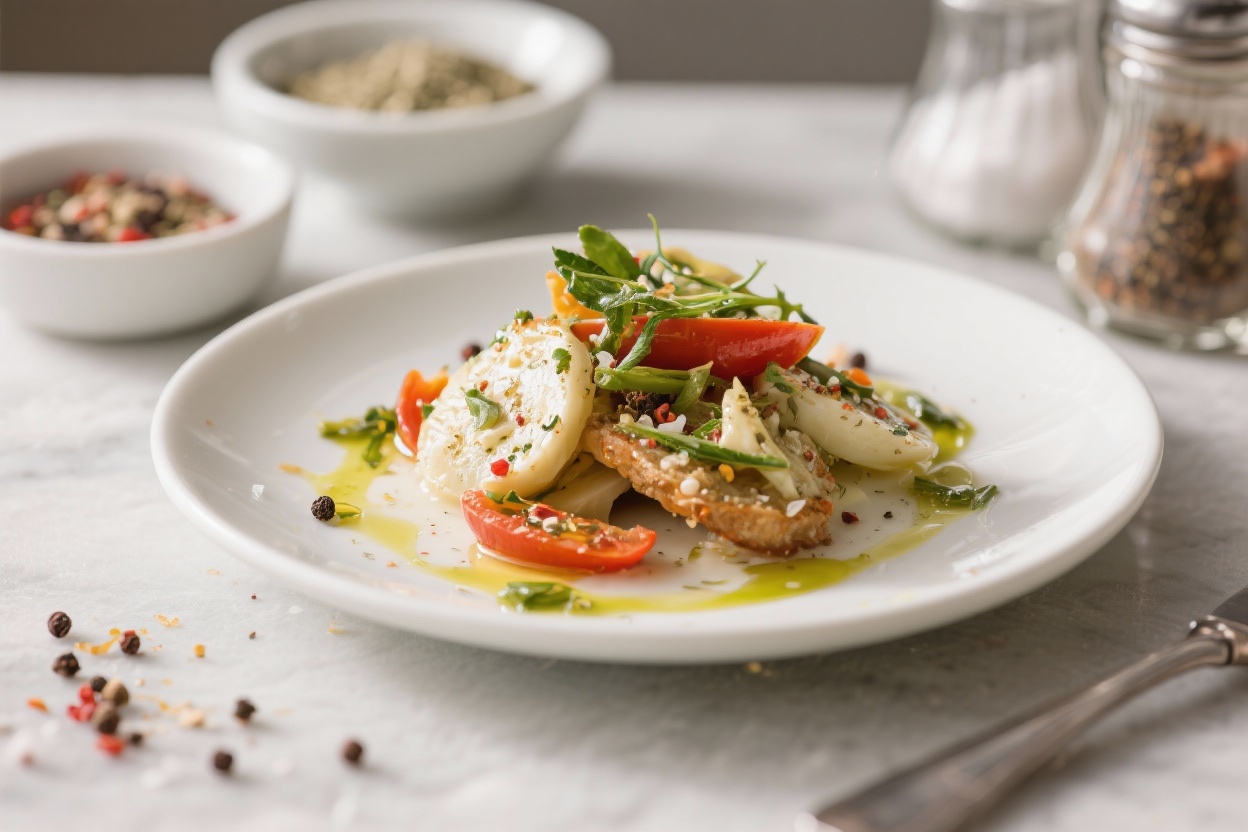
Simple ways to season food better – It’s about small, smart choices that bring out the best in what you’re cooking
- Kosher salt (or sea salt)
- Freshly ground black pepper
- Acid: lemon or lime, vinegar (red wine, rice, apple cider), yogurt
- Fat: olive oil, butter, ghee, neutral oil
- Sweetness: honey, maple syrup, a pinch of sugar
- Heat: chili flakes, hot sauce, fresh chilies
- Umami: soy sauce, fish sauce, miso, Parmesan, tomato paste
- Fresh herbs: parsley, cilantro, basil, dill, mint
- Dried spices: cumin, smoked paprika, garlic powder, onion powder, oregano
- Aromatics: garlic, onions, scallions, shallots, ginger
- Crunch (optional): toasted nuts, seeds, fried shallots
- Finishing salts (optional): flaky sea salt
Instructions
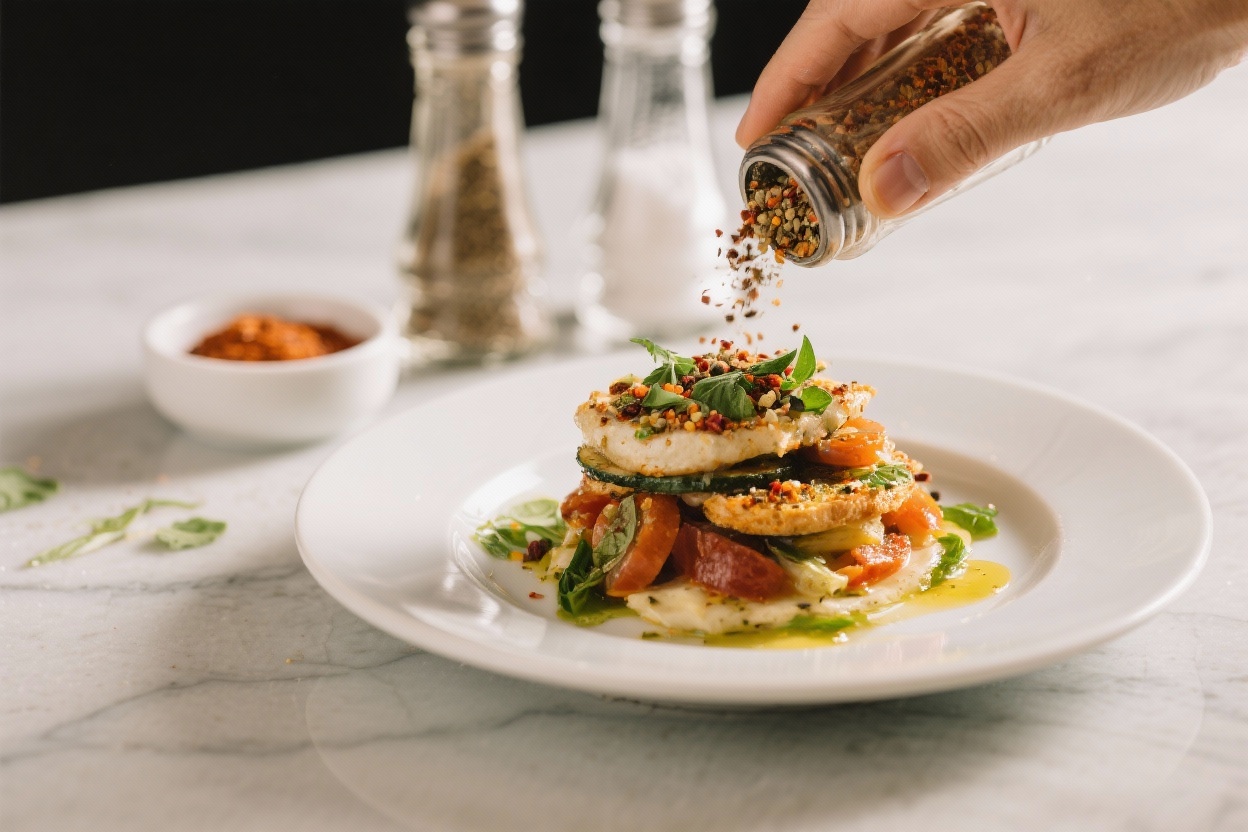
Simple ways to season food better – A pinch here, a splash there, and suddenly your meals taste brighter, warmer, and more complete
- Salt early and in layers. Season meat, tofu, or vegetables with salt before cooking so the salt can draw out moisture and sink in. Add another light sprinkle during cooking, then taste at the end. Layering beats dumping it all at the table.
- Use the right salt. Kosher or sea salt dissolves evenly and is easier to control than table salt. If you use table salt, reduce the amount—it’s saltier by volume.
- Balance with acid. When food tastes flat, add a squeeze of lemon or a splash of vinegar. Acid makes salt pop and brightens heavy flavors. Finish soups, stews, and roasted vegetables with a little acid at the end for lift.
- Build umami for depth. Add a spoonful of tomato paste to the pan and cook it until it darkens. Stir in a dash of soy sauce or fish sauce to boost savoriness. Grate Parmesan over vegetables, eggs, or pasta to round out flavors.
- Toast your spices. Warm whole or ground spices in a dry pan for 30–60 seconds until fragrant. This wakes up their oils and makes them taste fuller. Don’t walk away—spices burn quickly.
- Use fresh herbs at the right time. Add sturdy herbs like rosemary or thyme early. Add delicate herbs like parsley, cilantro, or basil at the end so they stay bright and fresh.
- Lean on aromatics. Start with onions, garlic, or ginger in a little oil. Cook until softened and fragrant. This simple base adds aroma and complexity to almost any dish.
- Mind your fat. A touch of butter or olive oil can carry flavor and help spices bloom. Finish veggies or grains with a small drizzle of good olive oil for a polished taste.
- Add a hint of sweetness. A tiny amount of honey or sugar can balance bitterness and acidity. Use it lightly—this is about balance, not dessert.
- Don’t be afraid of heat. A pinch of chili flakes or a few drops of hot sauce sharpen flavors. Add early for mellow heat or at the end for a cleaner kick.
- Taste as you go. Take small tastes during cooking. Ask: too bland, too salty, too heavy, too sharp? Adjust with salt, acid, fat, or sweetness to bring it back into balance.
- Finish with texture. Sprinkle flaky salt, chopped herbs, toasted nuts, or a squeeze of lemon right before serving. That last-second contrast makes food pop.
- Rest and re-taste. Let meat and stews sit a couple minutes. Flavors settle, and you can adjust seasoning while it’s still hot.
Keeping It Fresh
- Store spices smart. Keep them in a cool, dark place with tight lids. Heat and light fade flavor fast.
- Replace old jars. Whole spices last about 2 years; ground spices about 1 year. If it doesn’t smell strong, it won’t taste strong.
- Use citrus wisely. Zest first, then juice. Freeze leftover zest and juice in small portions for quick use.
- Protect fresh herbs. Wrap tender herbs in a damp towel and store in a container, or stand them in water like flowers in the fridge. Change the water every couple of days.
- Pre-mix blends. Make small batches of your favorite spice mixes so you’ll actually use them. Label and date them.
Why This is Good for You
Seasoning well helps you cook more at home, which usually means fresher ingredients and better control over what you eat. When food tastes satisfying, you may rely less on heavy sauces and extra sugar. You can also reduce sodium by using acid, herbs, and umami to add flavor without dumping in salt. Thoughtful seasoning turns simple, wholesome ingredients into meals you actually want to eat.
What Not to Do
- Don’t skip tasting. Guessing leads to bland or overly salty food. Taste early and often.
- Don’t salt only at the end. Late salt sits on the surface and tastes harsh. Layer it instead.
- Don’t overcrowd the pan. Food steams and won’t brown, which dulls flavor. Cook in batches if needed.
- Don’t burn garlic or spices. Bitter flavors can ruin a dish. Lower the heat and watch closely.
- Don’t rely on one note. All salt, all acid, or all heat makes food feel unbalanced. Aim for harmony.
Alternatives
- Low-sodium approach: Use citrus, vinegar, herbs, and umami-rich ingredients like mushrooms or miso to keep flavor high with less salt.
- No dairy: Swap butter for olive oil or ghee, and use miso or nutritional yeast instead of Parmesan for savory depth.
- No fish sauce: Use soy sauce, tamari, or a touch of mushroom powder for similar umami richness.
- Mild heat: Choose smoked paprika or black pepper for warmth without spiciness.
- Herb swaps: If you’re out of basil, try mint or parsley. No cilantro? Use parsley with a squeeze of lime.
FAQ
How do I know if I’ve added enough salt?
Take a small bite and ask if the flavors feel clear and defined. If it tastes flat or dull, add a small pinch and try again. If it tastes salty but not balanced, add acid or a little fat to round it out.
Which vinegar should I keep on hand?
Keep one mild (rice vinegar or apple cider) and one bold (red wine or sherry). They cover most needs, from dressings to finishing stews.
Can I fix food that’s too salty?
Yes. Add more of the base ingredient, stir in unsalted stock, or balance with acid and fat. For soups and stews, a small potato can help absorb some salt, but the best fix is dilution and balance.
When should I use fresh vs. dried herbs?
Use dried early in cooking so they have time to bloom. Use fresh at the end for aroma and brightness. If substituting, use about one-third the amount of dried for fresh.
What’s the easiest way to add umami?
Add a teaspoon of soy sauce, a dab of miso, or a spoon of tomato paste and cook it briefly. A sprinkle of Parmesan or nutritional yeast also works well.
How can I make vegetables taste better?
Roast them hot for browning, then finish with salt, lemon, and olive oil. Add a pinch of chili flakes or a dusting of Parmesan for extra depth and a final sprinkle of herbs for freshness.
Do I need special equipment?
No. A good skillet, a sharp knife, and a small spoon for tasting are enough. A pepper mill and microplane for zest and Parmesan are nice to have but not required.
What’s a quick all-purpose seasoning blend?
Try 2 parts kosher salt, 1 part black pepper, 1 part garlic powder, 1 part smoked paprika, and 1/2 part dried oregano. Use lightly and adjust to taste.
Final Thoughts
Better seasoning is about attention, not fuss. Salt in layers, brighten with acid, build depth with umami, and finish with something fresh. Taste often, make small adjustments, and trust your palate. With a few simple habits, your everyday cooking will start tasting like the best version of itself—consistently and without stress.
Printable Recipe Card
Want just the essential recipe details without scrolling through the article? Get our printable recipe card with just the ingredients and instructions.