Time Saving Cooking Shortcuts – Simple Tips for Faster, Easier Meals
Busy days shouldn’t mean boring food or takeout every night. With a few smart habits and tools, you can cook real meals in less time than it takes to order delivery. These shortcuts aren’t fancy—just practical steps that make everyday cooking smoother.
Think of them as small changes that add up to big time savings. If you want dinner on the table fast without sacrificing flavor, this guide is for you.
What Makes This Special
Cooking shortcuts only work if they’re reliable, flexible, and easy to repeat. The tips here are built around things most home cooks already have or can do quickly.
You’ll find ideas that fit busy weeknights, family cooking, or solo meals. Many of these shortcuts stack together, so you can mix and match based on what you have. The goal is simple: cook smarter, not harder, and still enjoy what you’re eating.
Ingredients
- Prep containers: Reusable glass or plastic containers with tight lids.
- Sheet pans and a large skillet: For one-pan meals and big batches.
- Sharp chef’s knife and a small paring knife: A sharp knife saves time and frustration.
- Food processor or mini chopper: For quick chopping, sauces, and grated veggies.
- Instant Pot or slow cooker (optional): Set-it-and-forget-it cooking.
- Freezer bags and labels: For storing prepped ingredients and cooked meals.
- Basic pantry staples: Olive oil, salt, pepper, soy sauce, vinegar, canned beans, pasta, rice.
- Prepped boosters: Minced garlic and ginger, sliced onions, pre-washed greens, frozen veggies.
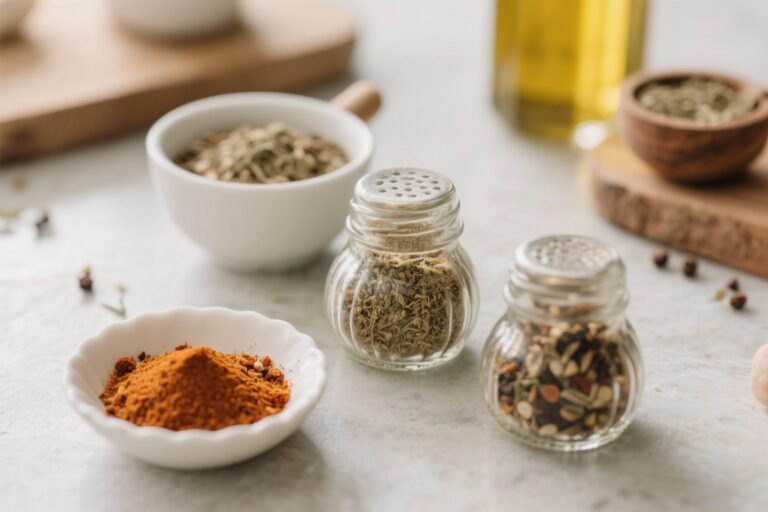
- Flavor starters: Curry paste, pesto, salsa, miso, chili crisp, bouillon, lemon or lime.
Instructions

- Batch Your Prep Once, Use It All Week. Pick one time—Sunday afternoon or a quiet evening—to chop onions, slice peppers, wash greens, and cook a pot of grains.Store everything in clear containers so you can see what you have.
- Pre-Cook Proteins. Roast a tray of chicken thighs, tofu, or sausage. Keep plain seasoning—salt, pepper, olive oil—so you can re-season later for different cuisines.
- Lean on Frozen Veggies. Keep peas, spinach, broccoli, and stir-fry mixes on hand. They’re already washed and chopped, and they cook in minutes.
- Make a Flavor Base. Sauté a big batch of onions, garlic, and a pinch of chili.Freeze in small portions to jump-start soups, sauces, and stir-fries.
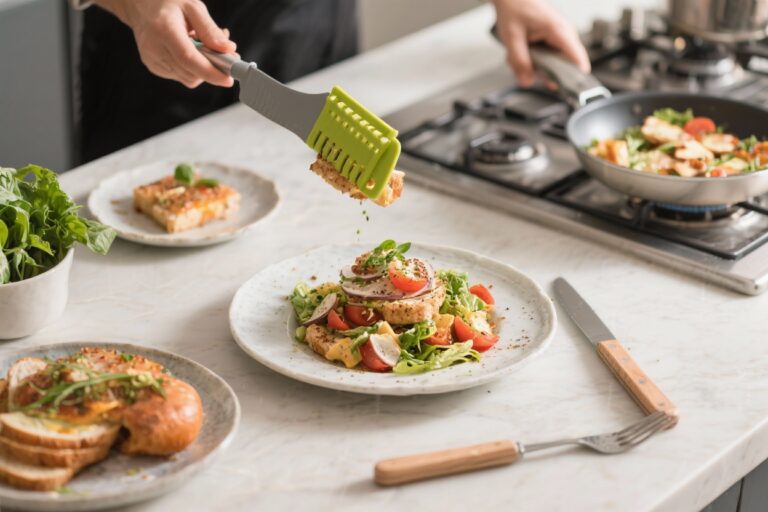
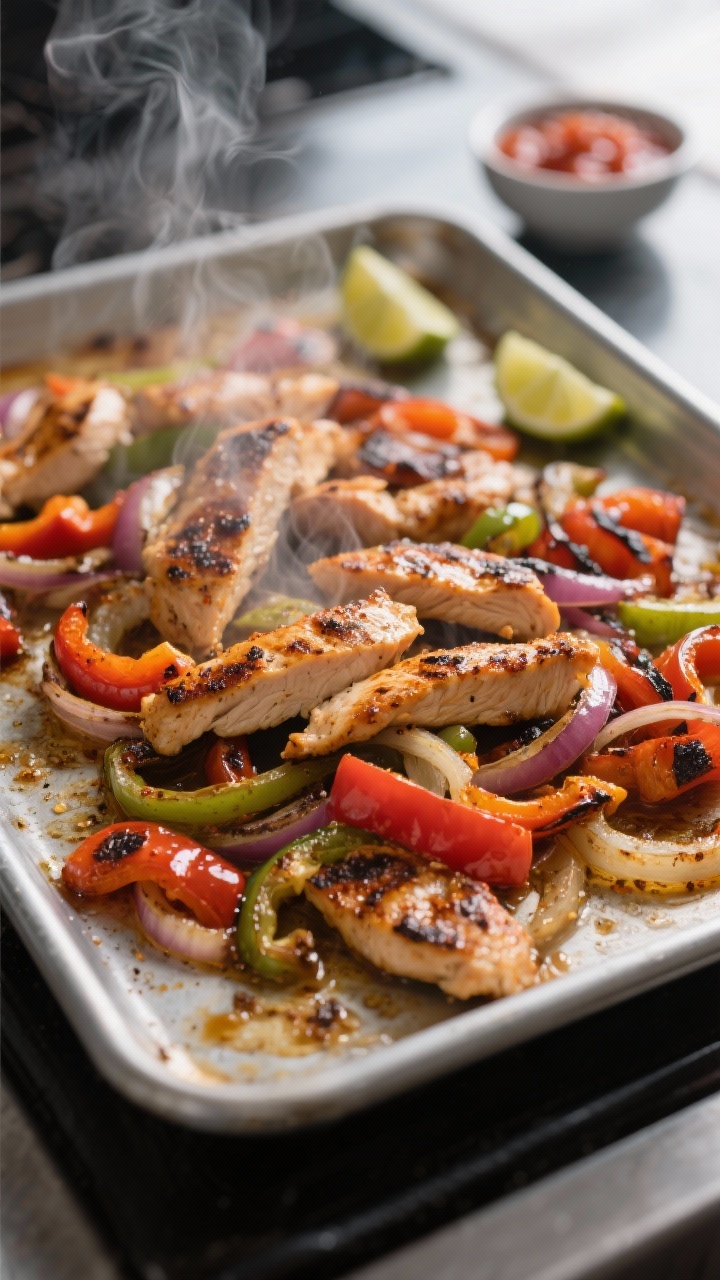
- Use Sheet Pans for Hands-Off Cooking. Toss chopped veggies and protein with oil and seasoning on one pan. Roast at 425°F (220°C) until browned. Fewer dishes, more flavor.
- Cook Once, Season Twice. Make a neutral base—like plain rice or noodles—and finish portions differently: pesto one night, soy sauce and sesame the next, lemon and herbs after that.
- Grab Shortcuts at the Store. Buy rotisserie chicken, pre-cut veggies, pre-cooked rice, and bagged salad kits.Combine them with sauces and fresh toppings to make full meals.
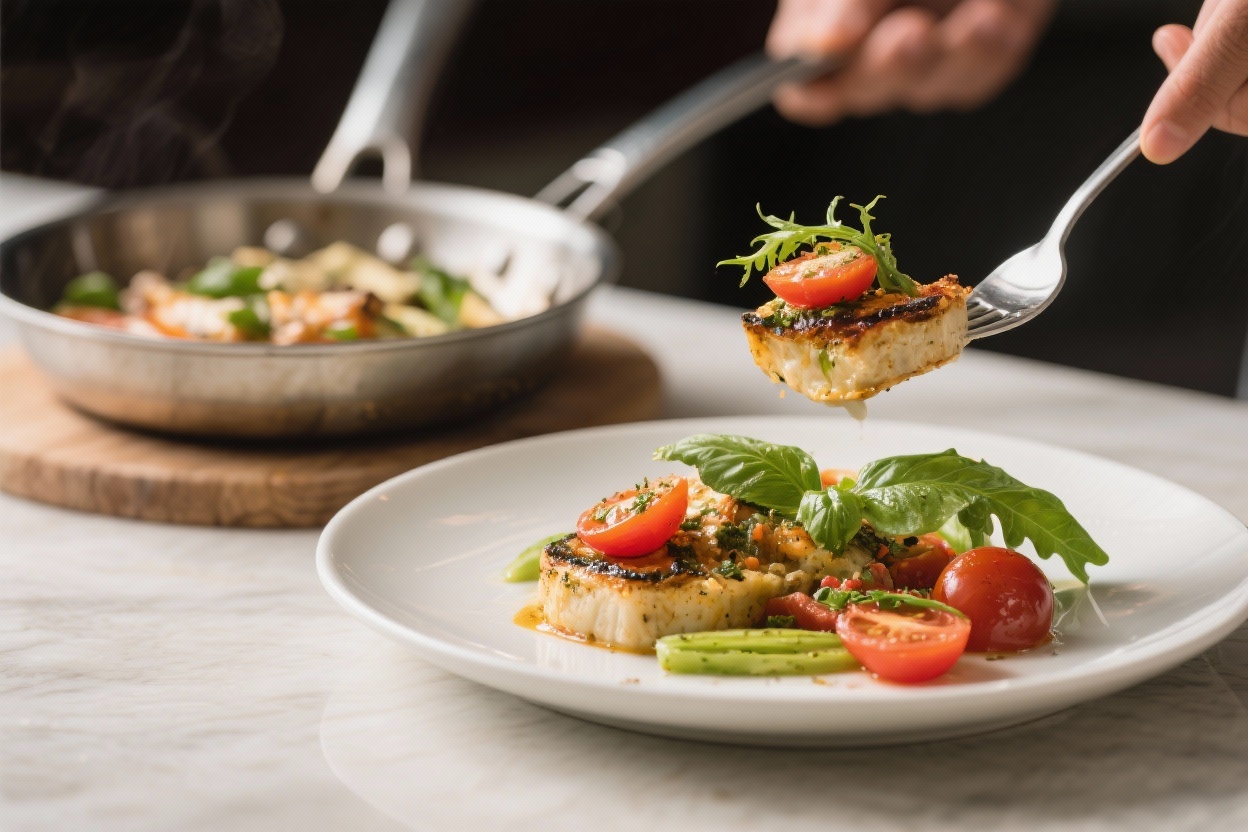
- Master One-Pan Meals. Start aromatics in a large skillet, add protein, then vegetables, then a sauce or broth, and finish with starch or serve over grains you cooked earlier.
- Use High Heat Smartly. A hot pan or oven browns fast and tastes better. Preheat properly, don’t overcrowd, and cook in batches when needed.
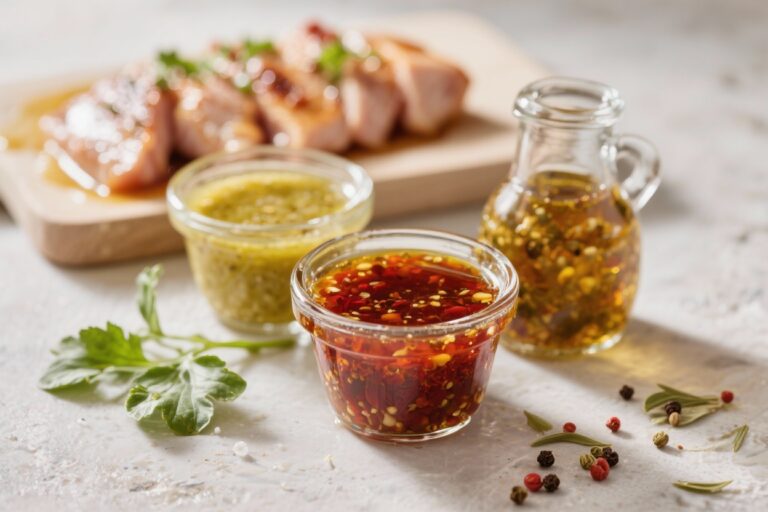
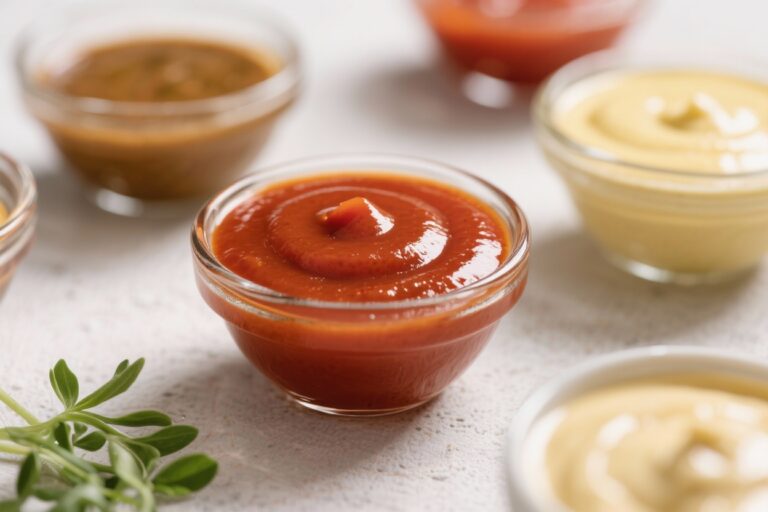
- Build a Sauce Library. Stir together quick sauces—yogurt + lemon + garlic, soy + honey + chili, tahini + water + lemon, or jarred pesto with a splash of pasta water. Keep them ready in the fridge.
- Freeze in Meal-Sized Portions. Soup, chili, meatballs, cooked beans, and roasted veggies freeze well.Label with name and date. Thaw overnight or reheat straight from frozen.
- Clean as You Go. Fill the sink with hot soapy water before you start. Toss tools in as you finish with them so cleanup is quick.
Keeping It Fresh
- Store greens with a paper towel to absorb moisture and keep them crisp longer.
- Keep sauces in small jars so you only open what you need and avoid waste.
- Use clear containers and keep prepped items at eye level in the fridge so they don’t get forgotten.
- Rotate older items forward and label with dates to track freshness.
- Cool foods before refrigerating to prevent condensation and soggy containers.
Why This is Good for You
- Less stress at mealtime: Decisions are easier when prep is done and options are within reach.
- More balanced meals: When veggies and proteins are prepped, it’s simple to build a plate with variety.
- Consistent portions: Pre-cooked grains and proteins help you serve steady, satisfying amounts.
- Better use of ingredients: Batch prep reduces waste and helps you use what you buy.
- More home-cooked meals: Faster cooking means you’ll actually make dinner instead of skipping it.
Common Mistakes to Avoid
- Over-prepping. Don’t prep so much that food spoils before you can use it.Start small and scale up.
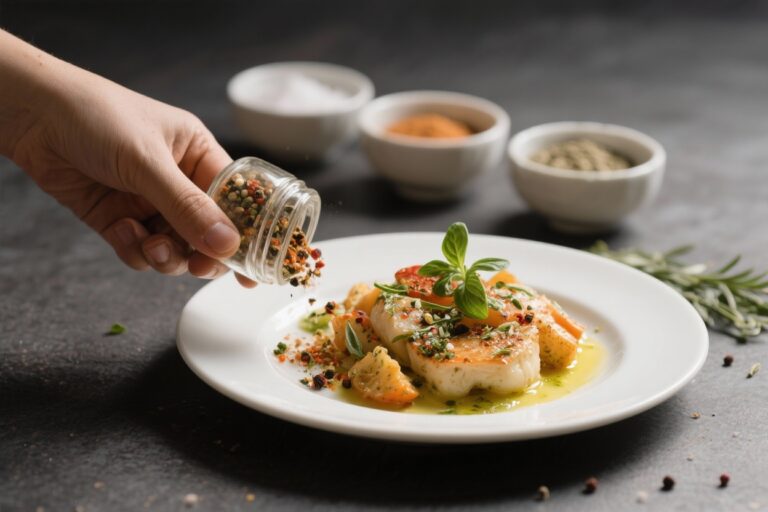
- Under-seasoning. Batch-cooked foods can taste flat. Keep finishing touches handy: lemon juice, fresh herbs, or a quick sauce.
- Overcrowding pans. This causes steaming instead of browning. Use two pans or roast in batches for better flavor.
- Ignoring texture. Mix crisp (raw veggies, toasted nuts) with soft (rice, roasted veg) to keep meals interesting.
- Forgetting to label. If it’s not labeled, it gets lost.Write the name and date—future you will thank you.
Recipe Variations
- 15-Minute Stir-Fry: Sauté prepped onions and garlic, add sliced pre-cooked chicken or tofu, toss in frozen veggies, finish with soy sauce, sesame oil, and a squeeze of lime. Serve over leftover rice.
- Sheet Pan Fajitas: Toss sliced peppers and onions with oil and taco seasoning. Add chicken strips or mushrooms.Roast until charred. Serve with warm tortillas, salsa, and avocado.
- Quick Pesto Pasta Bowl: Boil pasta while you heat frozen peas. Toss with pesto, a splash of pasta water, lemon zest, and grated cheese.Top with rotisserie chicken or white beans.
- Brothy Bean Soup: Sauté a scoop of your flavor base, add canned tomatoes, a can of beans, water or broth, and greens. Simmer 10 minutes. Finish with olive oil and red pepper flakes.
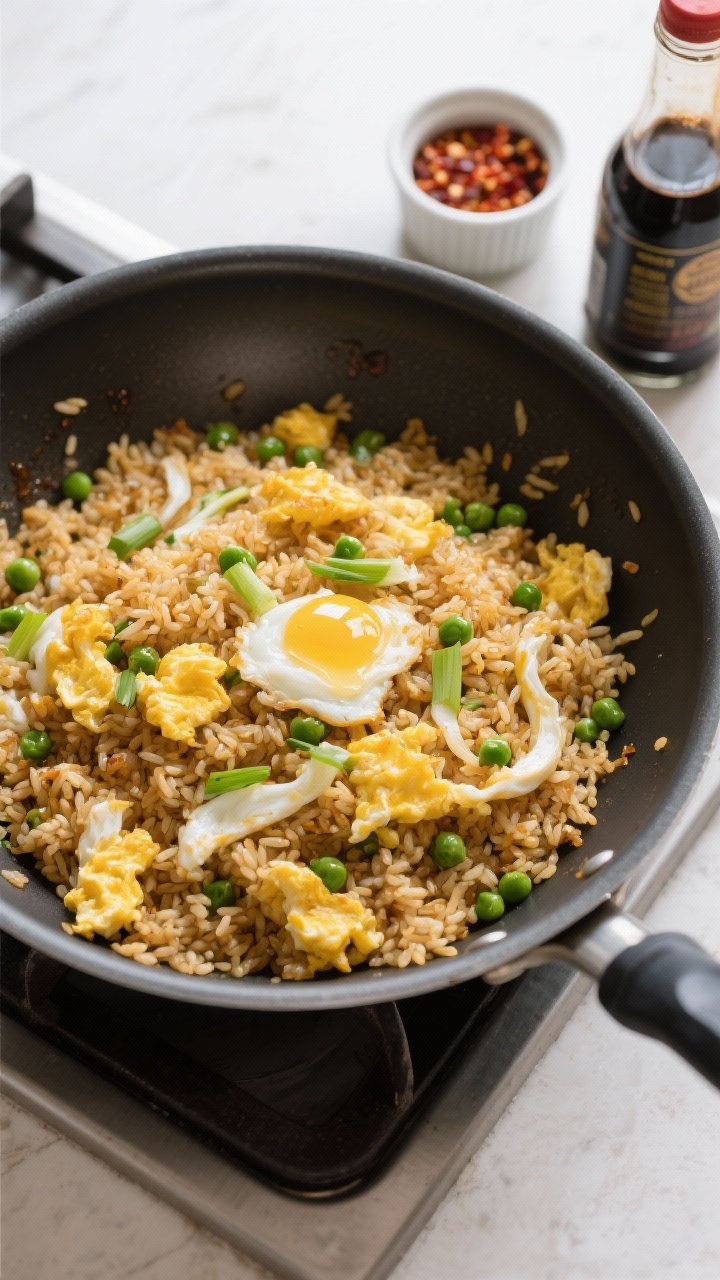
- Five-Minute Egg Fried Rice: Heat oil, add leftover rice, frozen peas, and scallions.Push to the side, scramble eggs, then combine. Season with soy sauce and a touch of butter.
FAQ
How long can I keep prepped ingredients in the fridge?
Most chopped veggies last 3–5 days. Cooked grains and proteins are best within 4 days.
If you won’t use them in time, freeze portions right away.
What should I always have in my pantry for quick meals?
Keep pasta, rice, canned tomatoes, canned beans, coconut milk, broth or bouillon, olive oil, vinegar, soy sauce, and a few ready-to-use sauces like curry paste and pesto.
Is frozen produce as healthy as fresh?
Yes. Frozen produce is picked and frozen at peak ripeness, so it often holds more nutrients than older fresh produce. It’s also a big time saver.
How do I reheat meals without drying them out?
Add a splash of water or broth before reheating.
Cover loosely in the microwave or oven to trap steam. For crispy foods, reheat in a hot skillet or air fryer.
What’s the best shortcut for flavor?
Use acid and heat. A squeeze of lemon or a dash of vinegar plus a pinch of chili flakes can wake up almost any dish fast.
Do I need special equipment to save time?
Not really.
A sharp knife, a big skillet, and a sheet pan do most of the work. A food processor, Instant Pot, or air fryer is helpful, but optional.
Can I meal prep if I don’t like eating the same thing every day?
Prep components, not full meals. Cook plain proteins and grains, chop veggies, and make two sauces.
Mix and match through the week for variety.
Wrapping Up
Time-saving cooking isn’t about shortcuts that cut corners. It’s about planning a little, prepping a few staples, and using simple tools to make weeknights easier. Start with one or two habits—maybe a batch of roasted veggies and a jar of sauce—and build from there.
You’ll spend less time cooking, more time enjoying your food, and you won’t miss the takeout.
Printable Recipe Card
Want just the essential recipe details without scrolling through the article? Get our printable recipe card with just the ingredients and instructions.