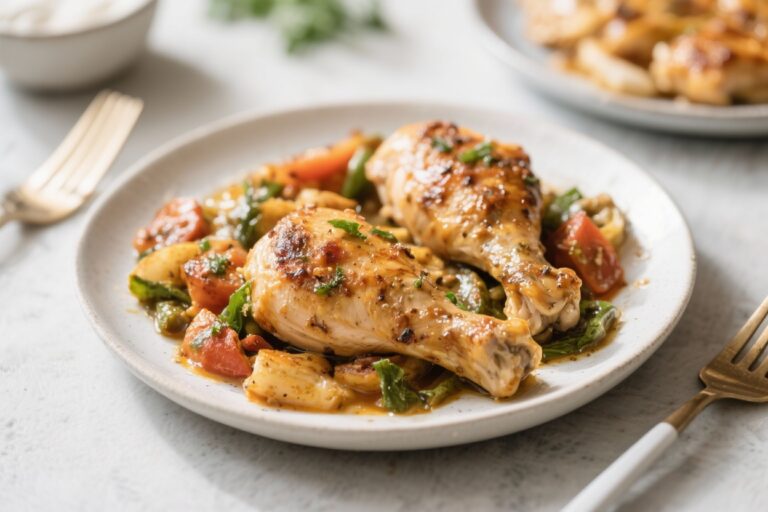
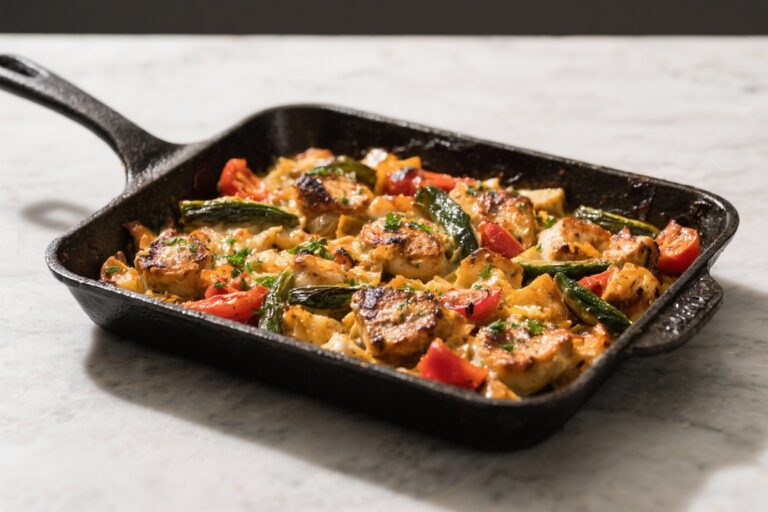
Weeknight Meals That Reheat Well – Simple, Reliable, and Delicious
Weeknight Meals That Reheat Well – Simple, Reliable, and Delicious
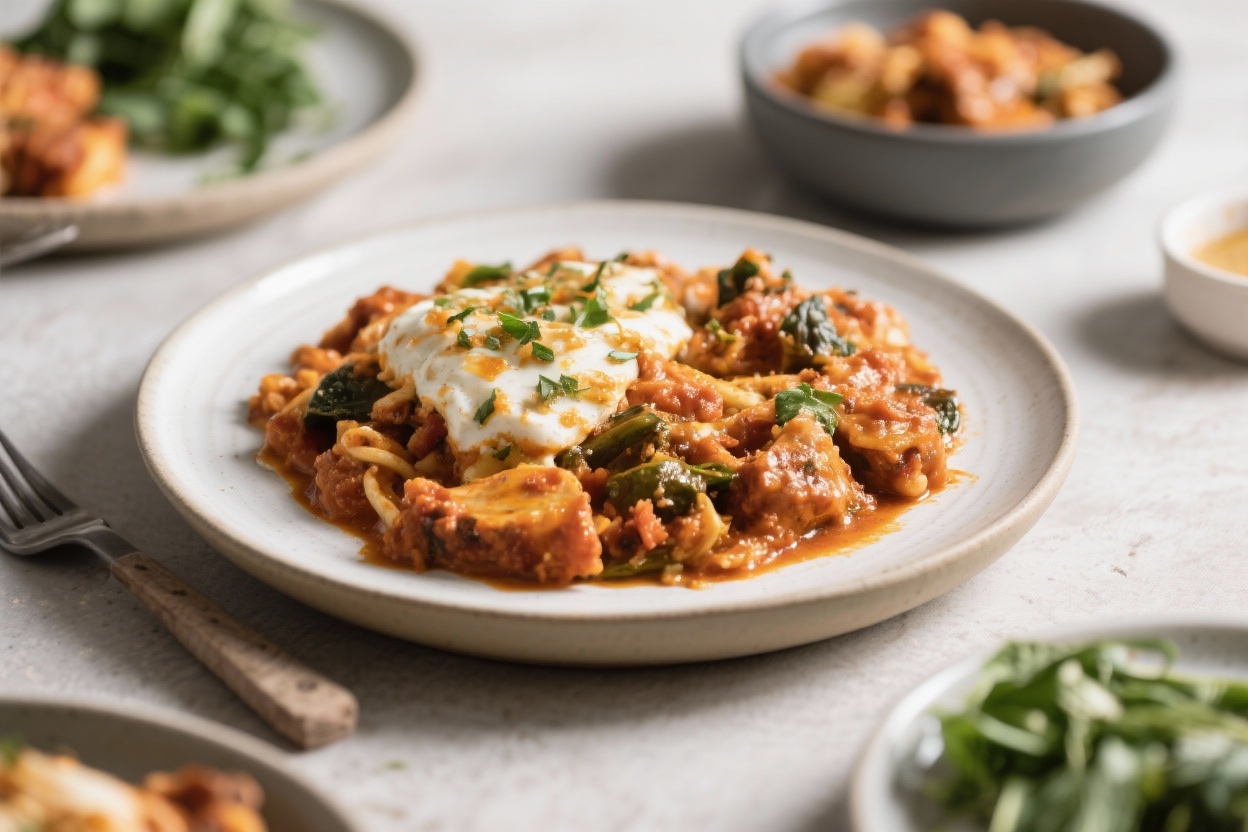
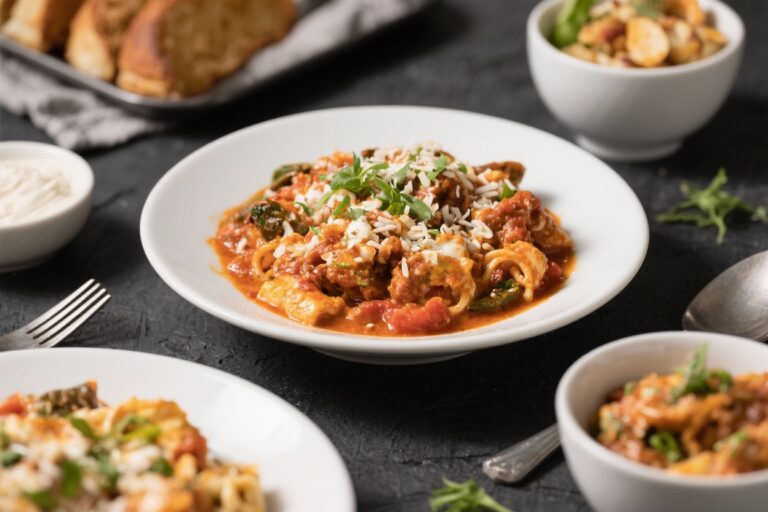
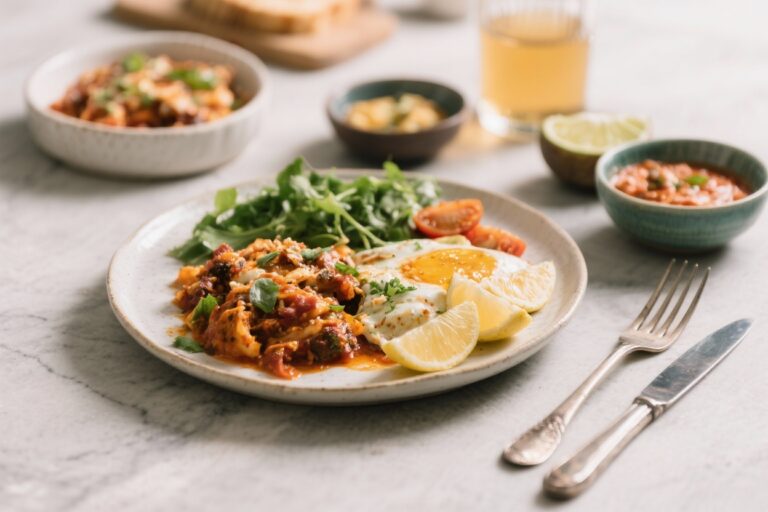
Quick dinners are great, but meals that taste just as good the next day are the real win. Weeknights are busy, and leftovers can be a lifesaver when you’re short on time. The best reheatable meals stay moist, keep their texture, and don’t require fussy reheating. This guide shares a simple, flexible base recipe plus smart variations so you can cook once, eat twice, and still look forward to lunch or dinner tomorrow.
Why This Recipe Works
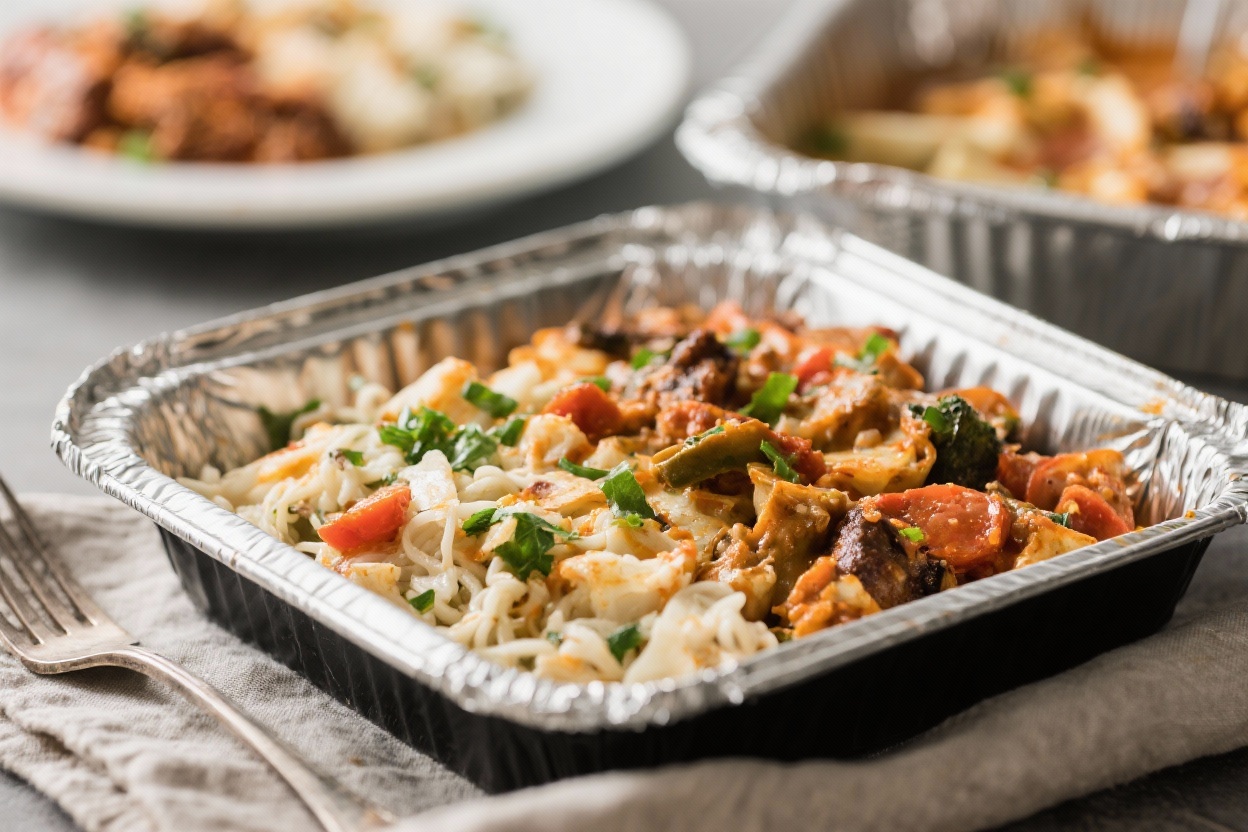
Weeknight meals that reheat well – Weeknight Meals That Reheat Well – Simple, Reliable, and Delicious Quick dinners are great, but meal
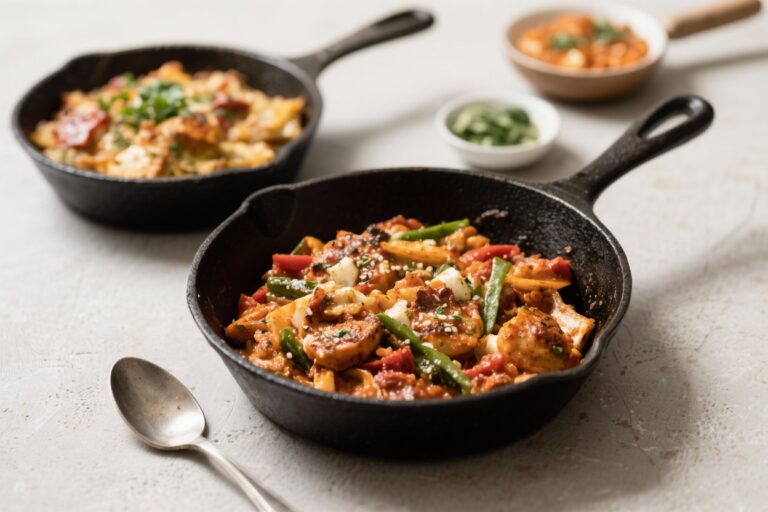
This approach focuses on a one-pan baked chicken and veggie grain bowl with a flavorful sauce. It reheats beautifully because it balances moisture, fat, and structure. The chicken stays juicy, the vegetables hold their bite, and the grains don’t turn mushy. The sauce ties everything together and revives the dish after a stint in the fridge. It’s easy to scale, simple to customize, and friendly to different dietary needs.
Ingredients
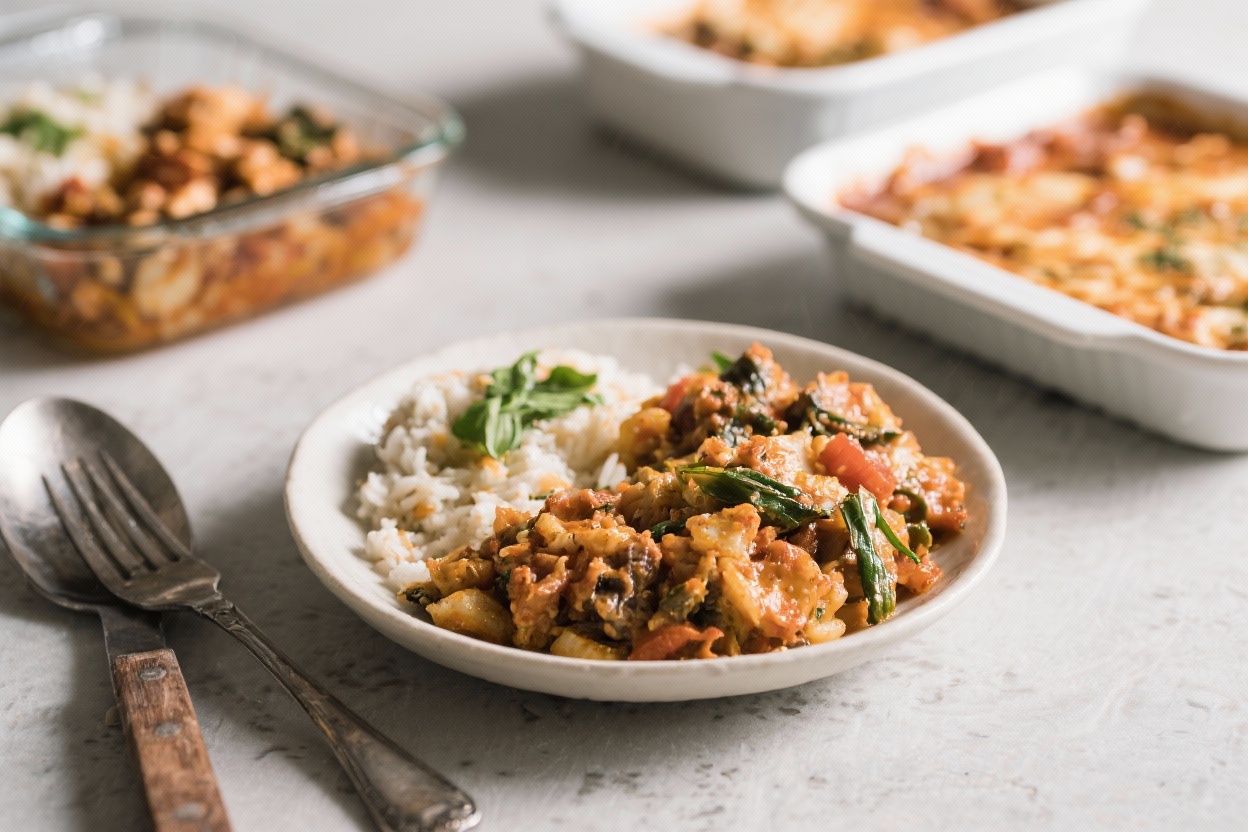
Weeknight meals that reheat well – Weeknights are busy, and leftovers can be a lifesaver when you’re short on time
- Protein: 1.5 pounds boneless, skinless chicken thighs (or firm tofu, pressed, for a vegetarian version)
- Vegetables: 3 cups mixed sturdy veggies (broccoli florets, cauliflower, carrots, bell peppers, or green beans)
- Grains: 2 cups cooked brown rice, quinoa, or farro (day-old rice works great)
- Sauce Base: 1/3 cup low-sodium soy sauce or tamari, 2 tablespoons olive oil, 1 tablespoon rice vinegar or lemon juice
- Aromatics: 3 cloves garlic (minced), 1 tablespoon grated fresh ginger (optional), 1 teaspoon smoked paprika or chili flakes
- Sweetness: 1 tablespoon honey or maple syrup
- Creamy Element (optional but helpful for reheating): 2 tablespoons plain Greek yogurt or tahini stirred into the sauce after baking
- Finish: 2 green onions (sliced), 1/4 cup chopped fresh herbs (cilantro, parsley, or basil), sesame seeds or toasted nuts
- Salt and Pepper: To taste
Instructions
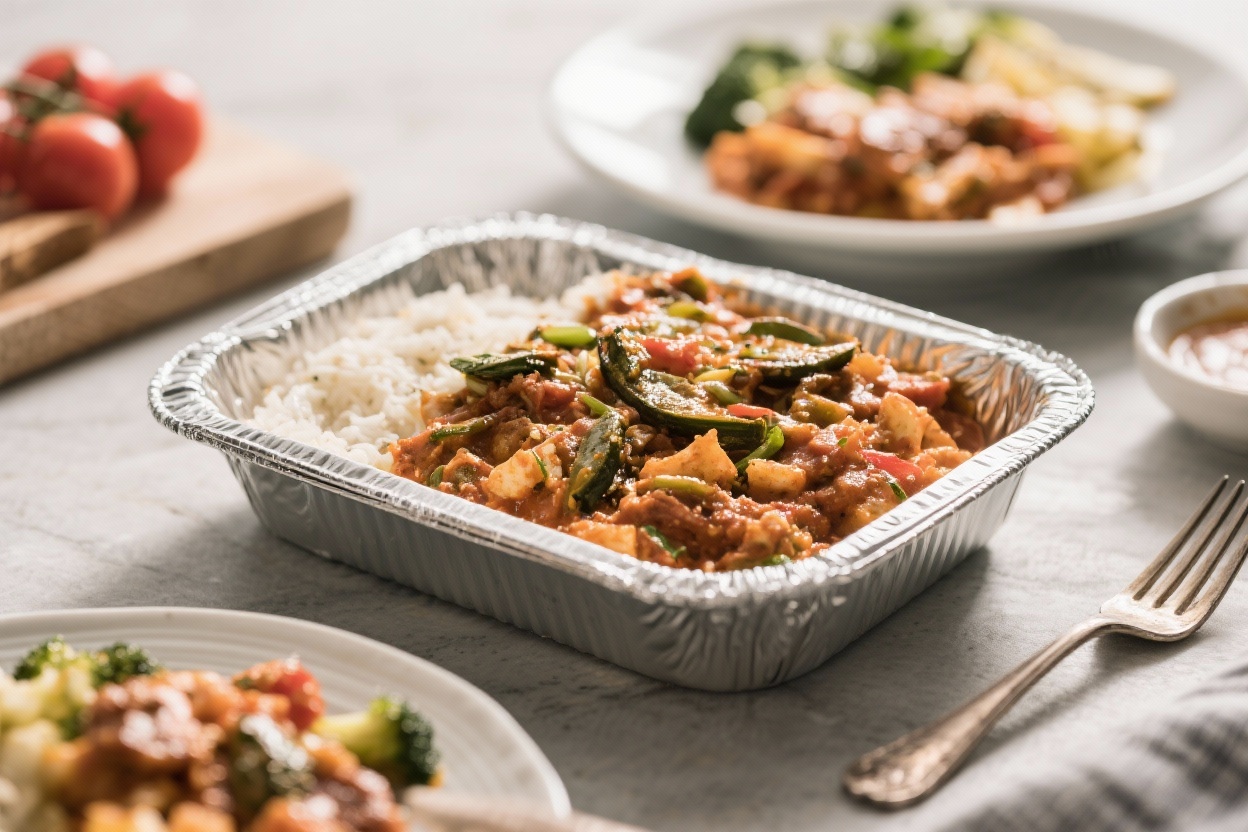
Weeknight meals that reheat well – The best reheatable meals stay moist, keep their texture, and don’t require fussy reheating
- Prep the oven and pan: Heat oven to 425°F (220°C). Line a sheet pan with parchment for easy clean-up.
- Mix the sauce: In a bowl, whisk soy sauce, olive oil, vinegar or lemon juice, garlic, ginger, paprika or chili, and honey. Taste and adjust salt and acid. It should be savory with a slight tang and a hint of sweetness.
- Season the chicken: Pat chicken thighs dry. Toss with half the sauce. Let sit 10 minutes while you prep the vegetables.
- Prep the vegetables: Cut veggies into bite-size pieces. Toss with a drizzle of olive oil, a pinch of salt, and black pepper.
- Bake everything: Spread vegetables on the sheet pan. Nestle chicken on top or beside them. Bake 18–22 minutes, until chicken reaches 165°F (74°C) and veggies are tender with slight browning.
- Cook or warm grains: If not using leftover grains, cook according to package directions. Fluff with a fork. For farro, aim for al dente so it holds up well.
- Add creamy element: Whisk Greek yogurt or tahini into the remaining sauce (off heat) to create a glossy, clingy finish. This helps the dish reheat without drying out.
- Slice and toss: Let chicken rest 5 minutes, then slice or chop. Combine grains, roasted veggies, and chicken in a large bowl. Pour over the rest of the sauce and toss until lightly coated.
- Finish and serve: Top with green onions, herbs, and sesame seeds or nuts. Serve now and pack the rest for later.
- Store: Divide into airtight containers. Add an extra spoonful of sauce to each portion to keep it moist on reheat.
Keeping It Fresh
- Cool quickly: Let leftovers cool for 20–30 minutes, then refrigerate. Don’t leave food out for hours.
- Use shallow containers: They help the food chill faster and keep grains from clumping.
- Store components separately: If you like crisp veggies, keep grains, protein, and sauce in separate containers and combine after reheating.
- Label and rotate: Add a date. Eat within 3–4 days for best flavor and safety.
- Freeze smart: This dish freezes well without the fresh herbs. Freeze in single portions; thaw in the fridge overnight.
Why This is Good for You
- Balanced macros: Protein from chicken or tofu, fiber-rich grains, and a mix of veggies make a filling meal that keeps energy steady.
- Lower sodium, higher flavor: Using low-sodium soy and adding acid, aromatics, and a touch of sweetness builds depth without oversalting.
- Healthy fats: Olive oil and tahini or yogurt provide satiety and help absorb fat-soluble vitamins.
- Veggie variety: Different colors bring different nutrients and antioxidants to support overall health.
What Not to Do
- Don’t overcook the chicken: Dry chicken only gets drier when reheated. Pull it at 165°F and let it rest.
- Don’t cut veggies too small: Tiny pieces go mushy. Keep them bite-sized for better texture the next day.
- Don’t drown the grains: Too much sauce upfront can make grains soggy. Save some to add right before eating or reheating.
- Don’t skip acid: A splash of vinegar or lemon brightens flavors after chilling. Bland leftovers are usually missing acid, not salt.
Alternatives
- Protein swaps: Use turkey thighs, pork tenderloin, canned chickpeas (patted dry), or salmon. For salmon, bake separately and reduce cook time to 10–12 minutes.
- Veggie swaps: Use Brussels sprouts, sweet potatoes, zucchini, or red onion. Avoid high-water veggies (like cucumber) for reheating.
- Grain swaps: Try barley, couscous, wild rice, or a short pasta like farfalle. Farro and barley hold texture best.
- Sauce variations: Go Mediterranean (olive oil, lemon, oregano), smoky BBQ (paprika, a splash of BBQ sauce), or peanut-lime (peanut butter, lime juice, soy, chili).
- Dairy-free: Use tahini or a little coconut milk in place of yogurt for the creamy element.
- Gluten-free: Use tamari and naturally gluten-free grains like rice or quinoa.
FAQ
How should I reheat without drying everything out?
Add a spoonful of water or extra sauce to the container, cover loosely, and microwave in 45–60 second bursts, stirring between rounds. On the stovetop, add a splash of water or broth and warm over low heat with a lid.
Can I meal prep this for the whole week?
It’s best within 3–4 days. If you need more days, freeze half in single portions and thaw midweek. The texture stays better that way.
What if I only have chicken breasts?
Use them, but halve them horizontally for even cooking. Bake to 160–162°F and let carryover heat finish the job. Slice after resting to keep juices in.
How do I keep veggies from getting soggy?
Roast them until they get some browned edges. Store separately from the sauce if you want more bite. Reheat veggies briefly so they don’t overcook.
Which grain reheats best?
Farro and brown rice hold their shape and chew very well. Quinoa is fine too, but fluff it well and avoid over-saucing.
Can I make it spicier?
Yes. Add chili flakes to the sauce or swirl in sriracha or gochujang. Taste as you go so heat doesn’t overpower everything else.
What if I don’t eat soy?
Use coconut aminos and a pinch of salt. Balance with lemon or rice vinegar so the flavor stays bright.
How do I pack this for lunch?
Use a microwave-safe container. Keep a small container of extra sauce or lemon juice to add right after warming. It makes leftovers taste freshly cooked.
In Conclusion
Weeknight meals that reheat well are all about balance: juicy protein, sturdy vegetables, and grains that stay tender. A flavorful sauce and a touch of creaminess make leftovers taste fresh, not flat. With this simple sheet-pan method and flexible sauce, you can cook once and enjoy easy, satisfying meals for days. Keep it simple, store it smart, and don’t forget that splash of acid when you reheat.
Printable Recipe Card
Want just the essential recipe details without scrolling through the article? Get our printable recipe card with just the ingredients and instructions.