Are Refried Beans Healthy for Weight Loss? A Dietitian’s Guide

Healthy Homemade Refried Beans for Weight Loss
A dietitian-approved refried beans recipe made with minimal oil and no added salt, packed with fiber and plant protein to support weight loss and satiety.
Ingredients
- 1 tablespoon olive oil
- 1/2 medium onion, finely chopped
- 2 cloves garlic, minced
- 1 (15-ounce) can low-sodium pinto beans, drained and rinsed
- 1/2 cup low-sodium vegetable broth
- 1/2 teaspoon ground cumin
- 1/4 teaspoon chili powder
- 1/4 teaspoon black pepper
- 1 tablespoon fresh lime juice
- 2 tablespoons chopped fresh cilantro (optional)
Instructions
- Heat olive oil in a medium skillet over medium heat. Add onion and cook until soft, about 4 minutes. Add garlic and cook 1 minute more.
- Add pinto beans, vegetable broth, cumin, chili powder, and black pepper. Bring to a simmer and cook for 10 minutes, stirring occasionally.
- Remove from heat. Mash beans with a potato masher or fork until desired consistency (smooth or chunky).
- Stir in lime juice and cilantro. Adjust seasoning with more pepper or lime juice if needed. Serve warm.
- For extra creaminess without added fat, mash in 1/4 cup of the bean cooking liquid or extra broth.
- Store leftovers in an airtight container in the refrigerator for up to 5 days. Reheat with a splash of water or broth.
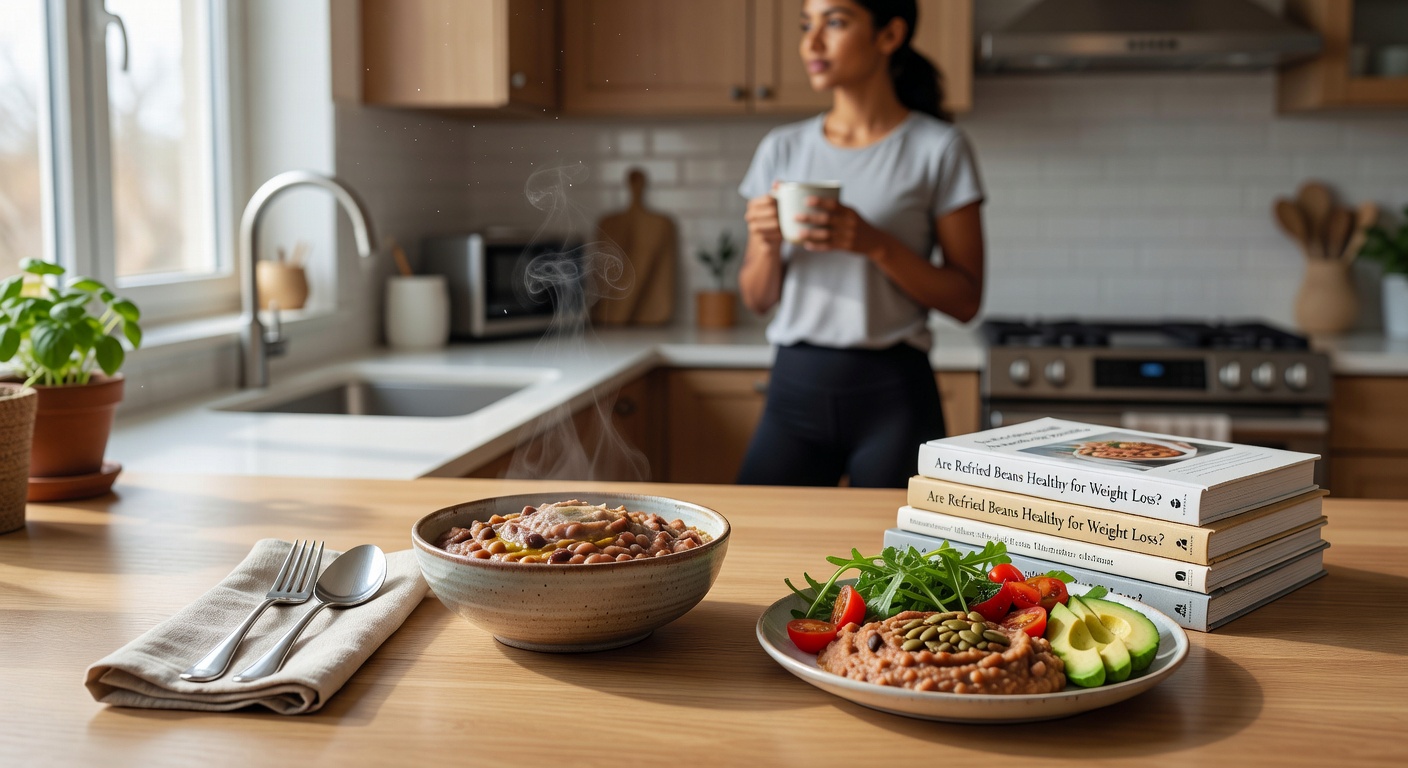
- Pair with a large salad or grilled vegetables for a low-calorie, high-fiber meal.
Refried beans are a beloved staple in Mexican and Tex-Mex cuisine, often served as a side dish or stuffed into tacos and burritos. But if you’re watching your weight, you might wonder: are refried beans healthy for weight loss? The answer isn’t a simple yes or no. It depends on how they’re made, what you add to them, and how much you eat.
Traditional refried beans are made from pinto beans that are cooked, mashed, and then fried—usually in lard or oil. This process gives them a creamy texture and rich flavor, but it can also add extra fat and calories. However, beans themselves are a nutritional powerhouse, packed with fiber, protein, and essential minerals. So, while the “refried” part might sound unhealthy, the base ingredient is anything but.
In this guide, we’ll explore the nutritional profile of refried beans, compare popular brands like Old El Paso and Rosarita, and give you practical tips for incorporating them into a weight loss diet. By the end, you’ll know exactly how to enjoy refried beans without derailing your goals.
What Are Refried Beans? A Quick Overview
What Are Refried Beans? A Quick Overview
Refried beans are a classic staple in Mexican and Tex-Mex cuisine, made primarily from pinto beans that are cooked, mashed, and then fried. Despite the name, “refried” is a mistranslation of the Spanish term refritos, which means “well-fried” or “fried thoroughly,” not fried twice. Traditionally, the beans are cooked until soft, mashed into a paste, and then fried in lard or oil, often with onions, garlic, and spices for added flavor. This process gives them a creamy, rich texture that pairs perfectly with tacos, burritos, or as a side dish.
Are Refried Beans Fattening?
The answer depends on how they’re made and what you add. Traditional refried beans made with lard can be higher in saturated fat and calories, but many modern versions use healthier oils like vegetable or olive oil. For example, a 100-gram serving of traditional refried beans has only about 90 calories and 1 gram of fat, making them surprisingly low in calories. However, the concern often lies in portion sizes and toppings—adding sour cream, cheese, or large amounts of oil can quickly turn a healthy dish into a calorie-dense one. If you’re wondering, “are refried beans fattening,” the key is moderation and preparation. Canned options like Old El Paso or Rosarita refried beans can vary; some are lower in fat and sodium, while others may contain added preservatives. Always check labels to see if they fit your weight loss goals.
Are Refried Beans a Good Source of Fiber?
Yes, refried beans are an excellent source of dietary fiber. A 100-gram serving provides about 6 grams of fiber, which supports digestive health, helps regulate blood sugar, and promotes a feeling of fullness—crucial for weight loss. This high fiber content also means they have a low glycemic index, so they won’t spike your blood sugar. When asking “are refried beans good fiber,” the answer is a clear yes. However, the healthiness of canned brands like Old El Paso or Rosarita refried beans depends on added salt and fat. Opt for low-sodium or organic versions to maximize benefits. Pairing refried beans with vegetables or whole grains can create a nutrient-dense, low-calorie meal that aids in appetite control and sustained energy.
Nutritional Profile: Calories, Protein, and Fiber
Calories and Macronutrient Breakdown
A standard half-cup serving of refried beans typically provides between 120 and 150 calories. This calorie count is moderate, making them a filling addition to a weight loss meal without being excessive. The macronutrient profile is particularly favorable: you get about 7 grams of protein and 6 grams of fiber, with only 3 to 5 grams of fat. This combination is key for satiety—protein helps maintain muscle mass and keeps you full, while fiber slows digestion and stabilizes blood sugar. However, one common concern is sodium, which can range from 400 to 600 milligrams per serving. This is significant, especially if you are watching your salt intake for blood pressure management. When asking “are refried beans fattening,” the answer largely depends on preparation and portion size; a half-cup serving is not inherently fattening, but larger portions or added fats can change that.
Fiber and Protein: The Satiety Duo
The high fiber content in refried beans is a major asset for weight loss. With around 6 grams per serving, they contribute significantly to the daily recommended intake of 25 to 30 grams. This fiber supports digestive health and promotes a feeling of fullness, which can help you eat fewer calories overall. The 7 grams of protein further enhance satiety by reducing hunger hormones. This makes refried beans an excellent choice for a satisfying meal component. For example, pairing them with vegetables or a small portion of whole grains can create a balanced, low-calorie plate. When considering “are refried beans good fiber,” the answer is a clear yes—they are an excellent source, especially when made from whole pinto beans.
Comparing Brands and Making Smart Choices
Not all refried beans are created equal. Canned varieties like Old El Paso and Rosarita often have added fats and higher sodium levels. For instance, “are old el paso refried beans healthy” or “are rosarita refried beans healthy” depends on the specific product. Look for “fat-free” or “low-sodium” versions, which can reduce calories and salt. Traditional homemade refried beans, made with minimal oil and no lard, are generally the healthiest option. They retain the natural benefits of beans without unnecessary additives. Ultimately, when evaluating “are refried beans fattening,” focus on the ingredients and portion size. A half-cup of a well-chosen brand or homemade version can be a powerful tool in a weight loss plan, providing lasting energy and curbing cravings.
Are Refried Beans Good for Weight Loss? The Science
The Satiety Power of Fiber and Protein
Refried beans are a surprisingly effective tool for weight loss, primarily because of their high fiber and protein content. A single serving of traditional refried beans delivers about 6 grams of fiber per 100 grams, which is a significant amount for a plant-based food. This fiber slows digestion, keeping you feeling full longer and reducing the urge to snack between meals. The protein, while not as high as animal sources, also contributes to satiety by lowering levels of the hunger hormone ghrelin. Together, these nutrients help you naturally eat fewer calories throughout the day without feeling deprived. This is why many people ask, “are refried beans fattening?”—the answer is no when eaten in sensible portions, as the fiber and protein actually support appetite control.
Blood Sugar Stability and Low Glycemic Index
Another key reason refried beans aid weight loss is their low glycemic index (GI). Unlike refined carbohydrates that spike blood sugar and trigger cravings, refried beans release glucose slowly into the bloodstream. This steady energy prevents the insulin surges that promote fat storage and hunger. For example, pairing refried beans with a high-fiber vegetable like bell peppers or a small amount of lean protein creates a balanced meal that stabilizes blood sugar for hours. This makes them an excellent choice for anyone managing weight or diabetes. When considering brands like Old El Paso or Rosarita, check labels for added sugars or starches, as these can raise the GI. Generally, are Old El Paso refried beans healthy? They can be, especially if you choose the “traditional” or “fat-free” varieties, which often have minimal additives. Similarly, are Rosarita refried beans healthy? Their “vegetarian” versions are typically lower in saturated fat and sodium, making them a better option for weight loss.
Portion Control and the Fat Factor
While refried beans are nutrient-dense, their calorie content can add up quickly if you overdo it or load them with high-fat toppings. Traditional refried beans have only about 90 calories per 100 grams and 1 gram of fat, but many canned versions include lard or added oils that increase saturated fat and calories. For weight loss, stick to a serving size of about half a cup (roughly 120 grams) and avoid drowning them in sour cream, cheese, or heavy oils. Instead, enhance flavor with fresh salsa, cilantro, or a squeeze of lime. Remember, are refried beans good fiber? Absolutely—they are an excellent source, but the fiber works best when you control portions. By keeping added fats minimal and choosing low-sodium, low-fat varieties, refried beans become a powerful ally in your weight loss journey, not a hindrance.
Are Refried Beans Fattening? Separating Myth from Fact
The Calorie Truth: Beans vs. Fat
The short answer is no—refried beans are not inherently fattening. Weight gain occurs when you consistently consume more calories than your body burns, not from eating beans themselves. A traditional serving of refried beans (about 100 grams) contains roughly 90 calories and only 1 gram of fat. The real issue is what gets added. Homemade refried beans, made with a small amount of oil or broth, are a lean, nutrient-dense choice. In contrast, restaurant or canned versions—especially those from brands like Old El Paso or Rosarita—can be loaded with lard, cheese, or sour cream, which dramatically increase calories and saturated fat. So, are refried beans fattening? Only when they’re drowned in extra fats.
Homemade vs. Restaurant: The Fat and Sodium Divide
The health impact of refried beans depends heavily on how they’re prepared. Homemade versions allow you to control ingredients: use a teaspoon of olive oil instead of lard, and skip the cheese. This keeps the dish low in calories and saturated fat. On the other hand, restaurant refried beans are often cooked with lard or bacon fat, and many canned brands add extra salt and preservatives. For example, are Old El Paso refried beans healthy? They can be a convenient option, but check the label—some varieties contain added fat and up to 400 mg of sodium per serving. Similarly, are Rosarita refried beans healthy? Their traditional recipe may include lard, but their “vegetarian” or “low-fat” versions are better choices. Always read nutrition facts to avoid hidden calories.
Fiber, Fullness, and Weight Loss Support
Refried beans are actually a powerful tool for weight loss because of their high fiber content. Are refried beans good fiber? Absolutely—a 100-gram serving delivers about 6 grams of fiber, which promotes satiety, stabilizes blood sugar, and reduces cravings. This fiber, combined with plant protein and complex carbohydrates, helps you feel full longer, making it easier to stick to a calorie deficit. The key is portion control: stick to a half-cup serving and pair it with vegetables or a small amount of whole grains. Avoid piling on high-calorie toppings like cheese or sour cream. When eaten mindfully, refried beans support weight loss by curbing appetite and providing steady energy—not by adding fat.

Are Old El Paso Refried Beans Healthy? Brand Analysis
What’s in the Can? Nutrition Label Breakdown
Old El Paso refried beans are a convenient pantry staple, but their health profile for weight loss depends heavily on which variety you choose. A standard serving (about 1/2 cup) of their traditional refried beans contains roughly 120–140 calories, 2–3 grams of fat (mostly from lard or vegetable oil), and 6–7 grams of fiber. That fiber content is a strong point—are refried beans good fiber? Yes, they provide about 25% of your daily fiber needs per serving, which supports fullness and digestive health. However, the sodium is a major concern: one serving packs 400–500 mg, nearly 20% of the recommended daily limit. If you’re asking “are refried beans fattening,” the answer is not inherently, but high sodium can lead to water retention and bloating, masking true weight loss progress.
Traditional vs. Vegetarian and Fat-Free Options
Old El Paso offers several versions that cater to different dietary needs. Their traditional refried beans are made with lard, adding saturated fat and about 1.5 grams per serving. For a lighter choice, the vegetarian or “fat-free” varieties replace lard with vegetable oil or omit added fats entirely. The fat-free version drops to 0 grams of fat and around 100 calories per serving, though it may have slightly less creamy texture. Both options still deliver the same fiber and protein (about 6–7 grams each), making them a solid base for a weight-loss meal. When comparing brands, you might wonder “are rosarita refried beans healthy” or “are old el paso refried beans healthy”—Rosarita’s traditional version has similar calories and sodium, but their “no fat” line is comparable. The key is to read labels: choose the lowest sodium and fat content without sacrificing fiber.
Practical Tips for Weight Loss Use
Old El Paso refried beans are convenient, but their high sodium means you should pair them wisely. To keep calories in check, use a half-cup serving as a side or filling, not the main event. Avoid adding extra cheese or sour cream, which can quickly turn a healthy dish into a calorie bomb. Instead, bulk up your meal with fresh vegetables, salsa, or a sprinkle of cilantro. The fiber in these beans helps stabilize blood sugar and curb cravings, so they can be part of a weight loss plan if you control portions. Remember, are refried beans fattening? Only when overeaten or loaded with high-calorie toppings. With mindful choices, Old El Paso refried beans offer a quick, fiber-rich option that supports your goals—just watch the sodium and stick to the vegetarian or fat-free versions for the best balance.
Are Rosarita Refried Beans Healthy? Another Brand Check
Traditional Rosarita: The Lard Factor
Rosarita’s traditional refried beans are a classic pantry staple, but their recipe includes lard, which significantly impacts their health profile. A half-cup serving of the traditional variety contains around 140 calories and 6 grams of fat, with 2.5 grams of saturated fat from the lard. This saturated fat can be a concern if you are asking, “are refried beans fattening?”—especially when paired with other high-fat toppings. While the beans themselves provide 6 grams of fiber and 7 grams of protein, the added lard increases calorie density without boosting nutritional value. For weight loss, this version is best used sparingly or as an occasional treat rather than a daily staple.
Vegetarian and Reduced-Sodium Options: A Healthier Path
Rosarita offers vegetarian refried beans, which replace lard with vegetable oil. This swap cuts saturated fat to just 0.5 grams per serving while keeping the same fiber and protein content. The vegetarian version has about 120 calories per half-cup, making it a lighter choice that still supports satiety. Additionally, Rosarita’s reduced-sodium variety addresses another common concern: salt. Regular refried beans can pack 400–500 mg of sodium per serving, but the reduced-sodium option lowers that to around 200 mg. This is especially helpful for managing blood pressure, a key factor in overall health during weight loss. When comparing brands, you might wonder, “are old el paso refried beans healthy?”—Old El Paso also offers vegetarian and low-sodium versions, but Rosarita’s reduced-sodium option tends to have slightly less salt per serving.
Making the Best Choice for Weight Loss
To maximize the benefits of Rosarita refried beans, choose the vegetarian or reduced-sodium varieties. Their high fiber content—about 6 grams per serving—directly answers the question “are refried beans good fiber?” Yes, and this fiber promotes fullness, stabilizes blood sugar, and supports digestive health. For weight loss, pair a half-cup serving with vegetables or a lean protein source, and avoid heavy additions like sour cream or cheese. This approach keeps calories in check while leveraging the beans’ low glycemic index and plant-based protein. Ultimately, Rosarita’s healthier options allow you to enjoy this Tex-Mex staple without derailing your goals, provided you watch portion sizes and sodium intake.
Are Refried Beans a Good Source of Fiber?
The Fiber Powerhouse in Your Pantry
When you’re focused on weight loss, finding foods that keep you satisfied is key. Refried beans deliver a powerful punch of dietary fiber, with about 6 grams per half-cup serving. This is roughly 24% of the daily recommended intake for women and 16% for men. That fiber works in several ways to support your goals. First, it slows digestion, which helps stabilize blood sugar and prevents the energy crashes that often trigger cravings. Second, fiber adds bulk to your meals, promoting a feeling of fullness that can naturally reduce your overall calorie intake. Compared to other common fiber sources, refried beans hold their own: a half-cup offers more fiber than a slice of whole-wheat bread (2g) or a cup of cooked broccoli (5g), and it’s comparable to a bowl of oatmeal.
How Fiber Aids Digestion and Weight Control
The fiber in refried beans is a mix of soluble and insoluble types, both beneficial for digestive health. Soluble fiber forms a gel-like substance in your gut, which helps regulate bowel movements and can lower cholesterol. Insoluble fiber adds bulk to stool, promoting regularity and preventing constipation. For weight loss, this combination is especially powerful. By keeping your digestive system running smoothly, fiber helps your body efficiently process nutrients and eliminate waste. More importantly, the satiety effect of fiber means you’re less likely to reach for unhealthy snacks between meals. This is why many people wonder, “are refried beans fattening?” The truth is, the high fiber content actually works against weight gain by controlling appetite. However, the answer to “are old el paso refried beans healthy” or “are rosarita refried beans healthy” depends on the specific product—check labels for added fats and sodium, as these can undermine the benefits.
Comparing Refried Beans to Other Fiber Sources
To put the fiber content in perspective, a half-cup of refried beans provides roughly the same amount of fiber as a cup of cooked lentils or a medium pear with skin. Unlike many fruits and vegetables, refried beans also offer a significant amount of plant-based protein (about 7g per half-cup), which further enhances satiety. This combination makes them a more complete choice for weight loss than fiber alone. For example, while a bowl of bran cereal might have similar fiber, it lacks the protein and complex carbohydrates that make refried beans a balanced, low-glycemic option. So, are refried beans a good fiber source? Absolutely—they are one of the most fiber-dense foods you can easily add to your diet, provided you choose versions with minimal added fat and salt.
How to Choose the Healthiest Refried Beans (Canned or Homemade)
Read the Label: Sodium and Fat Content
When choosing canned refried beans, the first step is to scrutinize the nutrition facts panel. Many commercial brands add significant amounts of sodium and saturated fat, which can undermine weight loss efforts. For example, a half-cup serving of some refried beans can contain over 500 mg of sodium—about 20% of the daily recommended limit. Look for options with less than 300 mg of sodium per serving. Also, check the total fat content; aim for brands with 2 grams of fat or less per serving, and avoid those with trans fats or high saturated fat levels. This is key to answering the question, “are refried beans fattening?”—the answer often lies in the added ingredients, not the beans themselves.
Opt for Vegetarian or Fat-Free Versions
Traditional refried beans are often cooked with lard, which adds unhealthy saturated fat and calories. To make a healthier choice, select “vegetarian” or “fat-free” varieties. Vegetarian refried beans use vegetable oil instead of lard, significantly reducing saturated fat. For instance, are Old El Paso refried beans healthy? Their vegetarian version typically has less fat than the traditional recipe. Similarly, are Rosarita refried beans healthy? Rosarita offers a “Vegetarian” option with only 1.5 grams of fat per serving. These versions still provide the creamy texture and flavor you crave, but without the extra baggage that can stall weight loss.
Consider Low-Sodium and Homemade Options
Even with vegetarian choices, sodium can be a concern. Look for “low-sodium” or “no salt added” labels to keep your blood pressure in check and avoid water retention. For ultimate control, making your own refried beans is surprisingly simple. Start with canned or dried pinto beans, then mash them with a small amount of olive oil instead of lard or butter. Season with spices like cumin, chili powder, and garlic—this adds flavor without extra salt. Homemade versions let you manage both fat and sodium, and you can boost the fiber content by leaving some beans whole. Since are refried beans good fiber? Yes—a half-cup provides about 6 grams of fiber, which promotes fullness and stable blood sugar, making them a smart addition to a weight loss diet. By following these steps, you can enjoy refried beans as a nutritious, satisfying component of your meals.
Common Mistakes to Avoid When Eating Refried Beans for Weight Loss
Portion Control: Why Size Matters
One of the biggest pitfalls is treating refried beans as an unlimited side dish. Even though beans are packed with fiber and protein, a serving size is just 1/2 cup. Eating a heaping bowl can quickly add up to 300–400 calories, which may make you wonder, “are refried beans fattening?” The truth is, they are not inherently fattening—it’s the portion that often leads to excess calories. Stick to a measured half-cup to keep your meal balanced and support weight loss. This amount provides about 6 grams of fiber, which promotes fullness and helps control appetite, as noted by research on their low glycemic index.
Toppings and Pairings: The Hidden Calorie Bombs
Another common mistake is loading refried beans with high-calorie toppings. Sour cream, shredded cheese, and guacamole can add 100–200 extra calories per tablespoon. Instead, opt for fresh salsa, chopped cilantro, or a squeeze of lime for flavor without the fat. Similarly, pairing refried beans with fried tortilla chips or heavy rice dishes can sabotage your efforts. Chips alone can pack 150–300 calories per serving, while a cup of white rice adds about 200 calories. For a lighter meal, serve beans with a side of vegetables or a small corn tortilla.
Choosing the Right Brand: What to Look For
Not all canned refried beans are created equal. When shopping, check labels carefully. Many people ask, “are old el paso refried beans healthy?” or “are rosarita refried beans healthy?” The answer depends on the ingredients. Some brands add sugar, hydrogenated oils, or excessive sodium, which can increase calorie density and harm heart health. Look for options with no added sugar, minimal saturated fat, and low sodium—ideally under 300 mg per serving. Traditional refried beans have only about 90 calories per 100 grams with 1 gram of fat, so choose brands that stay close to this profile. Remember, “are refried beans good fiber?” Yes, they are an excellent source, but only if the brand doesn’t dilute their nutritional value with unhealthy additives. By avoiding these common mistakes, you can enjoy refried beans as a satisfying, weight-loss-friendly food.
Expert Tips for Incorporating Refried Beans into a Weight Loss Diet
Creative and Balanced Ways to Enjoy Refried Beans
One of the best ways to incorporate refried beans into a weight loss diet is by using them as a base for a hearty burrito bowl. Start with a controlled portion—about half a cup—of low-sodium refried beans, then layer on fresh vegetables like diced tomatoes, bell peppers, and shredded lettuce. Add a spoonful of salsa for flavor without excess calories. This combination provides a satisfying mix of fiber and nutrients, helping you feel full longer. If you’re wondering, “are refried beans fattening?” the answer lies in portion size and toppings. When paired with veggies and salsa, they become a lean, filling meal component.
For a quick breakfast, spread a thin layer of refried beans on whole-grain toast. This high-fiber start to your day supports digestive health and stabilizes blood sugar, thanks to the 6 grams of fiber per 100 grams found in traditional refried beans. Top with a poached egg or avocado slices for healthy fats and protein. This meal is a practical answer to “are refried beans good fiber?”—yes, they are an excellent source, especially when you choose brands with minimal added fats.
Smart Pairings and Portion Control
Mixing refried beans with scrambled eggs is another versatile option. Whisk two eggs with a quarter cup of refried beans, then cook with a splash of water instead of oil. This boosts protein and fiber without extra calories. To address concerns like “are old el paso refried beans healthy” or “are rosarita refried beans healthy,” check labels for sodium content—opt for reduced-sodium versions to keep your diet on track. Traditional refried beans have only about 90 calories per 100 grams and minimal fat, so they are not inherently fattening. Weight gain typically comes from large portions or high-calorie add-ons like cheese and sour cream.
Balance is key. Pair your refried bean dish with nutrient-dense foods like leafy greens, grilled chicken, or quinoa. This ensures you get a range of vitamins and minerals while keeping calories in check. Remember, refried beans have a low glycemic index, which helps control appetite and supports steady energy. By focusing on portion control—around half a cup per serving—and choosing whole-food toppings, you can enjoy refried beans as a healthy, weight-loss-friendly staple.
Frequently Asked Questions About Refried Beans and Weight Loss
Can I eat refried beans every day on a diet?
Yes, you can eat refried beans daily on a weight loss diet, but portion control and preparation matter most. A standard half-cup serving of traditional refried beans contains about 90–120 calories, 6 grams of fiber, and minimal fat (around 1 gram). This high fiber content promotes fullness and helps control appetite, making it easier to stick to a calorie deficit. However, many canned brands like Old El Paso or Rosarita add extra fat, salt, and preservatives. For example, some varieties pack up to 400–500 mg of sodium per serving, which can lead to water retention and bloating. To keep them diet-friendly, choose low-sodium or organic versions, or make your own by mashing cooked pinto beans with minimal oil. Pair them with vegetables or a lean protein source for a balanced meal. While are refried beans fattening? Not inherently—weight gain comes from oversized portions or heavy toppings like cheese and sour cream.
Are black refried beans healthier than pinto?
Both black and pinto refried beans offer excellent nutrition, but black beans have a slight edge in certain areas. Black beans provide more anthocyanins—antioxidants that support heart health—and slightly higher fiber content (about 7.5 grams per half-cup versus 6 grams in pinto). Pinto beans, however, are richer in magnesium and folate. When comparing are old el paso refried beans healthy or are rosarita refried beans healthy, the answer depends on the specific product. Many canned versions of both types contain added lard or hydrogenated oils, which increase saturated fat. For weight loss, choose brands that list beans, water, and spices as the main ingredients, and avoid those with added sugar or preservatives. Ultimately, the healthiest choice is the one with the least processing—whether black or pinto, homemade refried beans are your best bet.
Do refried beans cause bloating?
Bloating from refried beans is common but manageable. Beans contain complex carbohydrates called oligosaccharides that can be hard to digest, leading to gas and discomfort. However, refried beans are often easier on the stomach than whole beans because the mashing process breaks down some of these fibers. To minimize bloating, rinse canned beans thoroughly to reduce sodium, which can cause water retention. Also, start with small portions—like a quarter-cup—and gradually increase intake to allow your gut to adapt. The high fiber in refried beans (about 6 grams per serving) actually supports digestive health over time by feeding beneficial gut bacteria. If you’re concerned, pair them with digestive aids like cumin or epazote, which are traditional spices that reduce gas. Overall, are refried beans good fiber? Absolutely—they’re an excellent source, and the fiber aids weight loss by slowing digestion and stabilizing blood sugar.
How do refried beans compare to whole beans for weight loss?
Whole beans and refried beans are both weight-loss-friendly, but they differ in satiety and calorie density. Whole beans retain their shape and take longer to chew, which may increase feelings of fullness. Refried beans, being mashed, have a smoother texture that can be easier to overeat if not portioned. However, refried beans have a lower glycemic index (GI) than many whole bean varieties, meaning they cause a slower rise in blood sugar—helpful for appetite control. Calorie-wise, they’re similar: a half-cup of whole pinto beans has about 110 calories, while refried beans average 90–120 calories. The key difference is added fats in refried beans—traditional recipes use lard or oil, which can add 20–30 calories per serving. For weight loss, opt for refried beans made with minimal oil or choose whole beans if you prefer a chewier texture. Both provide the fiber and protein that support a healthy diet.
Conclusion
In summary, refried beans can absolutely be a healthy addition to a weight loss diet when you make smart choices. Opt for low-sodium or homemade versions with minimal added fat to keep calories and sodium in check. The high fiber and protein content in beans work together to promote satiety, helping you feel fuller for longer and reducing the urge to overeat later.
However, portion control is key. Stick to a serving size of about half a cup and avoid loading up on heavy toppings like cheese, sour cream, or fried tortilla chips. When eaten in moderation and as part of a balanced meal, refried beans provide essential nutrients without sabotaging your goals.
Take control of your weight loss journey by choosing wisely. Next time you enjoy refried beans, pair them with fresh vegetables, a lean protein, and a sensible portion. Your body will thank you for the nourishing, satisfying fuel.
Frequently Asked Questions
Yes, when chosen wisely. Refried beans are high in fiber and protein, which promote fullness and help control appetite. However, watch for added fats and sodium in canned or restaurant versions. Opt for vegetarian or low-sodium options to support weight loss.
No, refried beans themselves are not fattening. Weight gain comes from excess calories, not beans. Homemade versions with minimal oil are low in calories, while restaurant or traditional recipes with lard or cheese can be higher in calories and saturated fat.
Old El Paso refried beans are convenient but often high in sodium (around 400-500mg per serving). Their traditional version contains lard, adding saturated fat. Choose their vegetarian or fat-free options for a healthier choice with less fat and sodium.
Rosarita's traditional refried beans use lard, increasing saturated fat. However, they offer vegetarian and reduced-sodium versions that are healthier. Check labels to avoid added fats and opt for low-sodium varieties to support weight loss.
Yes, refried beans are an excellent source of fiber, providing about 6g per 1/2 cup serving. This fiber aids digestion, promotes regularity, and helps you feel full longer, which can support weight loss by reducing overall calorie intake.
A typical 1/2 cup serving of refried beans contains about 120-150 calories. The calorie count varies based on added fats like lard or oil. Homemade versions with minimal oil are lower in calories, while restaurant versions may be higher.
Choose homemade refried beans made with olive oil and spices to control ingredients. If using canned, opt for vegetarian or fat-free, low-sodium versions. Pair with vegetables and limit high-calorie toppings like cheese and sour cream to support weight loss.
Yes, refried beans have a low glycemic index, which helps stabilize blood sugar levels. This prevents spikes and crashes, reducing cravings and supporting weight loss by promoting steady energy and appetite control.