Heart Healthy Desserts for Valentine’s Day: 10 Guilt-Free Treats

Heart-Healthy Chocolate Avocado Mousse
A rich, creamy chocolate mousse made with avocado and sweetened with dates. This guilt-free dessert is perfect for Valentine's Day and supports heart health.
Ingredients
- 2 ripe avocados, halved and pitted
- 1/4 cup unsweetened cocoa powder
- 1/4 cup pitted Medjool dates, soaked in warm water for 10 minutes and drained
- 1/4 cup unsweetened almond milk
- 1 teaspoon vanilla extract
- Pinch of sea salt
- Optional: fresh berries for garnish
Instructions
- Scoop the avocado flesh into a food processor or high-speed blender.
- Add the cocoa powder, soaked dates, almond milk, vanilla extract, and sea salt.
- Blend until completely smooth and creamy, scraping down the sides as needed.
- Divide the mousse evenly among four small serving dishes.
- Refrigerate for at least 30 minutes to chill and set.
- Garnish with fresh berries before serving, if desired.
- For a sweeter mousse, add an extra date or a teaspoon of maple syrup.
- Store leftovers in an airtight container in the refrigerator for up to 2 days.
Valentine’s Day is synonymous with love, romance, and—let’s be honest—sweets. But if you’re watching your heart health, the usual sugar-laden treats can feel off-limits. The good news? You don’t have to sacrifice flavor for health. With a few smart swaps and whole-food ingredients, you can create heart healthy desserts that are just as decadent and satisfying.
From creamy cheesecake to warm peach cobbler, these recipes focus on natural sweetness from fruits like dates and bananas, and use heart-friendly fats and whole grains. Whether you’re planning a romantic dinner for two or a Galentine’s Day gathering, these desserts prove that taking care of your heart can be deliciously sweet.
What Makes a Dessert Heart Healthy?
The Core Principle: Less of the Bad, More of the Good
A truly heart-healthy dessert isn’t about deprivation; it’s about smart substitutions. The goal is to minimize ingredients that can negatively impact cardiovascular health—namely, added sugars, saturated fats, and excessive sodium. Instead, the focus shifts to whole foods that actively support your heart. This means swapping refined white flour for fiber-rich oats or almond flour, and replacing butter with unsaturated fats from nuts or avocados. The sweetness should come primarily from nature: ripe bananas, Medjool dates, or a small amount of pure maple syrup. A heart healthy cheesecake, for example, might use a crust of walnuts and dates instead of graham crackers and butter, with a filling sweetened by fruit and a touch of honey.
Sweeten with Whole Foods, Not a Sugar Rush
The most impactful change you can make is rethinking your sweetener. Many recipes rely on a heavy hand of white or brown sugar, which offers empty calories and can spike blood sugar. A heart-healthy approach leverages the natural sweetness of fruits. For instance, a heart healthy peach cobbler recipe can be made with fresh or frozen peaches, a touch of cinnamon, and a topping of oats and a small amount of coconut oil, rather than a sugary syrup and butter-laden biscuit. Similarly, heart healthy rice pudding can be made creamy with unsweetened almond milk and sweetened with mashed banana or a few chopped dates, eliminating the need for added sugar entirely. This not only reduces sugar intake but also adds fiber, vitamins, and antioxidants.
Embrace Healthy Fats and Fiber
Don’t fear fat—fear the wrong kind of fat. Heart-healthy desserts celebrate unsaturated fats from sources like nuts, seeds, and avocados. These fats can help lower bad cholesterol. Fiber is another critical component, as it helps manage blood sugar and cholesterol levels. Oats, chia seeds, and ground flaxseed are excellent additions. For a heart healthy pie, consider a crust made from almond flour and a filling rich in berries or dark chocolate (at least 70% cocoa). The fiber from the nuts and fruit, combined with the antioxidants in the cocoa, creates a dessert that is both satisfying and supportive of your cardiovascular system. The key is to see dessert as an opportunity to nourish, not just to indulge.
Top 5 Heart Healthy Desserts for Valentine’s Day
Heart Healthy Cheesecake and Pies
Indulging in a creamy cheesecake or a slice of pie on Valentine’s Day doesn’t have to mean compromising your heart health. A heart healthy cheesecake can be made by swapping traditional cream cheese for a blend of low-fat Greek yogurt and reduced-fat cream cheese, which cuts saturated fat while boosting protein. Sweeten it naturally with mashed bananas or dates instead of refined sugar—research from marisamoore.com highlights that dates are excellent for adding sweetness without artificial additives. For heart healthy pies, focus on whole-food crusts made from oats or almond flour, and fillings rich in antioxidants, like mixed berries or dark cherries. A berry pie, for instance, provides fiber and polyphenols that support cardiovascular function. These desserts often use minimal added sugar, relying on fruit’s natural sweetness to satisfy cravings while keeping your heart in mind.
Heart Healthy Peach Cobbler and Rice Pudding
A heart healthy peach cobbler recipe is a warm, comforting choice that’s easy to lighten up. Use fresh or frozen peaches (unsweetened) as the base, which are packed with vitamin C and potassium—nutrients that help regulate blood pressure. For the topping, replace butter with a small amount of coconut oil and use whole-wheat flour or oat flour for extra fiber. This reduces unhealthy fats and adds soluble fiber, which can lower LDL cholesterol. Similarly, heart healthy rice pudding can be a creamy, satisfying dessert when made with brown rice and unsweetened almond milk. Brown rice provides magnesium and B vitamins, while cinnamon (a common addition) has been shown to improve blood sugar control. Sweeten with a touch of maple syrup or mashed banana, and skip the heavy cream—this version keeps saturated fat low and delivers a slow-release energy source that won’t spike your glucose.
Dark Chocolate Avocado Mousse
For a decadent yet heart-friendly option, dark chocolate avocado mousse is a standout. Avocado provides monounsaturated fats that support healthy cholesterol levels, while dark chocolate (at least 70% cocoa) is rich in flavonoids that improve blood flow and lower blood pressure. Blend ripe avocado with cocoa powder, a splash of vanilla, and a small amount of honey or dates for sweetness. The result is a silky, rich mousse that’s free of dairy and refined sugar. This dessert is particularly fitting for Valentine’s Day—it’s romantic, indulgent, and packed with heart-healthy nutrients like potassium and antioxidants. Serve it with fresh berries for an extra boost of fiber and vitamin C, making it a guilt-free way to end a special meal.
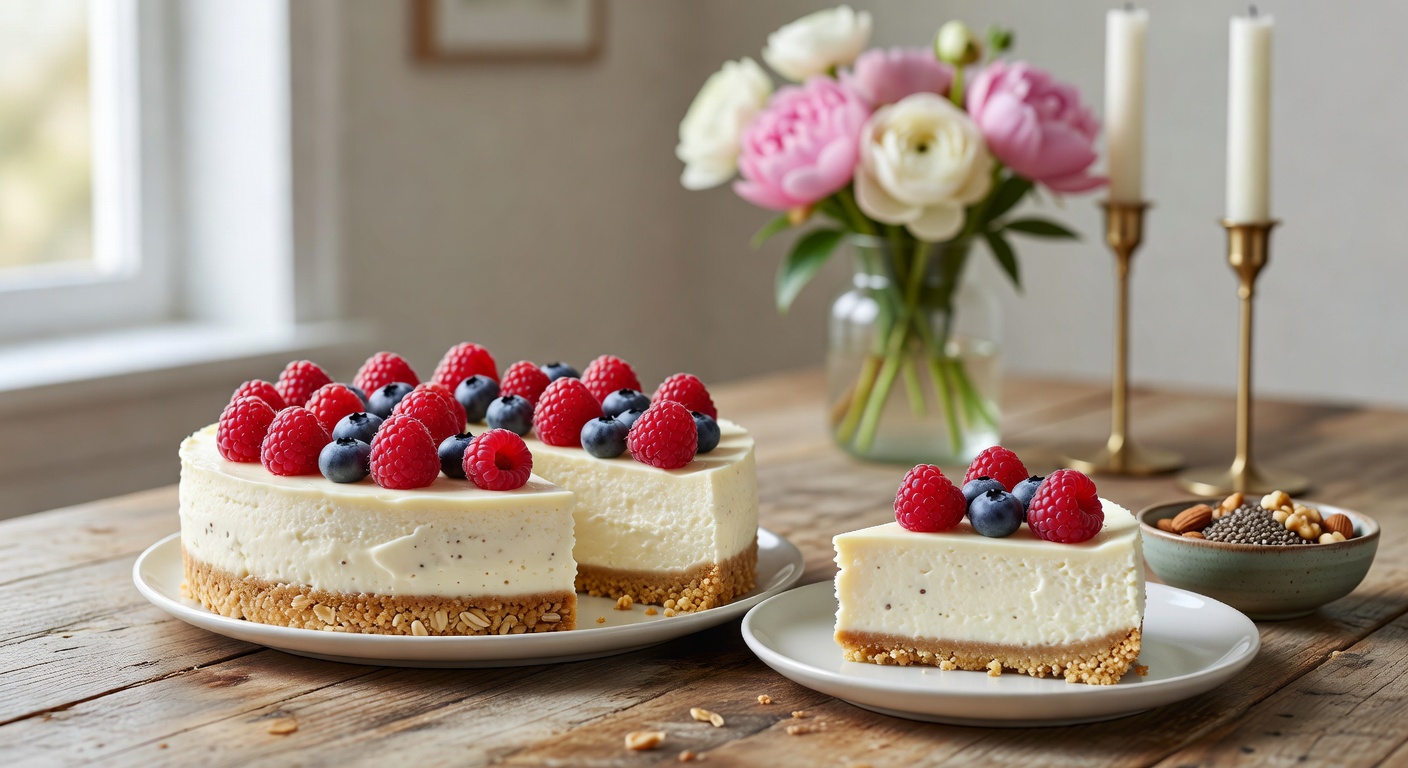
Heart Healthy Cheesecake: Creamy, Rich, and Guilt-Free
Why Greek Yogurt and Reduced-Fat Cream Cheese Work
The secret to a heart healthy cheesecake lies in swapping out full-fat ingredients for smarter alternatives without sacrificing that luscious, creamy texture. Greek yogurt, especially plain nonfat or low-fat varieties, provides a tangy richness while packing protein and probiotics. Reduced-fat cream cheese cuts saturated fat significantly—by about 30% compared to regular—which supports cardiovascular health. Together, they create a base that’s lighter yet still indulgent. For natural sweetness, skip refined sugar and use honey or Medjool dates. Dates, when blended into a paste, add fiber and antioxidants, while honey offers trace minerals. This approach aligns with the philosophy of making desserts “healthier” rather than “healthy,” as noted by experts like those at marisamoore.com, who emphasize whole food sweeteners. The result? A dessert that feels decadent but fits into a heart-conscious lifestyle, perfect for Valentine’s Day.
Simple Recipe Outline for a Silky Texture
To achieve a silky, crack-free heart healthy cheesecake, follow this streamlined outline. Start with the crust: combine 1 cup almond flour, 2 tablespoons melted coconut oil, and 1 tablespoon honey. Press into a springform pan and bake at 350°F for 8 minutes. For the filling, blend 16 ounces reduced-fat cream cheese (softened), 1 cup plain Greek yogurt, 3 large eggs, 1/3 cup honey or date paste, and 1 teaspoon vanilla extract. Mix until smooth—avoid overbeating to prevent air bubbles. Pour over the crust and bake in a water bath at 325°F for 45-50 minutes, until the edges are set but the center jiggles slightly. Cool slowly in the oven with the door ajar to prevent cracking. This technique ensures a velvety texture, similar to what you’d find in heart healthy pies or a heart healthy peach cobbler recipe, but with a creamy twist.
Tips for Perfecting Your Guilt-Free Dessert
For best results, use room-temperature ingredients to ensure a smooth batter. If using dates, soak them in warm water for 10 minutes before blending. To boost flavor, add a teaspoon of lemon zest or a pinch of cinnamon—both support heart health with anti-inflammatory properties. For a variation, consider a heart healthy rice pudding base by swapping the crust for cooked brown rice and cinnamon, though the cheesecake remains the star. Store leftovers in the fridge for up to five days, and serve with fresh berries for extra antioxidants. This dessert proves that a heart healthy cheesecake can be both rich and guilt-free, making it a loving choice for Valentine’s Day.
Heart Healthy Pies: Classic Flavors with a Nutritious Twist
Whole-Grain and Nut-Based Crusts: A Foundation for Flavor
The crust is often the hidden source of unhealthy fats and refined flour in traditional pies. For a heart-healthy twist, opt for a whole-grain or nut-based crust. A whole-wheat pastry flour crust adds fiber and a nutty flavor, while a crust made from ground almonds or walnuts provides healthy unsaturated fats and a satisfying crunch. For a gluten-free option, a blend of oat flour and almond meal works beautifully. When making a heart healthy peach cobbler recipe, consider a topping of rolled oats, chopped pecans, and a touch of coconut oil instead of a butter-laden biscuit. This simple swap boosts fiber and reduces saturated fat without sacrificing texture.
Fruit-Filled Fillings: Sweetness from Nature
The heart of any pie is its filling, and fresh or dried fruit offers natural sweetness and a wealth of antioxidants. For a classic apple pie, use a mix of tart and sweet apples, and reduce the added sugar by half. Instead of white sugar, try a small amount of maple syrup or a few mashed dates. A pecan pie can be transformed by using pure maple syrup as the sweetener and reducing the amount of corn syrup. The natural sweetness of dates and bananas can also be used to sweeten a heart healthy rice pudding or a heart healthy cheesecake, as noted by experts who recommend using fruit to minimize added sugars. These whole-food ingredients provide fiber and nutrients that support cardiovascular health.
Sugar Reduction and Smart Sweeteners
Cutting back on refined sugar is key for heart health. Many recipes can have their sugar content halved without losing appeal. For a heart healthy cheesecake, use a crust of crushed almonds and dates, and sweeten the filling with a small amount of honey or pure maple syrup. A heart healthy rice pudding can be made with unsweetened almond milk, cinnamon, and a touch of vanilla, with sweetness coming from raisins or chopped dried apricots. The goal is to create a dessert that is “healthier” rather than “healthy,” as one expert notes, focusing on whole-food ingredients and minimal added sugars. This approach allows you to enjoy a sweet treat while supporting your cardiovascular well-being.
Heart Healthy Peach Cobbler Recipe: Warm, Comforting, and Low Sugar
Why This Peach Cobbler is a Heart-Healthy Choice
This Valentine’s Day, you can enjoy a warm, comforting dessert that’s as kind to your heart as it is to your taste buds. Unlike traditional cobblers loaded with refined sugar and white flour, this version uses the natural sweetness of ripe peaches—fresh or frozen—to cut added sugar by more than half. The topping swaps all-purpose flour for whole-wheat or almond flour, which provides fiber and healthy fats that support cardiovascular health. Research shows that diets rich in whole grains and low in added sugars can reduce the risk of heart disease, making this dessert a smart choice for American Heart Month. Plus, by avoiding artificial sweeteners and colors, you’re choosing whole food ingredients that nourish your body while satisfying a sweet craving.
Step-by-Step Heart Healthy Peach Cobbler Recipe
Ingredients:
– 4 cups fresh or frozen peaches (thawed and drained if frozen)
– 2 tablespoons maple syrup or honey (optional, for extra sweetness)
– 1 teaspoon vanilla extract
– 1 tablespoon lemon juice
– 1 teaspoon cinnamon
– 1 cup whole-wheat flour or almond flour
– 1/4 cup coconut oil or unsalted butter, melted
– 1/4 cup unsweetened almond milk
– 1 teaspoon baking powder
– Pinch of salt
Instructions:
1. Preheat your oven to 375°F (190°C). Lightly grease an 8×8-inch baking dish.
2. In a bowl, toss the peaches with maple syrup (if using), vanilla, lemon juice, and cinnamon. Pour into the prepared dish.
3. In another bowl, mix the flour, baking powder, and salt. Stir in the melted coconut oil and almond milk until a soft dough forms. Drop spoonfuls over the peach mixture.
4. Bake for 30-35 minutes, until the topping is golden and the filling bubbles. Let cool for 10 minutes before serving. This recipe yields about 6 servings, with roughly 180 calories and only 8 grams of sugar per serving—far less than traditional cobblers.
Serving Suggestions and Variations
For a heart-healthy twist, serve this cobbler warm with a dollop of Greek yogurt or a drizzle of unsweetened coconut cream. If you’re craving other heart-healthy desserts, consider a heart healthy cheesecake made with low-fat cream cheese and a nut crust, or heart healthy pies with oat-based crusts and fruit fillings. For a creamy option, try heart healthy rice pudding sweetened with dates and cinnamon. This cobbler also pairs beautifully with a cup of herbal tea, making it a perfect end to a Valentine’s Day dinner that celebrates love and wellness.
Heart Healthy Rice Pudding: A Creamy, Satisfying Dessert
Why Brown Rice and Almond Milk Make a Difference
Traditional rice pudding often relies on white rice and whole milk, which can spike blood sugar and add saturated fat. For a heart-healthy twist, swap in brown rice and unsweetened almond milk. Brown rice is a whole grain packed with fiber—about 3.5 grams per cooked cup—which helps slow digestion and stabilize blood sugar levels. This lower glycemic impact is key for heart health, as it reduces insulin spikes and inflammation. Unsweetened almond milk keeps the dessert creamy without the saturated fat found in dairy, while adding a subtle nutty flavor. Together, these ingredients create a base that supports cardiovascular wellness, making this dessert a smarter choice than many heart healthy cheesecake or heart healthy pies options that may rely on processed crusts or added sugars.
Sweetening Naturally with Cinnamon and Raisins
Instead of refined sugar, this recipe uses cinnamon and raisins for sweetness and depth. Cinnamon is more than a flavor booster; studies suggest it can help lower LDL cholesterol and triglycerides, making it a heart-friendly spice. Raisins add natural sweetness and a chewy texture, along with fiber and antioxidants like polyphenols, which combat oxidative stress. To prepare, cook 1 cup of brown rice in 3 cups of unsweetened almond milk over low heat, stirring occasionally, until tender (about 45 minutes). Stir in 1/2 teaspoon of cinnamon and 1/4 cup of raisins during the last 10 minutes. The result is a dessert that feels indulgent but aligns with heart-healthy goals—unlike a heart healthy peach cobbler recipe that might rely on canned fruit in syrup, this pudding controls every ingredient.
Serving and Storing for Valentine’s Day
This heart healthy rice pudding is versatile for Valentine’s Day celebrations. Serve it warm in small ramekins, topped with a sprinkle of cinnamon or a few fresh berries for added antioxidants. For a make-ahead treat, refrigerate it for up to three days; the flavors meld beautifully as it chills. Each serving provides about 4 grams of fiber and only 8 grams of sugar from natural sources, keeping it within heart-healthy guidelines. Pair it with a cup of herbal tea for a cozy, romantic finish. This recipe proves that a creamy, satisfying dessert doesn’t need to compromise your health—unlike many store-bought options, it’s a homemade alternative that truly cares for your heart.
Common Mistakes to Avoid When Making Heart Healthy Desserts
Over-Reliance on Artificial Sweeteners
Many home bakers swap sugar for artificial sweeteners, thinking this automatically makes a dessert heart-healthy. However, these substitutes can trigger cravings for more sweetness and may disrupt gut health, which is linked to cardiovascular wellness. Instead, focus on whole-food sweeteners like mashed bananas, dates, or unsweetened applesauce. For example, a heart healthy peach cobbler recipe can be sweetened with ripe peaches and a touch of maple syrup, cutting added sugar without sacrificing flavor. Avoid sugar alcohols like erythritol in large amounts, as they can cause digestive discomfort.
Using Too Much Butter or Cream
Rich dairy ingredients like heavy cream and butter are common in traditional desserts, but they pack saturated fat that can raise LDL cholesterol. A heart healthy cheesecake can be made with low-fat Greek yogurt or silken tofu for creaminess, while heart healthy pies benefit from a crust using almond flour and coconut oil instead of butter. For a heart healthy rice pudding, swap whole milk for unsweetened oat milk and use a pinch of cinnamon for natural sweetness. These swaps reduce saturated fat while keeping the texture satisfying.
Ignoring Portion Sizes
Even nutrient-dense desserts can derail heart health if portions are too large. A common mistake is assuming “healthy” means you can eat unlimited amounts. For instance, a single serving of heart healthy peach cobbler recipe should be about 1/2 cup, not a whole bowl. Use small ramekins or mini tart pans to control portions naturally. Pair desserts with fresh fruit or a dollop of yogurt to increase volume without extra calories. Remember, a heart-healthy dessert is about balance, not deprivation.
Assuming ‘Healthy’ Means Low-Calorie
Some bakers cut calories drastically by removing all fat and sugar, resulting in bland, unsatisfying treats that lead to overeating later. A heart healthy rice pudding can include a tablespoon of chia seeds for omega-3s and fiber, which support heart health without making it low-calorie. Focus on nutrient density: use dark chocolate (70% cocoa or higher) for antioxidants, and incorporate nuts or seeds for healthy fats. A heart healthy cheesecake made with reduced-fat cream cheese and a nut crust provides satisfying richness while supporting cardiovascular goals.
Expert Tips for Perfect Heart Healthy Desserts Every Time
Sweeten Smartly with Fruit Purees
Dietitians agree that one of the simplest swaps for a heart-healthy dessert is replacing refined sugar with fruit purees. Mashed bananas, unsweetened applesauce, or date paste add natural sweetness and moisture without the blood sugar spike. For a heart healthy cheesecake, try blending soaked dates into the filling instead of sugar—this adds fiber and a caramel-like depth. In a heart healthy peach cobbler recipe, puree a few extra peaches with a touch of cinnamon to sweeten the topping, reducing added sugar by up to half. Always taste-test your puree before baking; if it’s not sweet enough, add a small amount of maple syrup or honey rather than white sugar.
Add Crunch with Nuts and Seeds
Nuts and seeds are a dietitian-approved way to introduce texture and heart-healthy fats. Chopped walnuts or almonds can replace some flour in crusts for heart healthy pies, boosting omega-3s and vitamin E. For a heart healthy rice pudding, top with a sprinkle of chia seeds or crushed pistachios for crunch and extra protein. When making a heart healthy peach cobbler recipe, mix a handful of rolled oats with chopped pecans and a dash of nutmeg for a crumble that’s both satisfying and good for your arteries. Just remember to use raw or dry-roasted varieties to avoid excess sodium and oils.
Experiment with Spices and Taste-Test
Spices like cinnamon, nutmeg, and cardamom can transform a dessert without adding sugar. Cinnamon, in particular, has been shown to help regulate blood sugar levels—a boon for heart health. For a heart healthy cheesecake, add a teaspoon of cinnamon to the crust and a pinch of nutmeg to the filling for warmth. In heart healthy pies, a blend of ginger and allspice can mimic sweetness. Always taste-test your batter or filling before baking: if it’s not sweet enough, add a small amount of fruit puree or a touch of honey, rather than reaching for the sugar bowl. This simple step ensures your dessert is perfectly balanced and truly heart-healthy.
How to Sweeten Desserts Naturally Without Refined Sugar
The Power of Fruit-Based Sweeteners
Dates and bananas are nature’s candy, offering concentrated sweetness with a host of heart-healthy benefits. Medjool dates, for example, provide fiber, potassium, and antioxidants, making them an excellent choice for a heart healthy cheesecake crust or a fudgy brownie base. Simply soak pitted dates in warm water for 10 minutes, then blend into a smooth paste. This paste can replace up to half the sugar in many recipes. Bananas, especially overripe ones, add moisture and natural sweetness to baked goods. Mashed banana works beautifully in heart healthy pies, lending a creamy texture and subtle flavor that pairs well with spices like cinnamon and nutmeg. For a heart healthy peach cobbler recipe, try using mashed banana to sweeten the topping, reducing the need for added sugar while boosting potassium.
Liquid Sweeteners: Maple Syrup and Honey
Maple syrup and honey are liquid gold for heart-conscious bakers. Both contain antioxidants and have a lower glycemic impact than refined sugar when used in moderation. Maple syrup is rich in manganese and zinc, while honey offers antibacterial properties and trace amounts of vitamins. When substituting for sugar, use ¾ cup of maple syrup or honey for every cup of sugar, and reduce the liquid in the recipe by about 3 tablespoons. These sweeteners shine in heart healthy rice pudding, where their distinct flavors complement the creamy rice and warm spices. For a Valentine’s Day treat, drizzle a little honey over fresh berries or use maple syrup to sweeten a no-bake cheesecake filling.
Unsweetened Applesauce: A Moisture-Boosting Alternative
Unsweetened applesauce is a versatile, low-calorie sweetener that adds natural sweetness and moisture without the need for refined sugar. It contains pectin, a soluble fiber that supports heart health by helping to lower cholesterol. In baking, replace up to half the sugar with an equal amount of applesauce, and reduce the oil or butter slightly to maintain the right texture. This works particularly well in heart healthy peach cobbler recipe, where the applesauce keeps the topping tender while cutting calories. For a heart healthy cheesecake, blend applesauce into the filling for a lighter, fruit-sweetened version that still feels indulgent.

Frequently Asked Questions About Heart Healthy Desserts
Can I Use Artificial Sweeteners?
No, the focus here is on whole foods. Artificial sweeteners can disrupt gut health and may not support long-term heart wellness. Instead, rely on naturally sweet ingredients like dates, bananas, or unsweetened applesauce. For example, a heart healthy cheesecake can be sweetened with mashed bananas and a touch of maple syrup, while a heart healthy peach cobbler recipe uses ripe peaches and a date-based crumble topping. These whole-food options provide fiber and antioxidants, which help manage blood sugar and reduce inflammation—key for cardiovascular health.
Are These Desserts Low-Calorie?
They are lower in sugar and saturated fat compared to traditional desserts, but not necessarily low-calorie. The goal is nutrient density, not restriction. A heart healthy rice pudding made with unsweetened almond milk, cinnamon, and raisins offers creamy satisfaction without excess sugar. Similarly, heart healthy pies can use a whole-wheat crust and fruit fillings sweetened with mashed berries. These desserts typically have 150–250 calories per serving, with 5–10 grams of added sugar—far less than the 30+ grams in many store-bought options. Portion control is still important, but you can enjoy them guilt-free as part of a balanced diet.
Can I Make Them Vegan?
Yes, with simple substitutions. Replace eggs with flax or chia seeds (1 tablespoon ground seeds + 3 tablespoons water per egg), and use plant-based milks like oat or soy. For a heart healthy peach cobbler recipe, swap butter with coconut oil and use a gluten-free oat flour topping. Vegan heart healthy cheesecake can be made with cashews, coconut cream, and lemon juice—no dairy needed. These swaps maintain texture and flavor while keeping saturated fat low. Always check labels for hidden animal products, but most whole-food recipes adapt easily.
How Do I Store Leftovers?
Refrigerate in airtight containers to maintain freshness and prevent spoilage. Heart healthy pies and cheesecake keep for 3–5 days; rice pudding lasts 4–5 days. For longer storage, freeze individual portions in sealed bags or containers—thaw overnight in the fridge. Avoid leaving desserts at room temperature for more than 2 hours, as fruit-based fillings can spoil. Label containers with dates to track freshness. Proper storage ensures you can enjoy these treats without waste, supporting both your heart health and budget.
Conclusion
This Valentine’s Day, you don’t have to choose between showing love and protecting your heart. As we’ve explored, heart healthy desserts are surprisingly easy to create, relying on natural sweetness, wholesome fats, and nutrient-rich ingredients. From dark chocolate avocado mousse to berry chia puddings, these treats prove that indulgence and cardiovascular wellness can go hand in hand. The key takeaway is simple: mindful choices in the kitchen allow you to celebrate love without compromising your health.
The main benefit of these recipes is their ability to nourish your body while satisfying your sweet tooth. By swapping refined sugars for fruit, using healthy fats like nuts and avocados, and incorporating fiber-rich whole grains, you actively support your heart with every bite. This Valentine’s Day, let your dessert be a true expression of care—for both your loved ones and yourself.
Now, we invite you to take the first step. Choose one recipe from our list, whether it’s the rich chocolate mousse or the refreshing berry parfait, and make it for someone special. Share the love, enjoy the flavor, and experience the joy of a dessert that truly loves you back. Your heart will thank you.
Frequently Asked Questions
A heart healthy dessert is low in added sugar, saturated fat, and sodium, and rich in fiber, healthy fats, and antioxidants from whole foods like fruits, nuts, and oats. It uses natural sweeteners like dates or bananas instead of refined sugar.
Yes, a heart healthy cheesecake uses Greek yogurt and reduced-fat cream cheese, sweetened with honey or dates. This reduces saturated fat and adds protein, making it a guilt-free treat for Valentine's Day.
Absolutely. Use whole-grain or nut-based crusts, fill with fresh or dried fruit, and reduce sugar. For example, an apple pie with oat crumble or pecan pie sweetened with maple syrup offers classic flavor with a nutritious twist.
Use fresh or frozen peaches for natural sweetness, and a topping made with whole-wheat or almond flour. Minimize added sugar by relying on the fruit's sweetness, and bake until bubbly for a warm, comforting dessert.
Yes, when made with brown rice, unsweetened almond milk, cinnamon, and raisins, rice pudding becomes heart healthy. Brown rice adds fiber, and almond milk reduces saturated fat, lowering the glycemic impact.
Avoid over-relying on artificial sweeteners, using too much butter or cream, ignoring portion sizes, and assuming 'healthy' means low-calorie. Instead, use fruit purees for moisture and spices for flavor without excess sugar.
Dietitians recommend using fruit purees for moisture, incorporating nuts and seeds for crunch, experimenting with spices like cinnamon and nutmeg, and always taste-testing sweetness before baking to ensure balance without over-sweetening.